
Rochers et branches à Bibémus — History & Facts
What if beauty was never meant to be finished? In Rochers et branches à Bibémus, a canvas breathes with an unfinished quality, inviting viewers to embrace the transformation of nature and art alike. Look closely at the left side of the canvas, where rugged rocks emerge in a palette of earthy ochres and deep greens. The brushstrokes are visible and loose, suggesting movement and the passage of time. Notice how the light dances across the surfaces, casting shadows that hint at both solidity and fluidity.
As your gaze drifts across the composition, the intertwining branches weave a narrative of growth and decay, their vibrant hues contrasting with the more subdued tones of the background. Beneath its surface, the painting captures the tension between permanence and transience. The interplay of light and shadow evokes a sense of both stability and change, reflecting the artist’s inner dialogue with nature. The rocks, steadfast yet eroded, symbolize the enduring beauty of the landscape, while the branches, alive with color, represent the fleeting nature of existence.
Together, they pose questions about the cycle of life, transformation, and the artist’s quest for capturing the ephemeral. Created between 1895 and 1904 in the south of France, this work emerged during a pivotal moment for the artist. Cézanne was at the forefront of Post-Impressionism, pushing the boundaries of traditional representation, and seeking to find a new language for nature. This period of experimentation not only influenced his own artistic evolution but also contributed to the foundation of modern art, cementing his status as a pivotal figure in its history.
More Artworks by Paul Cezanne
Browse all →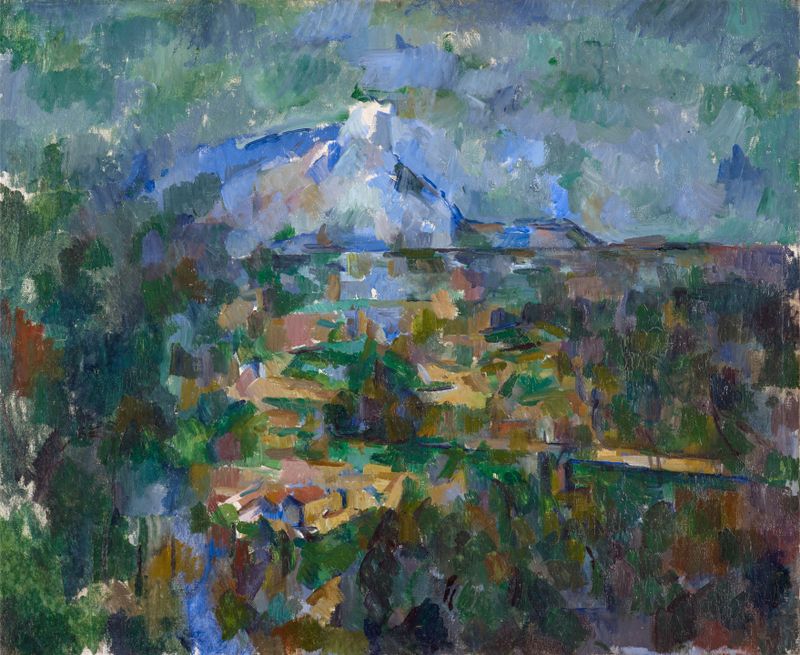
The Mont Sainte-Victoire Seen From Les Lauves
Paul Cezanne
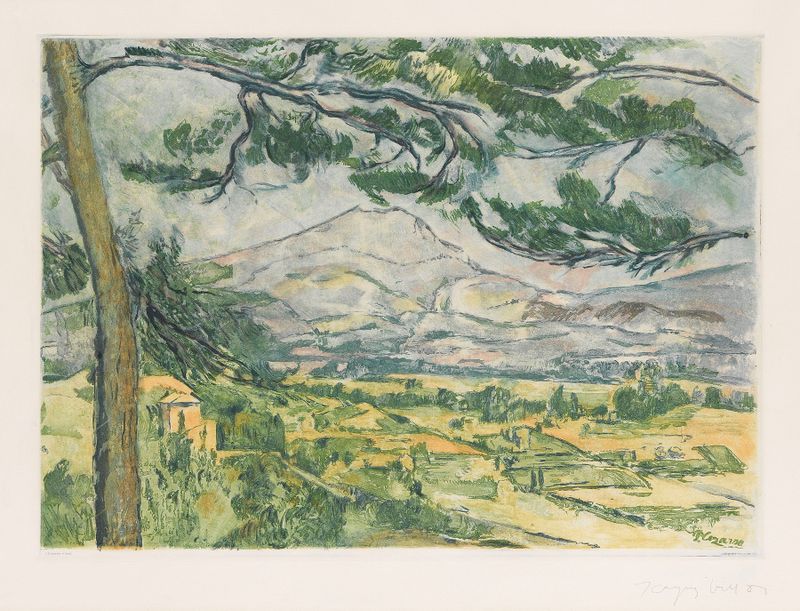
La Montagne Sainte-Victoire
Paul Cezanne
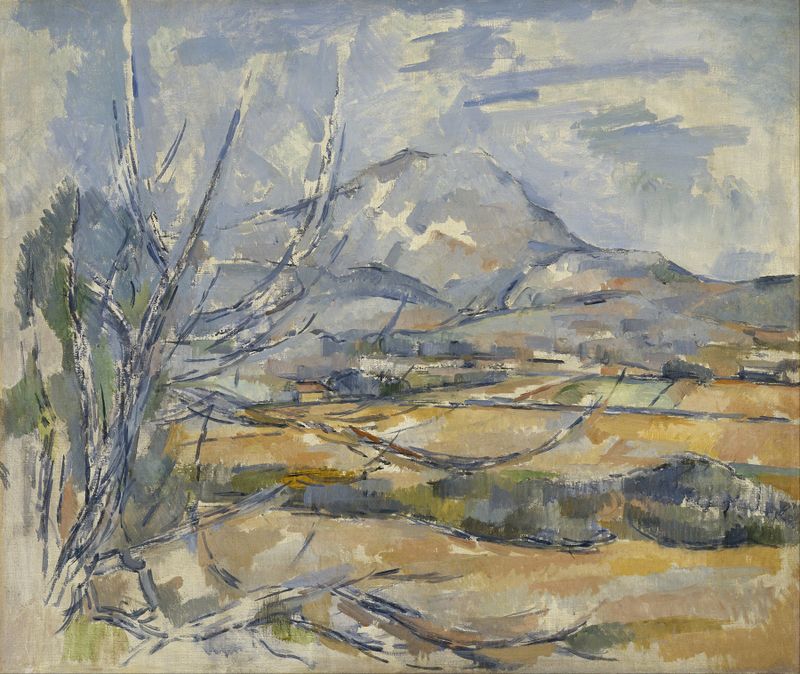
Montagne Sainte-Victoire
Paul Cezanne
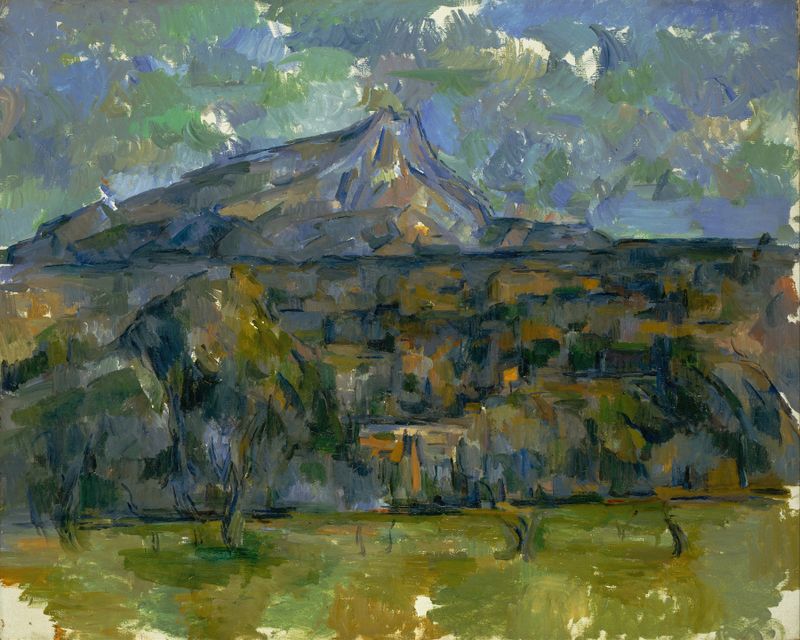
Mont Sainte-Victoire
Paul Cezanne
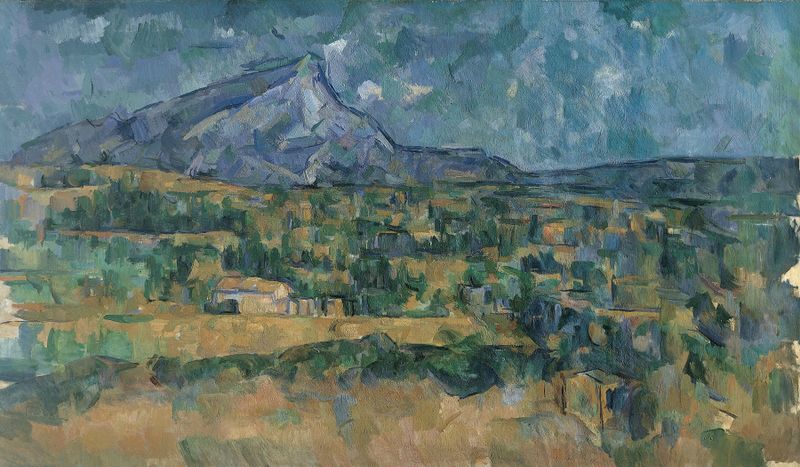
Mont Sainte-Victoire
Paul Cezanne
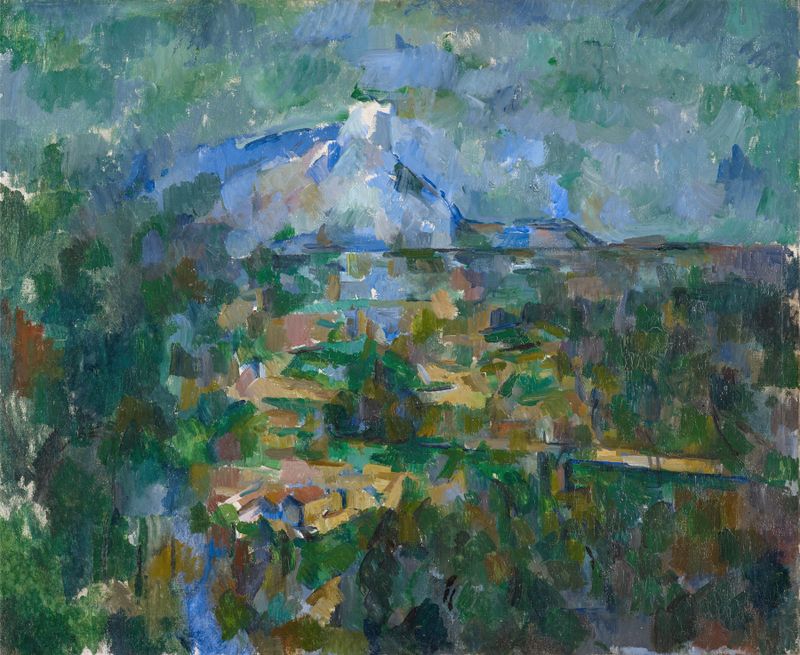
View of Mount Sainte-Victoire from Les Lauves
Paul Cezanne
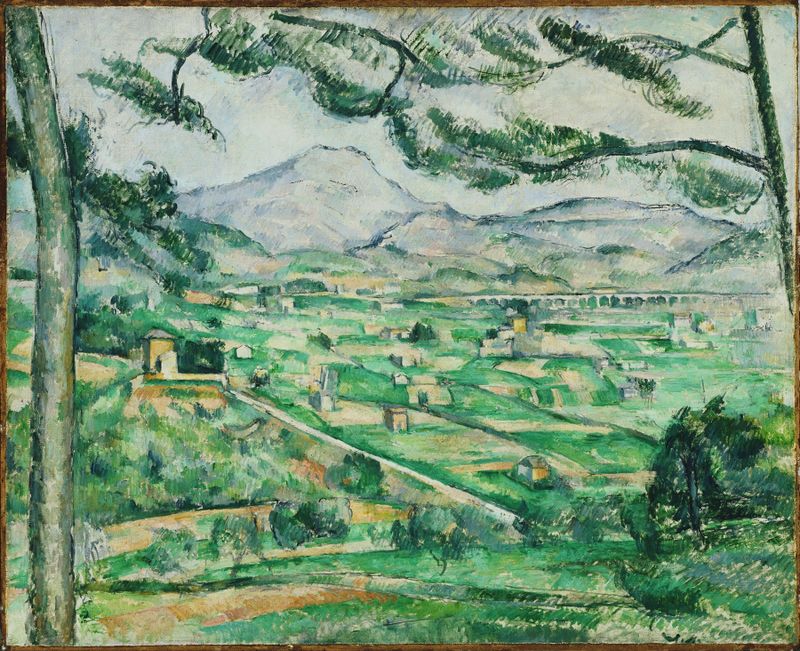
Mont Sainte-Victoire 2
Paul Cezanne

The Basket of Apples
Paul Cezanne

Mount Sainte-Victoire
Paul Cezanne
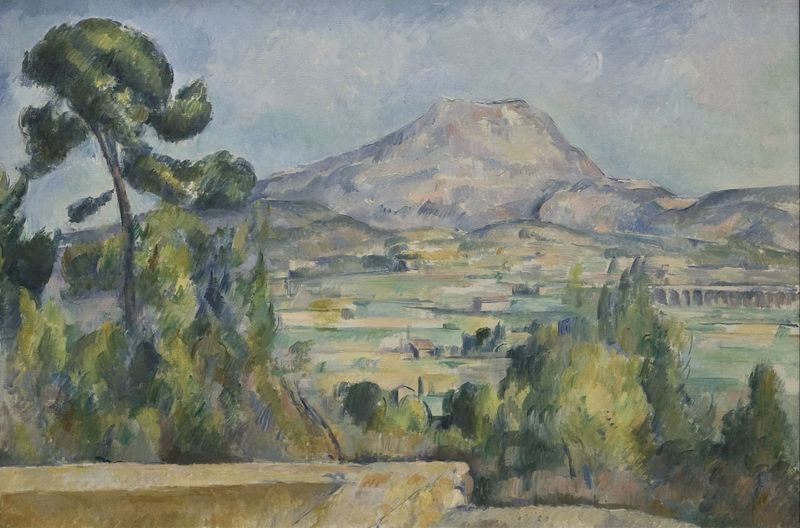
Montagne Saint-Victoire
Paul Cezanne





