
Rocks — History & Facts
Who listens when art speaks of silence? In the stillness of Rocks, Paul Cézanne beckons us to explore the quiet yet tumultuous dialogue between nature and emotion, a conversation layered with betrayal. Look closely at the center of the canvas where the jagged stones emerge from the lush underbrush, their stoic forms commanding attention. The earthy palette of ochres and deep greens contrasts with the vibrant blues peeking through the foliage, creating a tension that feels almost palpable. Notice how the brushstrokes vary in intensity, with some areas softly blending into one another while others are defined and sharp, suggesting both the comfort and discomfort of this rugged terrain. Delve deeper into the subtleties of the composition.
The rocks, seemingly immovable, loom large against the delicate play of light filtering through the leaves, while shadows whisper secrets of abandonment and solitude. Each stone appears to hold a memory, a past that evokes both stability and isolation. This duality invites contemplation of nature’s beauty and the disquiet that often accompanies it, hinting at a sense of betrayal that can arise from both the natural world and human experience. Between 1867 and 1870, Cézanne painted Rocks in the South of France, during a period marked by his struggle for recognition in an evolving art world.
Influenced by the Impressionists yet determined to develop his own style, he wrestled with his identity as an artist. This painting represents that delicate balance between tradition and innovation, reflecting not only his personal turmoil but also the broader tensions of a rapidly changing society eager to redefine artistic boundaries.
More Artworks by Paul Cezanne
Browse all →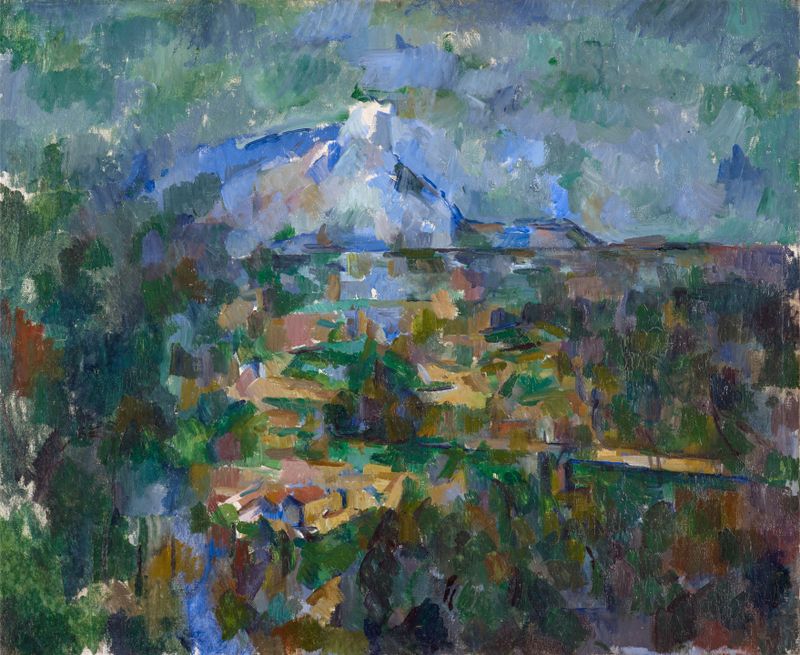
The Mont Sainte-Victoire Seen From Les Lauves
Paul Cezanne
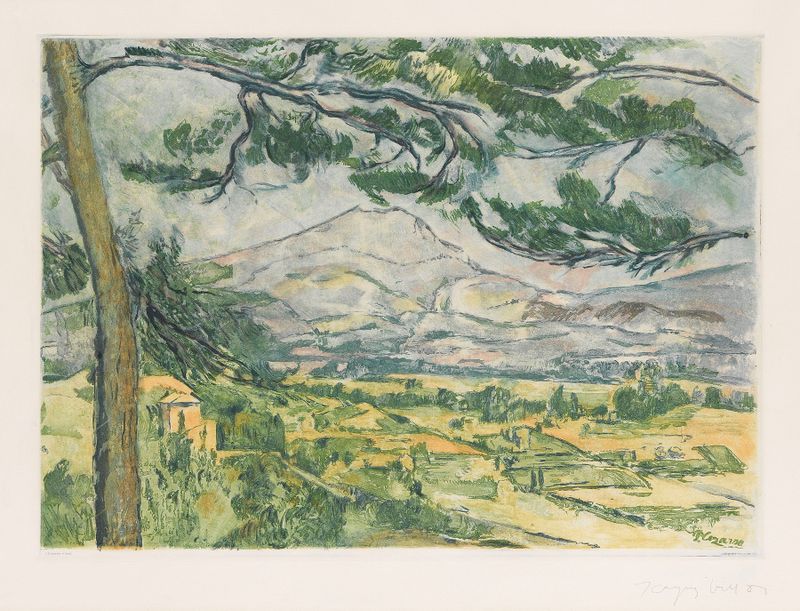
La Montagne Sainte-Victoire
Paul Cezanne
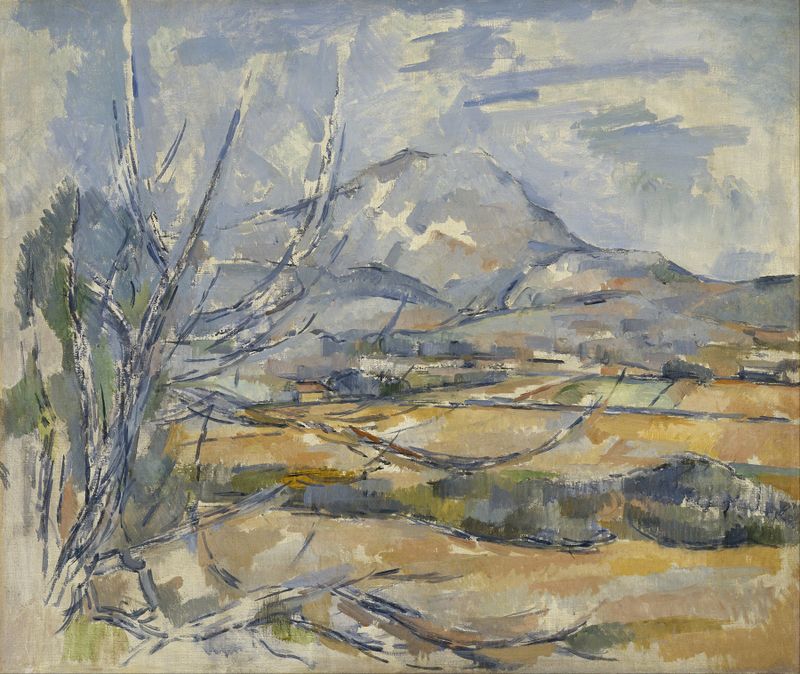
Montagne Sainte-Victoire
Paul Cezanne
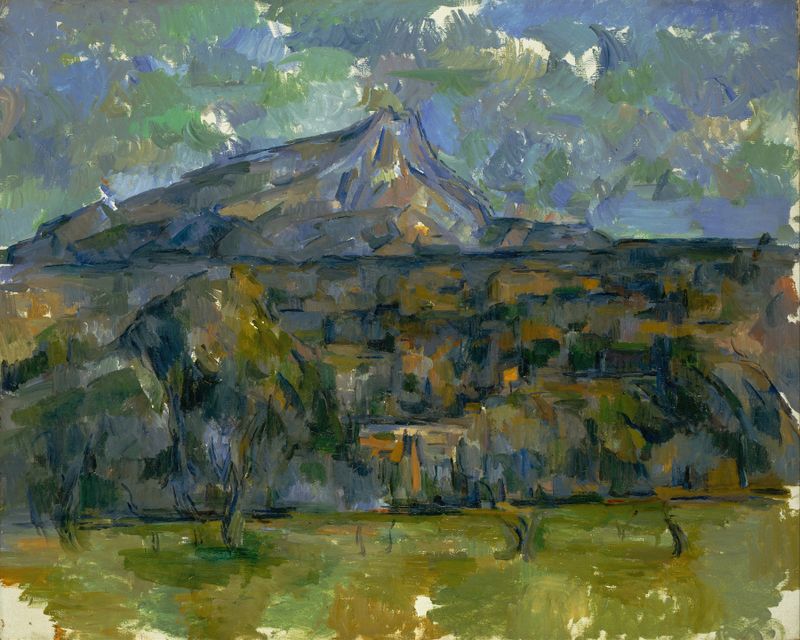
Mont Sainte-Victoire
Paul Cezanne
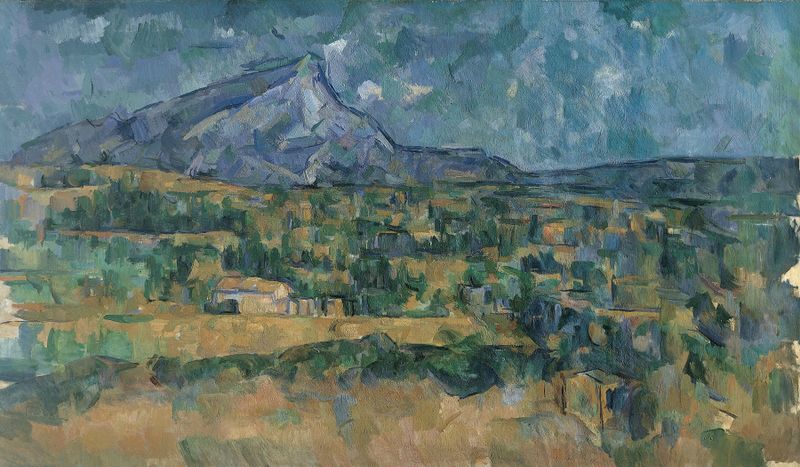
Mont Sainte-Victoire
Paul Cezanne
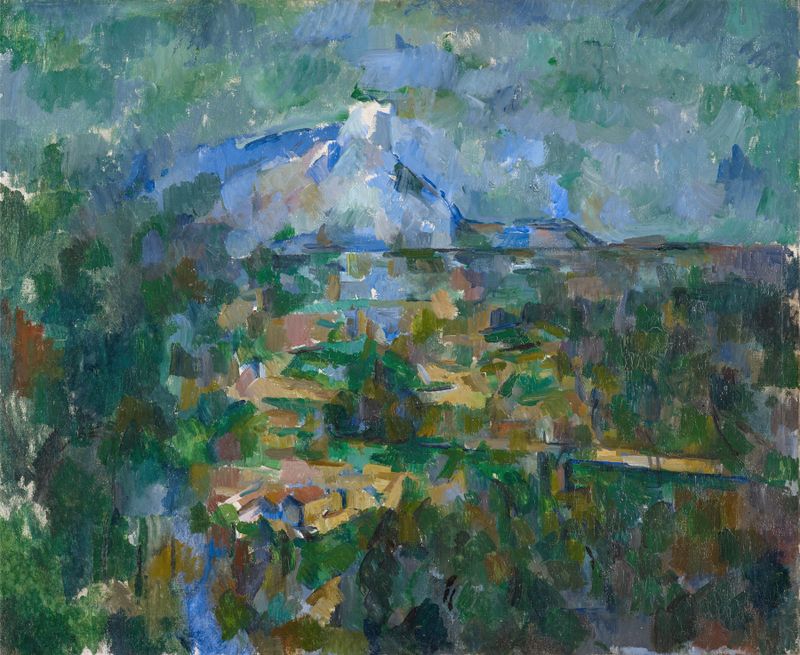
View of Mount Sainte-Victoire from Les Lauves
Paul Cezanne
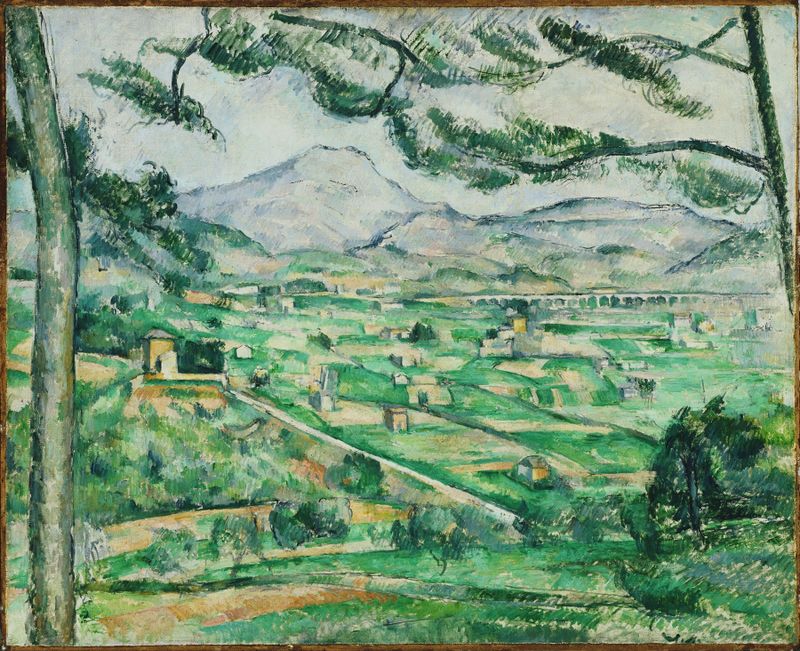
Mont Sainte-Victoire 2
Paul Cezanne

The Basket of Apples
Paul Cezanne

Mount Sainte-Victoire
Paul Cezanne
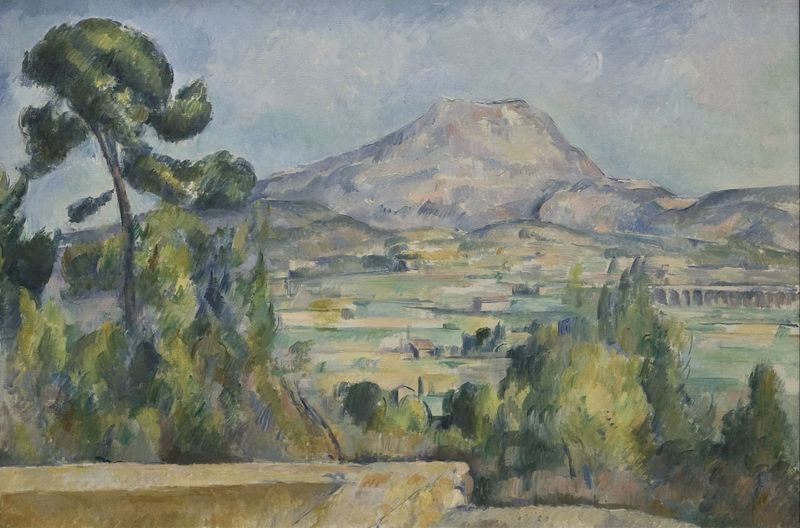
Montagne Saint-Victoire
Paul Cezanne





