
Rocks in the Forest — History & Facts
In a world that often neglects the purity of its origins, innocence finds a voice through the unyielding embrace of nature. The interplay of rugged stones amidst a lush forest speaks to the essence of existence itself, inviting contemplation of our place within this timeless cycle. Look closely at the rocks, subtly emerging from the vibrant greens and browns that dominate the canvas. Their rough surfaces are rendered with broad, expressive brushstrokes, drawing your gaze to how they anchor the composition.
Notice the way light dappled by the trees dances upon the foliage, creating a serene yet dynamic backdrop that contrasts with the solid, age-old presence of the stones. The harmony of color—rich earth tones paired with bursts of greenery—showcases the artist's mastery of blending to evoke a sense of tranquility. Beneath the surface of this tranquil landscape lies a tension between permanence and transience. The rocks, steadfast and enduring, symbolize resilience against the passage of time, while the surrounding flora suggests a continual renewal, a fleeting beauty that is always at risk of being lost.
This dichotomy plays out against the innocence of nature, reminding us of the fragility inherent in untouched landscapes and the memories they carry. In the 1890s, while in Aix-en-Provence, Cézanne was navigating a critical period in his artistic evolution, moving away from Impressionism towards a more structured, personal vision. This era saw him grappling with the tension between tradition and innovation within the art world, as his works began to anticipate the revolutionary changes of modern art. Emerging from this context, Rocks in the Forest encapsulates his journey towards capturing the essence of nature, both raw and refined.
More Artworks by Paul Cezanne
Browse all →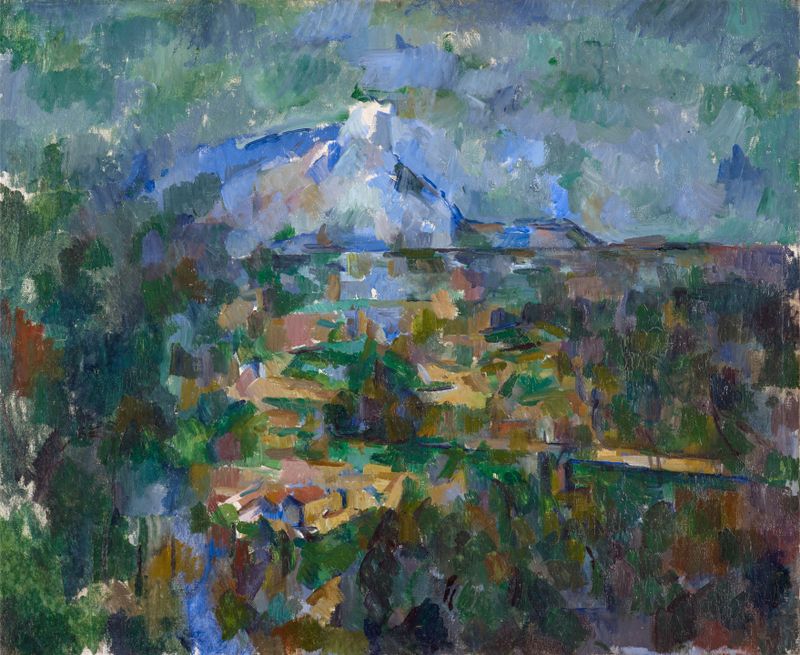
The Mont Sainte-Victoire Seen From Les Lauves
Paul Cezanne
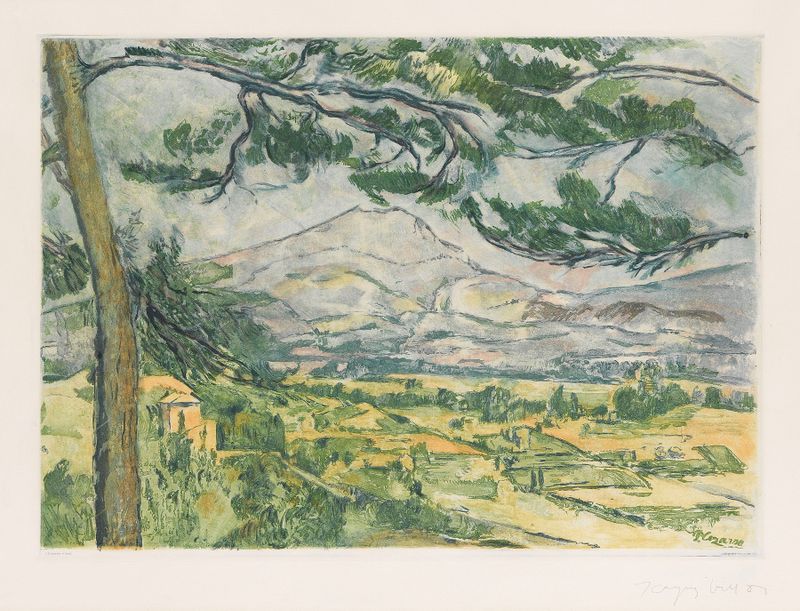
La Montagne Sainte-Victoire
Paul Cezanne
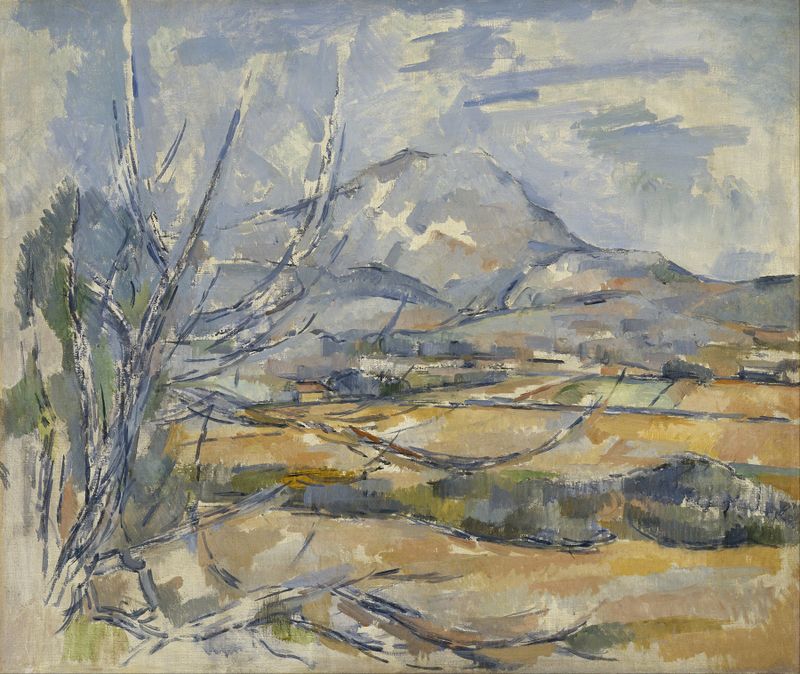
Montagne Sainte-Victoire
Paul Cezanne
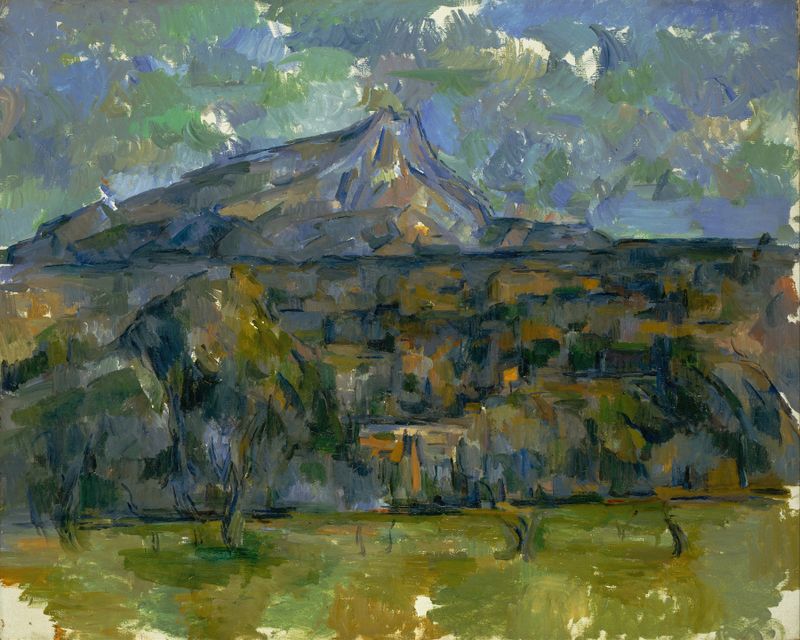
Mont Sainte-Victoire
Paul Cezanne
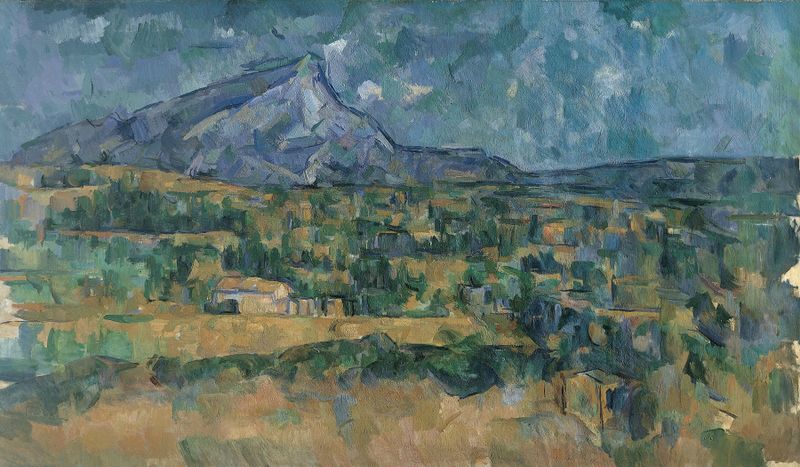
Mont Sainte-Victoire
Paul Cezanne
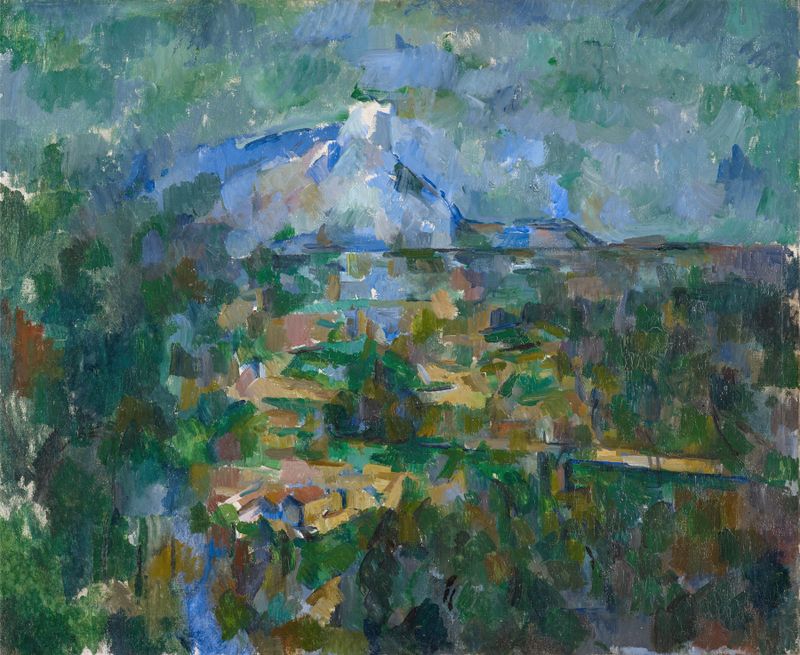
View of Mount Sainte-Victoire from Les Lauves
Paul Cezanne
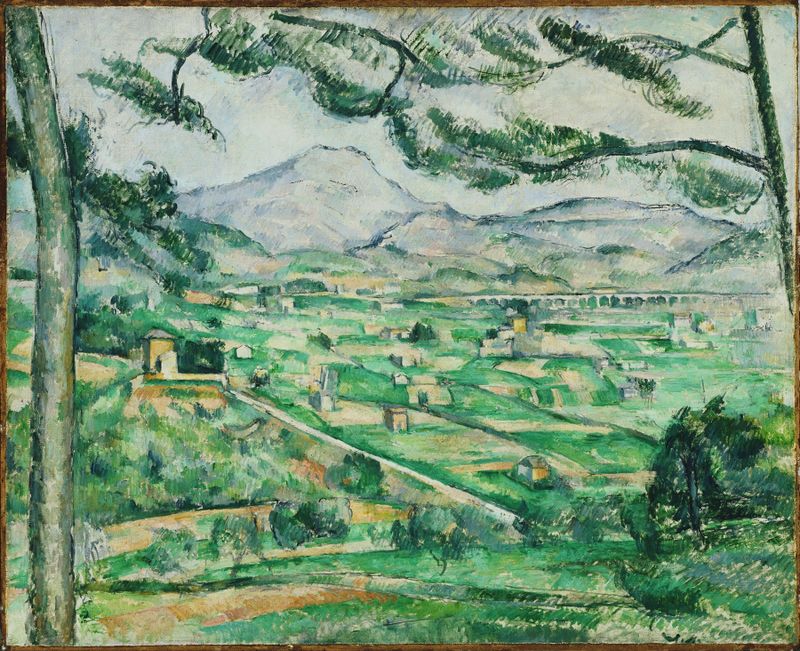
Mont Sainte-Victoire 2
Paul Cezanne

The Basket of Apples
Paul Cezanne

Mount Sainte-Victoire
Paul Cezanne
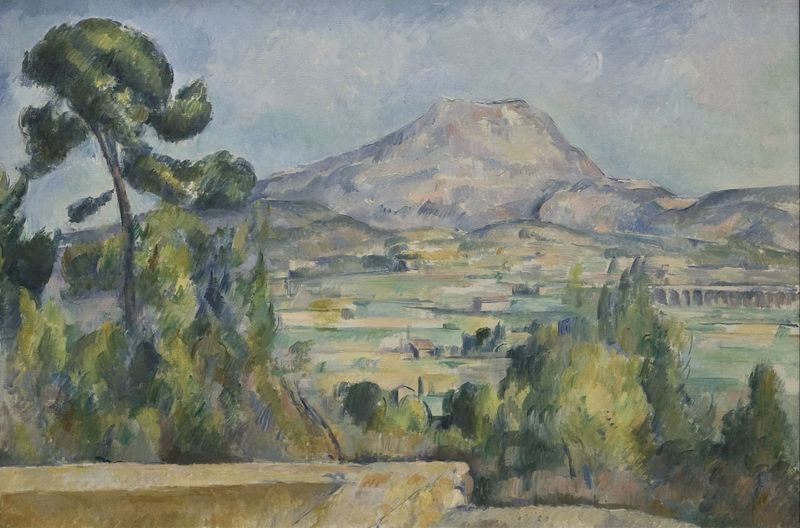
Montagne Saint-Victoire
Paul Cezanne





