Rose Hedge — History & Facts
Can beauty exist without sorrow? In Rose Hedge, the answer unfurls amidst the vibrant blooms and the shadows they cast. Look to the center of the canvas, where a riot of roses spills forth, their petals a symphony of reds and pinks. The brushstrokes are fluid, suggesting movement, as if the flowers sway gently in an unseen breeze. Notice how the artist uses a soft, diffused light that bathes the scene, creating a contrast between the vivid colors of the blooms and the earthy greens of the foliage.
The composition draws the eye toward the delicate interplay between the roses and the surrounding leaves, inviting an exploration of texture and form. Yet, beneath this lush veneer lies an unsettling tension. The roses, though beautiful, are intertwined with thorns that subtly hint at the fragility of life. This duality of beauty and hardship is mirrored in the backdrop, where darker hues loom, suggesting that even in moments of splendor, shadows linger nearby.
The viewer is reminded of the transient nature of beauty; it is not merely ornamental but a vessel for deeper emotional currents—a fleeting grace that masks the inevitable sorrow that accompanies it. In 1910, Wilhelm Trübner painted Rose Hedge during a period of personal and artistic transformation in Germany. The early 20th century was marked by a shift towards modernism, deeply influencing Trübner’s approach to color and form. Amidst a backdrop of upheaval in society and art, he sought to convey the complexity of human experience, capturing the exquisite yet ephemeral nature of beauty in a world that often feels fraught with tension.
More Artworks by Wilhelm Trübner
Browse all →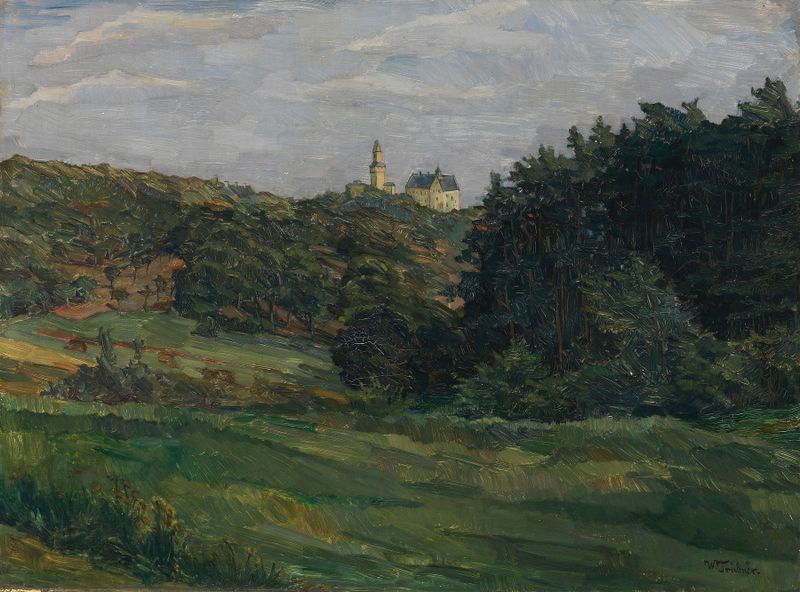
Burg Kronberg im Taunus
Wilhelm Trübner
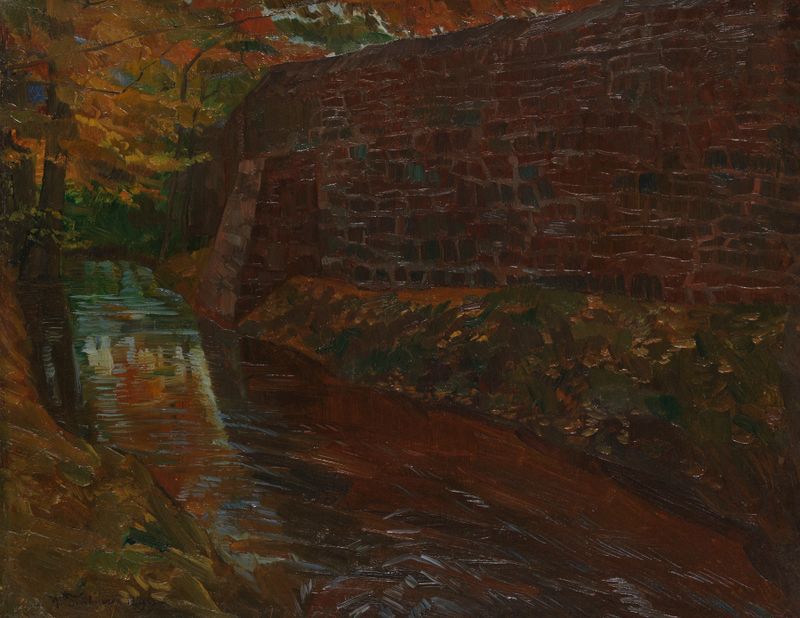
Parkmauer in Amorbach
Wilhelm Trübner

Garten einer Villa am Starnberger See
Wilhelm Trübner

A View of Frauenchiemsee
Wilhelm Trübner
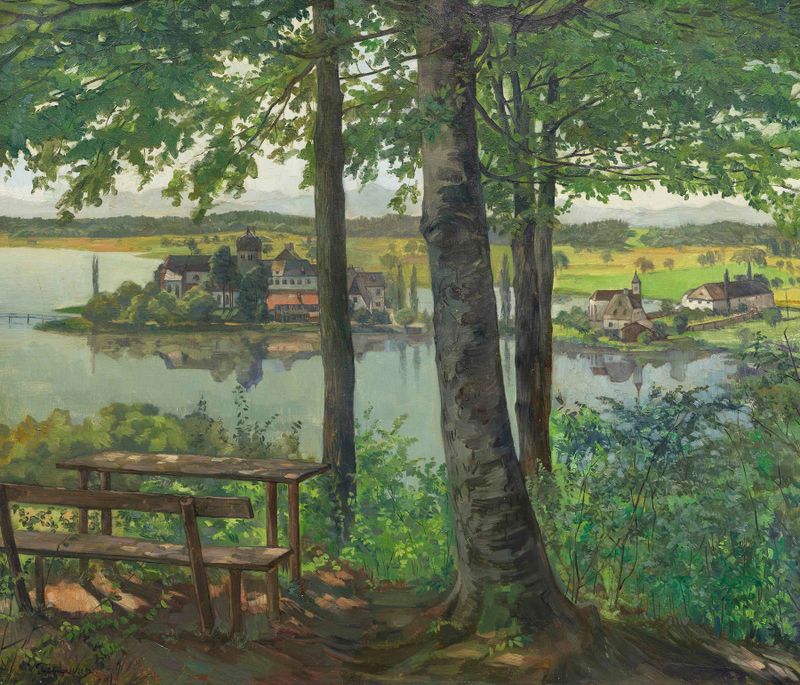
Aussicht auf Kloster Seeon
Wilhelm Trübner
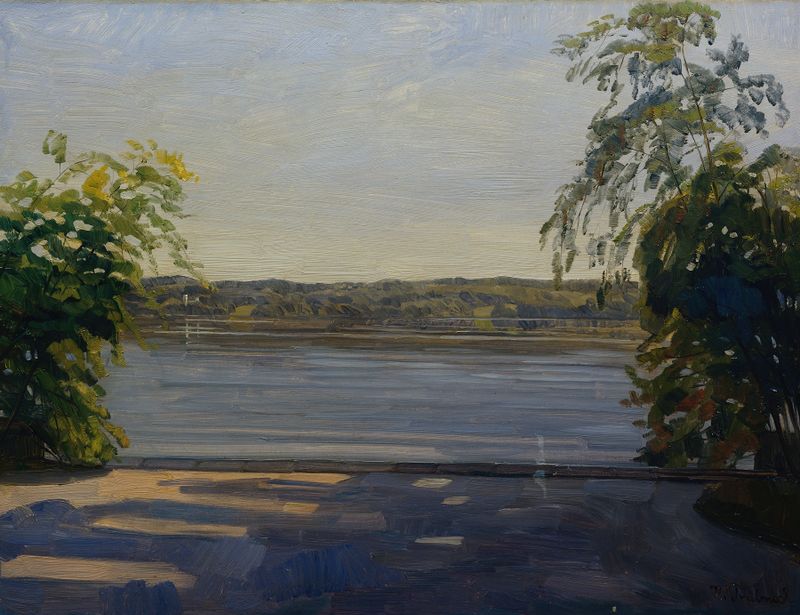
Starnberger See
Wilhelm Trübner
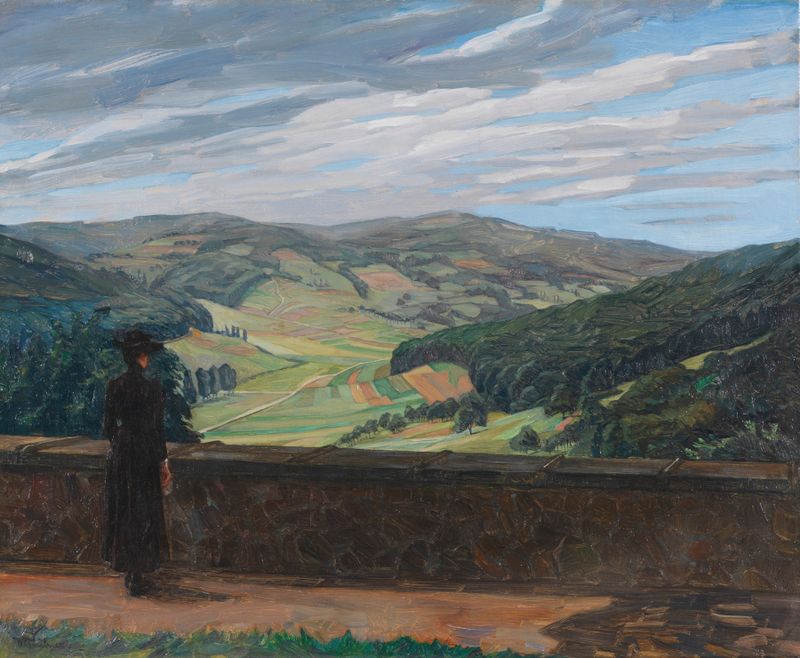
Blick in den Odenwald
Wilhelm Trübner
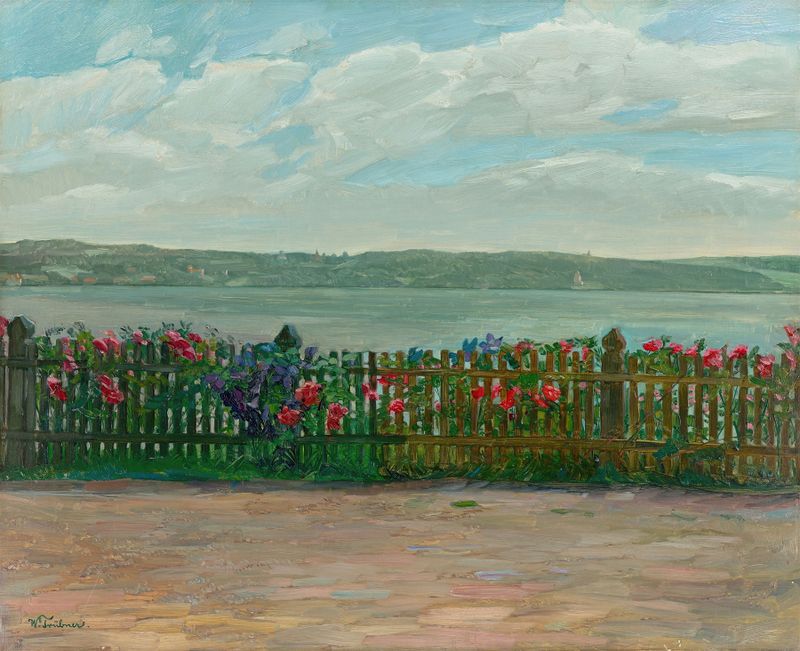
Rose fence with view of the Berg Castle at Lake Starnberg
Wilhelm Trübner
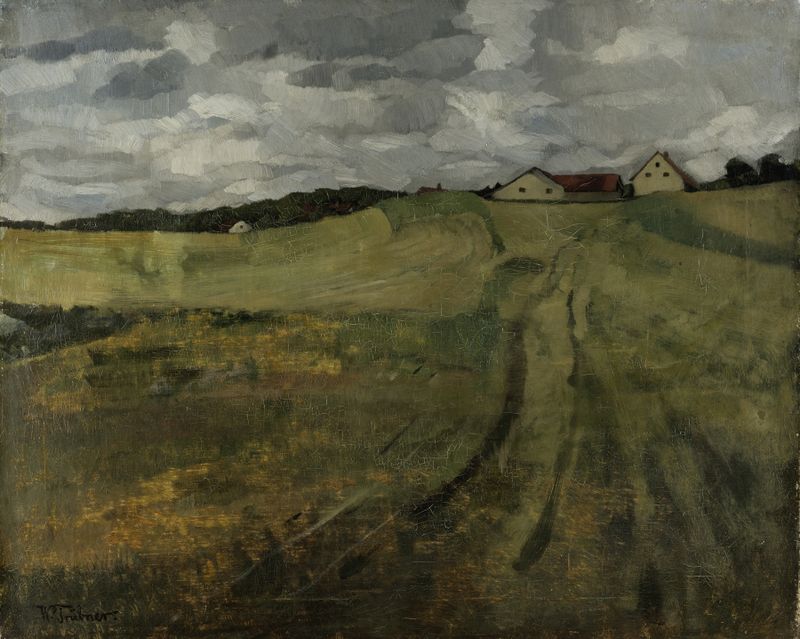
Stubble Field with Ascending Path near Wessling
Wilhelm Trübner
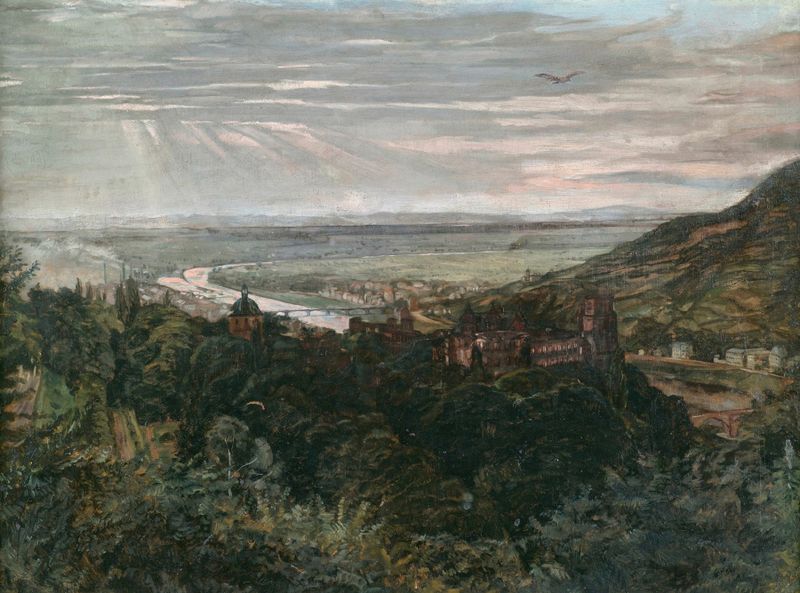
View of Heidelberg
Wilhelm Trübner