
Rudenz — History & Facts
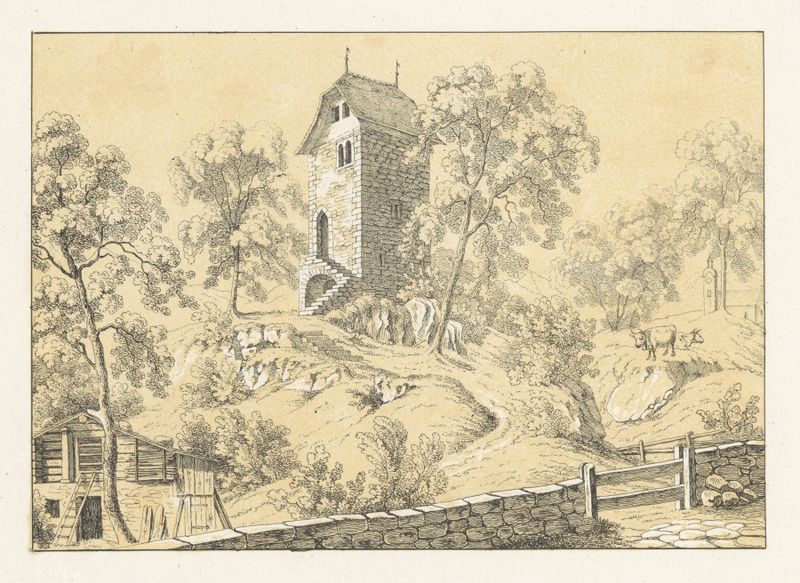
Could a single brushstroke hold eternity? In the quiet depths of Rudenz, the answer seems to linger, inviting contemplation of the infinite through the finite medium of paint. Look to the left at the figure, cloaked in shadows yet illuminated by a faint, ethereal glow. The delicate interplay of light and dark creates a sense of depth, drawing your eye to the figure's pensive expression. Notice how the colors shift from muted earth tones to vibrant hues, suggesting both turmoil and transcendence.
The artist's meticulous technique allows each stroke to resonate with emotion, as if the canvas breathes along with the subject, inviting a dialogue between viewer and artwork. Delve deeper, and you will find layers of meaning hidden within the composition. The tension between the figure's serene profile and the tumultuous background hints at an internal struggle, a yearning for escape or enlightenment. The contrast of light and shadow not only emphasizes the figure's solitude but also captures the essence of longing—a theme that echoes through time and speaks to the human condition.
Each detail, from the folds of fabric to the landscape beyond, serves as metaphors for the journey toward self-discovery and enlightenment. During the years 1840 to 1844, Johann Friedrich Wagner was immersed in the Romantic movement, a period marked by an exploration of emotion and individuality in art. Living in Germany, he navigated the tension between tradition and innovation, seeking to capture the essence of the human spirit. This particular work reflects the broader artistic landscape of his time, where the quest for transcendence through art was becoming increasingly vital.
More Artworks by Johann Friedrich Wagner
Browse all →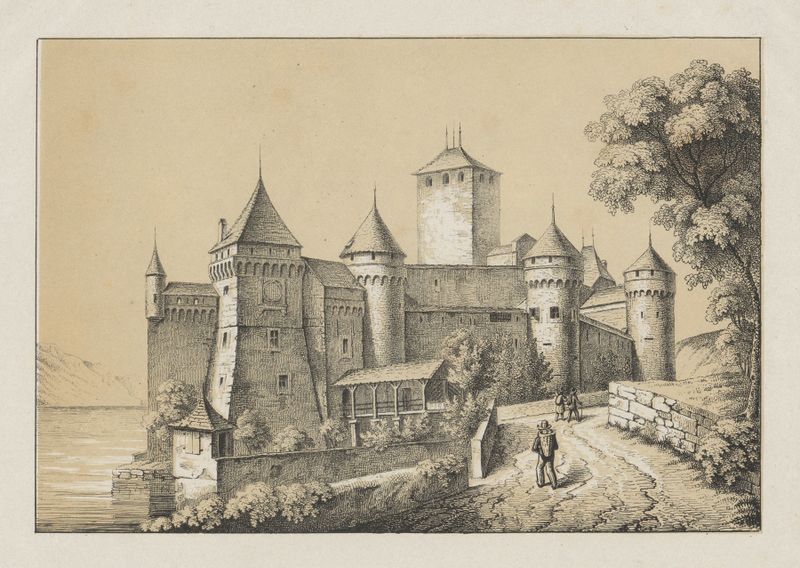
Chillon
Johann Friedrich Wagner

Valangin
Johann Friedrich Wagner
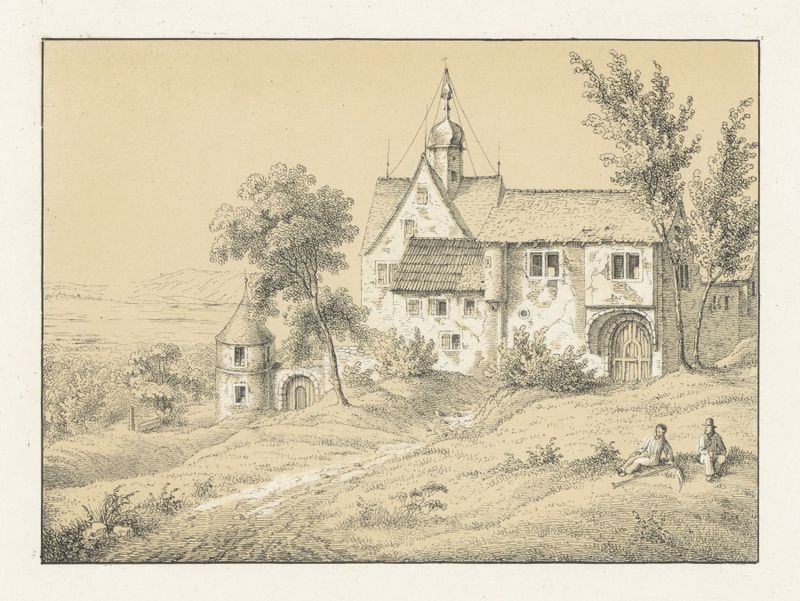
Greifenstein
Johann Friedrich Wagner

Vorburg
Johann Friedrich Wagner
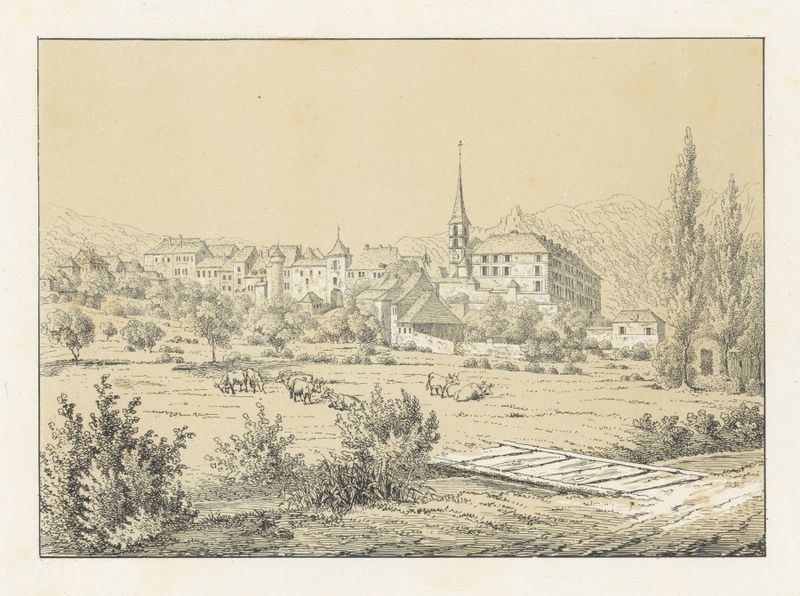
Delémont
Johann Friedrich Wagner

Pleujouse
Johann Friedrich Wagner

Challay
Johann Friedrich Wagner
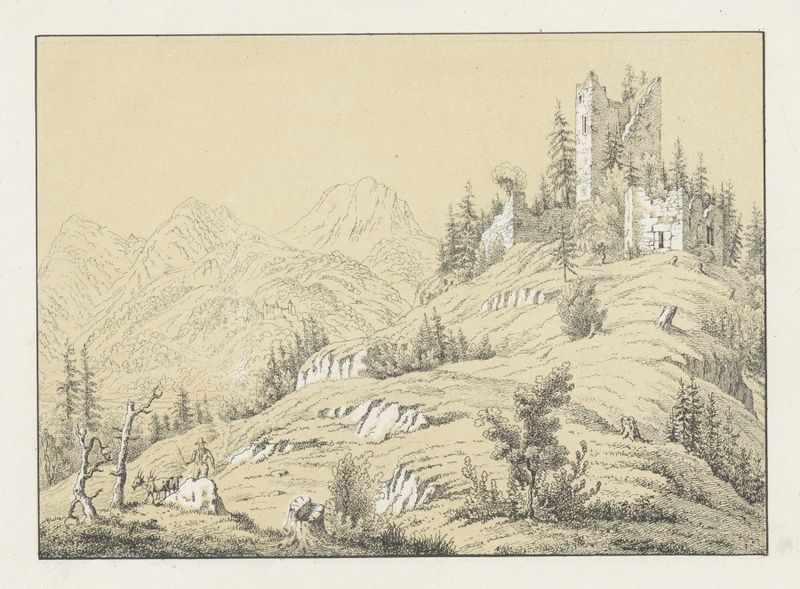
Mont Salvant
Johann Friedrich Wagner
Aha. Od. Untere Burg von Sarnen
Johann Friedrich Wagner
Lausanne
Johann Friedrich Wagner





