
Rue sous la neige — History & Facts
Could a single brushstroke hold eternity? In Rue sous la neige, the canvas breathes with the weight of winter's stillness, evoking feelings of both isolation and quiet beauty. Look to the lower left, where the soft, powdery snow blankets the cobblestone street, each subtle stroke capturing the soft hush of a world covered in white. Notice how light dances across the surface, reflecting off the snow and illuminating the warm hues of the buildings with a gentle glow. The composition leads your eye along the winding street, inviting you to traverse this tranquil landscape, while the muted palette of blues and earth tones creates a serene yet somber mood. Within this seemingly peaceful scene lies a tension between warmth and cold, presence and absence.
The fragile traces of human life are suggested by the faded footprints and the ghostly outlines of figures, evoking a sense of longing for connection amidst the vastness of solitude. The interplay of light and shadow further enhances this feeling, as if suggesting that even in moments of stillness, life pulses beneath the surface, yearning to break through. In 1898, Bonnard was living in Paris, a city bustling with artistic innovation and the rise of modernism. As part of the Nabis group, he sought to capture emotional truths rather than merely visual representations.
The artist's focus during this period was on color and composition, seeking transcendence through everyday scenes, which ultimately set the foundation for the intimate and evocative qualities that define his work today.
More Artworks by Pierre Bonnard
Browse all →
Les deux fiacres (Boulevard des Batignolles)
Pierre Bonnard

Le Balcon Et L’ombrelle
Pierre Bonnard

Paysage de Vernon
Pierre Bonnard

Place Pigalle at Night
Pierre Bonnard
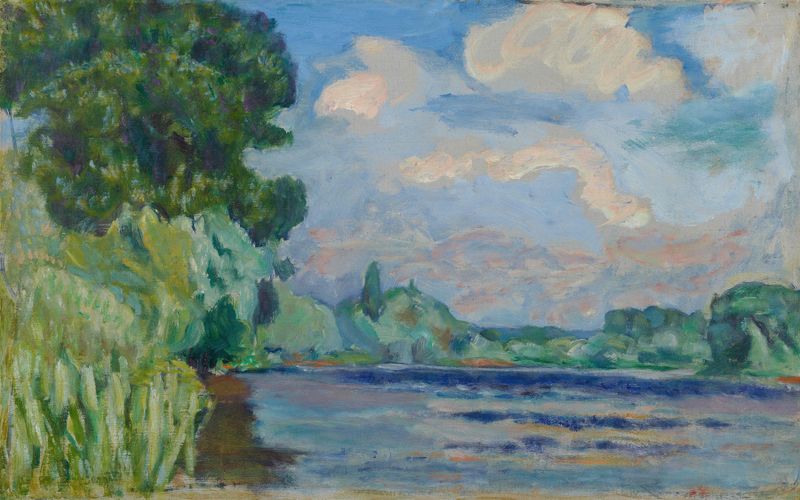
La Seine à Vernon
Pierre Bonnard

Les Toits
Pierre Bonnard
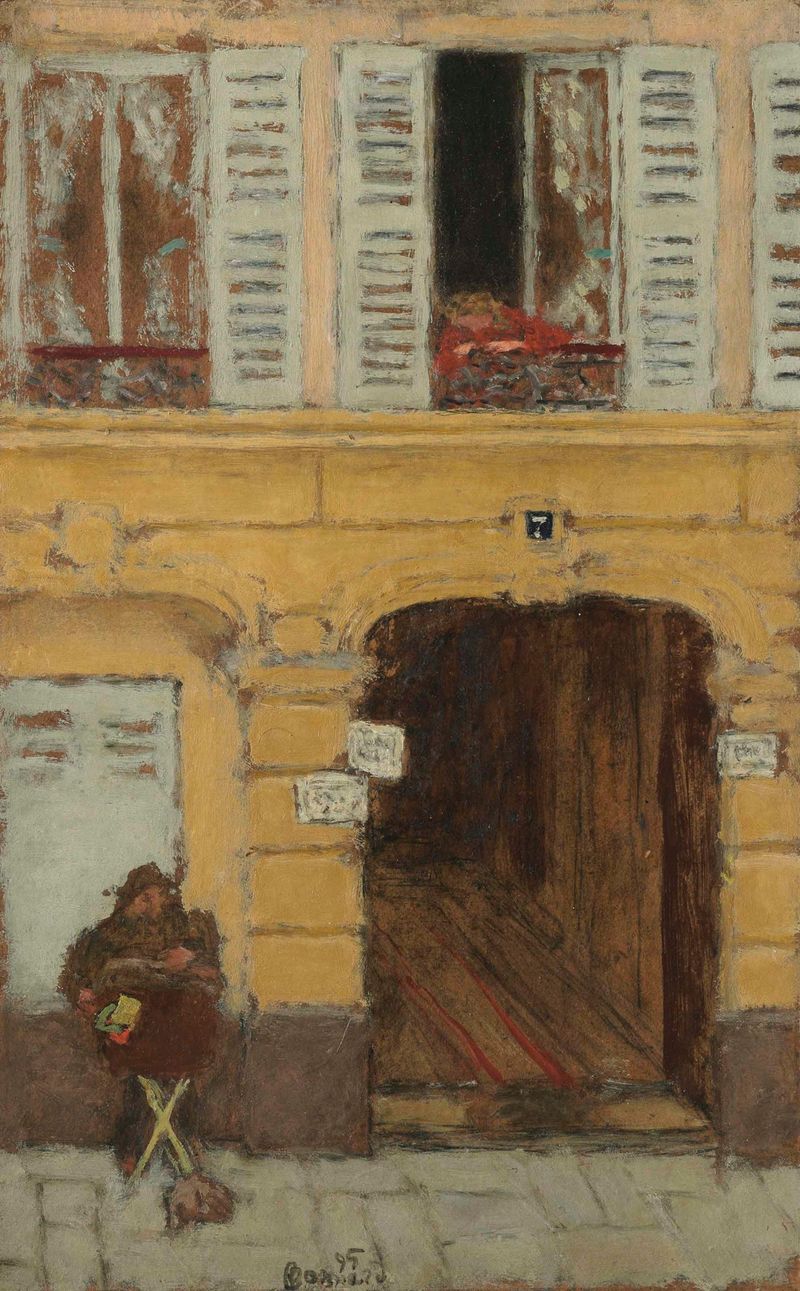
L’orgue de Barbarie ou Le joueur d’orgue
Pierre Bonnard

Paysage de Saint-Tropez
Pierre Bonnard

Soleil Couchant
Pierre Bonnard
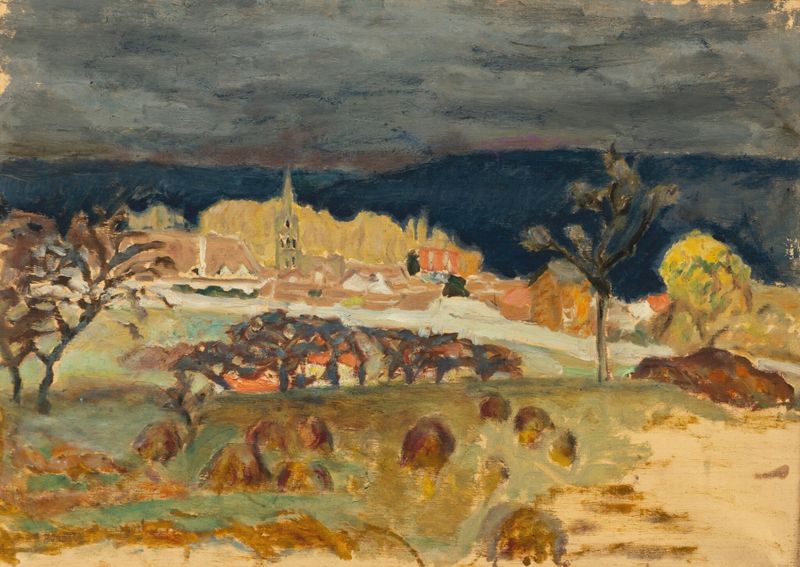
Village, ciel d’orage
Pierre Bonnard





