
Ruines à Grandcamp — History & Facts
When Georges Seurat painted Ruines à Grandcamp in 1885, he was in the midst of developing the revolutionary technique that would become known as pointillism. This painting is one of the earliest landscapes where Seurat experimented with dividing color into tiny dots, a method that would later define his most famous work, A Sunday Afternoon on the Island of La Grande Jatte. Unlike his monumental scenes of Parisian leisure, here Seurat turned his attention to the quiet coast of Normandy, capturing a sense of stillness and history in the crumbling ruins near Grandcamp.
The exact identity of the ruins has been debated, but their presence signals a fascination with the passage of time—a theme echoed in the newness of his technique. The scene Seurat chose is one of gentle decay: battered stone walls stand against a pale sky, their forms softened by the artist’s meticulous dabs of color. The ruins, possibly remnants of a medieval structure, loom over a sunlit patch of grass, while the distant sea glimmers in the background. Seurat’s careful placement of color dots creates a shimmering effect, making the old stones seem to vibrate with light and air.
This approach to landscape stands in contrast to the expressive brushwork of Claude Monet’s Normandy seascapes; where Monet’s hand is visible in every stroke, Seurat’s methodical touch invites the viewer to see the world as a mosaic of color and light. The painting’s quiet mood suggests a meditation on endurance and impermanence. Little is known about the early history of Ruines à Grandcamp as a physical object. Unlike some of Seurat’s more celebrated canvases, it was not commissioned and likely remained in the artist’s studio during his short lifetime.
After Seurat’s death in 1891, many of his works were dispersed among friends, family, and early collectors of the Neo-Impressionist movement. Today, Ruines à Grandcamp is recognized as a key step in Seurat’s journey toward his mature style, bridging the gap between Impressionism and the radical experiments that would shape modern art. Its presence in museum collections offers a rare glimpse into the artist’s process at a moment of intense innovation.
More Artworks by Georges Seurat
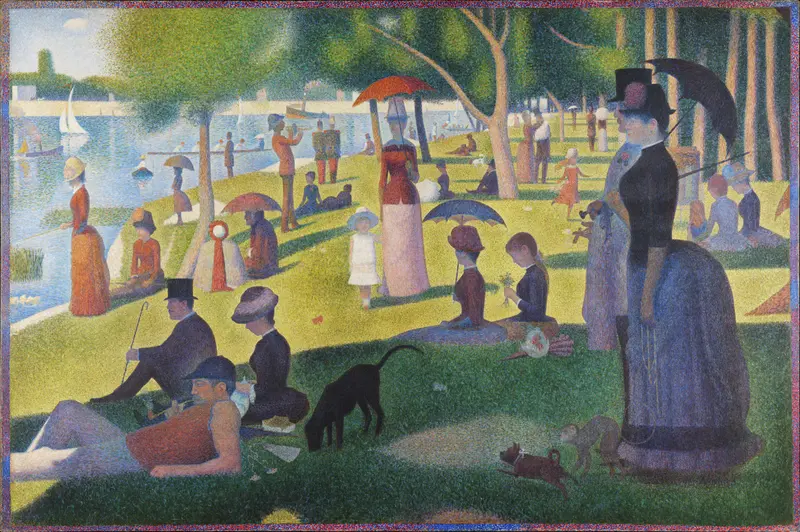
A Sunday Afternoon on the Island of La Grande Jatte
Georges Seurat
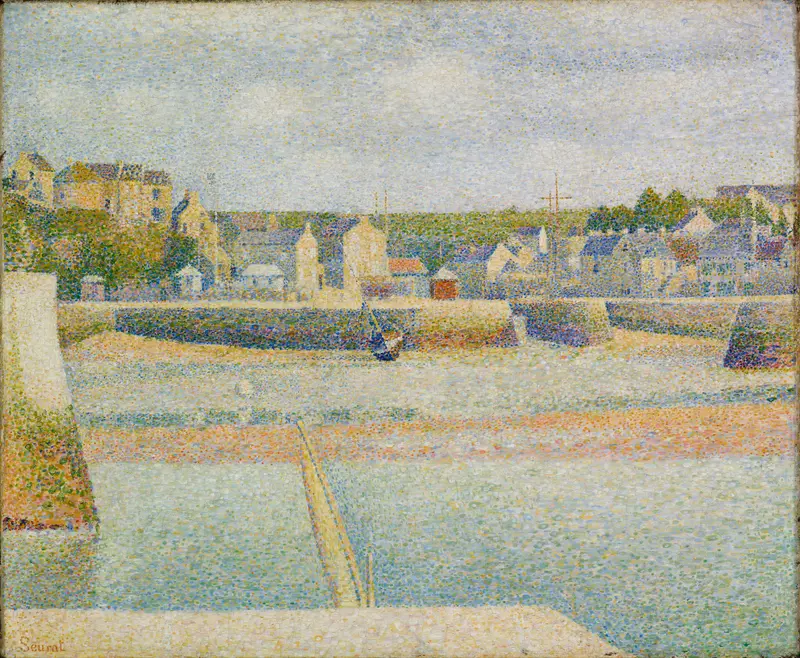
Port-en-Bessin, The Outer Harbor (Low Tide)
Georges Seurat
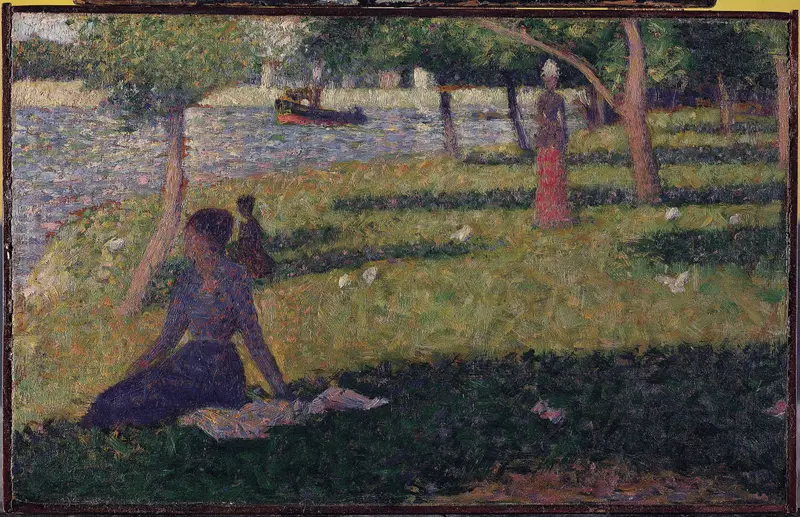
Étude pour ‘La Grande Jatte’ (Study for ‘La Grande Jatte’)
Georges Seurat
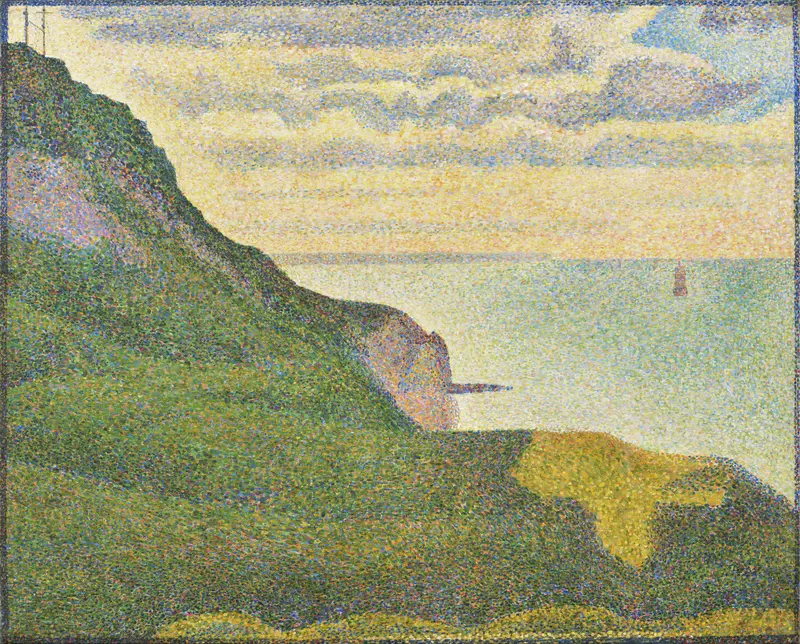
Seascape at Port-en-Bessin,Normandy
Georges Seurat
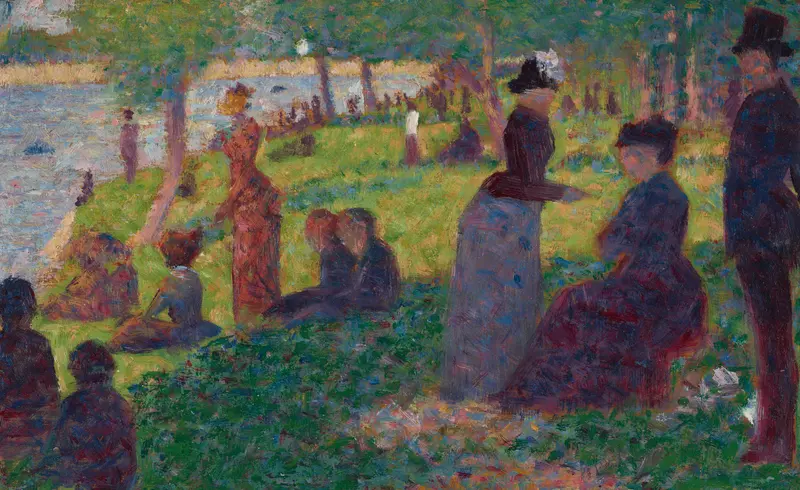
Oil Sketch for "A Sunday on La Grande Jatte — 1884"
Georges Seurat
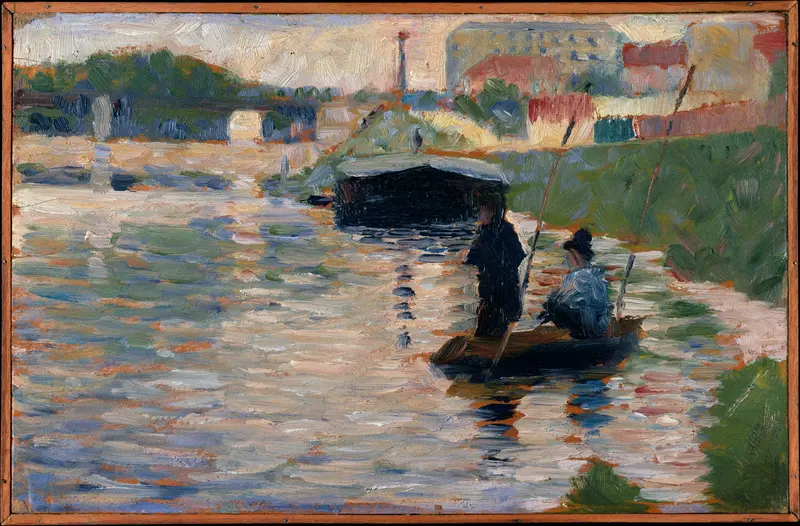
View of the Seine
Georges Seurat
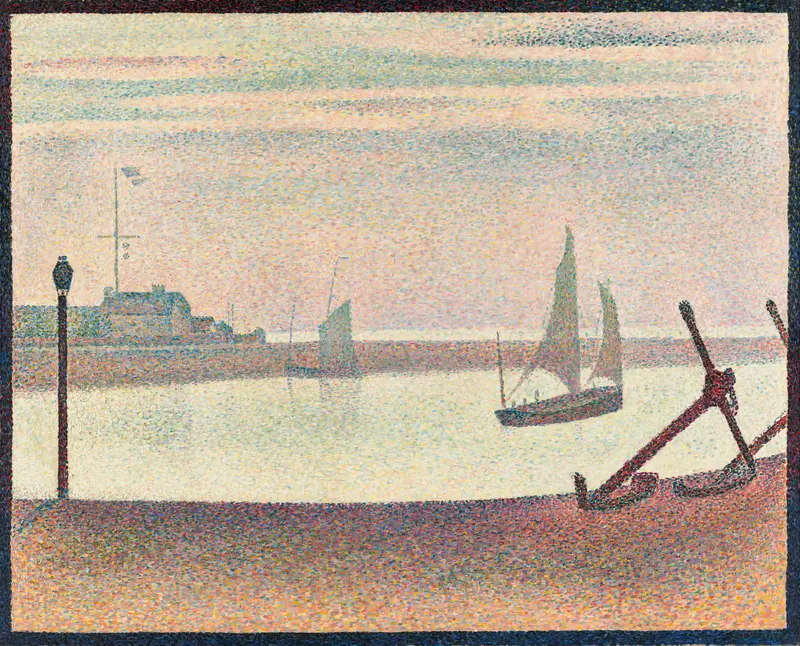
The Channel at Gravelines, Evening
Georges Seurat
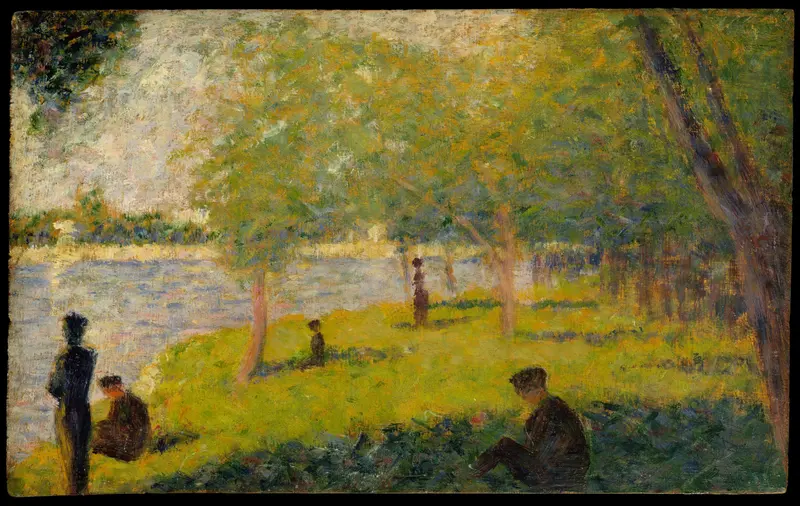
Study for ‘A Sunday on La Grande Jatte’
Georges Seurat
Study for A Sunday on La Grande Jatte
Georges Seurat
The Channel of Gravelines, Petit Fort Philippe
Georges Seurat
More Landscape Art

The Starry Night
Vincent van Gogh

View of Delft
Johannes Vermeer

Water Lilies
Claude Monet

The Grand Canal, Venice, looking north-west from the Ca' Corner to the Ca' Contarini degli Scrigni, with the campanile of Santa Maria della Carità
Canaletto

Windsor Castle
Canaletto

The Grand Canal looking North-East from the Palazzo Dolfin-Manin to the Rialto Bridge
Canaletto