
Saint Dorothy — History & Facts
Few saints are as closely tied to a single, enduring symbol as Saint Dorothy, whose association with roses and fruit in midwinter gave rise to a host of paintings across Europe. In Saint Dorothy, completed by Artemisia Gentileschi around 1700, the artist returns to a subject that had fascinated painters since the Counter-Reformation, when the Church sought to inspire faith through the miraculous. The story’s popularity is evident in the many versions painted by artists from Sebastiano del Piombo to Francesco Zucchi, but it is Gentileschi’s late interpretation that stands out for its intimate focus and psychological depth. At the heart of the legend is Dorothy of Caesarea, a young Christian woman condemned to death during the Diocletian persecutions.
As she is led to execution, a skeptical lawyer named Theophilus mocks her faith, asking her to send him fruit from the gardens of Paradise. In Gentileschi’s painting, the moment is frozen just as Dorothy receives a basket of roses and apples from a mysterious child—an angel in disguise—her gaze lifted in serene acceptance. The basket itself, overflowing with out-of-season fruit, becomes a sign of divine favor, while the gentle light on Dorothy’s face recalls the tender realism of Caravaggio, yet with a softness and dignity uniquely Gentileschi’s.
The saint’s calm, almost private smile contrasts with the more dramatic, martyrdom-focused depictions by other artists, emphasizing her inner conviction rather than her suffering. The precise origins of this painting remain uncertain, as records of its commission or early ownership have not survived. However, by 1700, Artemisia Gentileschi was an established figure in the Roman and Neapolitan art worlds, known for her powerful portrayals of female saints and heroines. Saint Dorothy reflects both the devotional tastes of late Baroque patrons and the artist’s mature style, marked by clarity and restraint.
While the medium is not documented, the work’s careful modeling and luminous color suggest oil on canvas, a favorite of Gentileschi in her later years. Today, the painting stands as a testament to her enduring fascination with stories of female courage and faith, and to the ways in which old legends found new life in the hands of a great painter.
More Artworks by Artemisia Gentileschi

Judith Beheading Holofernes
Artemisia Gentileschi
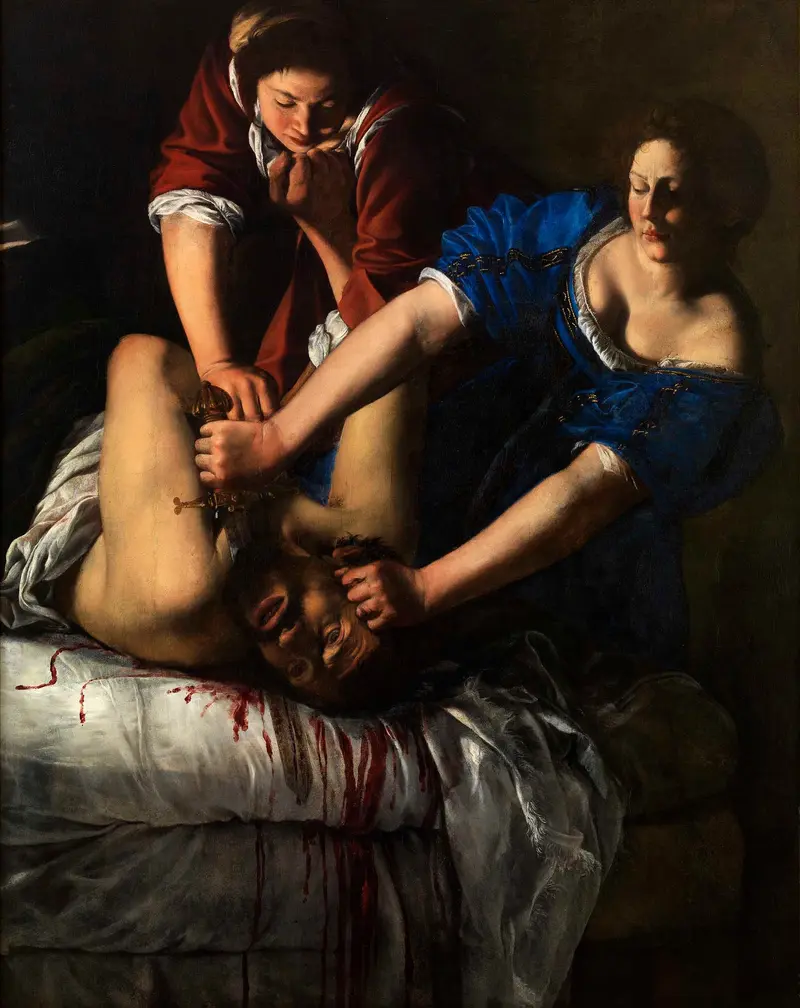
Judith Slaying Holofernes
Artemisia Gentileschi
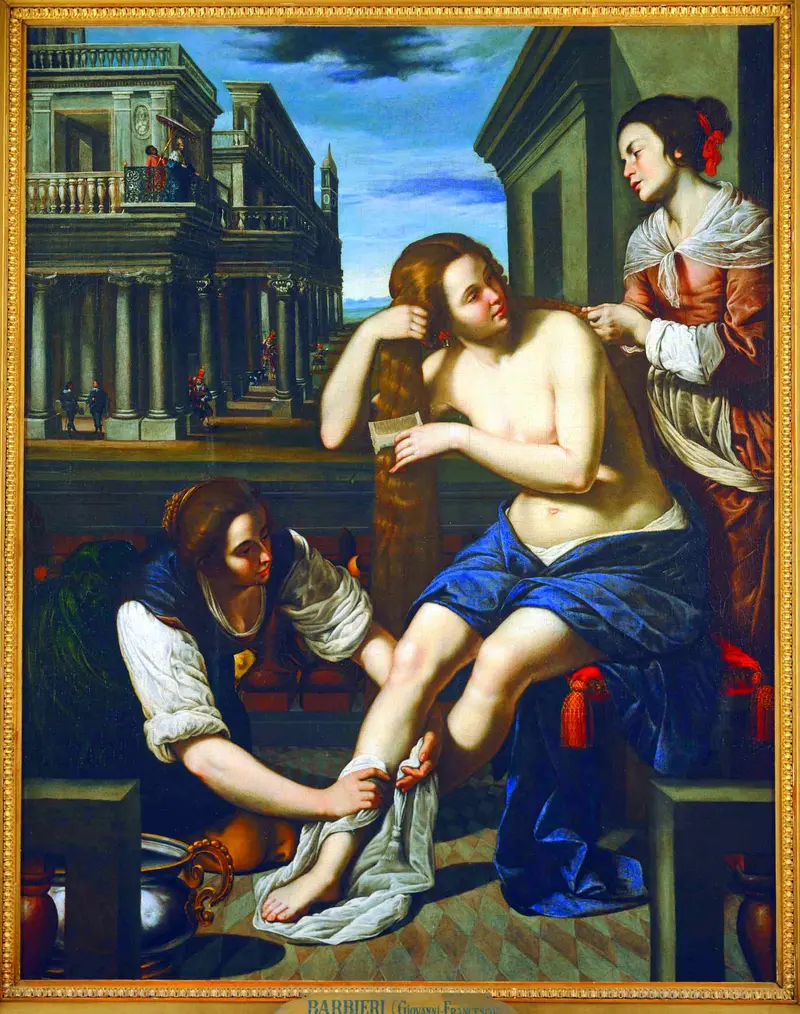
Bathsheba at Her Bath
Artemisia Gentileschi
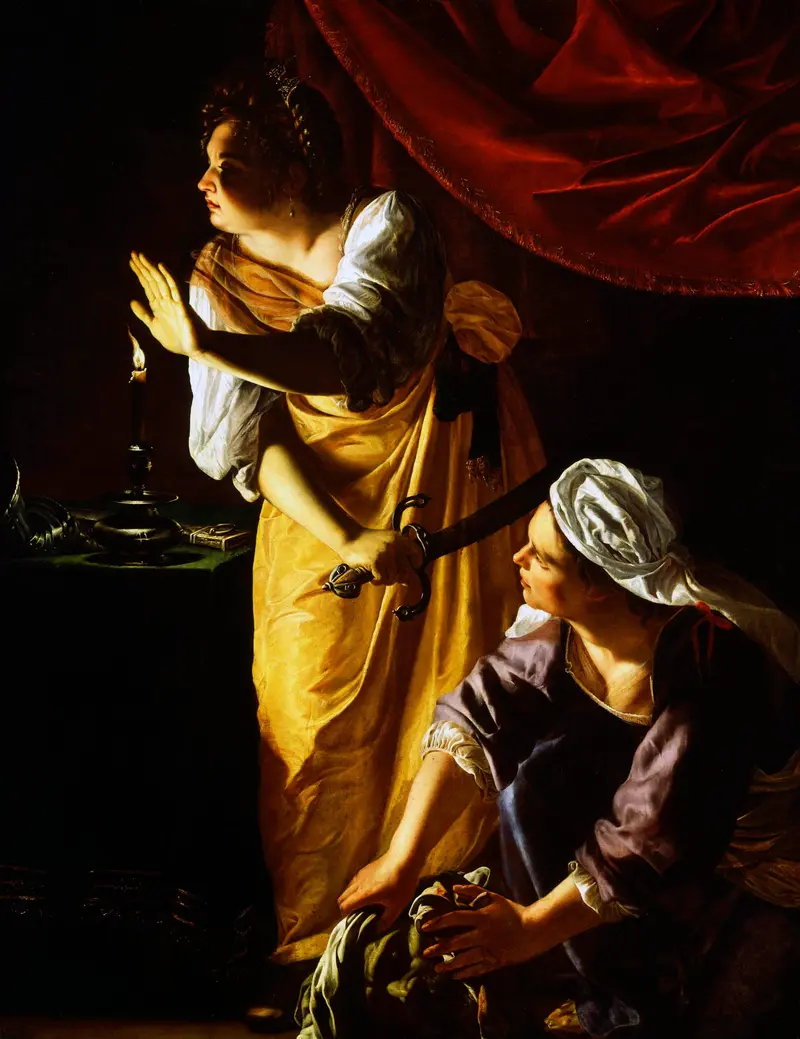
Judith and Maidservant with Head of Holofernes
Artemisia Gentileschi
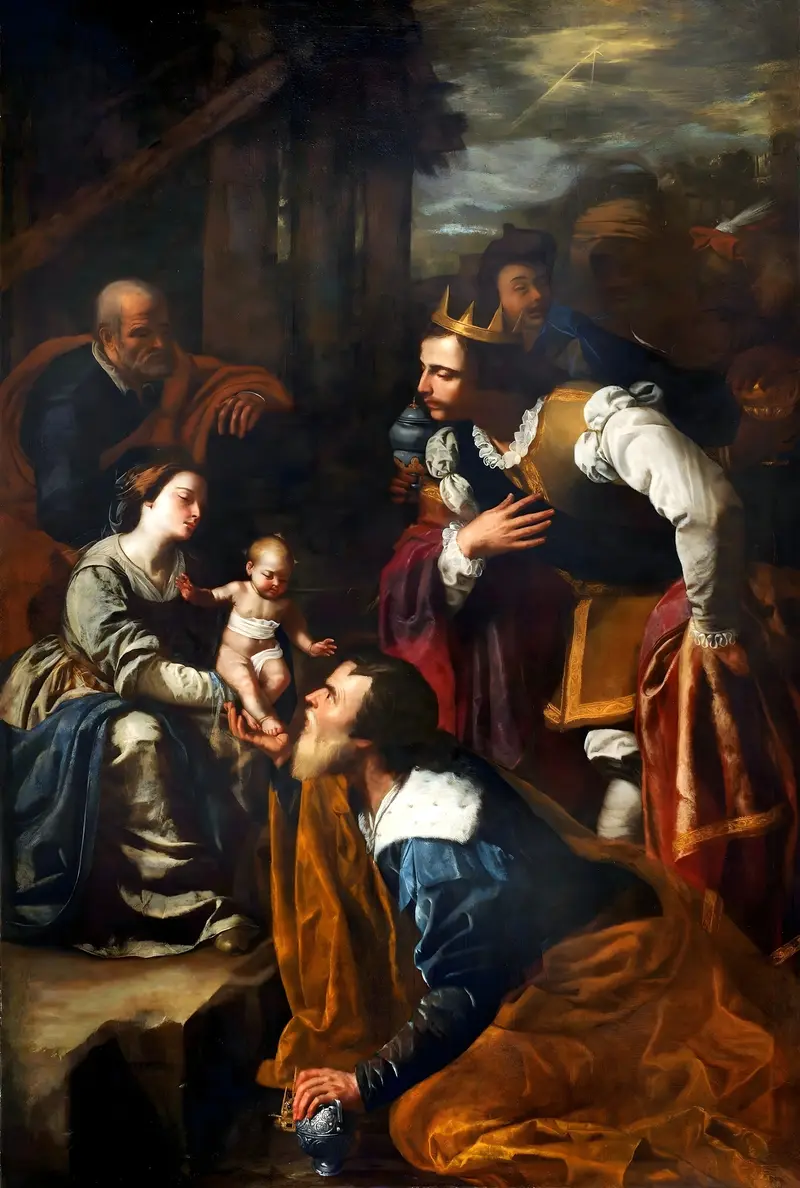
Adoration of the Magi
Artemisia Gentileschi
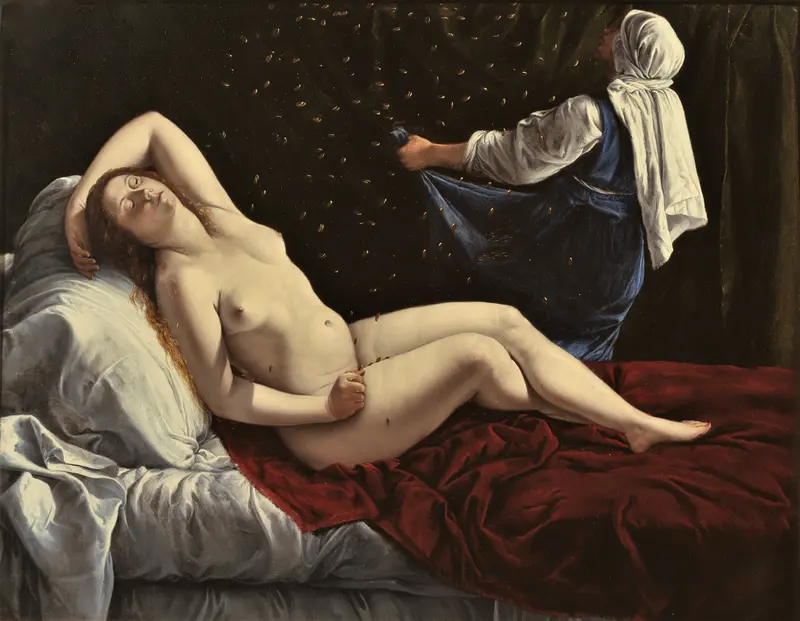
Danaë
Artemisia Gentileschi
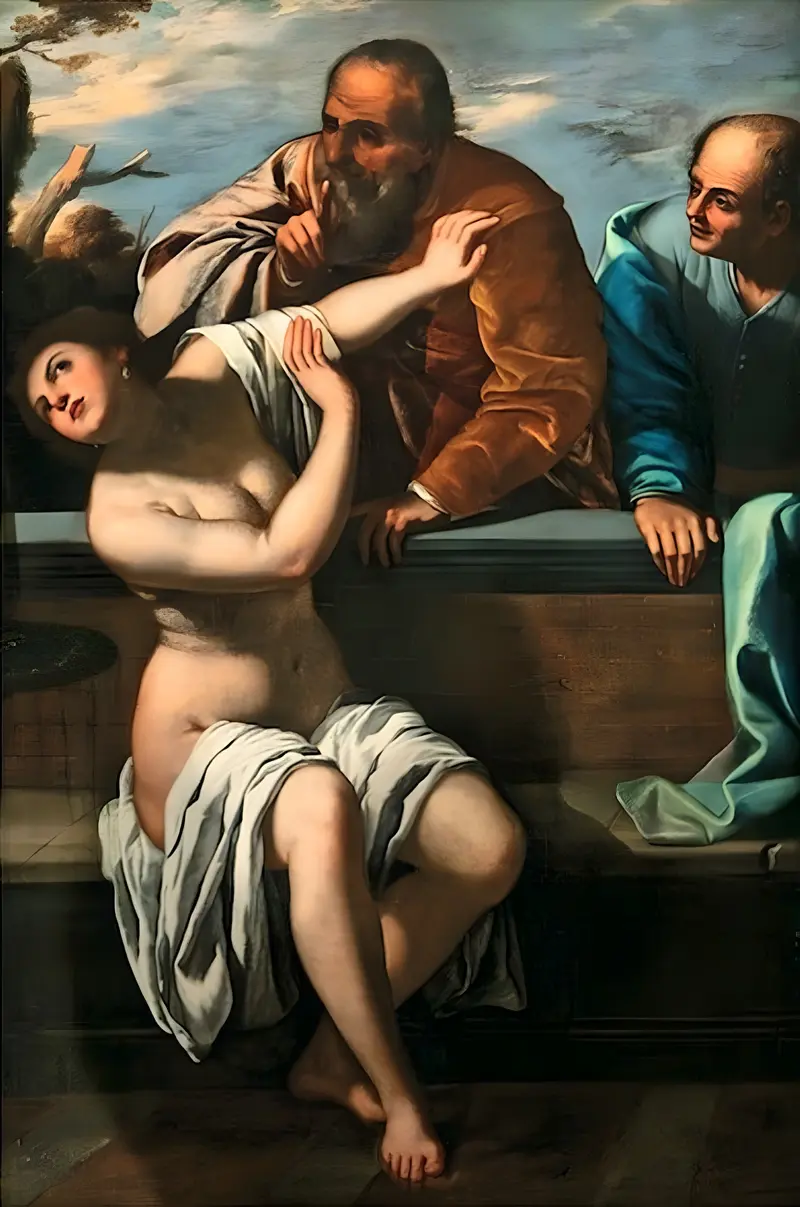
Susannah and the Elders
Artemisia Gentileschi

Judith and her Servant with the Head of Holofernes
Artemisia Gentileschi
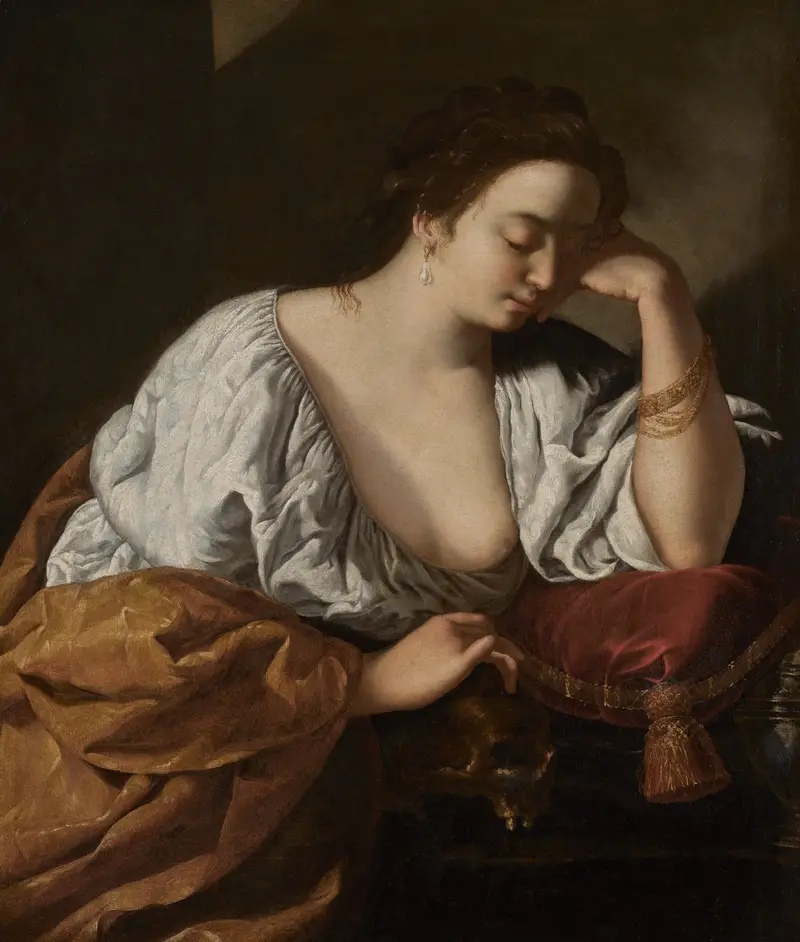
Madeleine pénitente, par
Artemisia Gentileschi
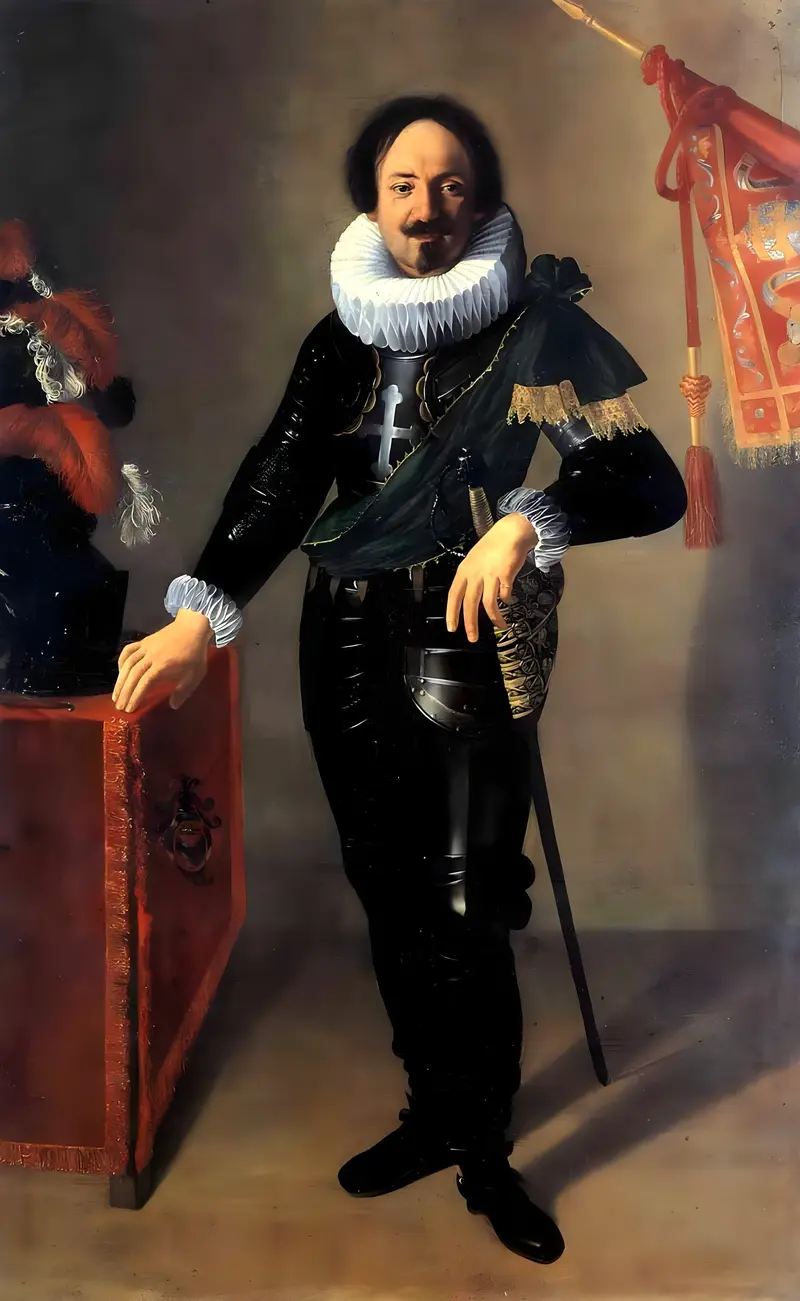
Portrait of a Gonfaloniere
Artemisia Gentileschi





