
Saint Jerome — History & Facts
What draws the eye first in Saint Jerome by Antonio da Correggio is the intense, silent conversation between the aged saint and the skull resting on his book. The saint’s elbow props up his head in a gesture of deep contemplation, his gaze fixed on the hollow eyes of the skull—a stark memento mori. Light pours across his bare shoulder and bald head, illuminating the textures of flesh and beard while leaving the background in shadow, so that the world seems to fall away and only this meditation remains.
The book beneath the skull is no idle detail: it signals Jerome’s identity as a scholar and translator, but here it is closed, as if the answer he seeks cannot be found in words. The palette is warm but somber, the red drapery at the bottom a final reminder of blood and sacrifice. Painted between 1515 and 1518, this work belongs to a moment when images of saints in solitude were prized for private devotion, especially among learned patrons who saw themselves reflected in the figure of Jerome—scholar, hermit, and one of the great Fathers of the Catholic Church. Artists of the High Renaissance, Correggio among them, were exploring new ways to render flesh and thought, light and shadow, making the spiritual visible through the body’s quiet drama.
History has kept few traces of this particular painting’s early life, but its survival allows us to witness the Renaissance fascination with mortality and wisdom. Stand before it and see how the saint’s stillness invites your own reflection.
More Artworks by Antonio da Correggio

Virgin and Child with the Young Saint John the Baptist
Antonio da Correggio
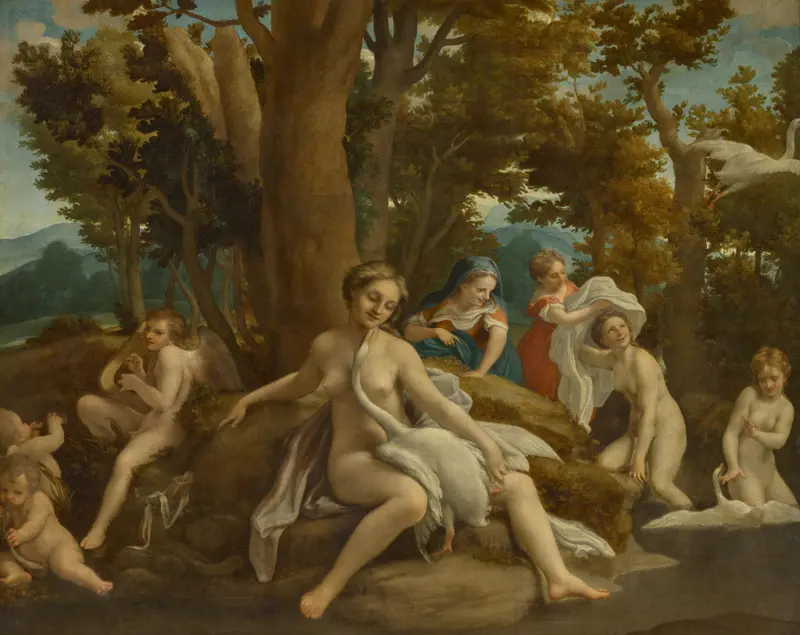
Leda and the Swan
Antonio da Correggio
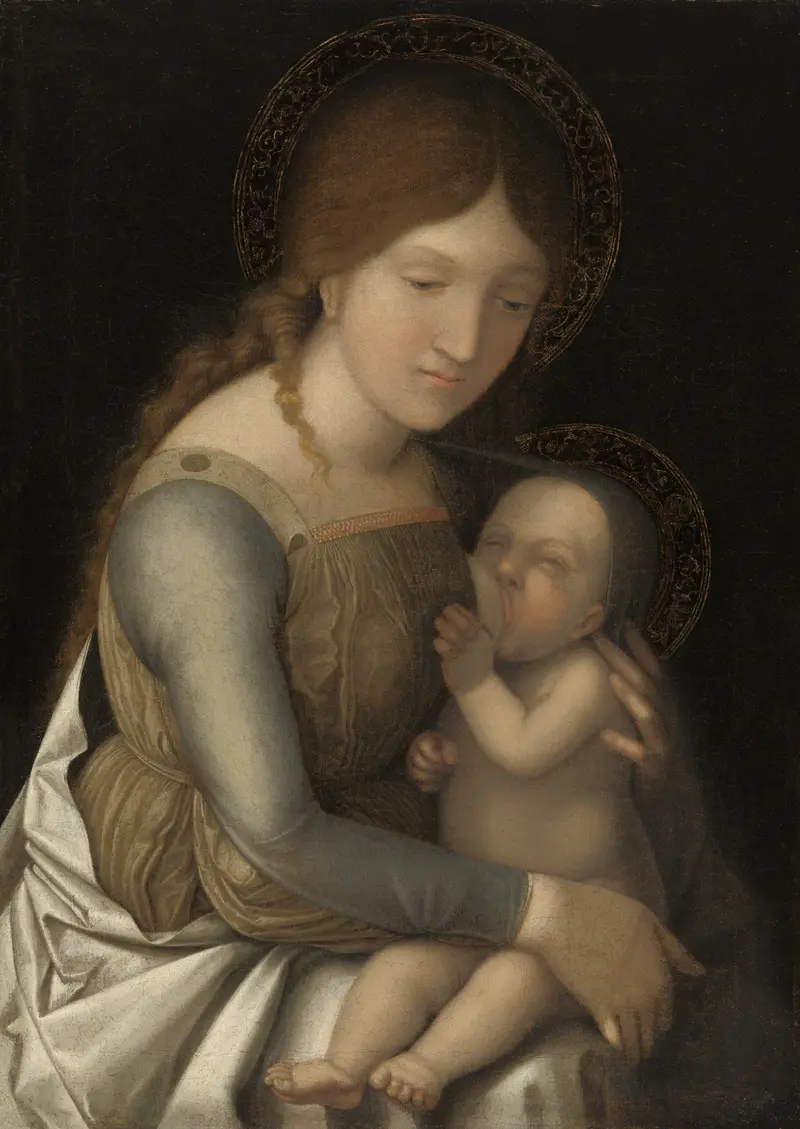
Madonna and Child
Antonio da Correggio
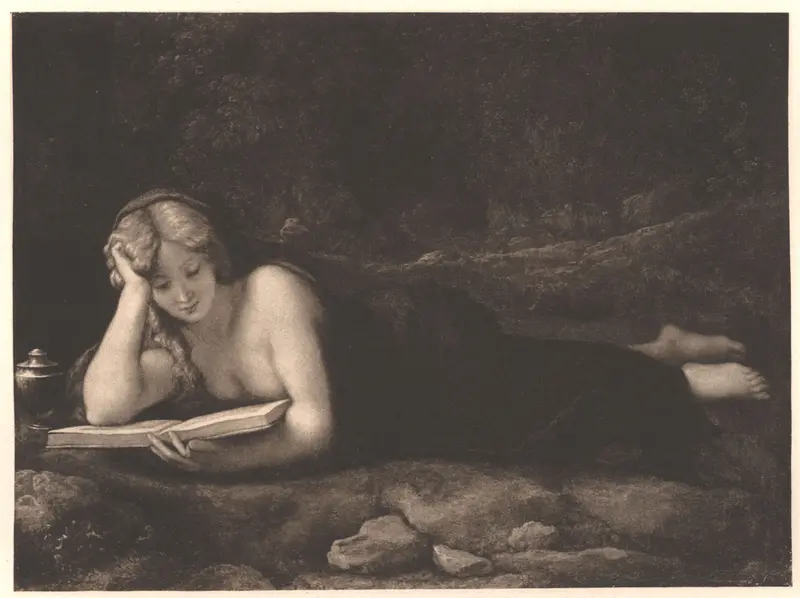
Penitent Magdalene
Antonio da Correggio
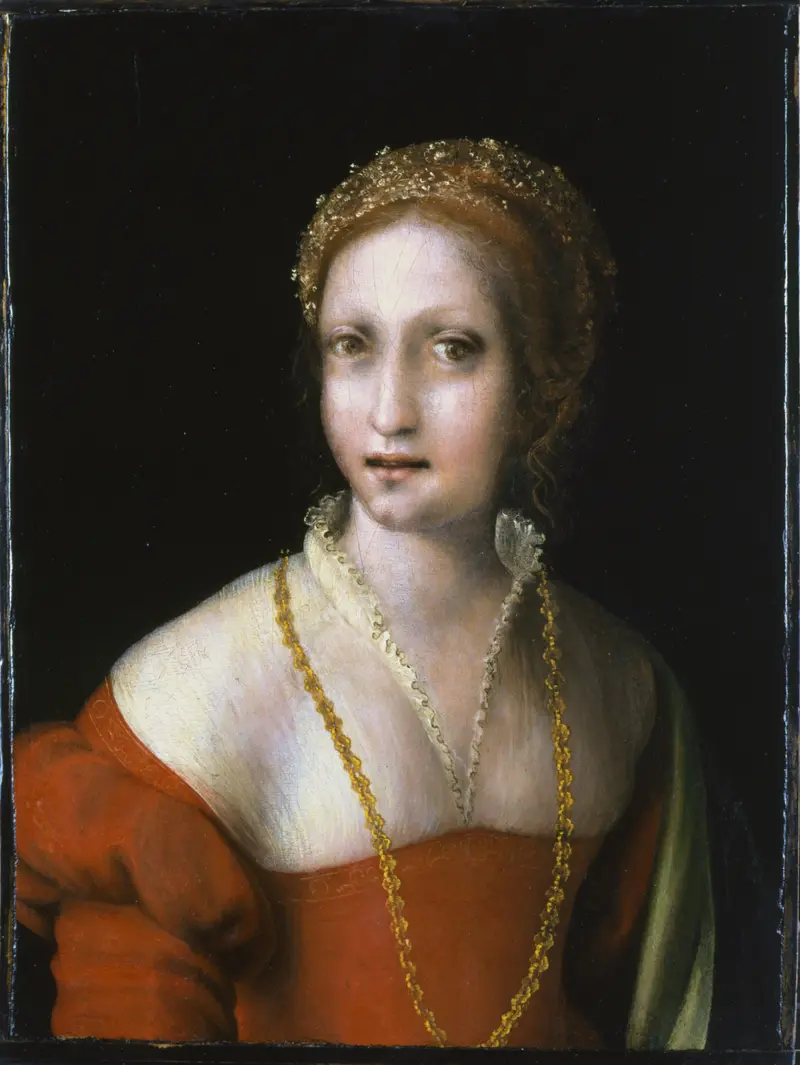
Portrait of a Young Girl
Antonio da Correggio
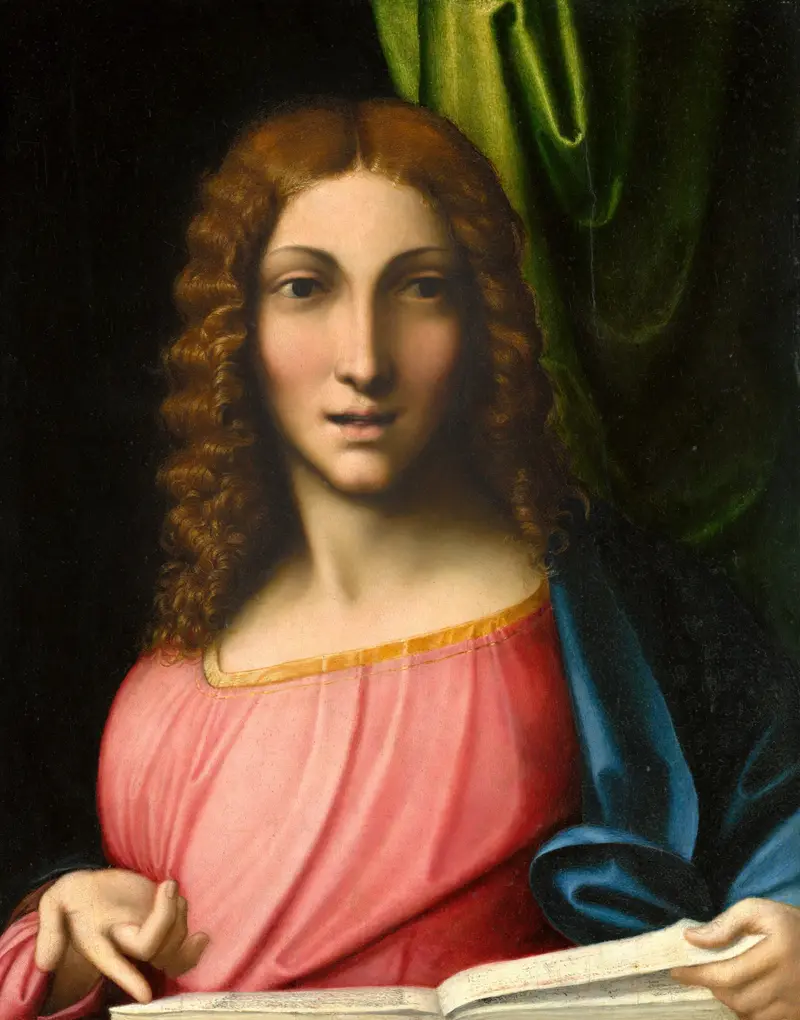
Christ in the Temple
Antonio da Correggio

Nativity
Antonio da Correggio
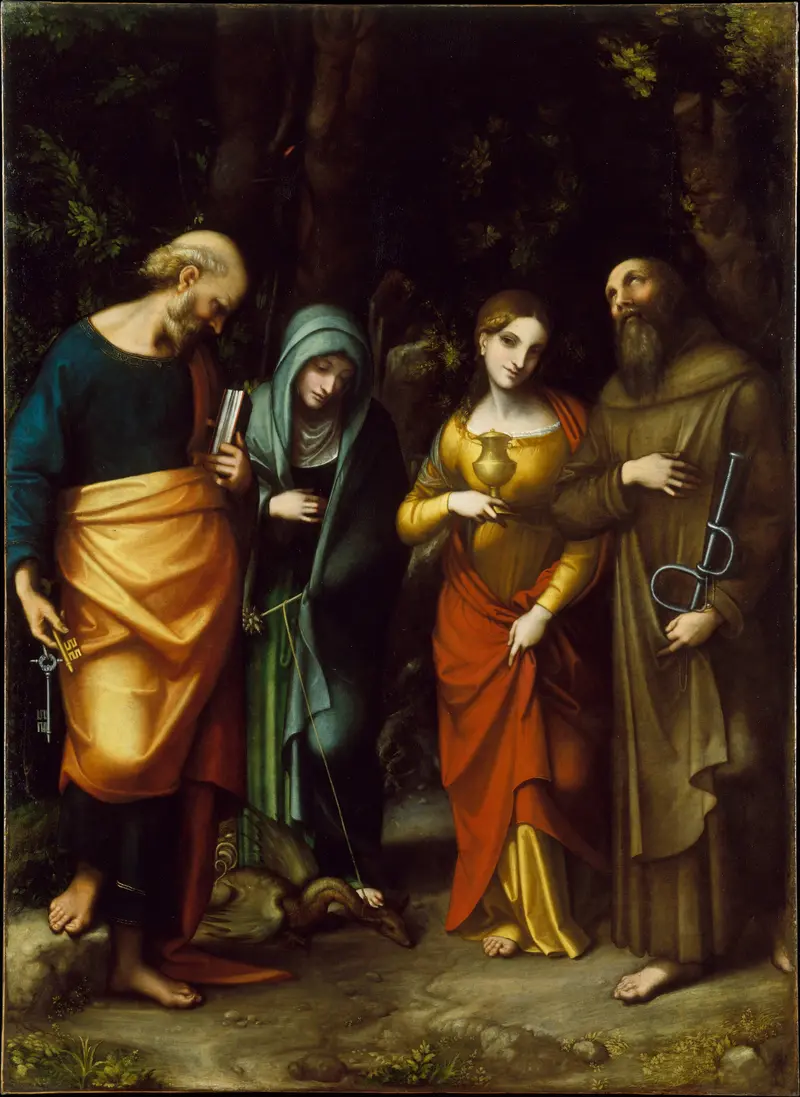
Saints Peter, Martha, Mary Magdalen, and Leonard
Antonio da Correggio
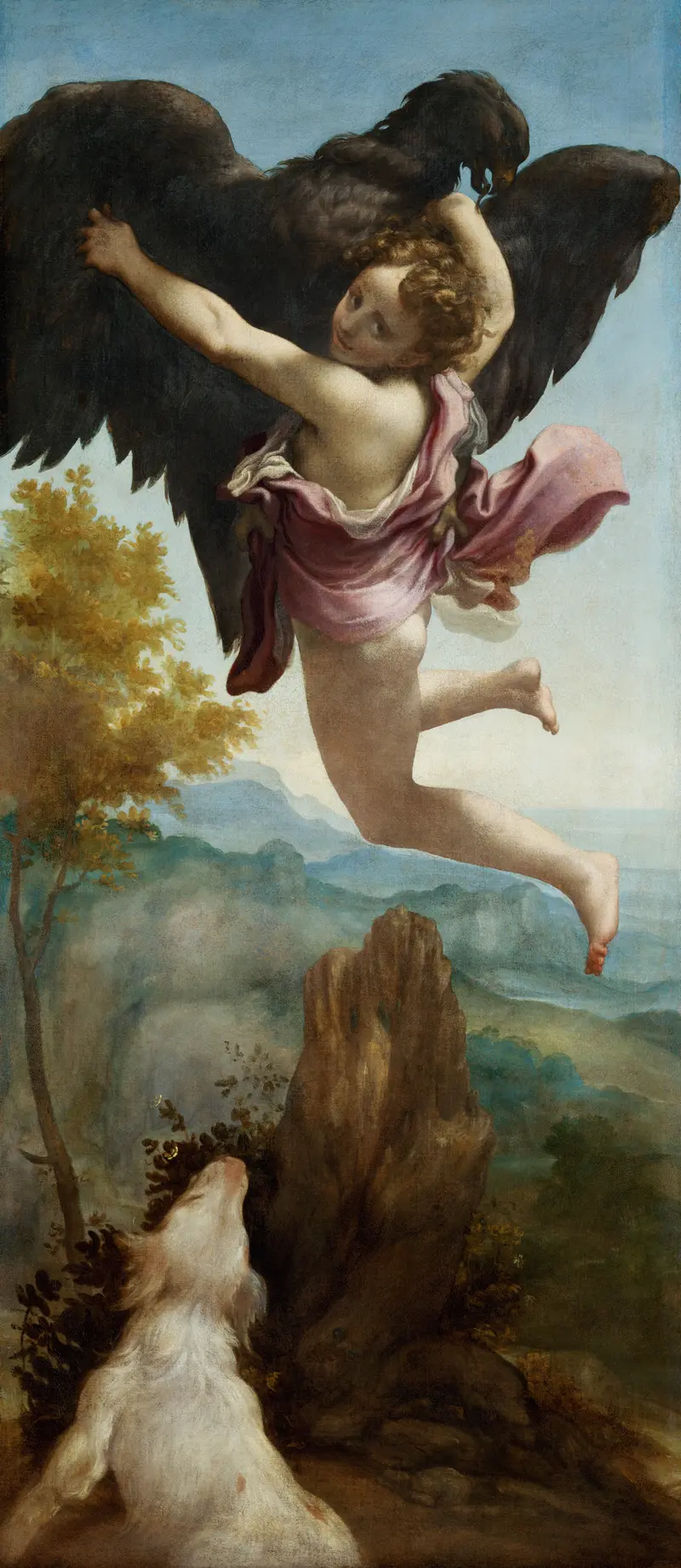
The Loves of Jupiter
Antonio da Correggio

Study for the "Madonna della Scodella" [recto]
Antonio da Correggio





