
Saint Jerome in His Study — History & Facts
No one can say for certain why Jan van Eyck painted Saint Jerome in His Study in 1435, nor for whom. The painting’s authorship and even its medium have been debated for centuries, with some scholars suggesting it may be a later copy after a lost original, or even a work completed by van Eyck’s workshop after his death. Yet its meticulous detail and luminous technique bear the unmistakable touch of van Eyck, whose innovations in oil painting transformed Northern European art.
The work stands as one of the earliest known depictions of Saint Jerome in his study, a subject that would fascinate painters for generations. At the heart of the painting, Saint Jerome is caught in a moment of deep concentration, hunched over a manuscript as sunlight filters through a stained-glass window, illuminating the scholar’s tools: books, an inkwell, and a lion curled at his feet. The cardinal’s red robe and hat reference Jerome’s legendary status as a Doctor of the Church, though he lived centuries before the cardinalate existed. The hourglass and skull on the desk are reminders of mortality and the passage of time, while the gentle light falling across the page suggests divine inspiration.
Compared to Dürer’s later engraving of the same subject, van Eyck’s Jerome is less tormented and more at peace, surrounded by the quiet order of study and faith. The painting’s early history is shrouded in uncertainty, with no surviving records of its original patron or location. Over the centuries, it has been attributed variously to van Eyck, his workshop, and later followers, reflecting the challenges of tracing authorship in the early Northern Renaissance. Today, Saint Jerome in His Study is celebrated as a touchstone of early Netherlandish painting, admired for its psychological depth and technical brilliance.
Its journey from a private devotional object to a museum treasure mirrors the rise of interest in van Eyck as a founding figure of Northern realism, ensuring that the quiet scholar at his desk continues to inspire viewers nearly six centuries later.
More Artworks by Jan van Eyck

Adam
Jan van Eyck
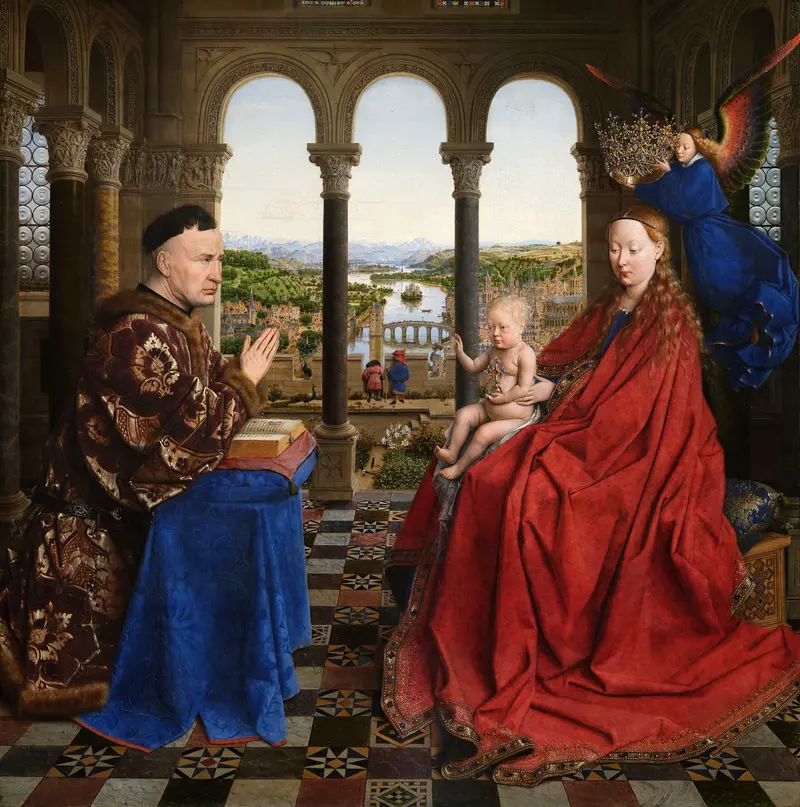
Madonna of Chancellor Rolin
Jan van Eyck
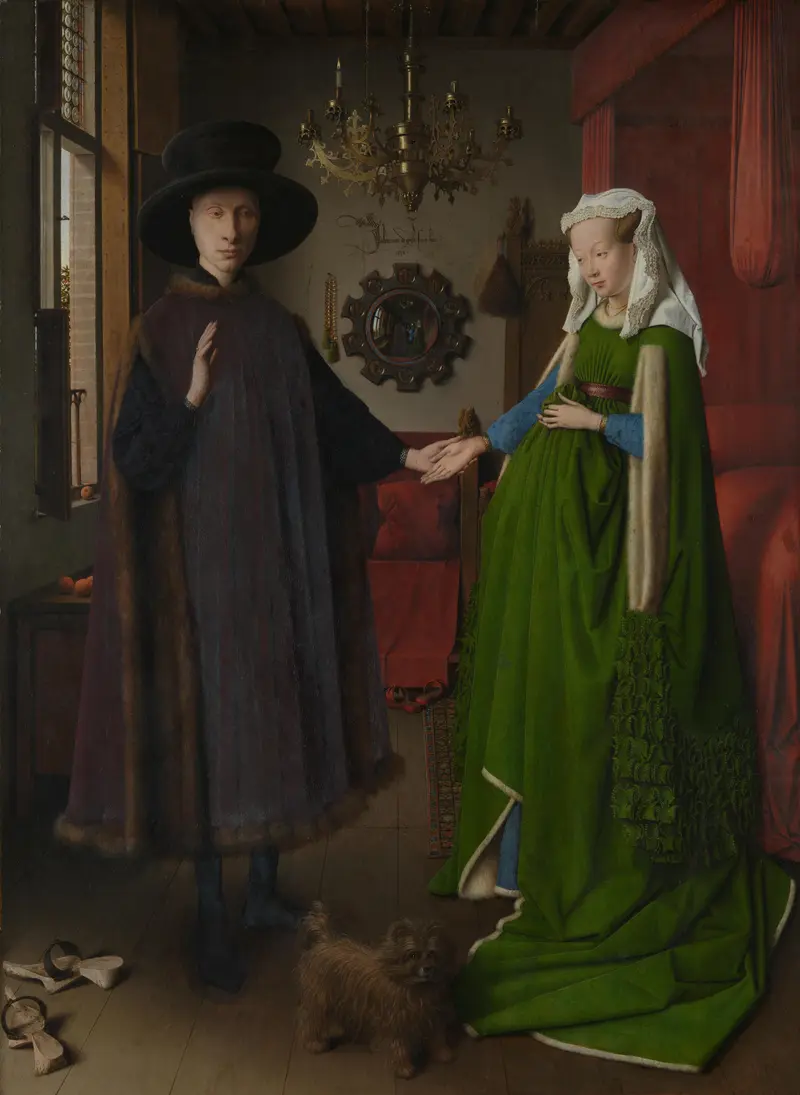
The Arnolfini Portrait
Jan van Eyck
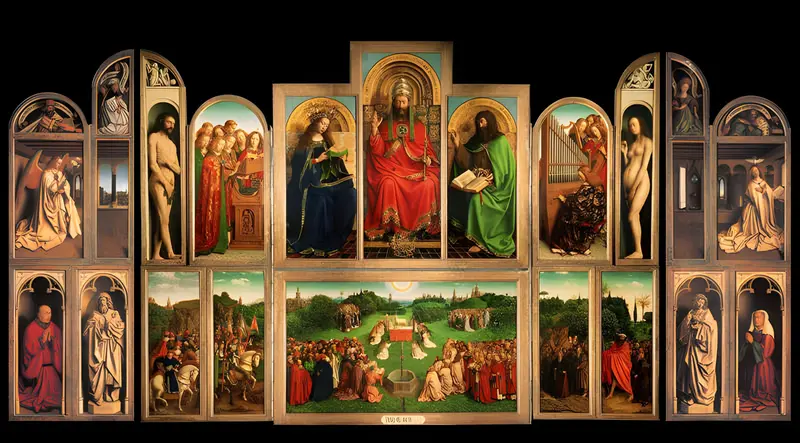
Ghent Altarpiece
Jan van Eyck

Dresden Triptych
Jan van Eyck
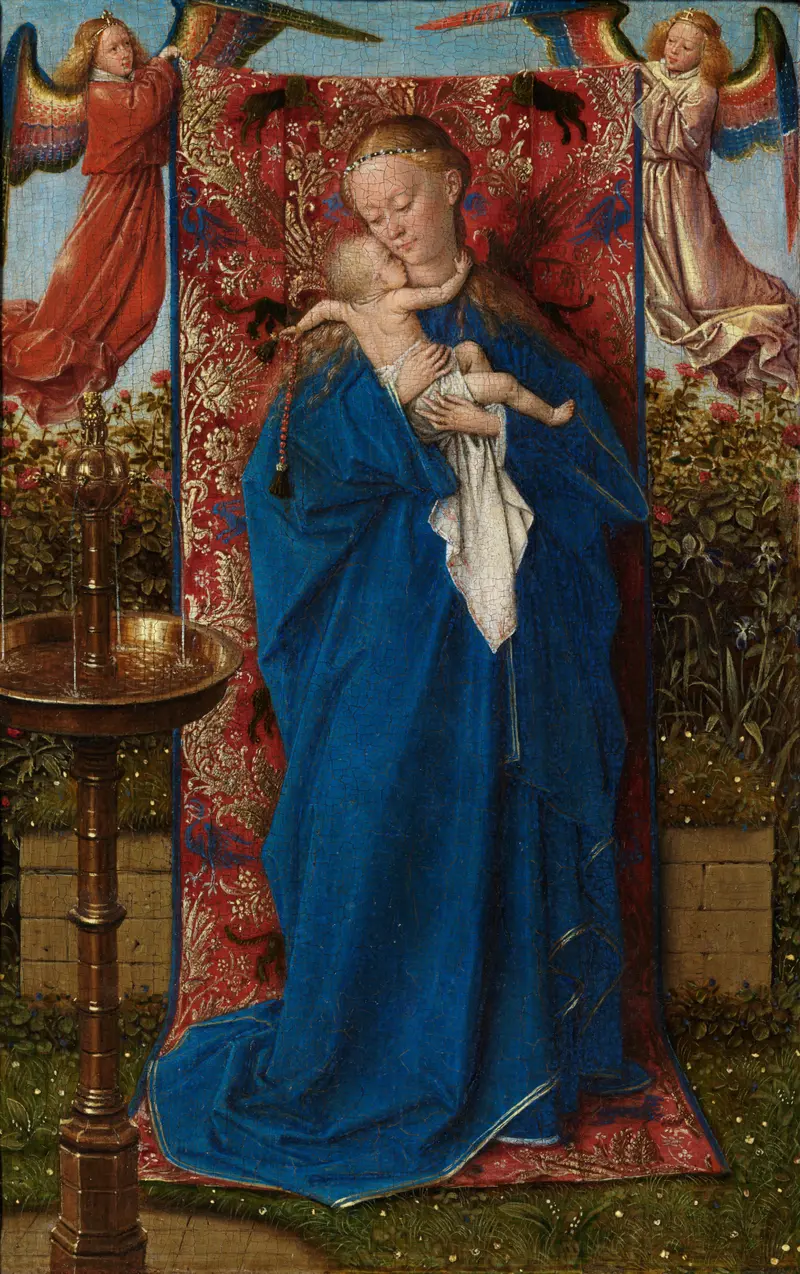
Madonna at the Fountain
Jan van Eyck

Madonna with Canon Joris van der Paele
Jan van Eyck

Prophet Zacharias; Angel of The Annunciation
Jan van Eyck
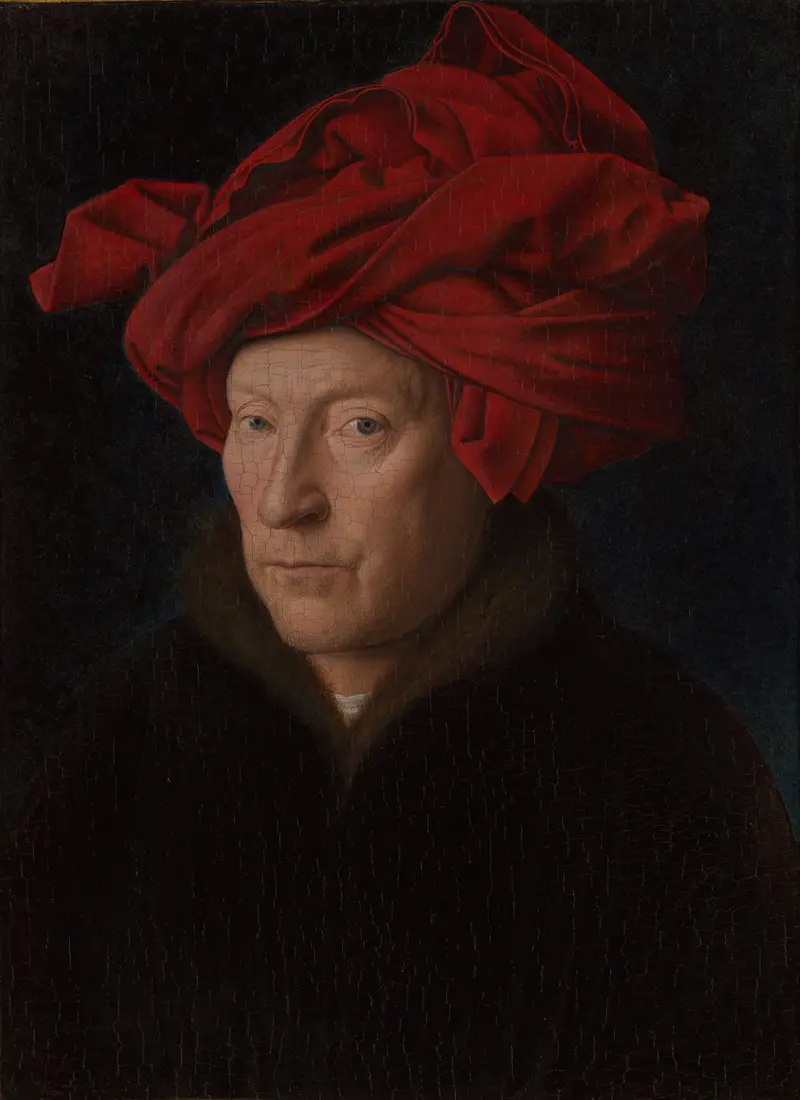
Portrait of a Man (Self Portrait?)
Jan van Eyck
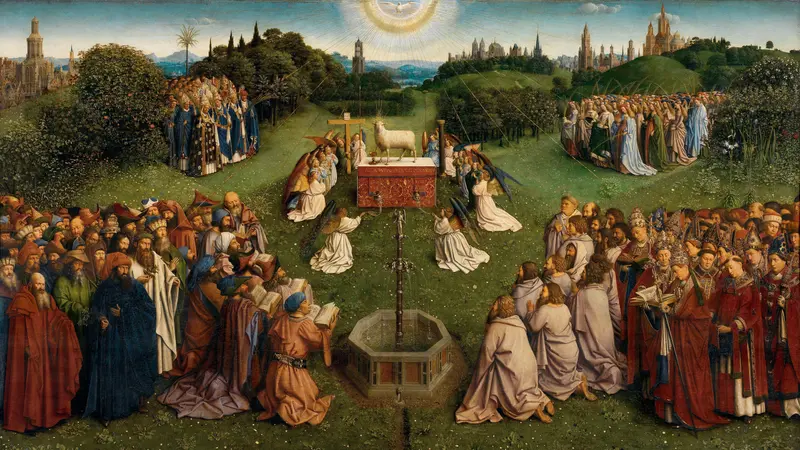
Adoration of the Lamb from the Ghent Altarpiece
Jan van Eyck





