
Saint John the Baptist — History & Facts
Few paintings by Francisco de Zurbarán have sparked as much debate over their original commission as Saint John the Baptist from 1638. Scholars remain uncertain whether the work was intended for a monastic setting or a private patron, as no early records or contracts survive. What is certain is that Zurbarán returned to this subject several times, creating at least three known versions, each with subtle differences in costume and landscape.
The 1638 painting stands out for its solitary, almost meditative atmosphere, a quality that has led some to speculate it was meant for quiet contemplation rather than public display. At the heart of the image, the young Saint John stands alone in the wilderness, his gaze turned upward as if listening for a divine voice. Clad in a camel-hair tunic and holding a slender cross of reed, he is unmistakably the forerunner of Christ, the "voice crying in the wilderness" from the Gospels. The lamb at his feet is a direct symbol of Christ, whom John would later identify as the "Lamb of God." Zurbarán’s use of stark light, which falls across the saint’s face and hands, isolates him from the dark, rocky background, focusing the viewer’s attention on his spiritual calling.
Unlike the dynamic, crowded compositions of Caravaggio or Murillo on the same theme, Zurbarán’s John is quiet and introspective, inviting the viewer into a moment of private revelation. The precise early history of this painting is lost, but it is typical of works Zurbarán produced during his mature period in Seville, when he was favored by religious orders for his austere, devotional style. Over the centuries, Saint John the Baptist has passed through several collections, reflecting changing tastes and the enduring appeal of Zurbarán’s vision. Today, it is housed in the Museo del Prado, where it stands as a testament to the artist’s ability to fuse realism with spiritual intensity.
The painting remains a touchstone for understanding Zurbarán’s unique place in the Spanish Baroque, balancing solitude and faith in a single, unforgettable figure.
More Artworks by Francisco de Zurbarán
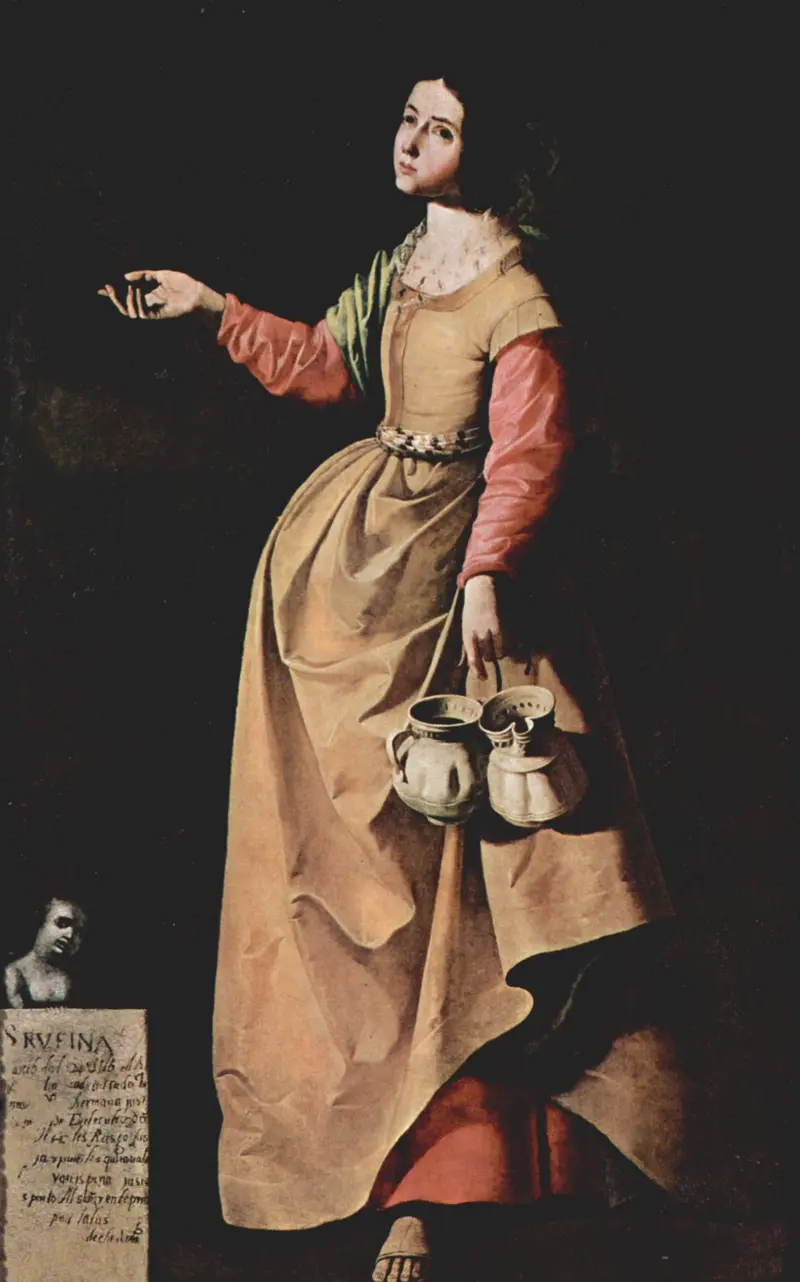
Saint Rufina
Francisco de Zurbarán
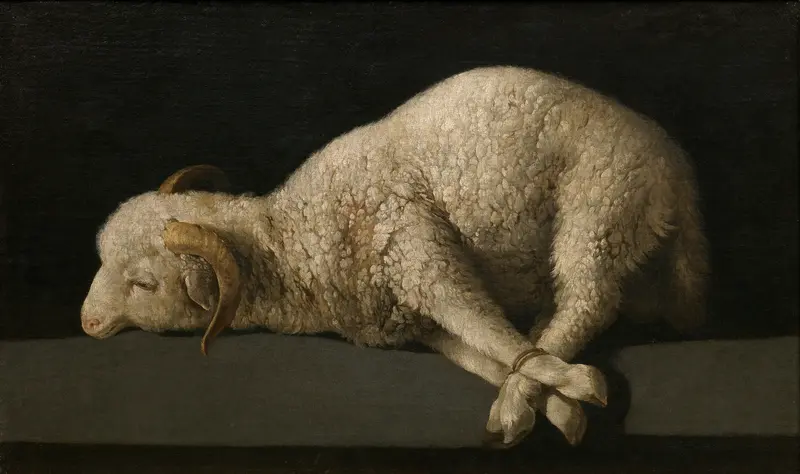
Agnus Dei
Francisco de Zurbarán
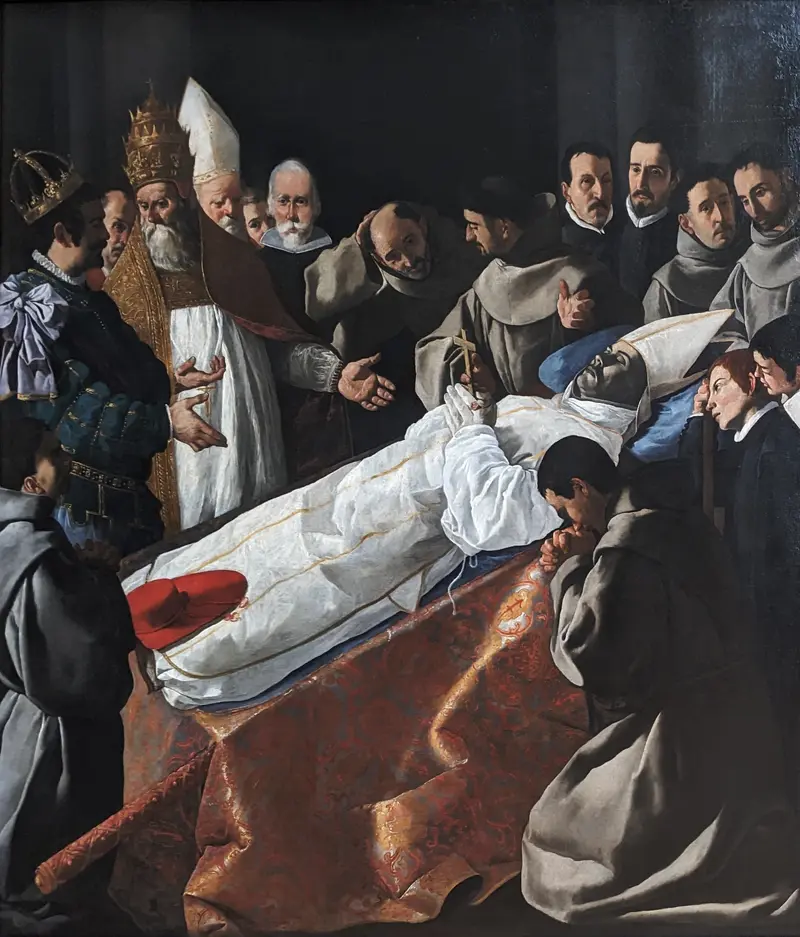
Saint Bonaventure's Body Lying in State
Francisco de Zurbarán
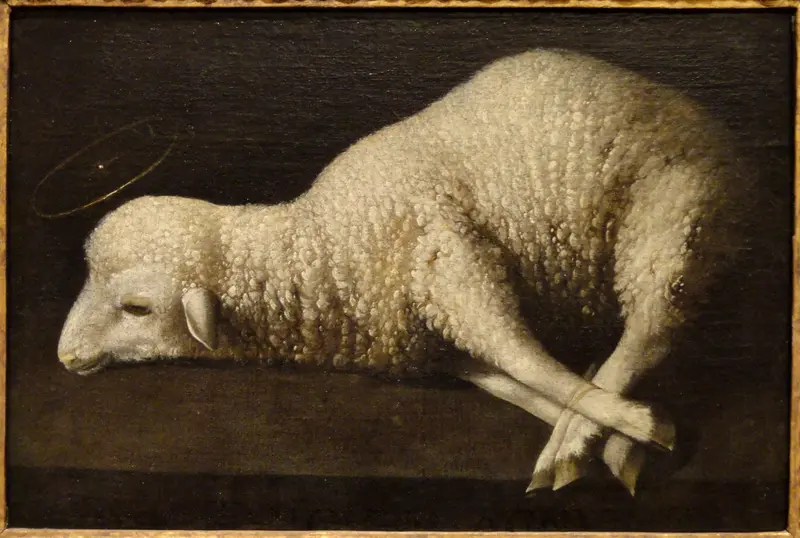
The Lamb of God
Francisco de Zurbarán

Adoration of the Magi
Francisco de Zurbarán
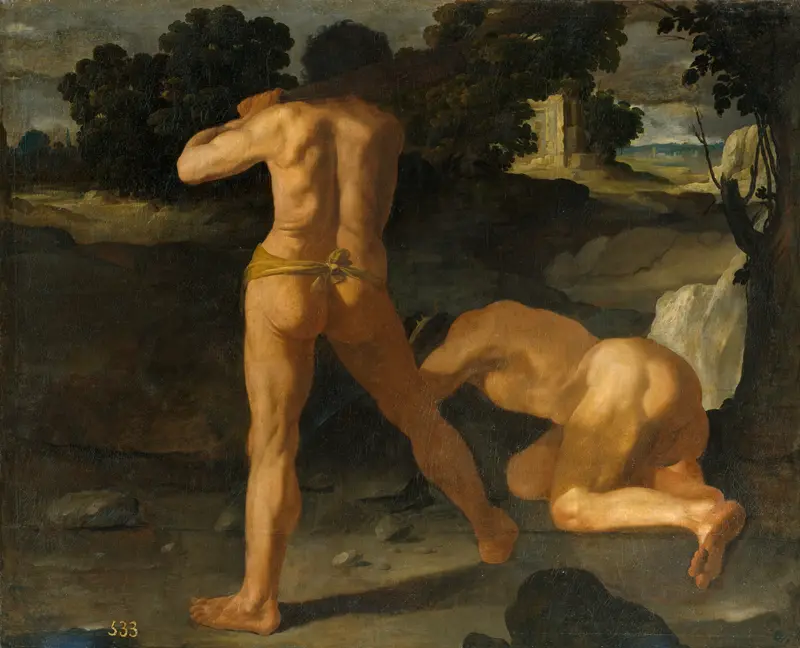
Hercules defeats King Geryon
Francisco de Zurbarán
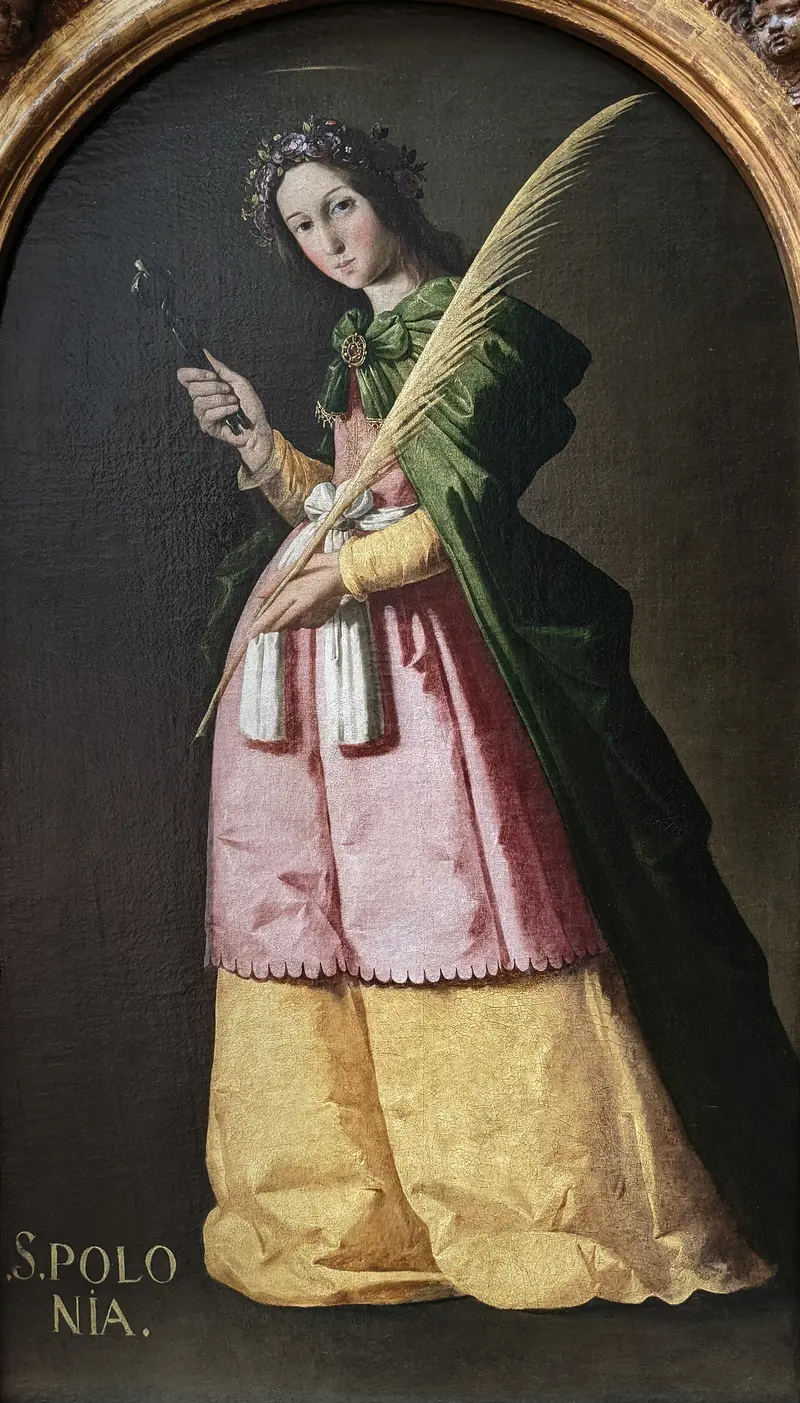
Saint Apollonia
Francisco de Zurbarán
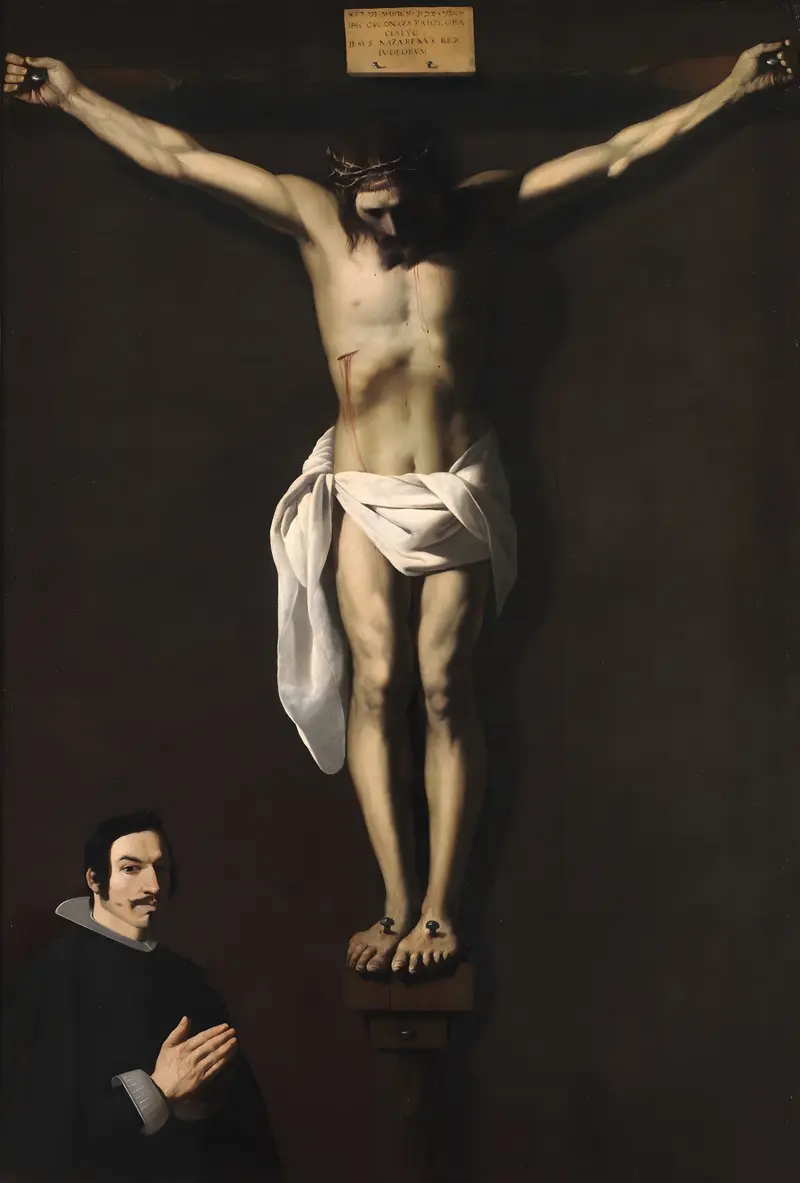
The Crucified Christ with a Donor
Francisco de Zurbarán
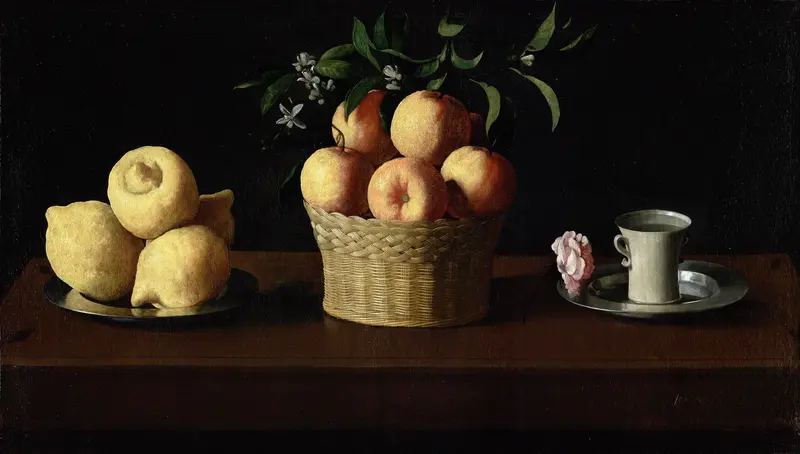
Still Life with Lemons, Oranges and a Rose
Francisco de Zurbarán
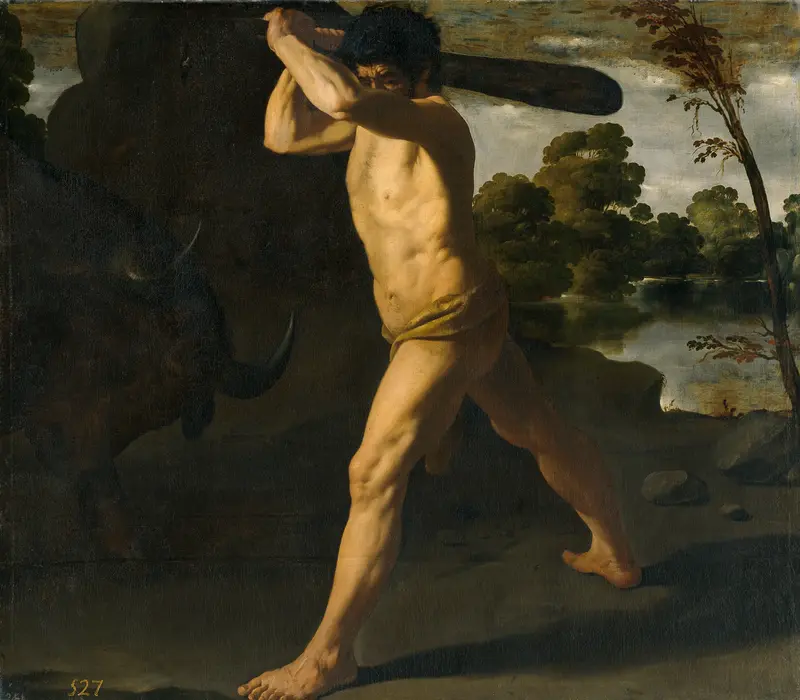
Hercules and the Cretan Bull
Francisco de Zurbarán





