
Saint John the Baptist — History & Facts
In Saint John the Baptist, Jacques Callot presents a striking figure of the saint. The painting features rich earth tones, with deep browns and greens dominating the palette. Saint John is depicted in a rugged landscape, emphasizing his connection to nature and asceticism.
His expression is serious, reflecting his role as a prophet and forerunner of Christ. The artwork is an etching, a medium that allows for fine detail and texture. Callot's technique showcases intricate line work, particularly in the depiction of Saint John's hair and clothing. The composition is balanced, with the figure positioned prominently against the backdrop.
Viewers can appreciate the careful attention to detail in the saint's features and the surrounding environment. Jacques Callot was a prominent figure in the Baroque movement, known for his innovative prints and etchings. This work, created in the 1620s, reflects the artist's interest in religious themes and the human condition. An interesting fact about this piece is that it captures the essence of Saint John as a solitary figure, which was a common theme in Callot's work, emphasizing the tension between the spiritual and the earthly.
More Artworks by Jacques Callot

De verloren zoon als zwijnenhoeder
Jacques Callot
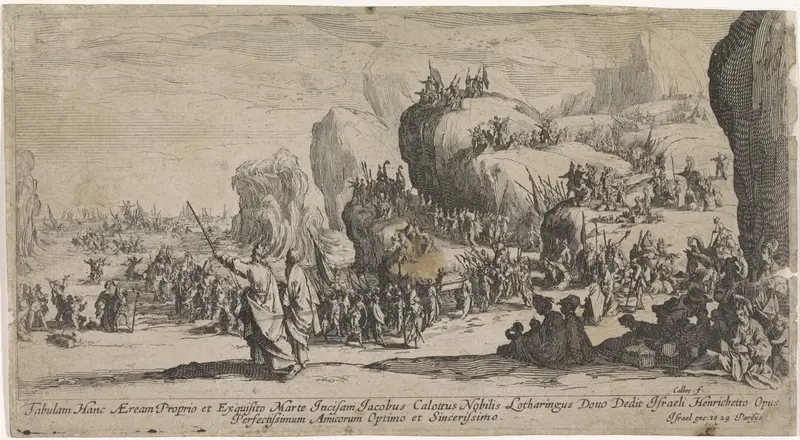
De doortocht door de Rode Zee
Jacques Callot

Kruisiging
Jacques Callot
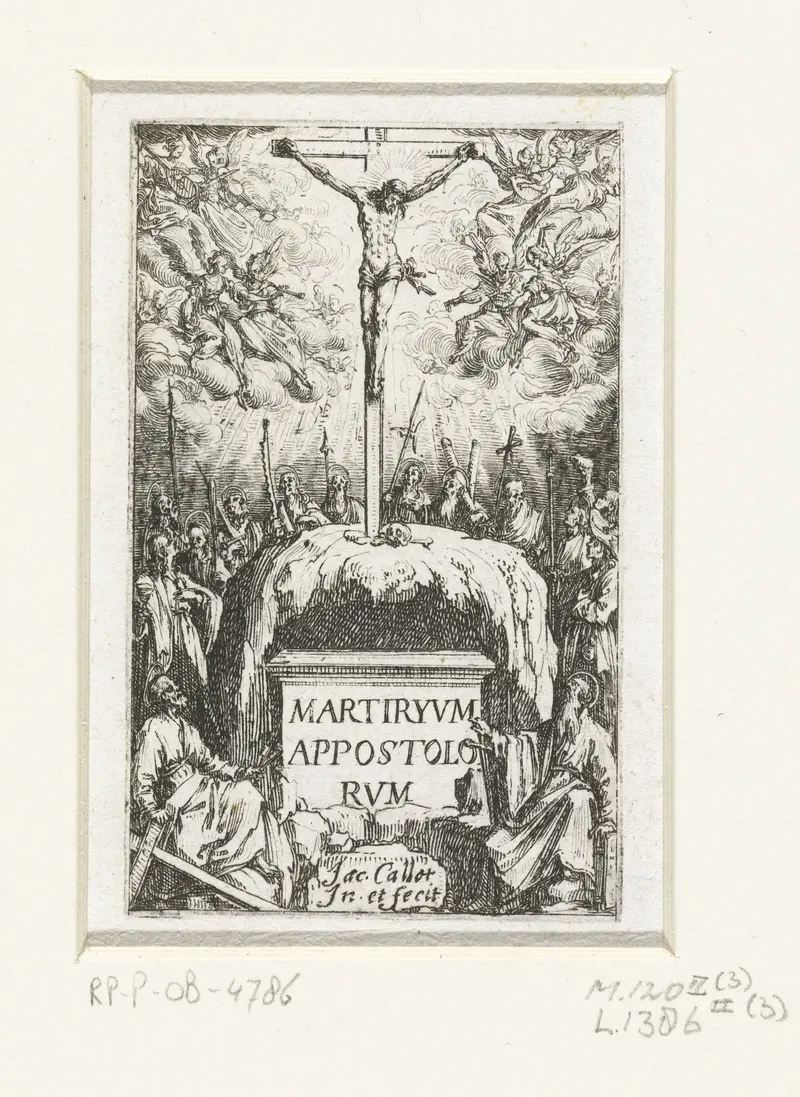
Titelprent voor de prentreeks 'De kleine apostelen' (Het martelaarschap van de apostelen)
Jacques Callot
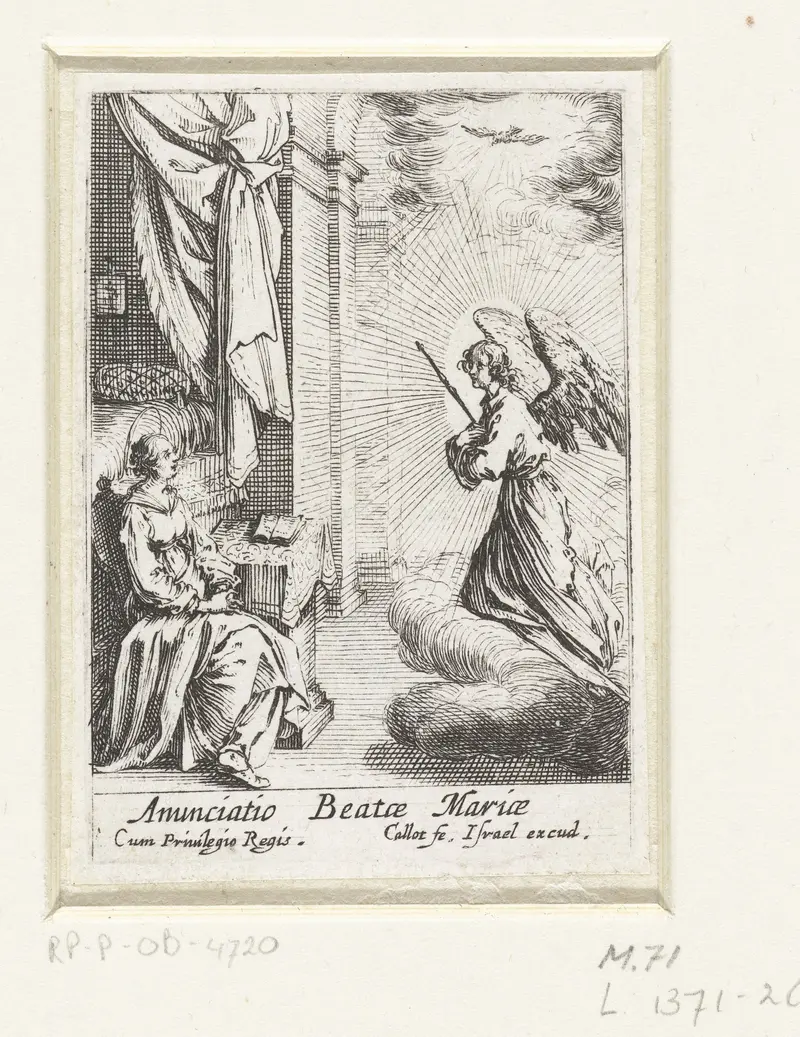
Annunciatie
Jacques Callot
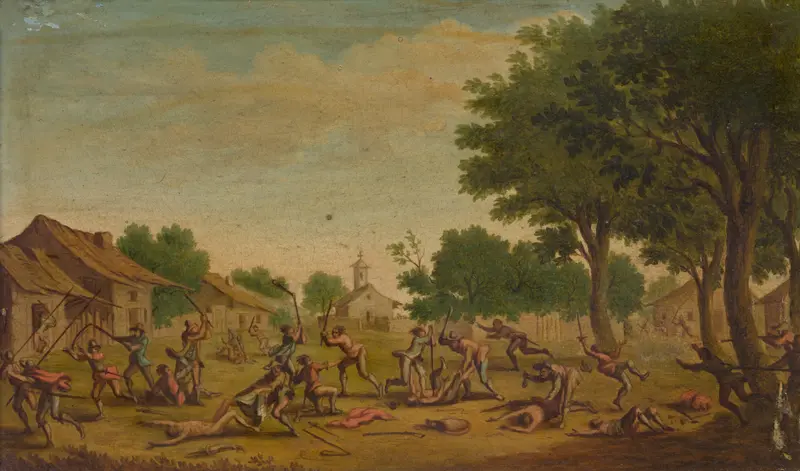
Village Fight
Jacques Callot
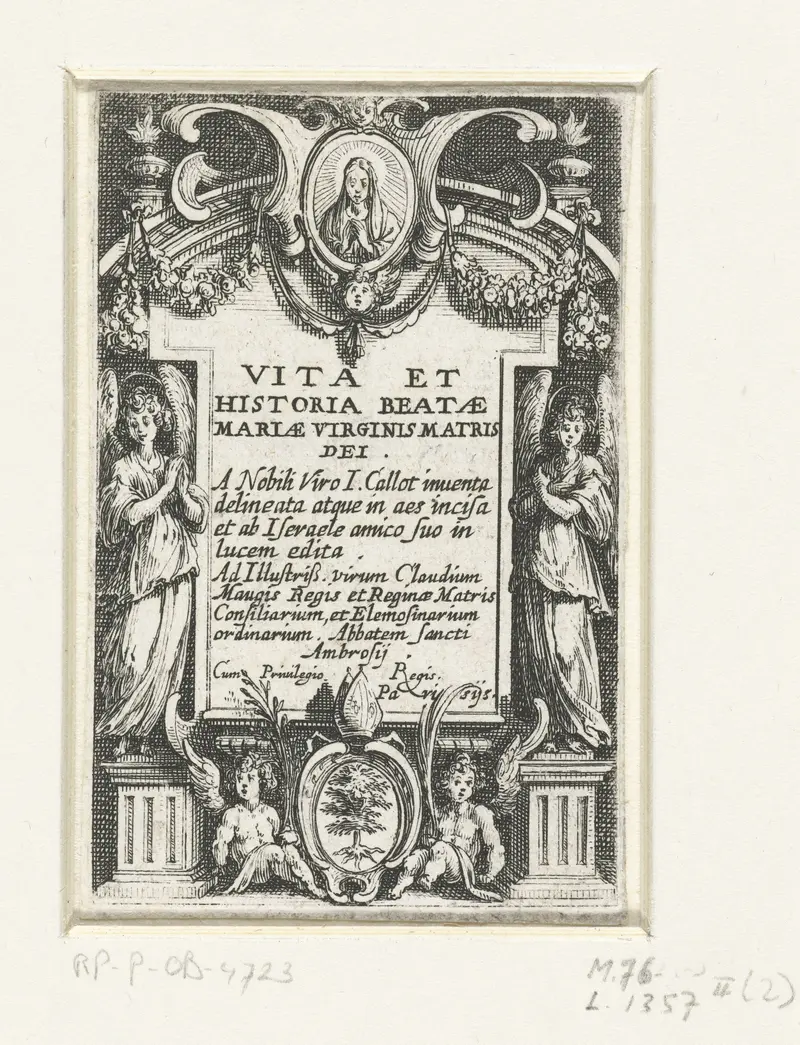
Titelprent voor prentreeks 'Het leven van Maria'
Jacques Callot
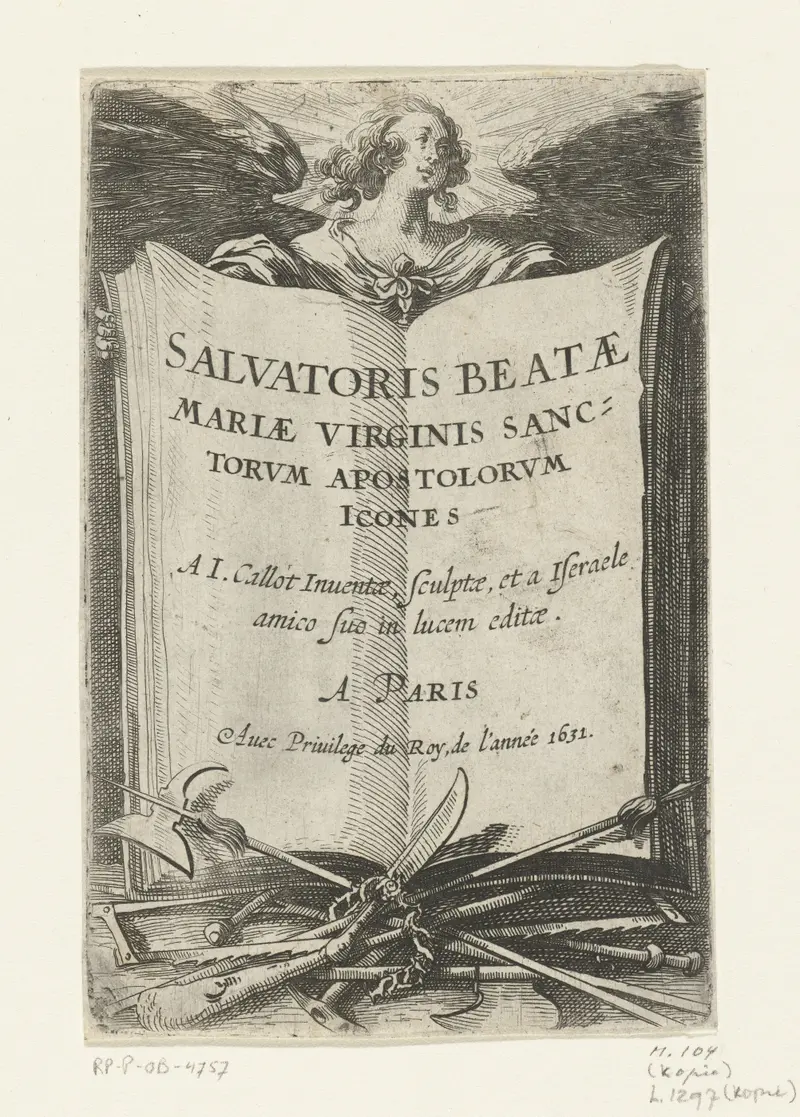
Titelprent voor de prentreeks 'De grote apostelen' (Christus, Maria en de apostelen)
Jacques Callot

Kruisoprichting
Jacques Callot
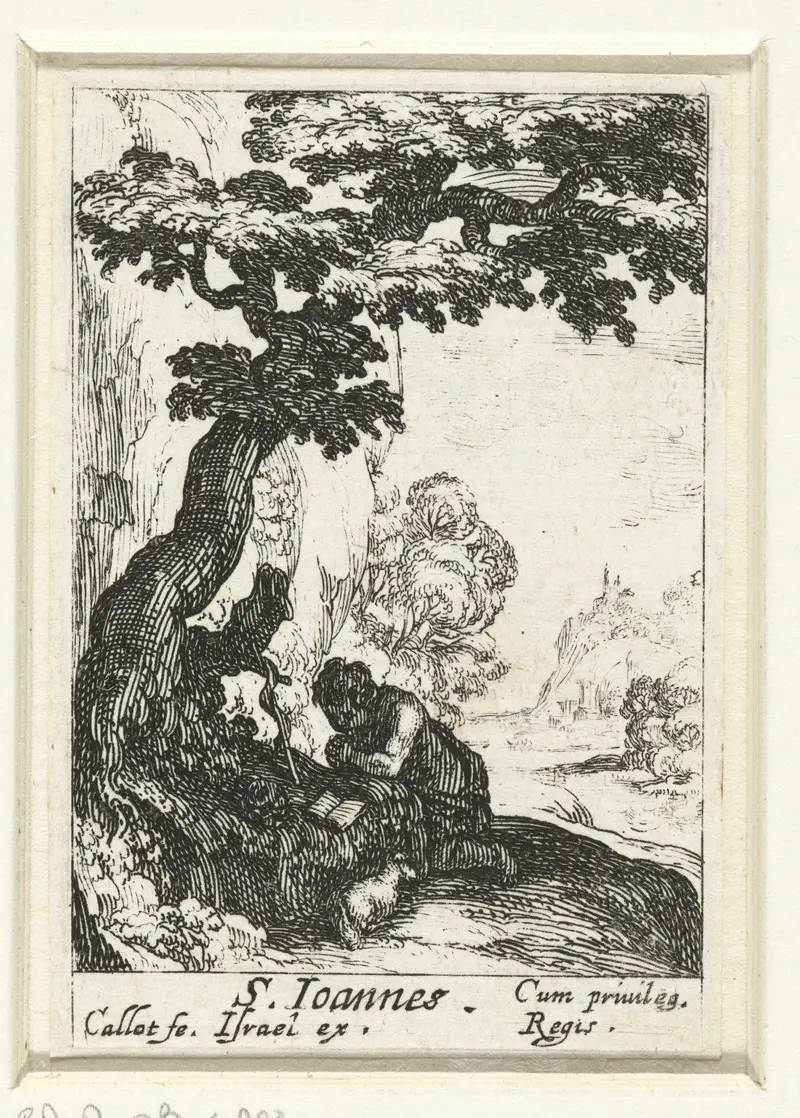
De boetvaardige Johannes de Doper
Jacques Callot





