
Saint John the Evangelist — History & Facts
In Saint John the Evangelist, Jacques Callot presents a figure of Saint John in a thoughtful pose. The colors are rich and deep, with dark tones contrasting against lighter highlights. The setting is minimalistic, focusing on the saint, which enhances the contemplative mood of the piece.
The expression on Saint John's face suggests introspection and wisdom. The painting is executed in oil on panel, a common medium during the Baroque period. Callot's technique showcases fine details, particularly in the textures of the clothing and the saint's features. The use of chiaroscuro effectively highlights the figure against the background, creating a three-dimensional effect.
Viewers can appreciate the skillful brushwork that brings depth and life to the composition. Jacques Callot was a French artist known for his prints and paintings during the early 17th century. This work reflects the Baroque style, characterized by dramatic expression and rich detail. An interesting fact about this painting is that it captures the moment of reflection, a theme often explored in religious art.
Callot's ability to convey emotion through his figures makes this piece notable in his oeuvre.
More Artworks by Jacques Callot

De verloren zoon als zwijnenhoeder
Jacques Callot
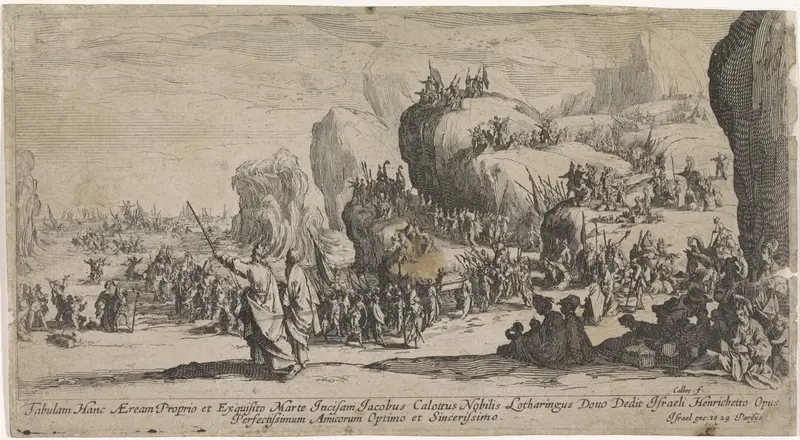
De doortocht door de Rode Zee
Jacques Callot

Kruisiging
Jacques Callot
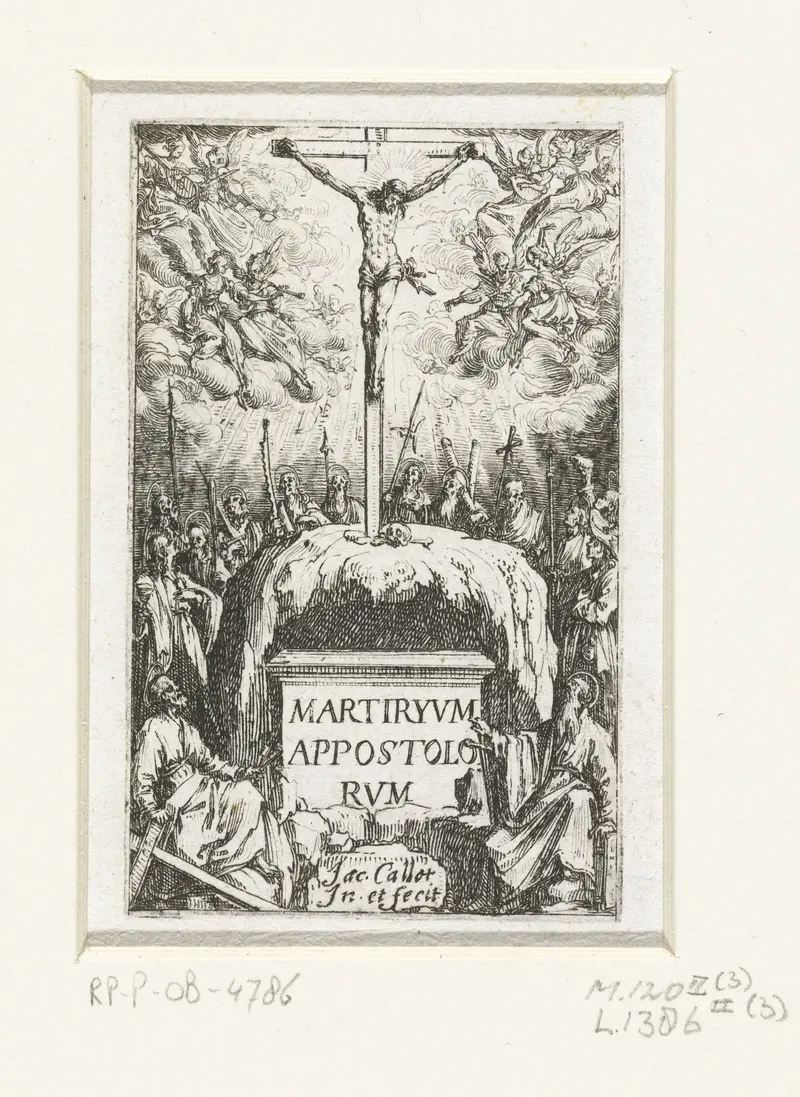
Titelprent voor de prentreeks 'De kleine apostelen' (Het martelaarschap van de apostelen)
Jacques Callot
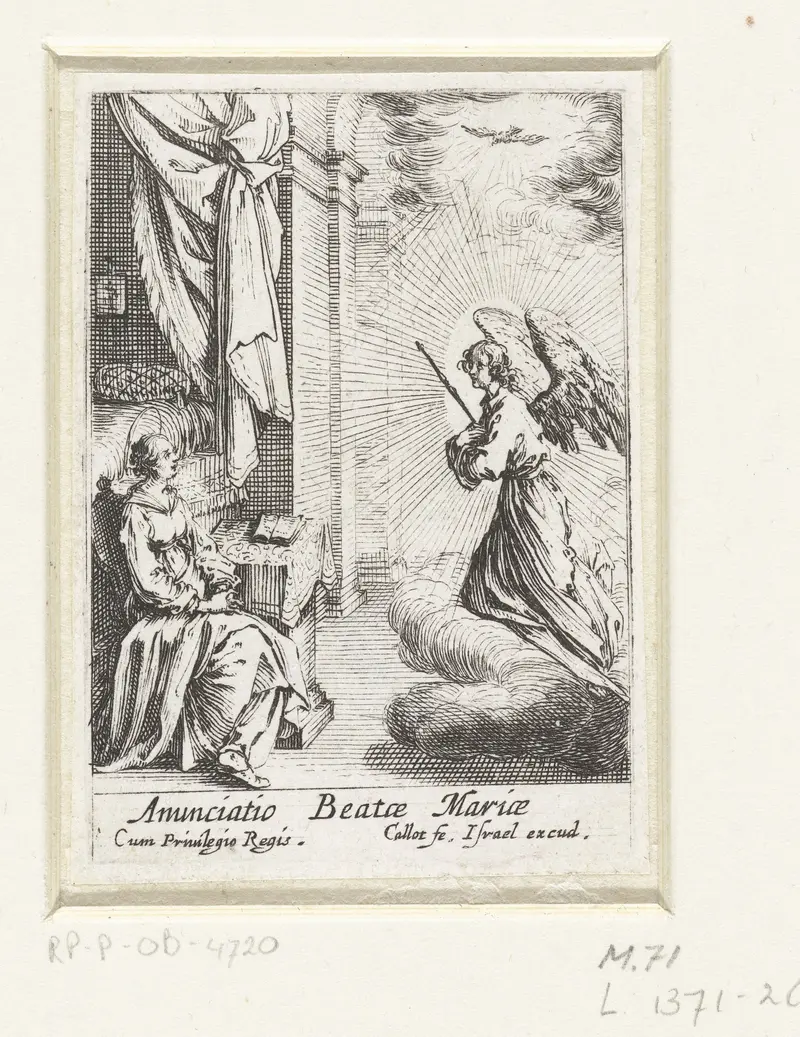
Annunciatie
Jacques Callot
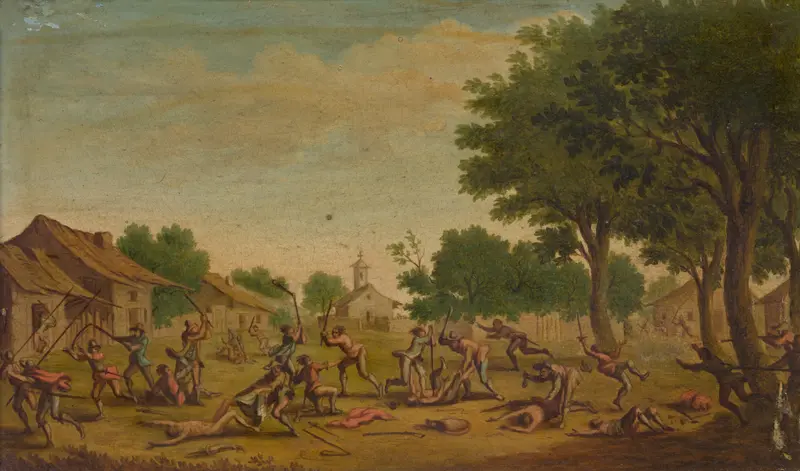
Village Fight
Jacques Callot
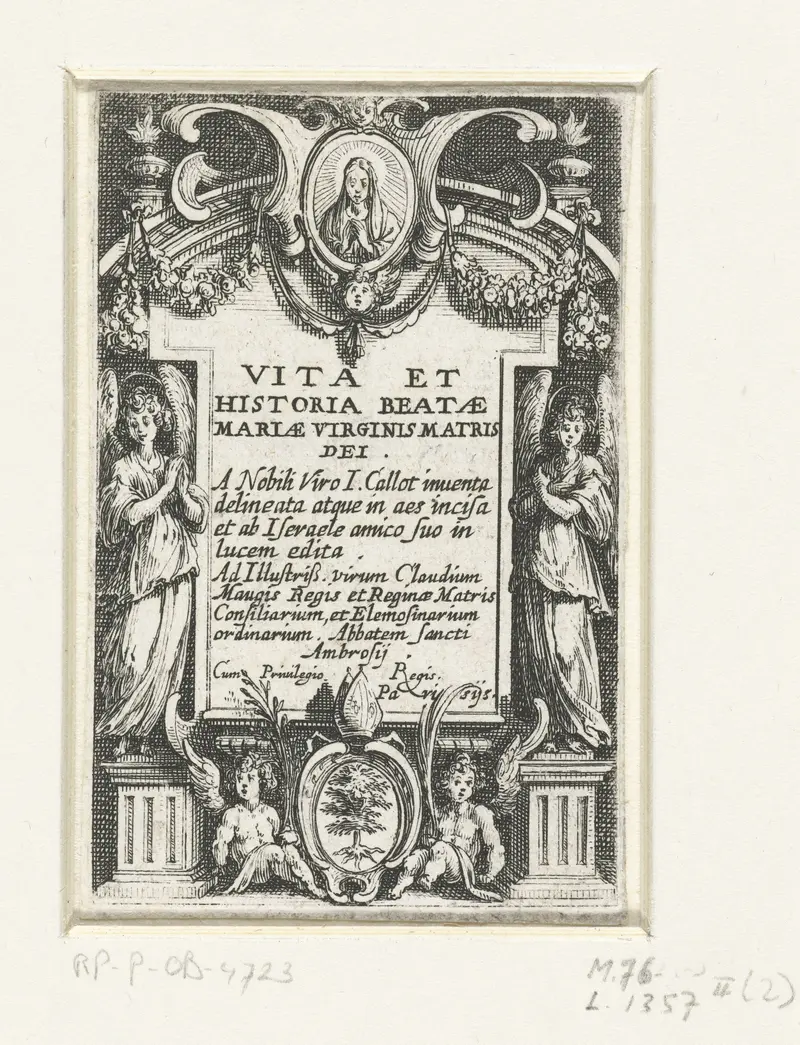
Titelprent voor prentreeks 'Het leven van Maria'
Jacques Callot
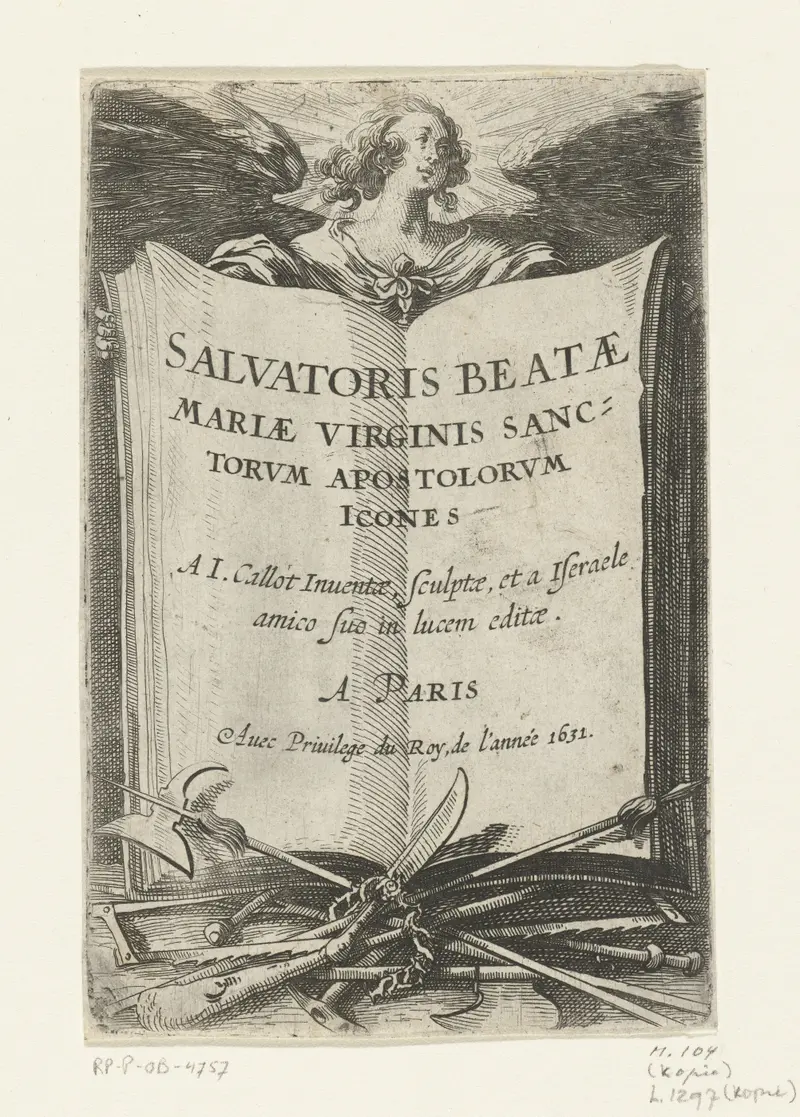
Titelprent voor de prentreeks 'De grote apostelen' (Christus, Maria en de apostelen)
Jacques Callot

Kruisoprichting
Jacques Callot
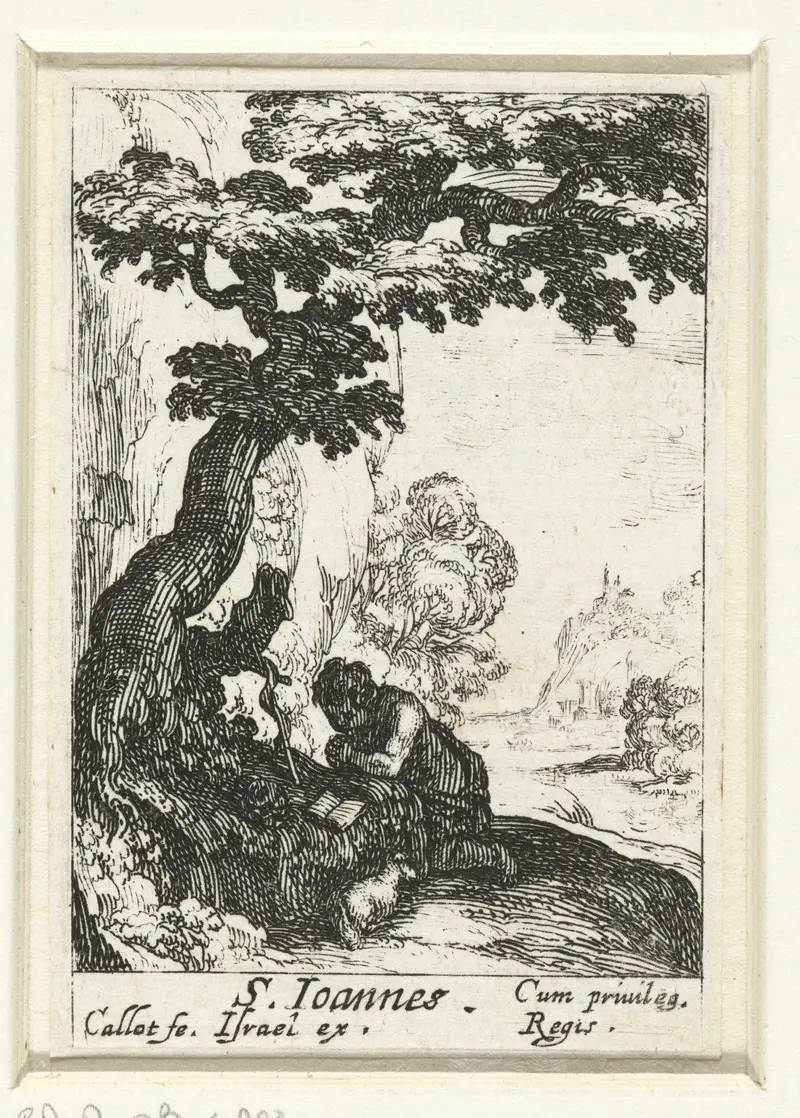
De boetvaardige Johannes de Doper
Jacques Callot





