
Saint John the Evangelist on the Island of Patmos — History & Facts
A teenage prodigy’s hand, already unmistakable, first tackled the grandeur of biblical vision in Saint John the Evangelist on the Island of Patmos. Painted in 1618, this is one of the earliest known works by Diego Velázquez, then just nineteen and working in his native Seville. The painting’s mysterious journey begins with a puzzle: its commission and original destination remain unknown, and its medium is still debated among scholars.
What is certain is that the work stands as Velázquez’s first ambitious attempt to capture a moment of divine revelation, a theme that would echo through his later masterpieces. The scene transports us to the rocky solitude of Patmos, where Saint John, exiled by the Roman emperor Domitian, receives his apocalyptic visions. Velázquez chooses the instant of inspiration: John, youthful and intense, gazes heavenward as his pen hovers over the first lines of the Book of Revelation. An eagle, his traditional symbol, perches nearby, while the open book at his feet signals the unfolding of prophecy.
The dramatic light, so characteristic of early Baroque painting, isolates John against the darkness, focusing the viewer’s attention on the act of divine dictation. Compared to the more ornate and crowded compositions by El Greco on the same subject, Velázquez’s version is striking for its psychological intimacy and restraint. The physical history of Saint John the Evangelist on the Island of Patmos is still shrouded in some uncertainty. Though it has long been attributed to Velázquez, questions about its medium and the lack of early documentation have fueled scholarly debate.
Today, the painting is recognized as a key work from his formative years in Seville, before his move to Madrid and the Spanish court. It offers a rare glimpse into the young artist’s early ambitions and his engagement with religious narrative, setting the stage for the innovations that would define his mature career. The painting now resides in the Museo del Prado, where it invites visitors to witness the origins of one of Spain’s greatest painters.
More Artworks by Diego Velázquez

Las Meninas
Diego Velázquez
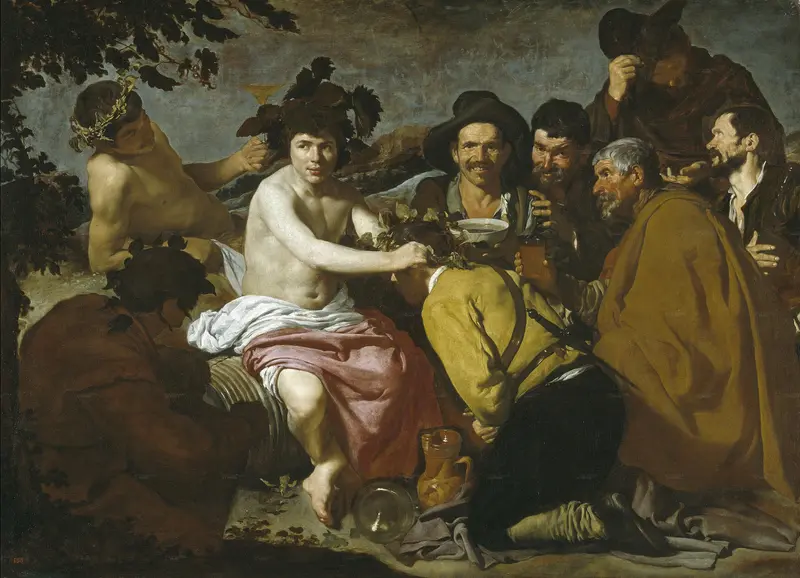
The Triumph of Bacchus
Diego Velázquez
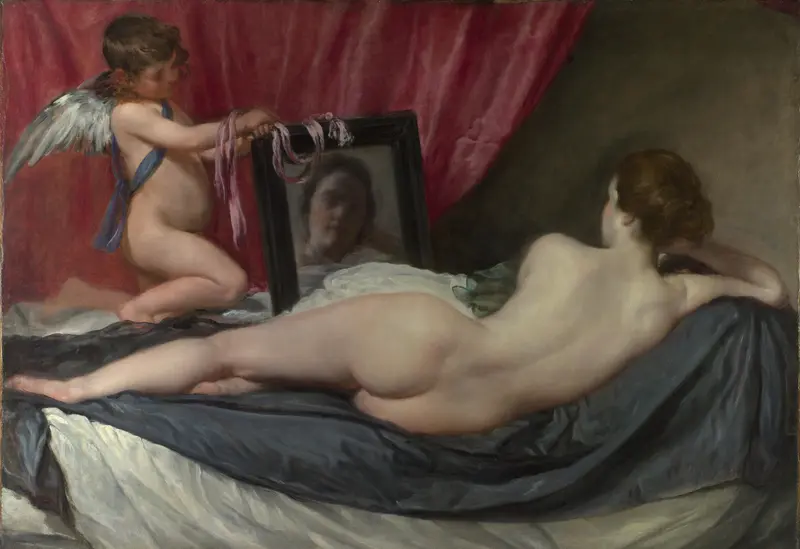
Rokeby Venus
Diego Velázquez
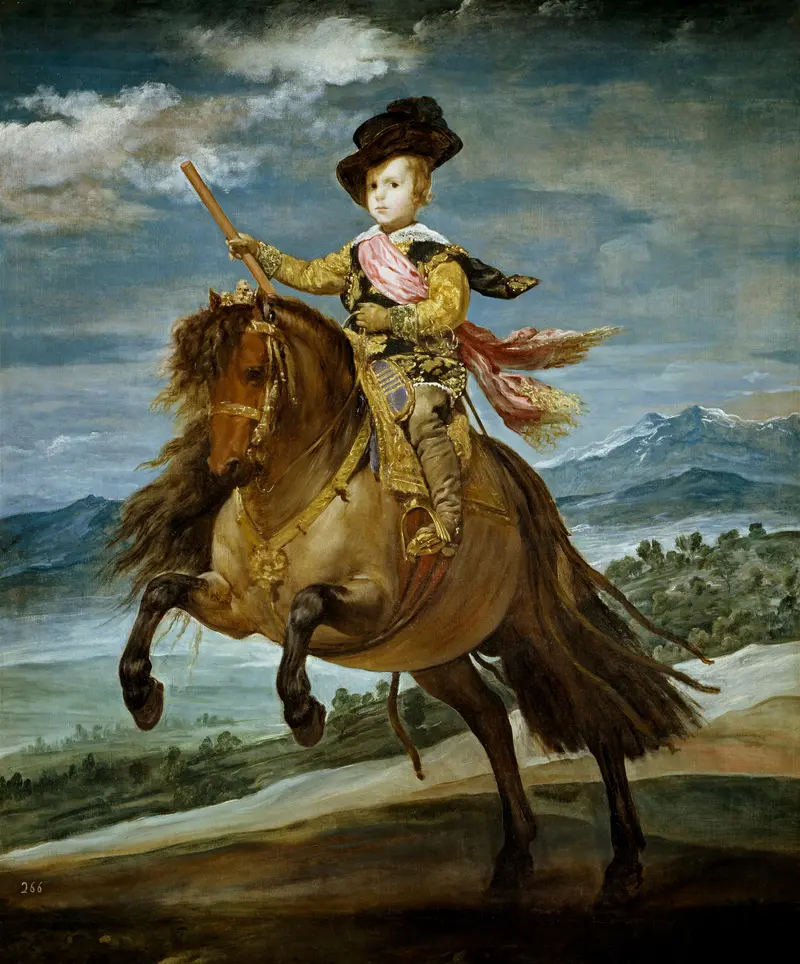
Equestrian Portrait of Prince Balthasar Charles
Diego Velázquez
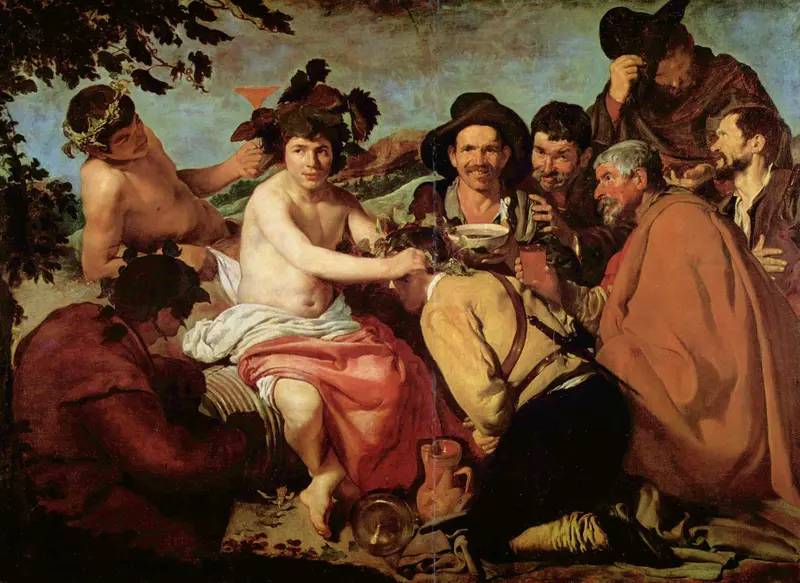
Bacchus
Diego Velázquez
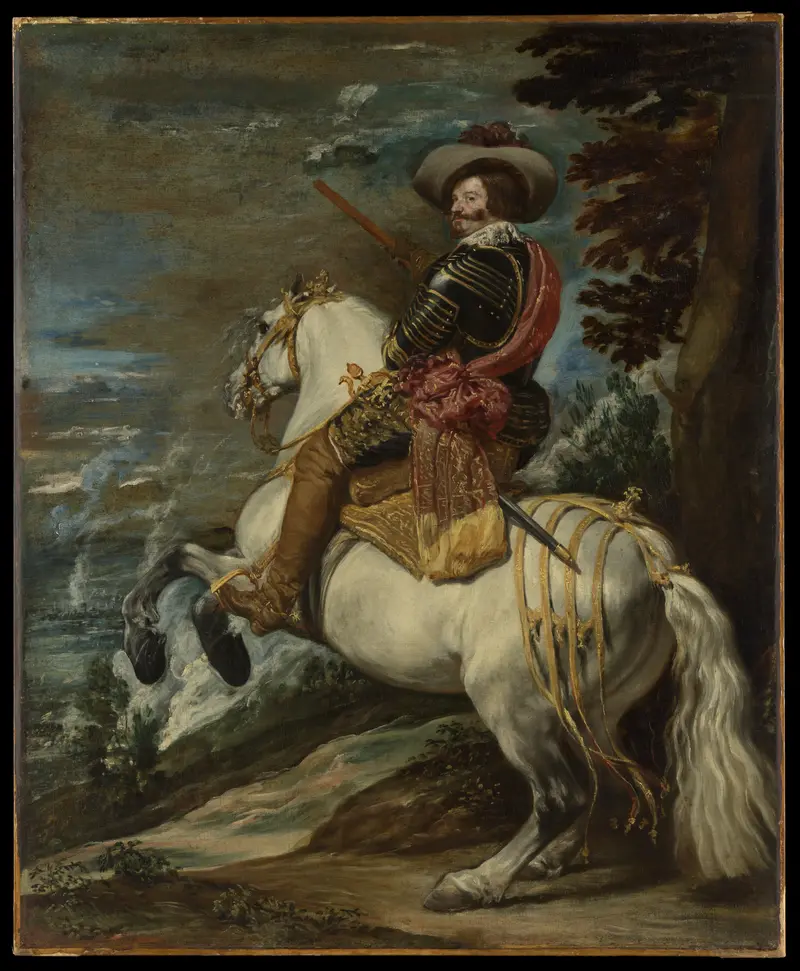
Don Gaspar de Guzmán (1587–1645), Count-Duke of Olivares
Diego Velázquez
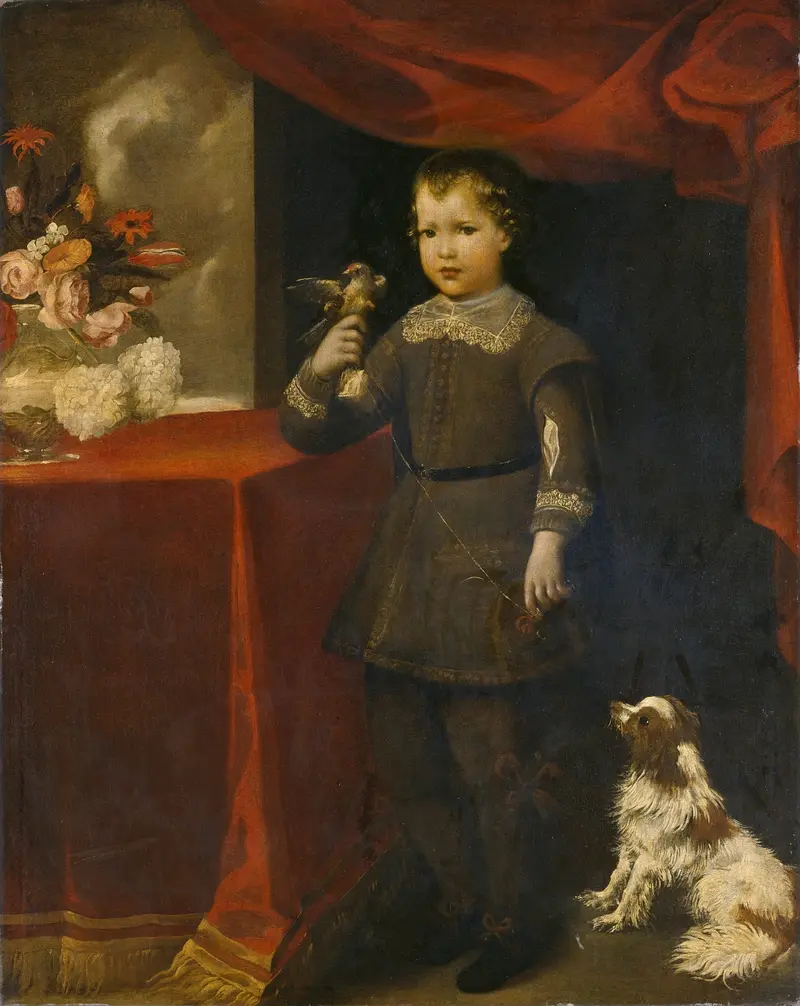
El príncipe Baltasar Carlos de Austria
Diego Velázquez
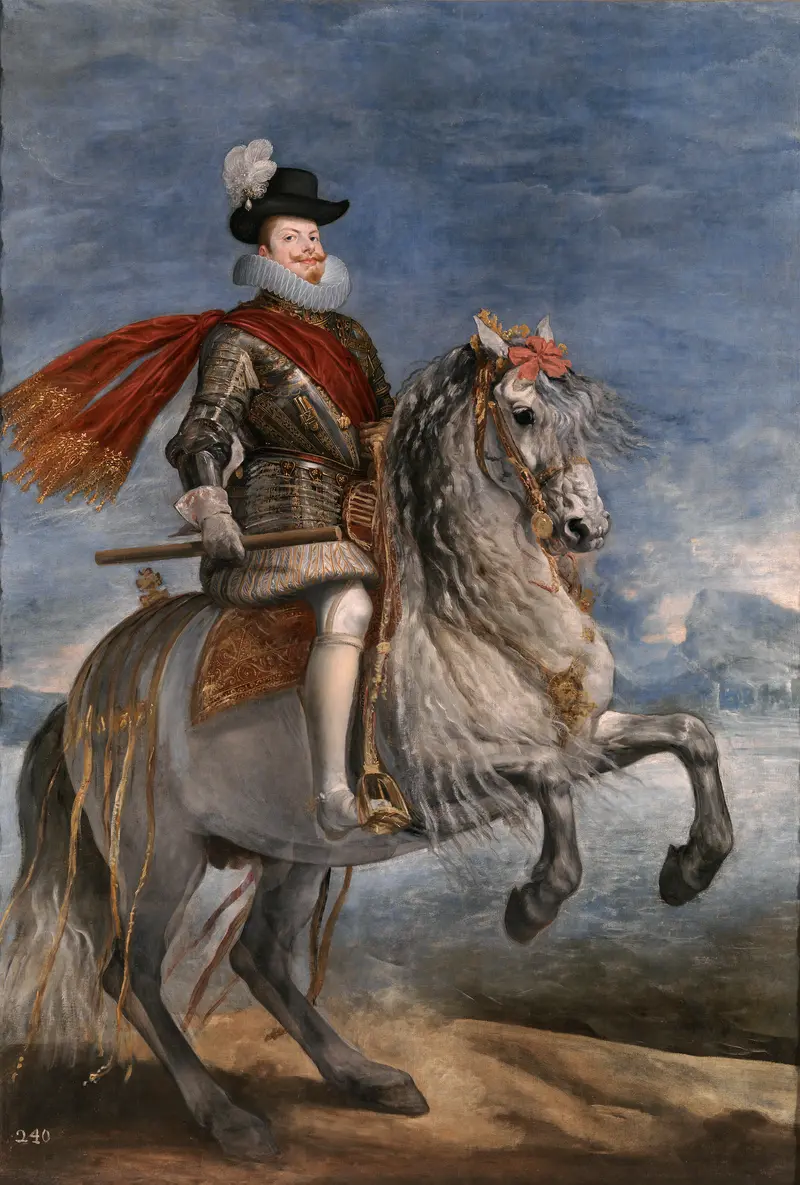
Equestrian Portrait of Philip III
Diego Velázquez
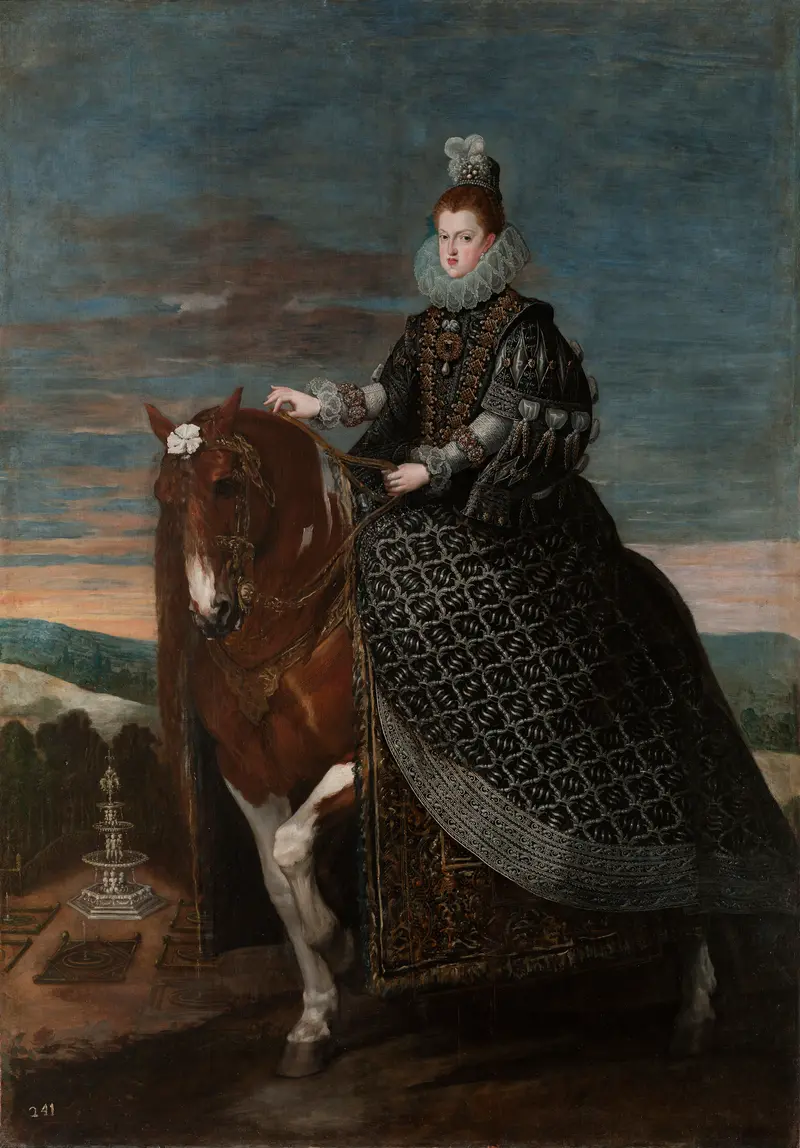
Equestrian Portrait of Margarita of Austria
Diego Velázquez
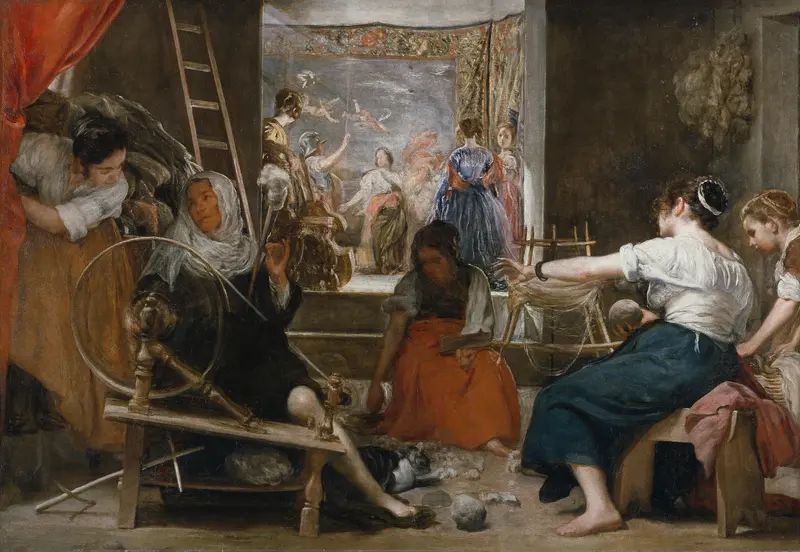
Las Hilanderas
Diego Velázquez





