
Saint Mary of Egypt — History & Facts
A gaunt figure meets the viewer’s gaze with eyes that seem to burn with both suffering and hope. The hands, pressed together in a gesture of prayer or penitence, draw the eye upward from the rough brown drapery that barely covers her body. Light falls starkly across her chest and face, carving every bone and tendon into sharp relief, while the background recedes into shadowy rock.
At the edge of the stone ledge, a skull and broken bone rest as silent reminders of mortality, anchoring the scene in the language of repentance and the passage of time. The palette is earthbound and severe, lending the entire image a sense of isolation and inward struggle. Painted in 1641 by Jusepe de Ribera, this Saint Mary of Egypt belongs to a world where religious images were charged with the power to move, admonish, and inspire. In seventeenth-century Catholic Europe, such paintings were often commissioned by churches or wealthy patrons eager to demonstrate piety and taste.
The era prized intense naturalism and emotional immediacy—qualities Ribera delivers here with unflinching honesty. Now housed in the Musée Fabre in Montpellier, France, this work stands as a testament to the Baroque fascination with the extremes of human experience. The longer one looks, the more the painting’s silence seems to speak.
More Artworks by Jusepe de Ribera

Saint Francis of Paola
Jusepe de Ribera

Penitent Saint Peter
Jusepe de Ribera
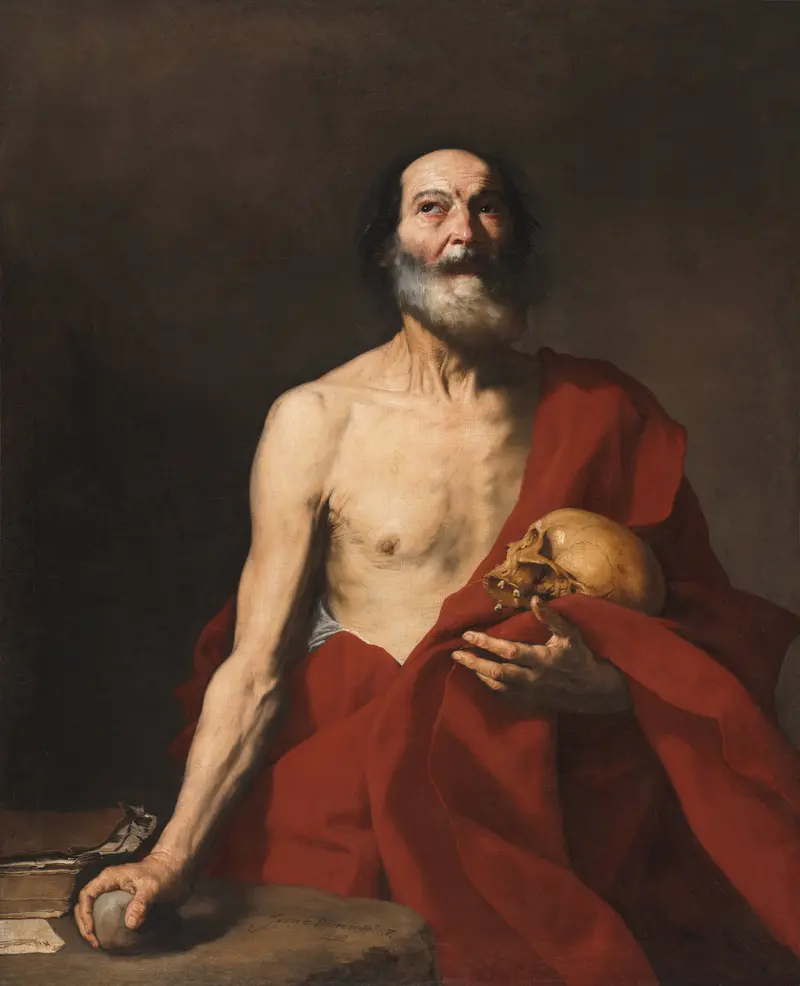
Saint Jerome
Jusepe de Ribera
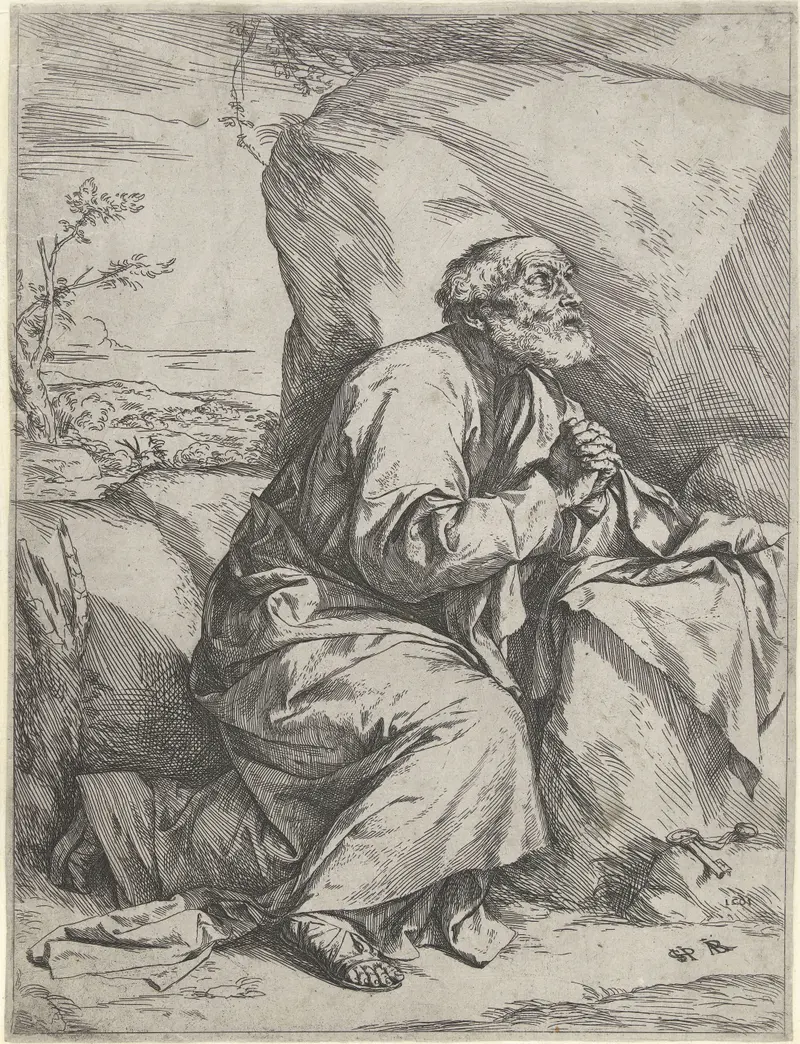
Boetvaardige Petrus
Jusepe de Ribera
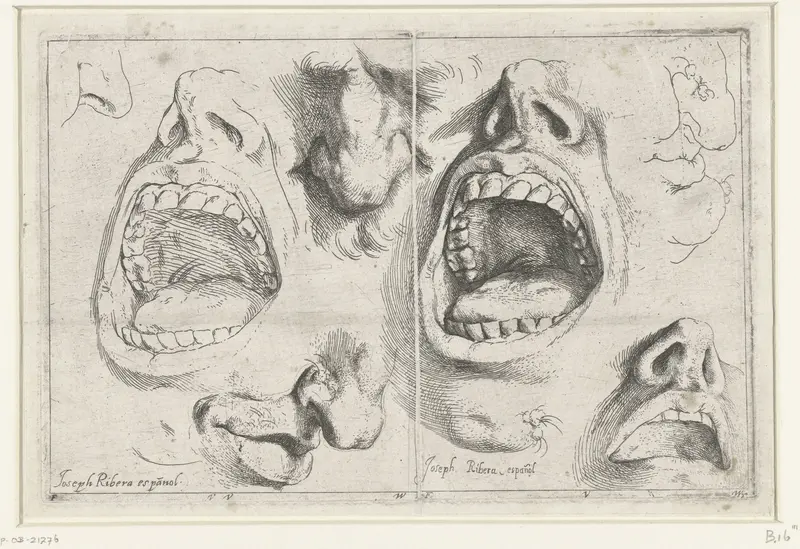
Studies van neus en mond
Jusepe de Ribera
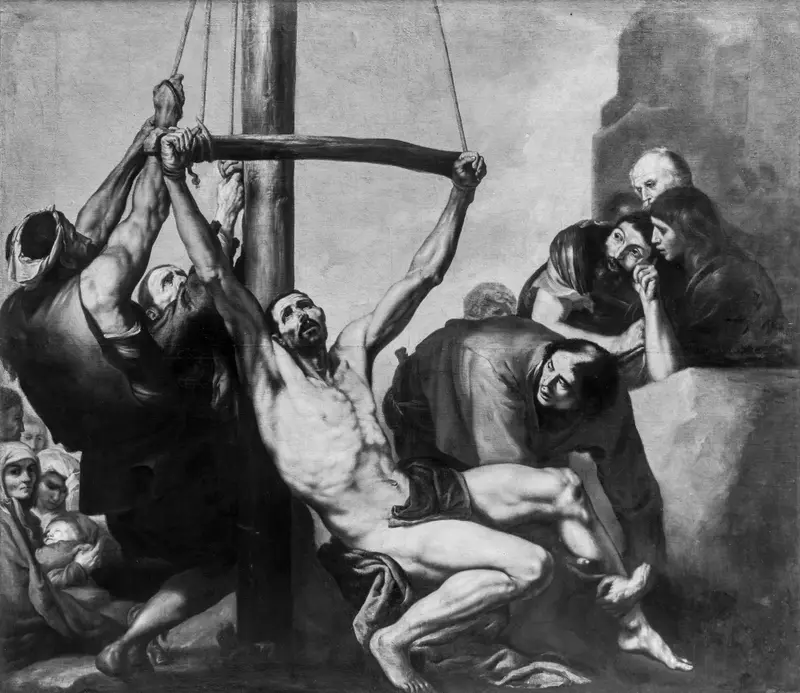
The Martyrdom of Saint Bartholomew
Jusepe de Ribera
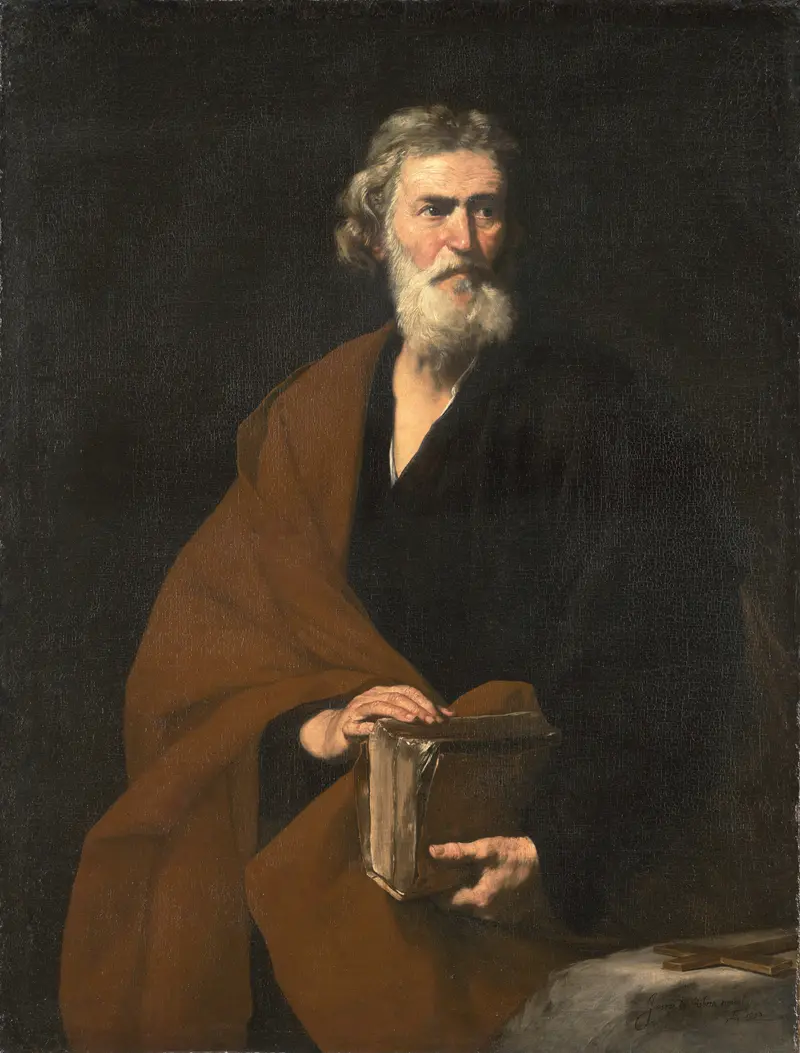
Saint Matthew
Jusepe de Ribera
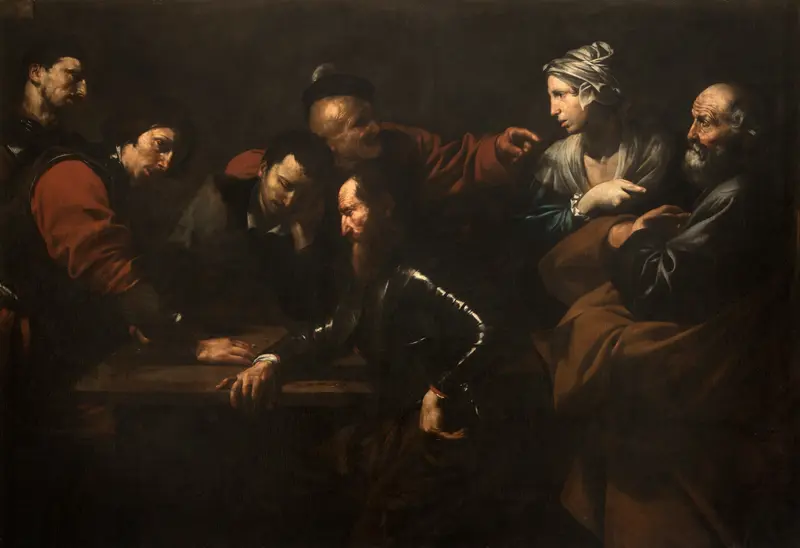
The Denial of Saint Peter
Jusepe de Ribera
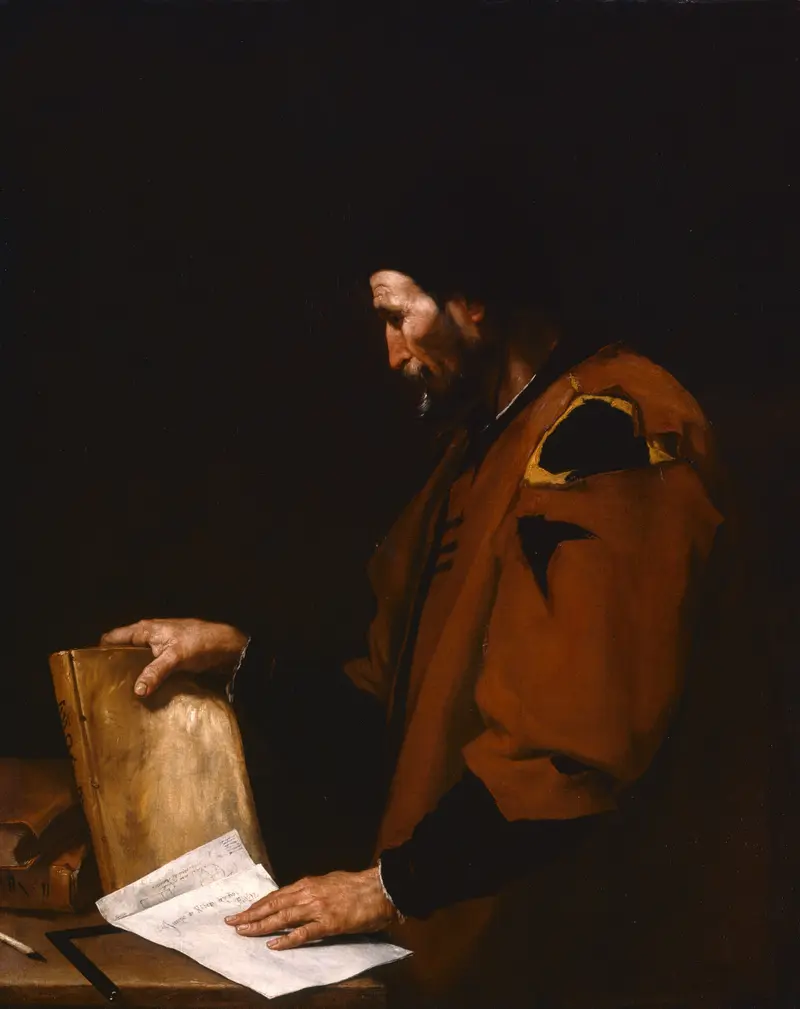
Aristotle
Jusepe de Ribera
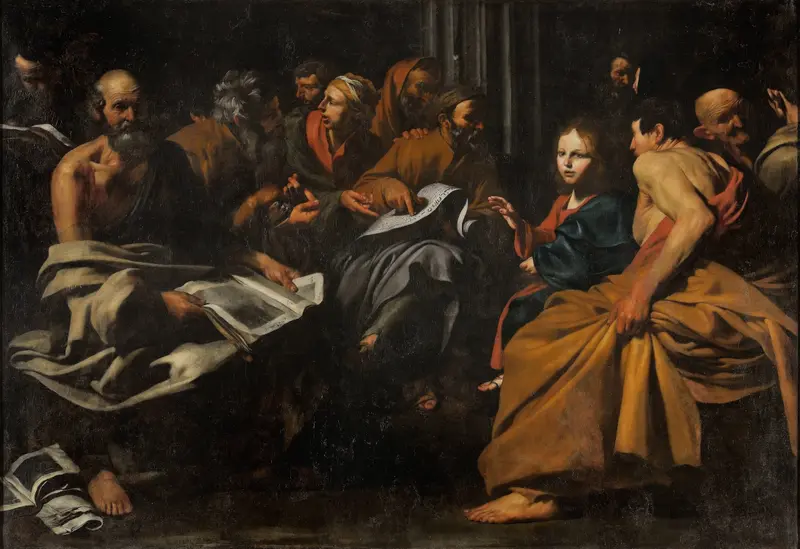
Christ among the doctors
Jusepe de Ribera





