
Saint Matthew and Saint Jerome [verso] — History & Facts
A restless energy animates the figures gathered in the upper left of this sheet, their forms conjured from swift, looping lines and washes of brown ink. The artist’s hand is visible everywhere: faces emerge from a tangle of strokes, gestures flicker into being, and the entire group seems to hover, suspended in a cloud of suggestion rather than certainty. One figure leans forward, intent on his writing, while others cluster around him, their halos lightly sketched in red.
The unfinished quality is not a flaw but an invitation—each mark draws the viewer into the artist’s search for meaning, the process of invention laid bare. Works like this, created in the early sixteenth century, were often the private tools of painters and their workshops, never meant for public display. In the world of Antonio da Correggio, such drawings were the laboratory of ideas, where sacred subjects took shape before finding their final form in paint or fresco. The date, 1523/1524, places this sheet in a period when the Renaissance was alive with experimentation, and artists were pushing the boundaries of composition and expression.
Today, preserved in the National Gallery of Art and shared through open access, this fragment of creative process lets us witness the Renaissance mind at work—unfinished, searching, and alive with possibility.
More Artworks by Antonio da Correggio

Virgin and Child with the Young Saint John the Baptist
Antonio da Correggio
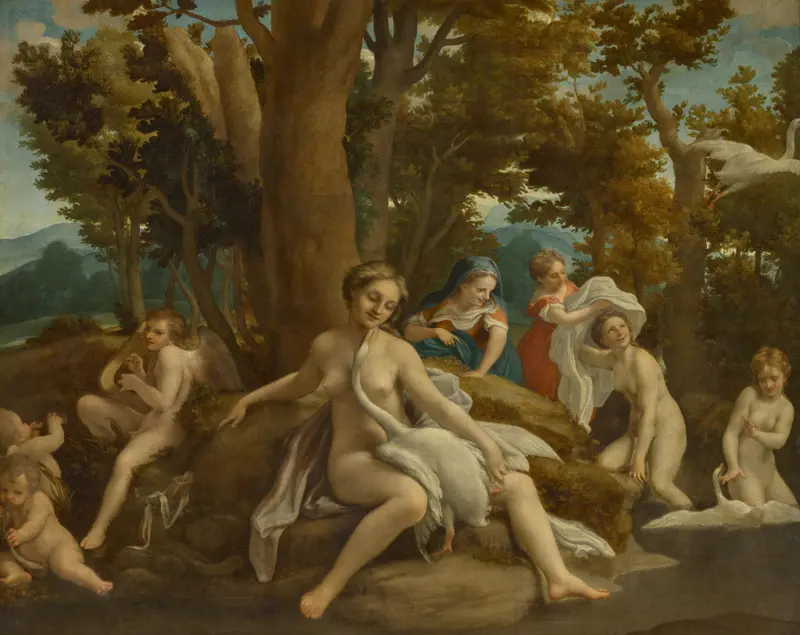
Leda and the Swan
Antonio da Correggio
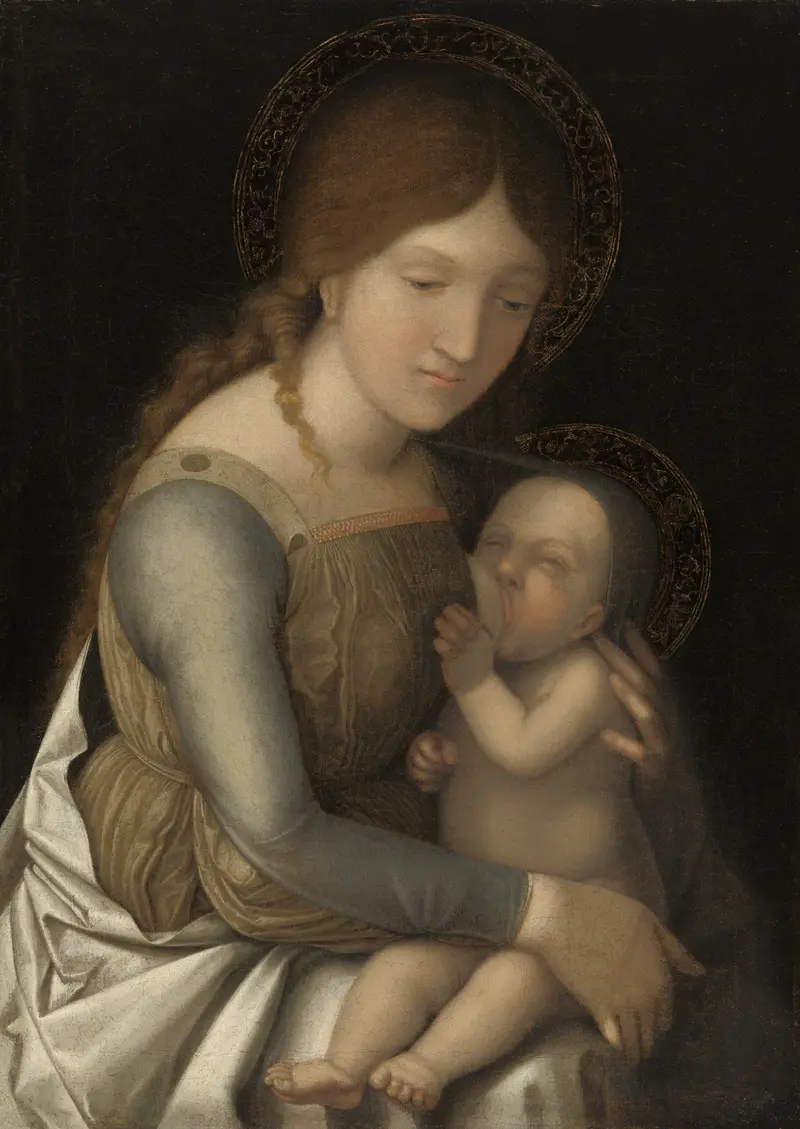
Madonna and Child
Antonio da Correggio
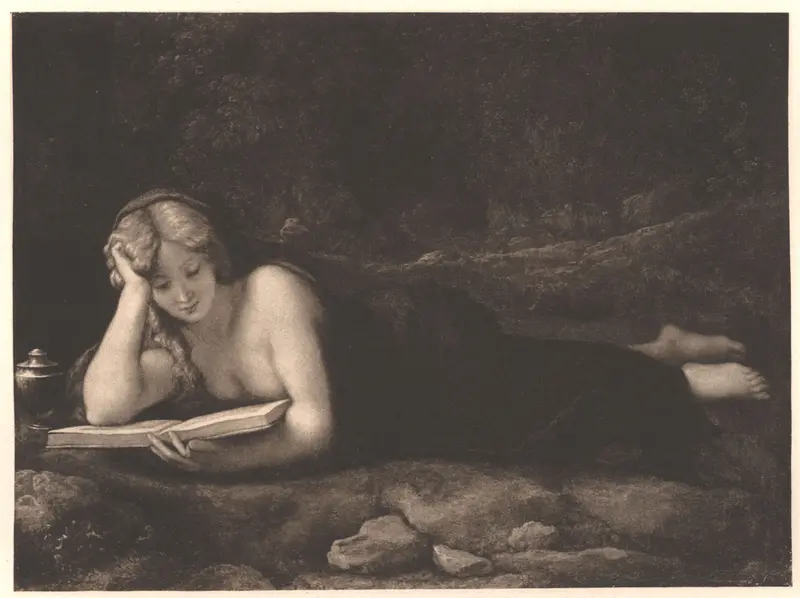
Penitent Magdalene
Antonio da Correggio
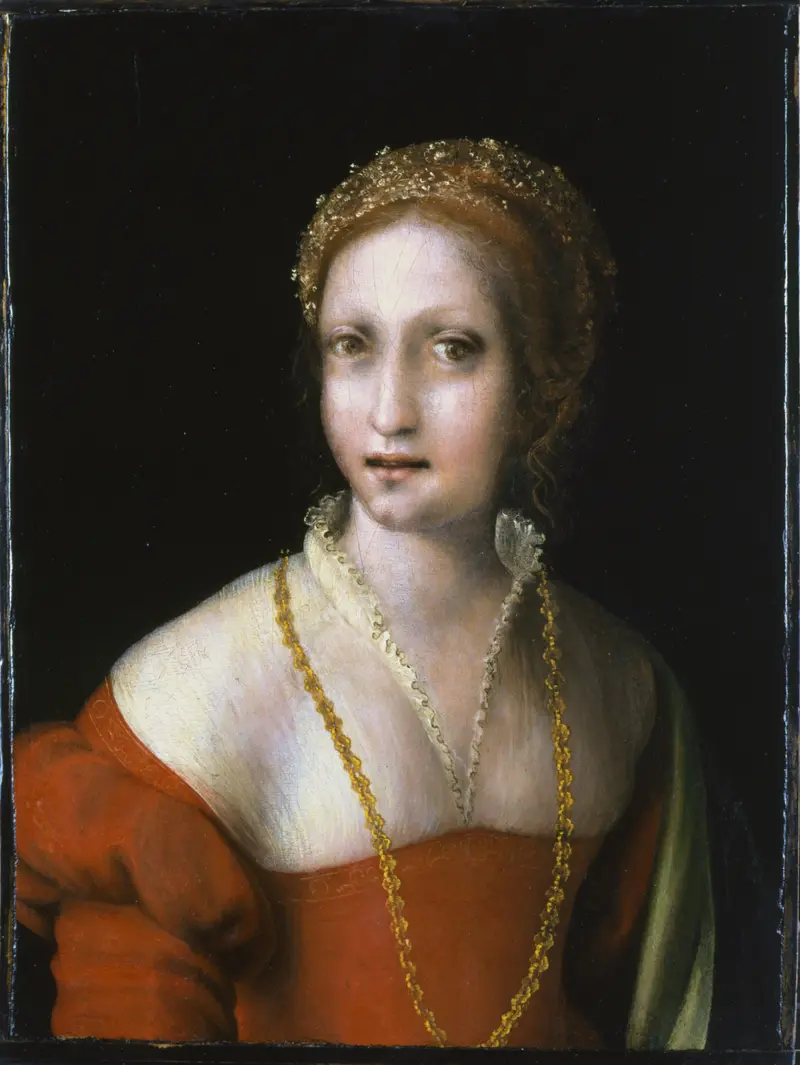
Portrait of a Young Girl
Antonio da Correggio
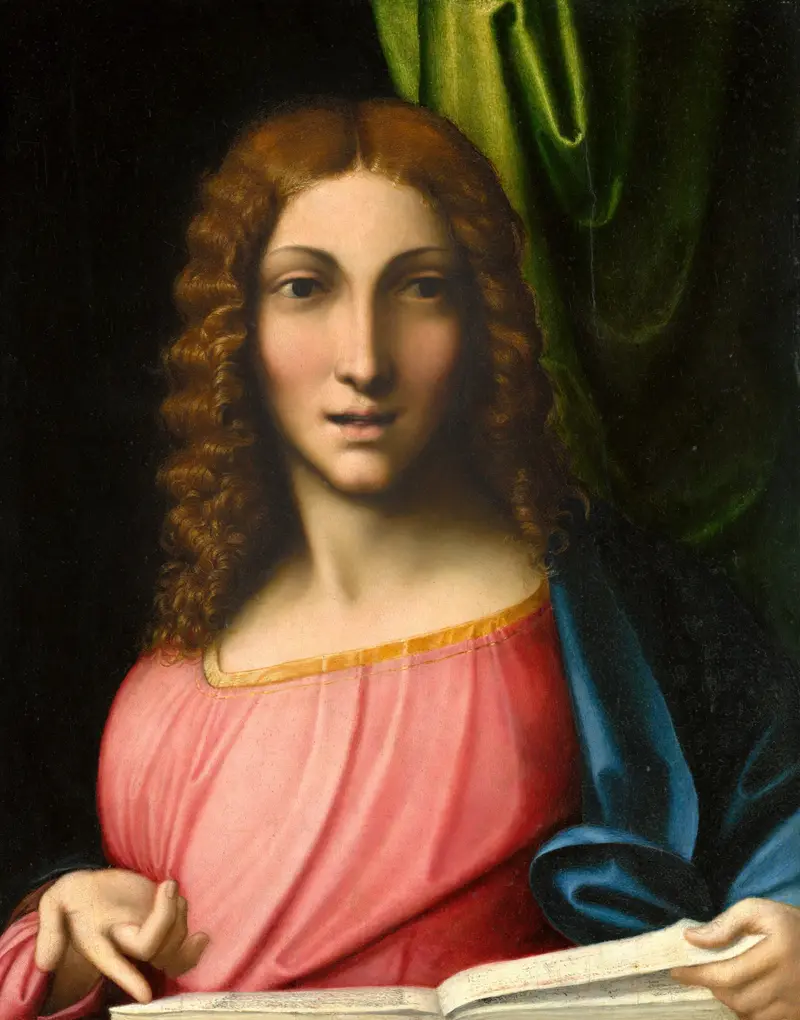
Christ in the Temple
Antonio da Correggio

Nativity
Antonio da Correggio
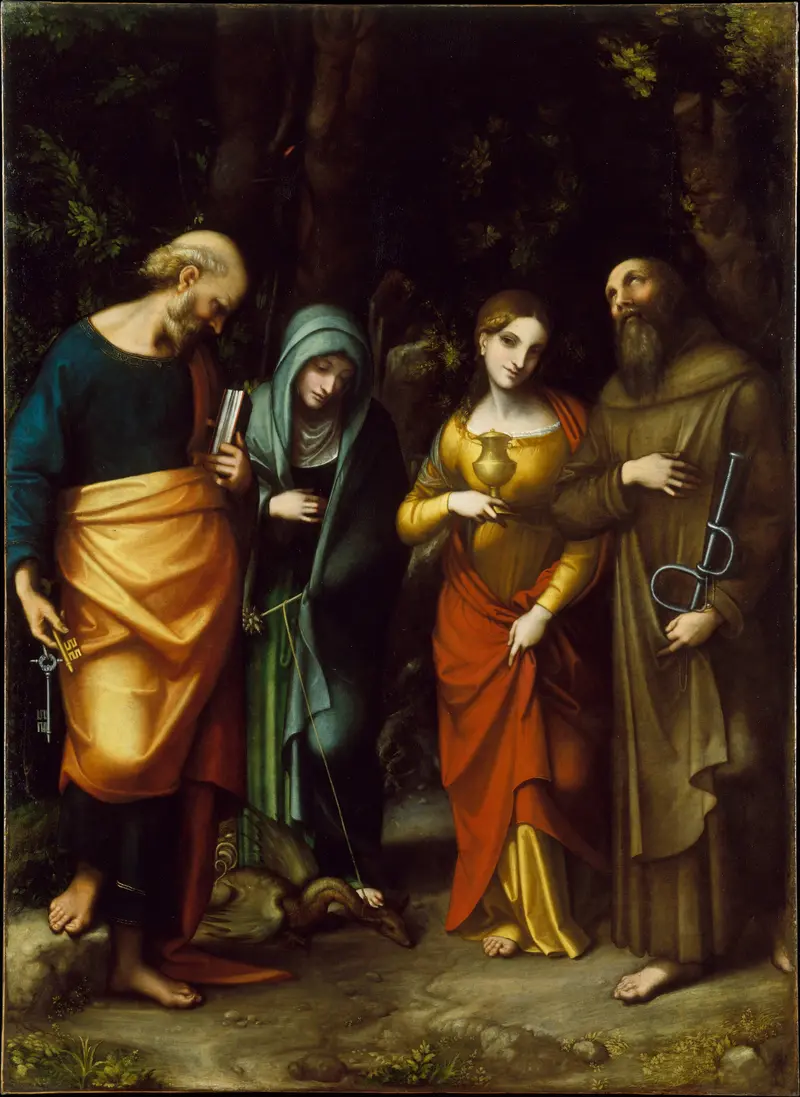
Saints Peter, Martha, Mary Magdalen, and Leonard
Antonio da Correggio
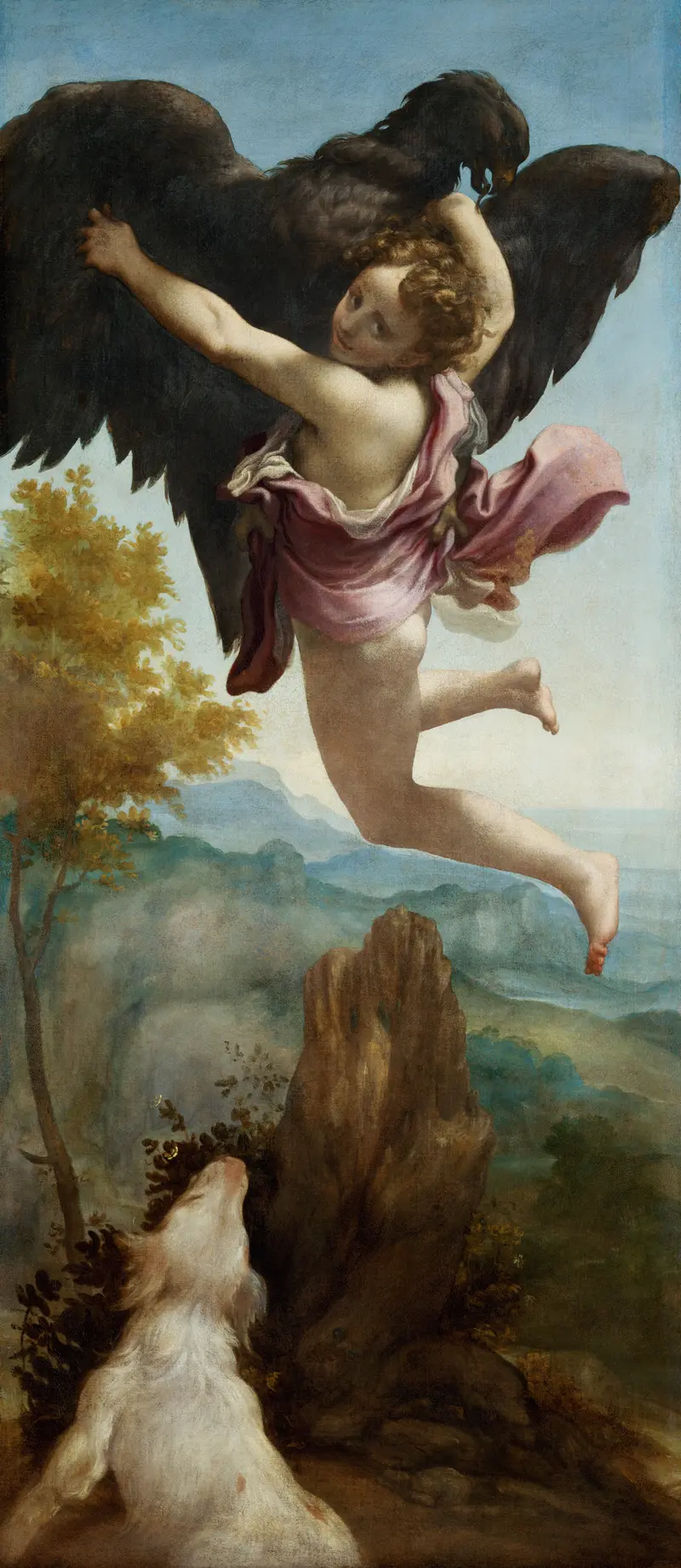
The Loves of Jupiter
Antonio da Correggio

Study for the "Madonna della Scodella" [recto]
Antonio da Correggio





