
Saint Paul entouré par les lions — History & Facts
When Alexandre Cabanel first exhibited Saint Paul entouré par les lions at the 1843 Paris Salon, he was just twenty years old—a prodigy making his mark in a fiercely competitive arena. The painting drew attention not only for its technical skill but for Cabanel’s daring choice to depict the apostle Paul at the very brink of martyrdom, a subject more often reserved for established masters. In a period where academic painting was dominated by grand history scenes, Cabanel’s youthful ambition and emotional intensity set him apart, foreshadowing the celebrated career that would follow. The scene Cabanel chose is one of suspense: Paul, the indefatigable apostle, stands in the Roman arena, surrounded by lions yet untouched.
According to Christian tradition, Paul was condemned to death under Nero, though legend holds that the beasts refused to harm him. Cabanel’s Paul is not cowering but upright, his gaze lifted heavenward, hands loosely bound—a gesture of both resignation and faith. The lions, rendered with sinewy realism, prowl at his feet but seem almost hesitant, as if held back by an unseen force.
The play of light isolates Paul in a halo of brightness, echoing divine protection, while the shadowed amphitheater looms behind. Unlike Rubens’ more tumultuous martyrdoms, Cabanel’s restraint heightens the tension, inviting viewers to contemplate faith in the face of mortal danger. The exact medium of Saint Paul entouré par les lions is not firmly documented, though it is likely oil on canvas, typical for Salon works of the time. The painting’s early success helped launch Cabanel into the public eye, earning him a place at the École des Beaux-Arts and setting the stage for his later triumphs, including the Prix de Rome.
While the current whereabouts of this early work are unclear—unlike his later, more famous canvases in the Musée d'Orsay and the Louvre—it remains a testament to the young artist’s skill and ambition. Today, Saint Paul entouré par les lions is recognized as a key work in understanding Cabanel’s evolution from precocious student to leading figure of the French academic tradition.
More Artworks by Alexandre Cabanel
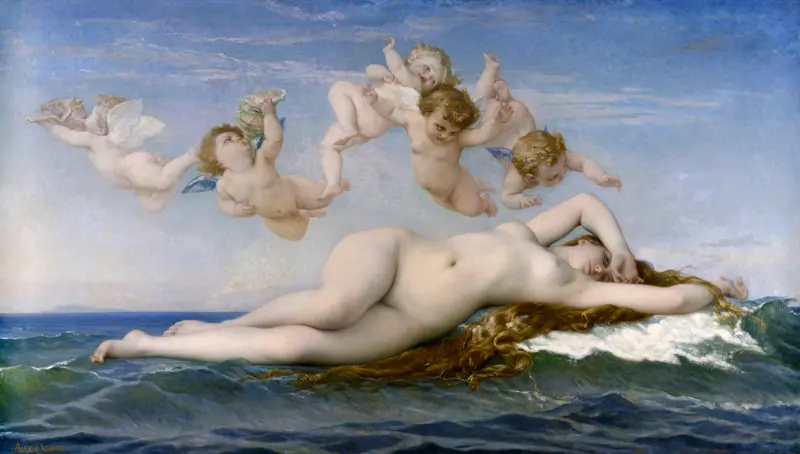
The Birth of Venus
Alexandre Cabanel
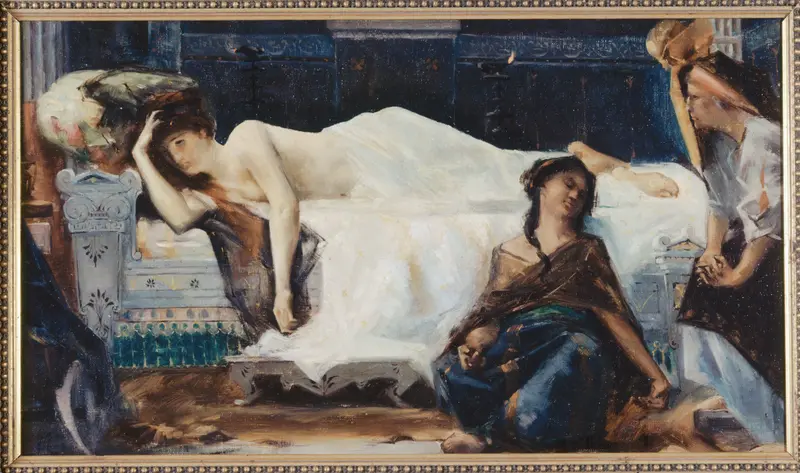
Phèdre
Alexandre Cabanel
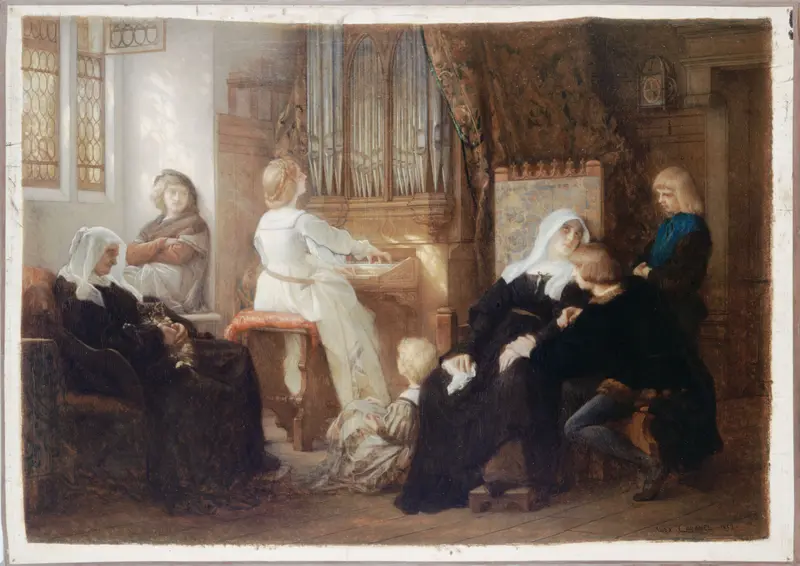
La veuve du maître de chapelle
Alexandre Cabanel
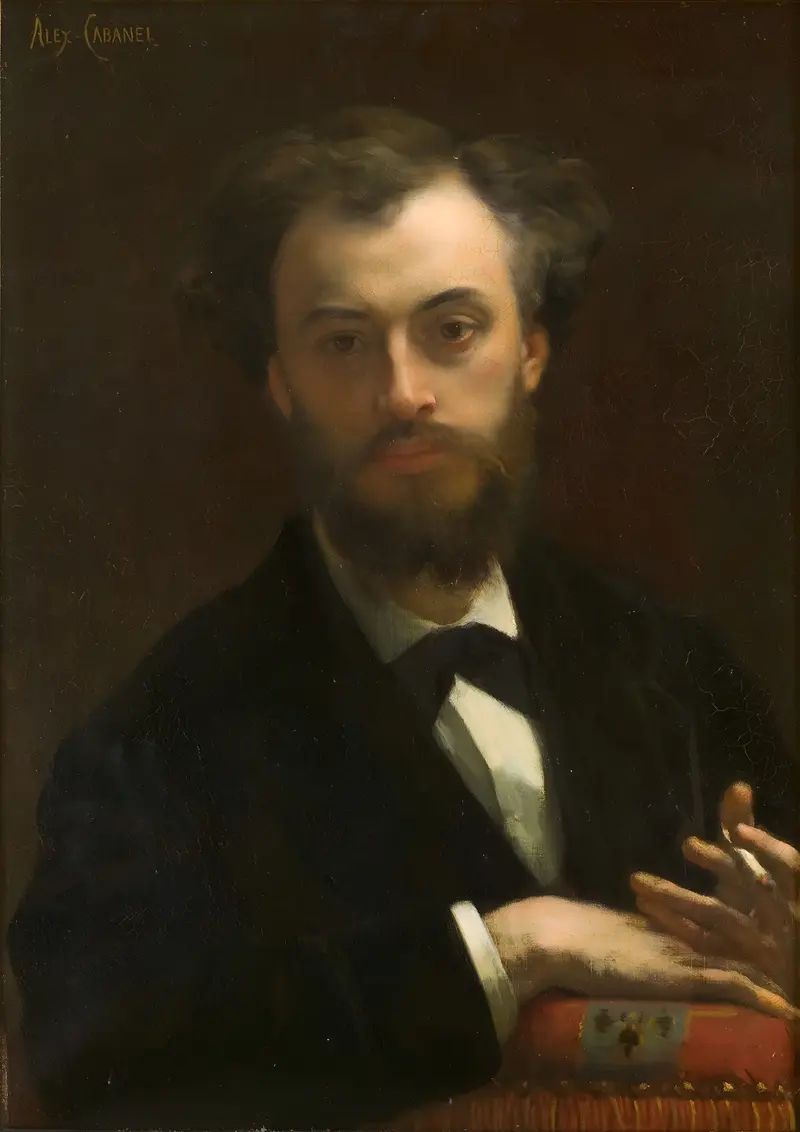
Portrait de M. Pierre Cabanel
Alexandre Cabanel
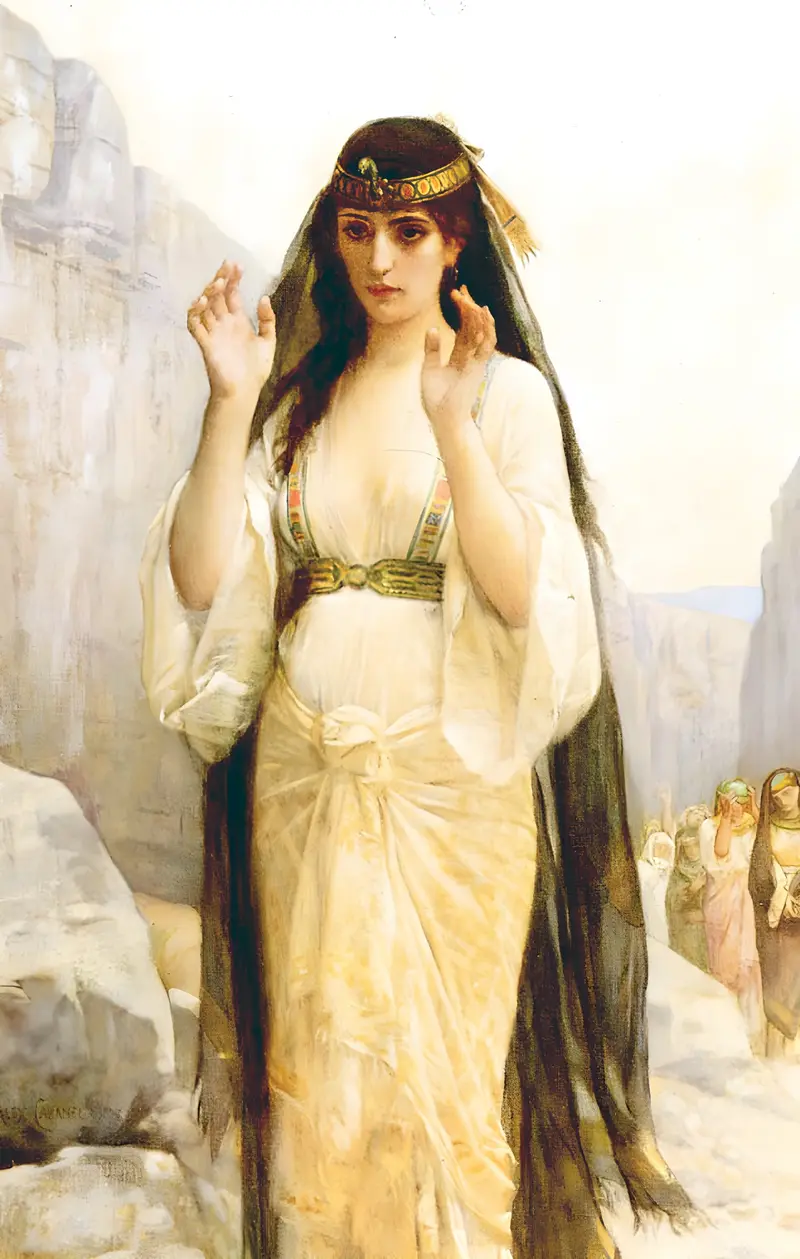
The Daughter of Jephthah
Alexandre Cabanel
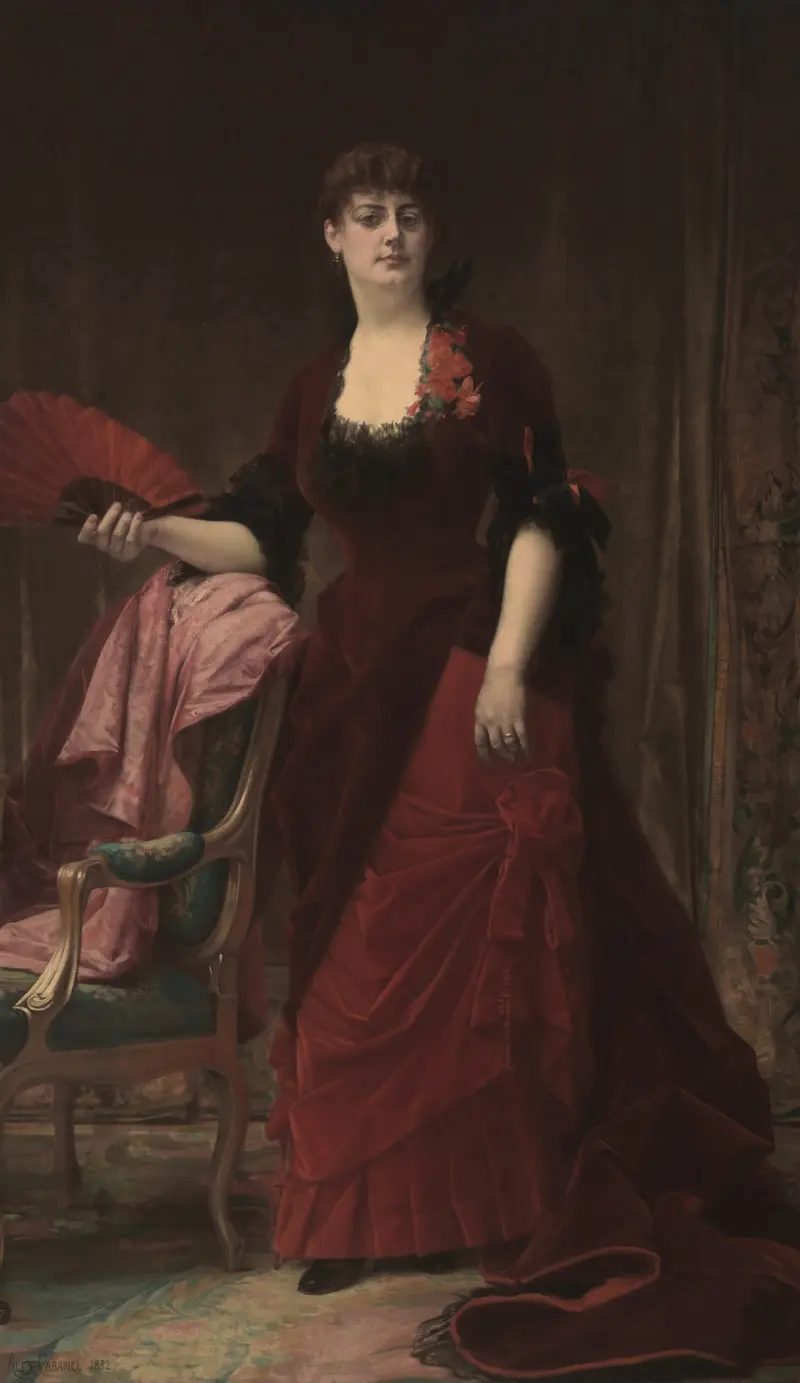
Portrait of Arabella Worsham (later Arabella Huntington)
Alexandre Cabanel
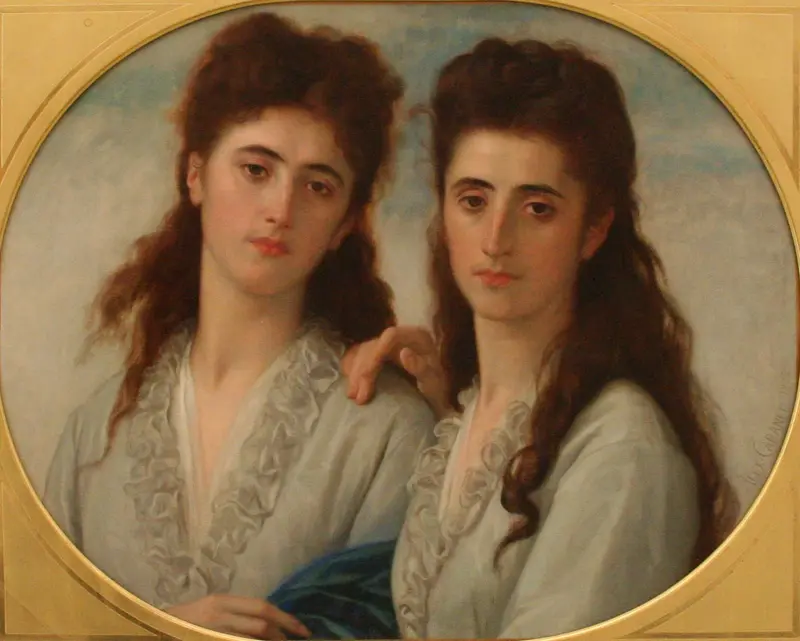
Portrait de mesdemoiselles Sophie et Berthe Cabanel
Alexandre Cabanel
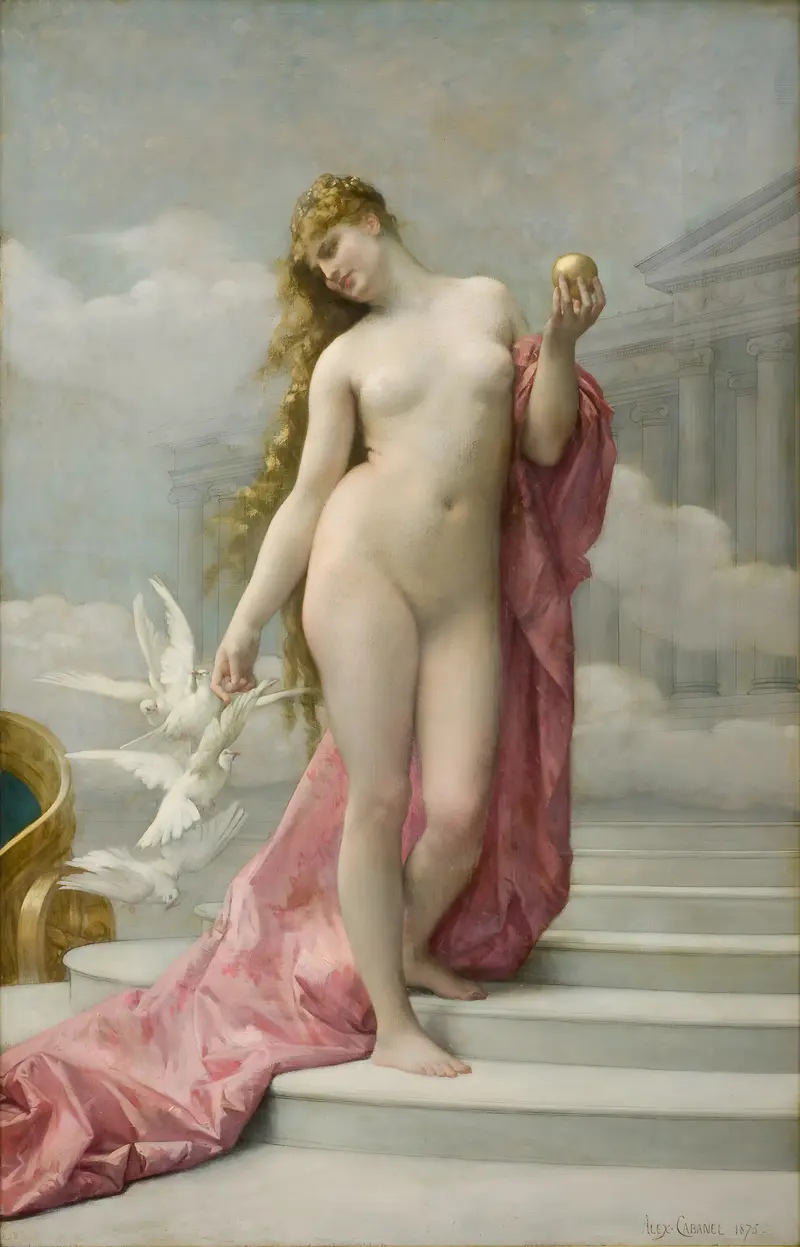
Vénus victorieuse
Alexandre Cabanel
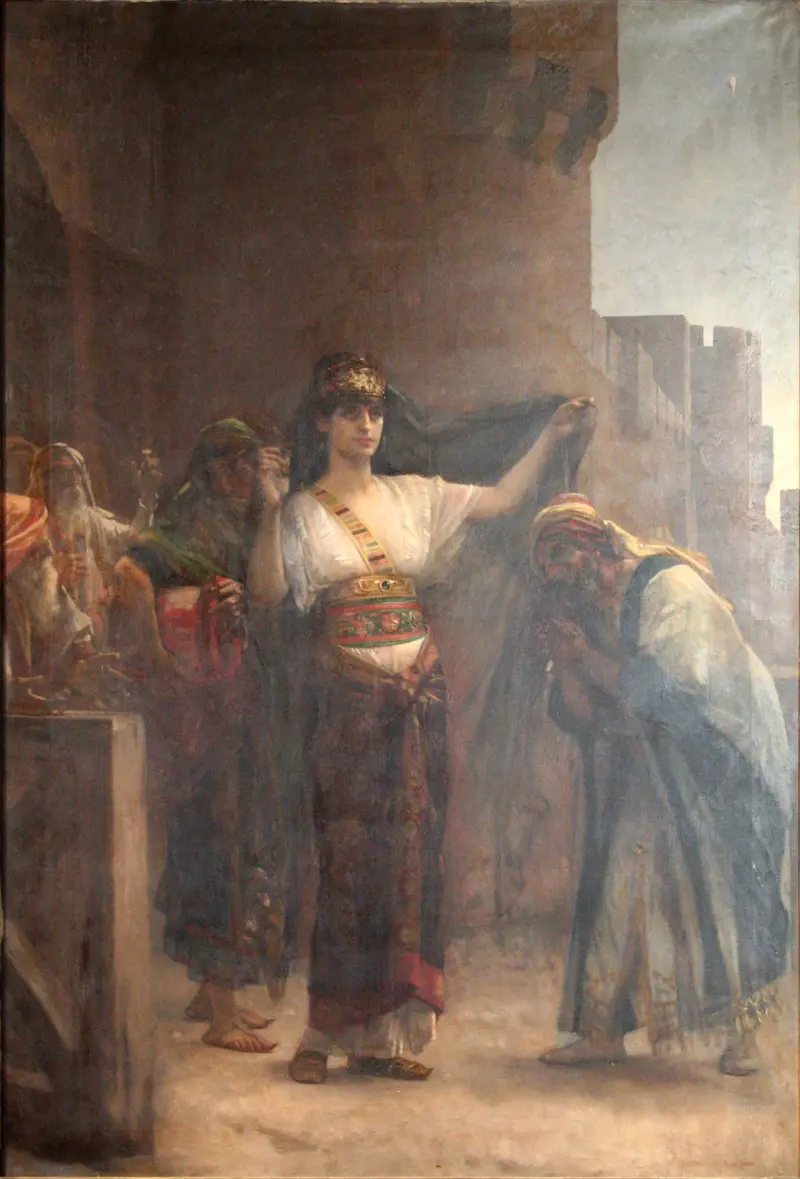
Judith
Alexandre Cabanel
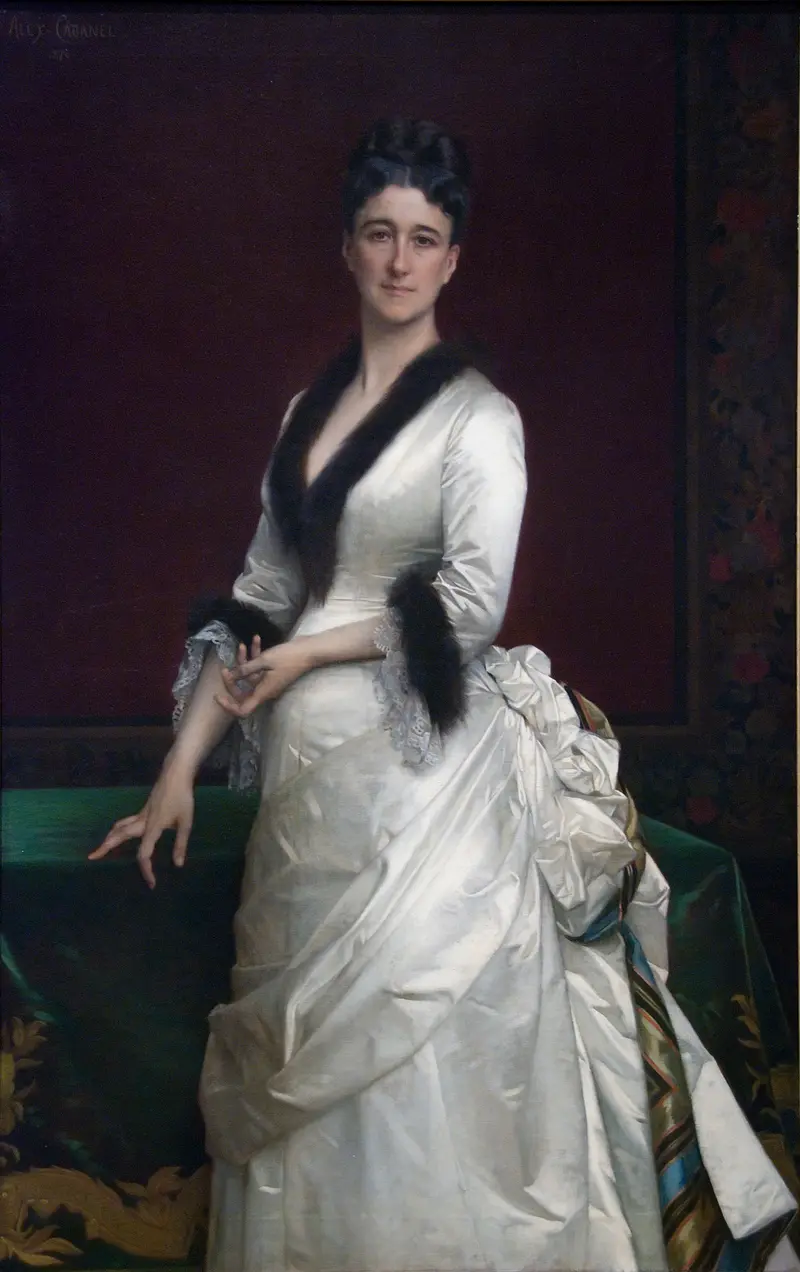
Catharine Lorillard Wolfe (1828–1887)
Alexandre Cabanel





