Sappho — History & Facts
The first thing to catch the eye in Sappho by Arnold Böcklin is not the poet herself, but the way she seems to dissolve into the forested twilight. Her white robe and golden lyre are almost spectral against the deep greens and browns, as if she is both part of the landscape and set apart from it. The figure reclines on a mossy rock, her face turned away, lost in thought or music, while the trees arch overhead, their trunks slicing the canvas and leading the gaze upward to a patch of luminous sky.
The play of light is deliberate: it draws attention to her instrument and the pale curve of her arm, suggesting the act of creation even in solitude. Böcklin’s composition invites the viewer to imagine the sound that might fill this shadowed glade, and to wonder what the poet sees beyond the trees. Painted in 1862, this work belongs to a moment when artists across Europe were rediscovering myth and legend, often turning to figures like Sappho as symbols of artistic longing and isolation. In the mid-19th century, painters such as Böcklin—a key figure in the Symbolist movement—crafted images that were less about historical accuracy and more about mood, memory, and the inner life.
Little is recorded about the specific history of this painting, now found via gallerix.ru, but its subject and style speak to a wider fascination with the ancient world filtered through Romantic and early Symbolist sensibilities. Paintings like this were made for private collectors, for whom myth offered a mirror to their own dreams and doubts. The forest silence in Sappho still asks the viewer to listen for echoes of song among the leaves.
More Artworks by Arnold Böcklin

Die Toteninsel III
Arnold Böcklin
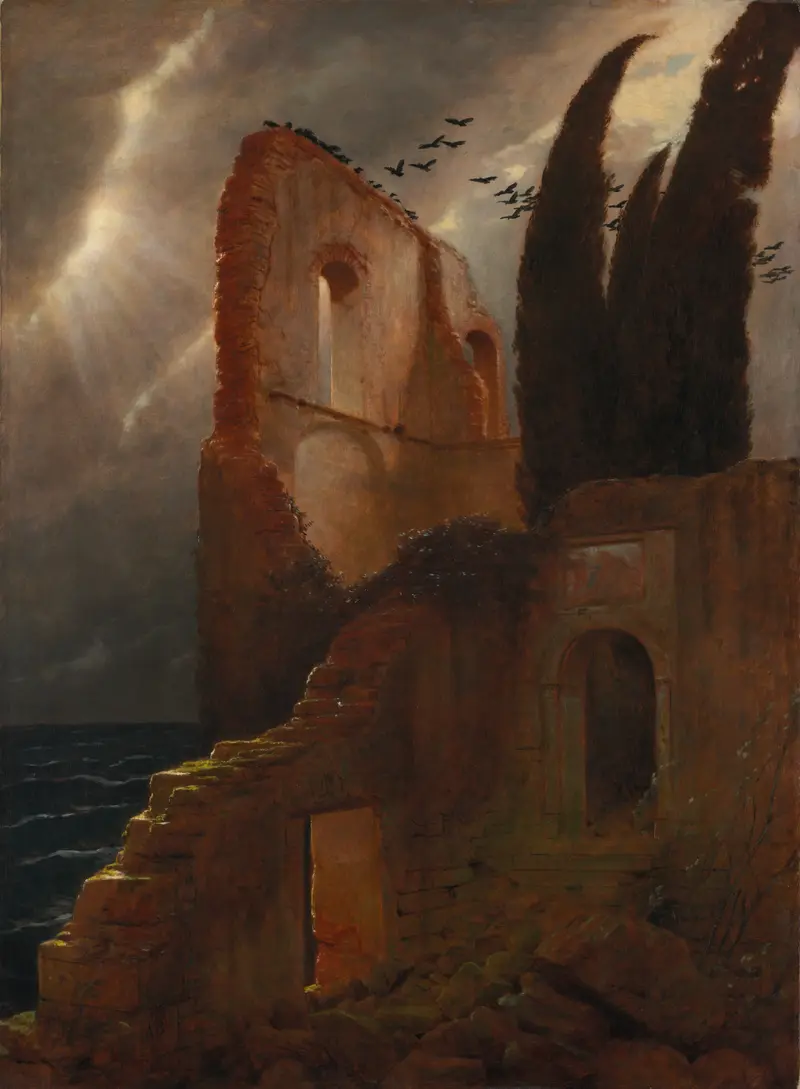
Ruin by the Sea
Arnold Böcklin
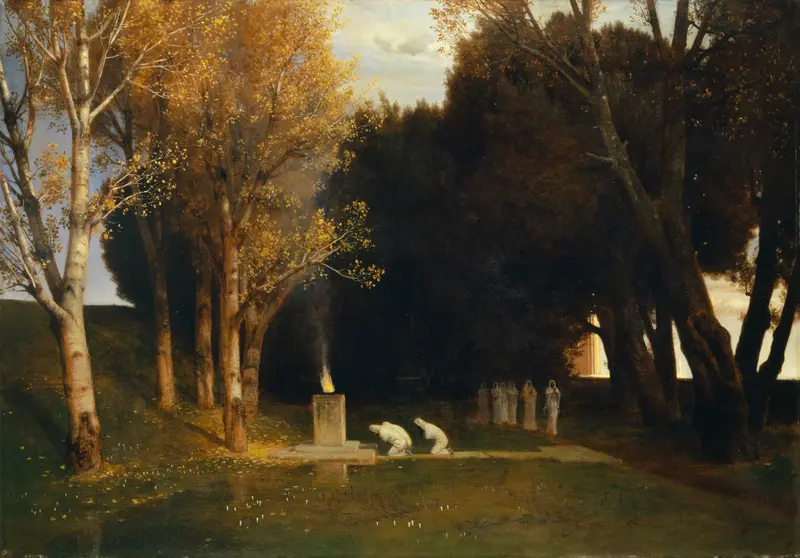
The Sacred Grove
Arnold Böcklin
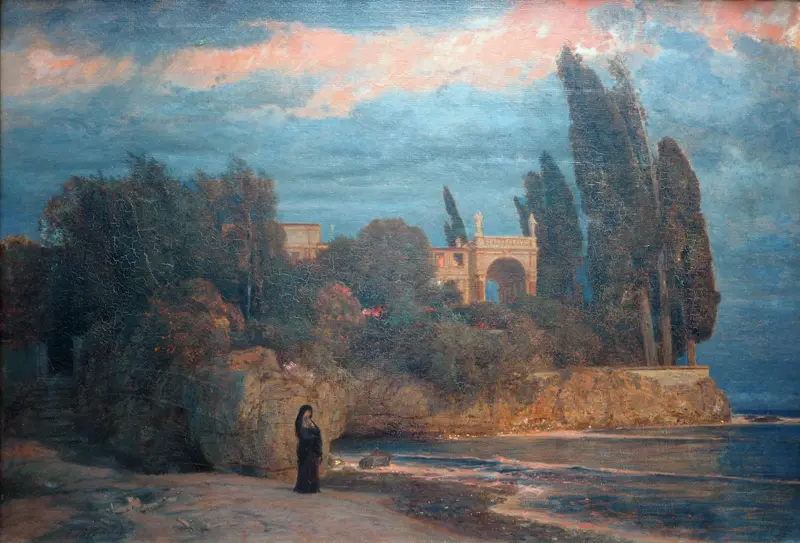
Villa by the Sea
Arnold Böcklin
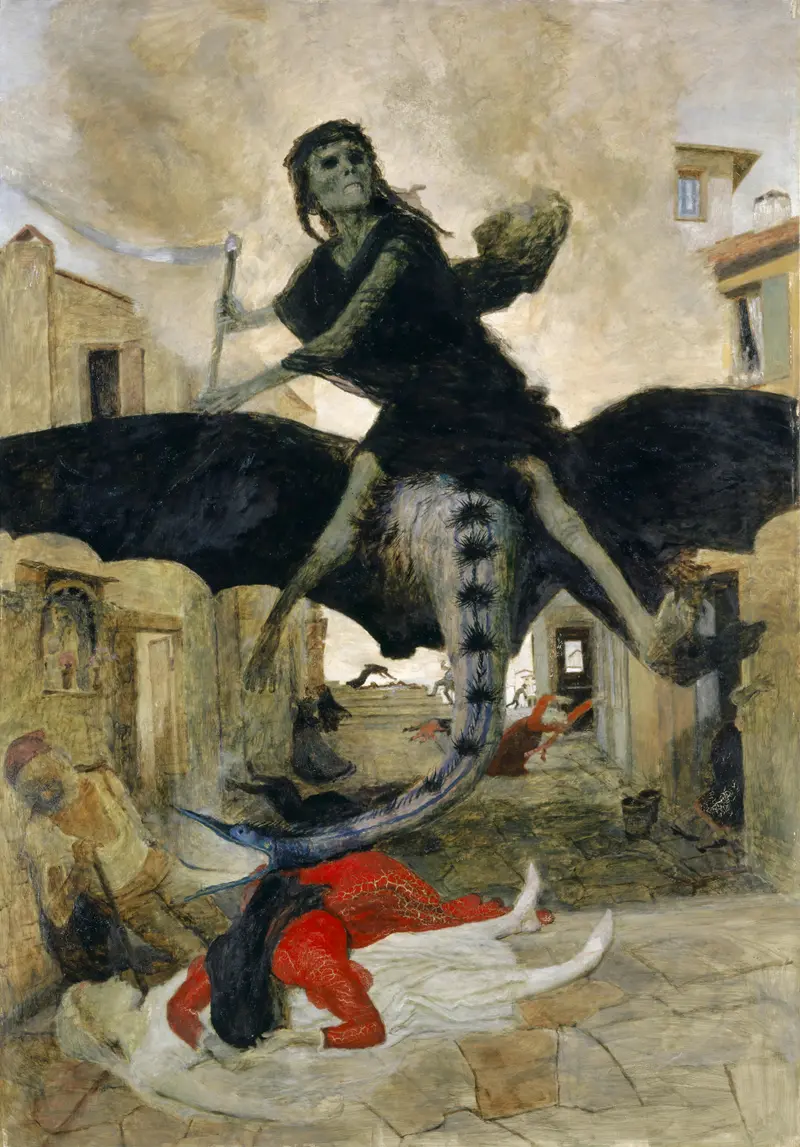
The Plague
Arnold Böcklin
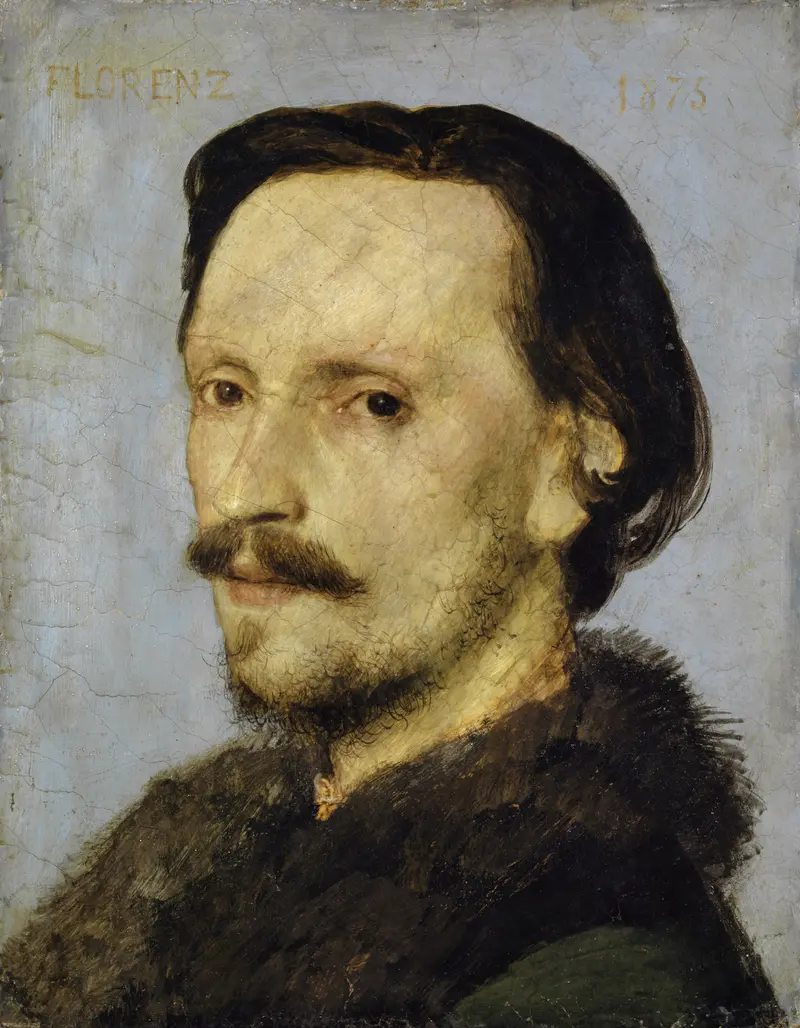
Böcklin Bildnis des Kunsthistorikers Adolph Bayersdorfer, 1875
Arnold Böcklin
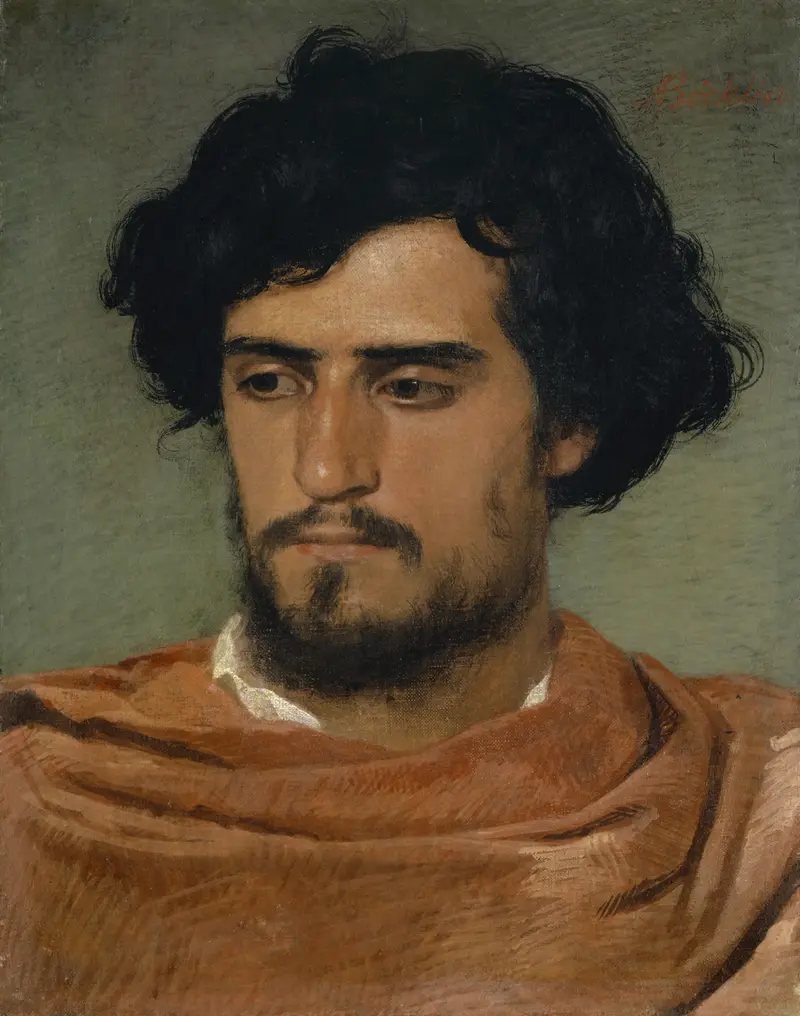
Head of a Roman
Arnold Böcklin
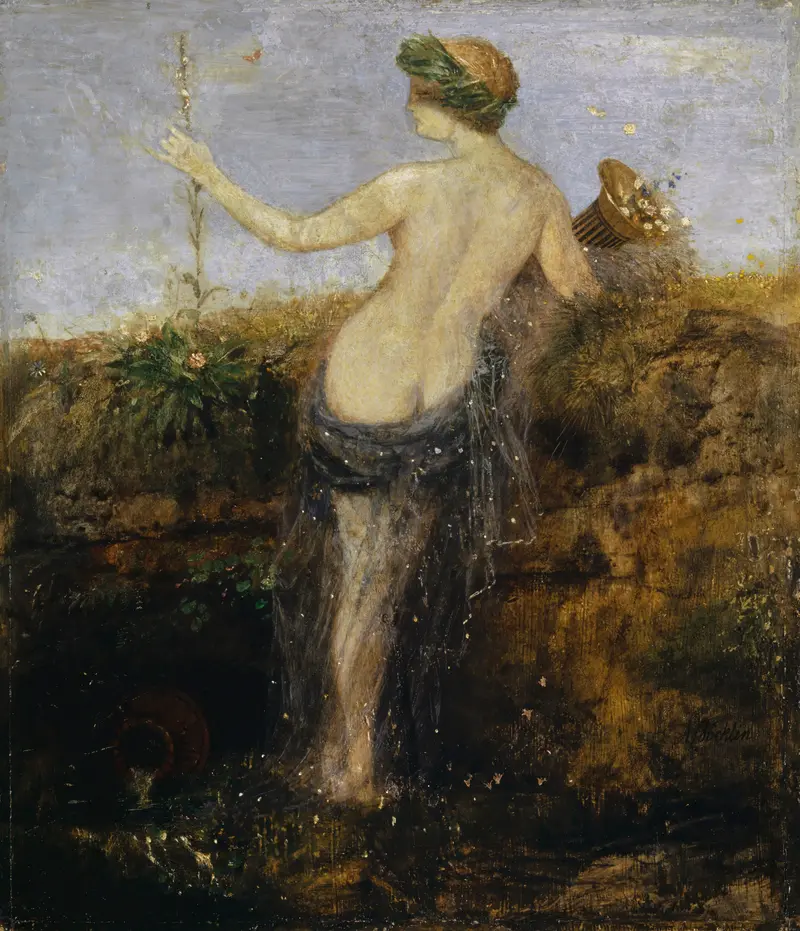
Nymphe with Horn of Plenty
Arnold Böcklin
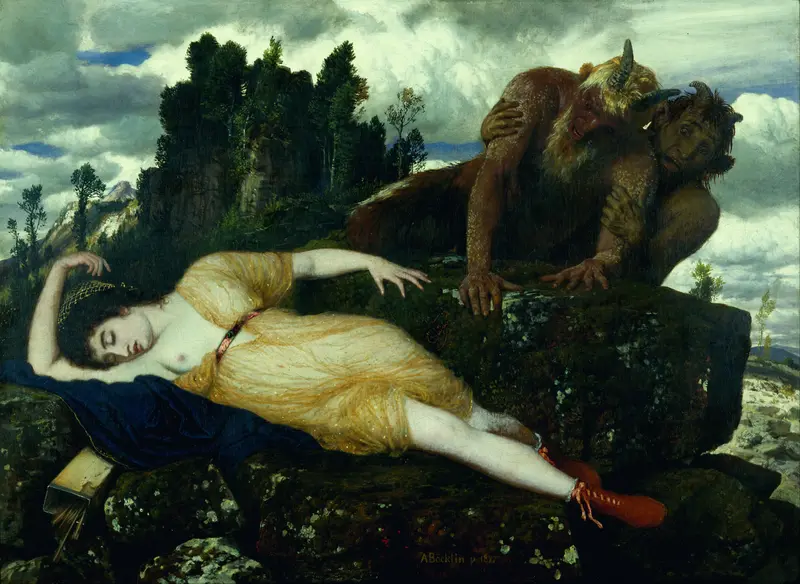
Sleeping Diana Watched by Two Fauns
Arnold Böcklin
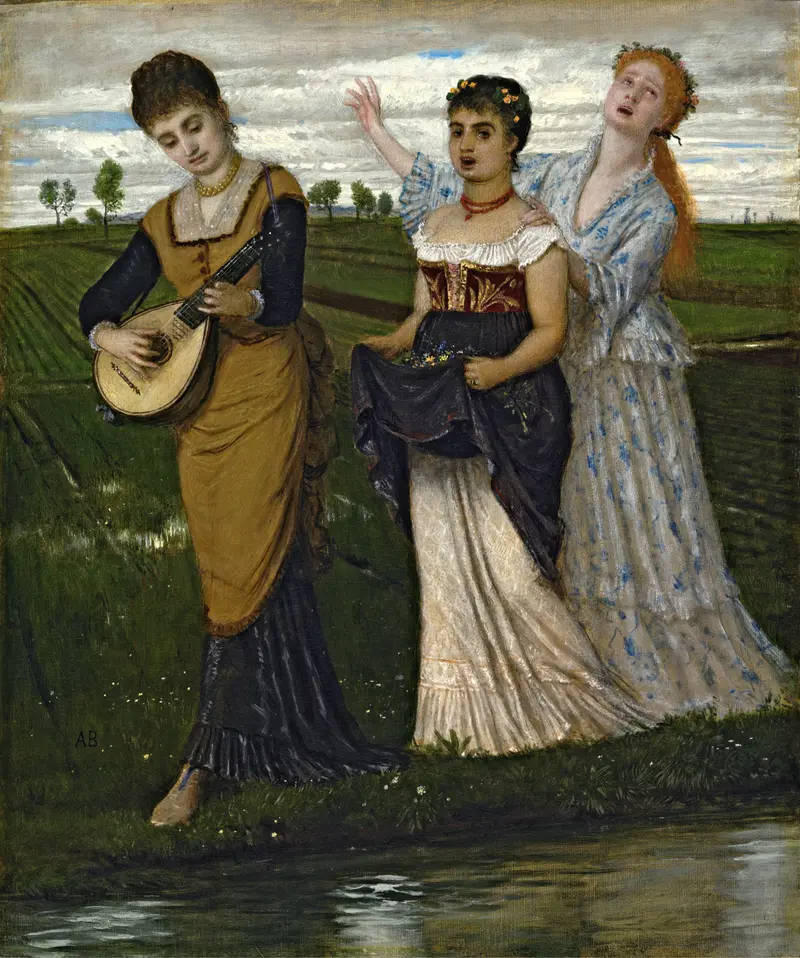
Spring (Songs of Spring)
Arnold Böcklin