
Sara Handing a Toy to the Baby — History & Facts
When Mary Cassatt exhibited Sara Handing a Toy to the Baby in 1901, it was immediately recognized as part of her ongoing exploration of the intimate world of mothers and children—a theme that had become her signature. What sets this painting apart is that it features her own family: Sara is believed to be Cassatt’s niece, and the baby her grandniece. This personal connection infuses the work with a sense of authenticity and warmth that critics of the time remarked upon.
The painting stands as one of the last major works Cassatt completed before her eyesight began to fail, marking the end of her most productive period. The scene captures a quiet domestic exchange: a young woman, Sara, leans forward, offering a toy to a baby nestled in a high chair. Cassatt’s choice of moment is telling—the baby’s small hands reach out, eyes wide with curiosity, while Sara’s gentle posture conveys both care and encouragement. The composition is tightly framed, drawing the viewer into the intimate space, and the soft, luminous palette typical of Impressionism bathes the figures in natural light.
Unlike the more formal maternal portraits of Renoir or Bouguereau, Cassatt’s approach is direct and unsentimental; the focus is on the act of learning and connection, not on idealized motherhood. The exact medium of Sara Handing a Toy to the Baby is not clearly documented, though Cassatt often worked in oil and pastel during this period. The painting’s provenance is somewhat obscure; it is known to have remained within the artist’s family for several decades before entering a public collection. Today, it is celebrated as a quintessential example of Cassatt’s mature style, reflecting both her technical mastery and her deep engagement with the everyday lives of women and children.
The work stands as a testament to her place within the Impressionist movement, and to her enduring influence on the depiction of domestic life.
More Artworks by Mary Cassatt

The Child's Bath
Mary Cassatt
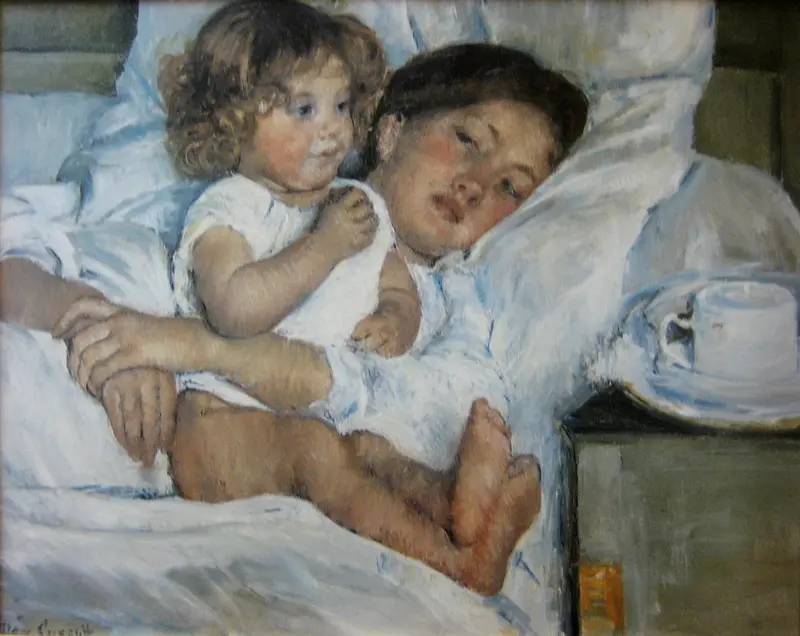
Breakfast in Bed
Mary Cassatt

Mother and Child (Baby Getting Up from His Nap)
Mary Cassatt
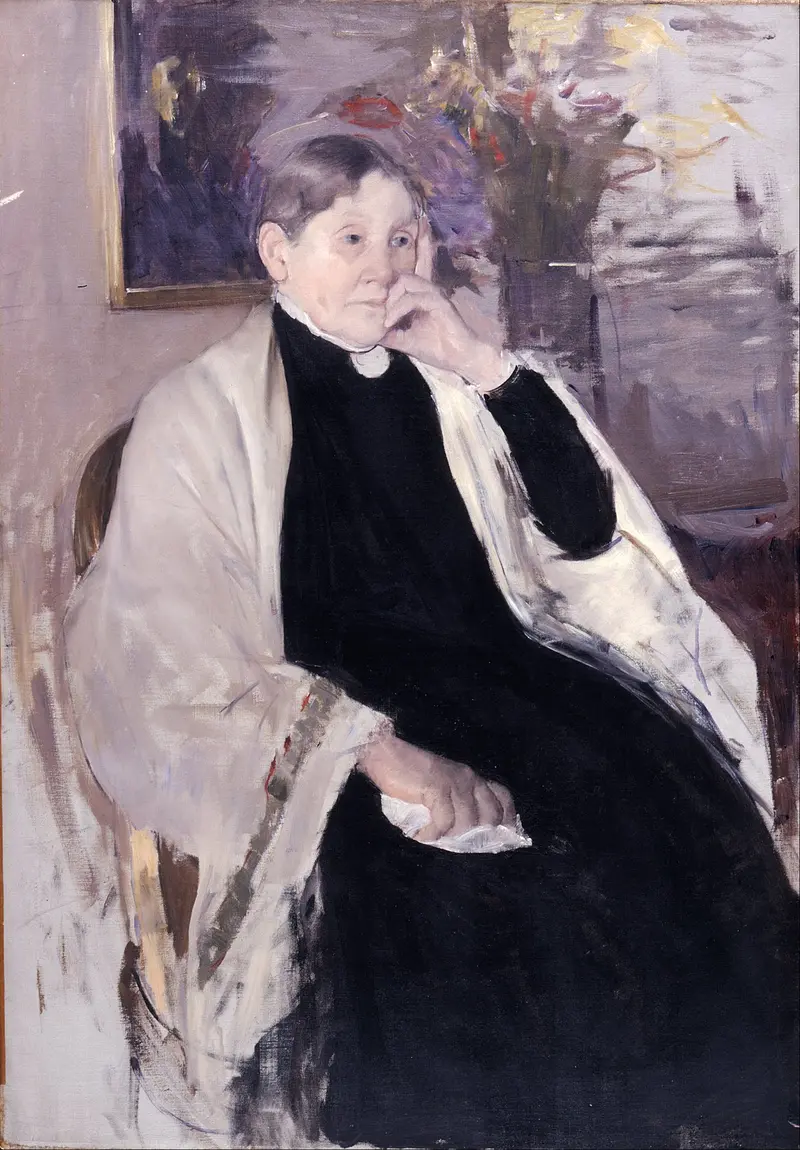
Mrs. Robert S. Cassatt, the Artist's Mother
Mary Cassatt
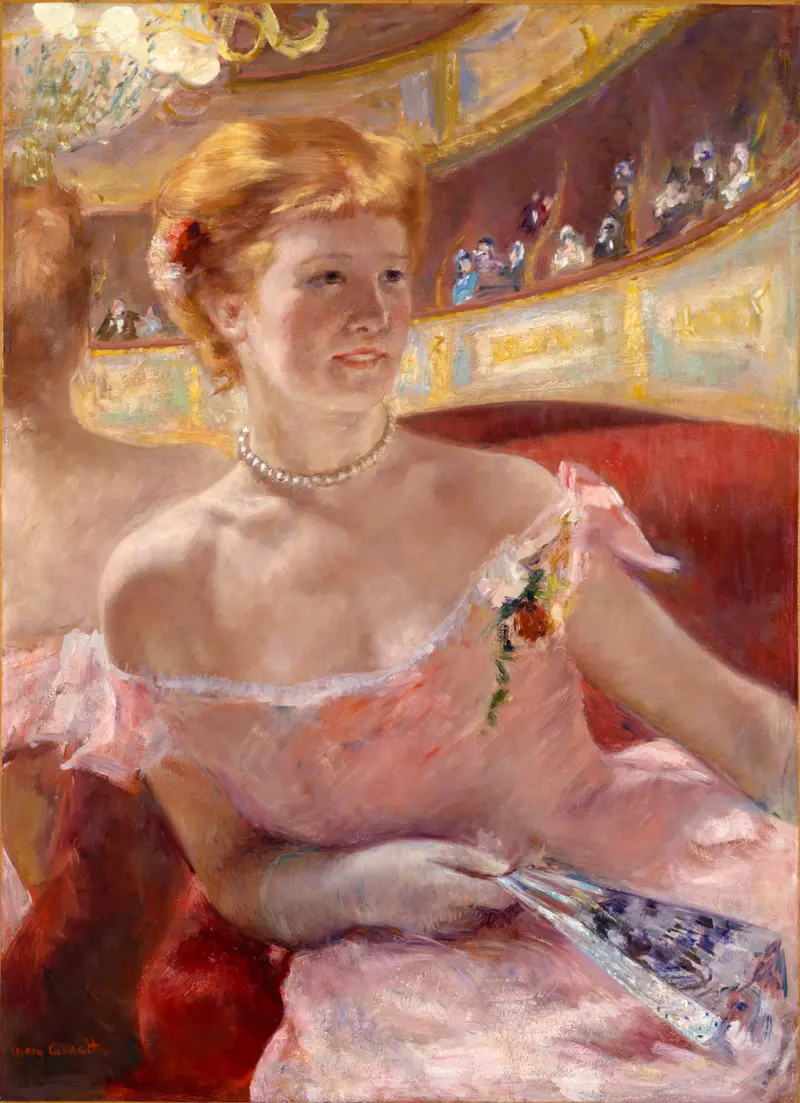
Woman with a Pearl Necklace in a Loge
Mary Cassatt
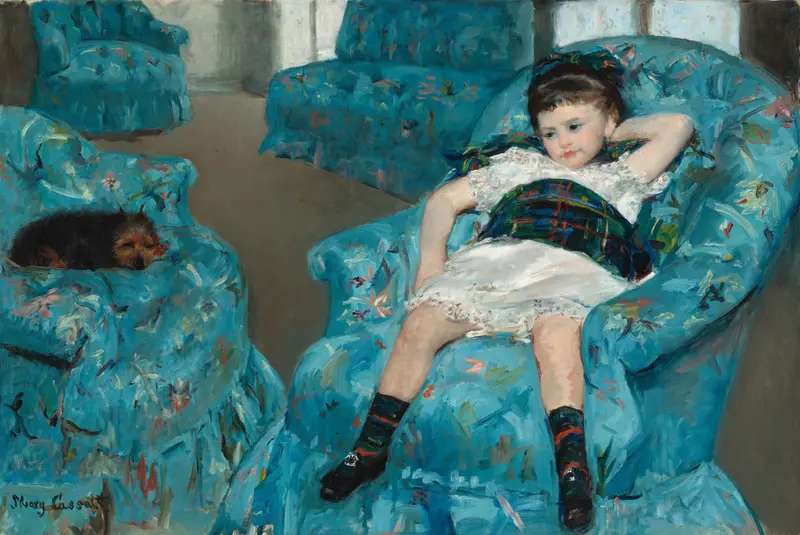
Little Girl in a Blue Armchair
Mary Cassatt
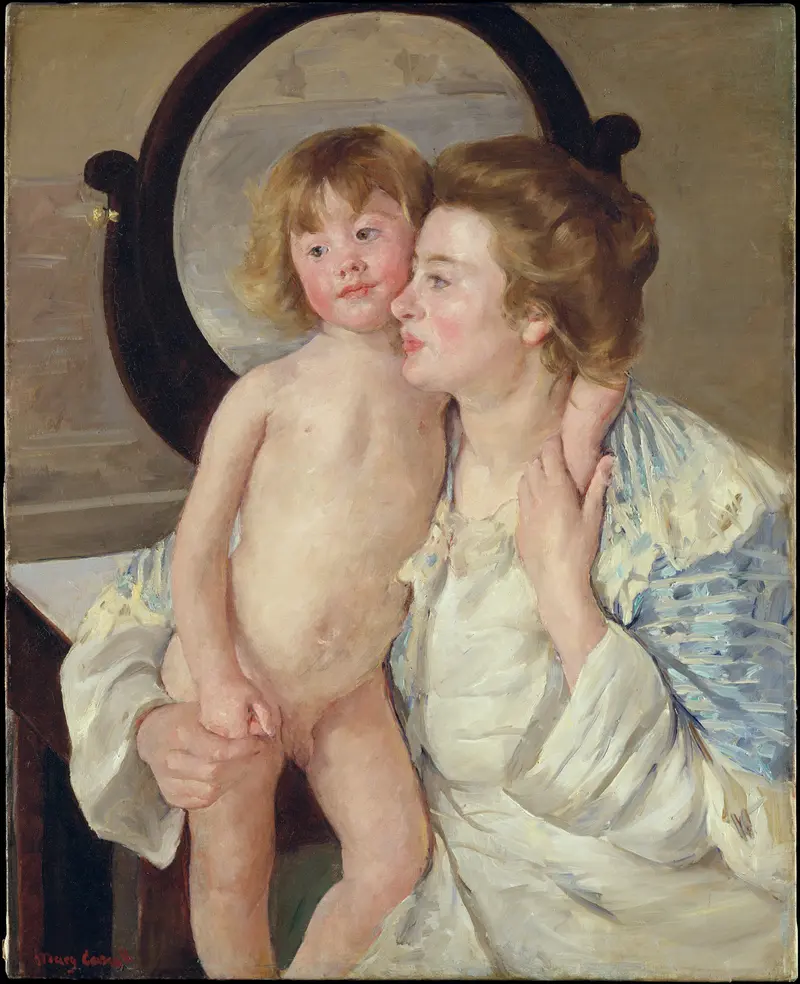
Mother and Child (The Oval Mirror)
Mary Cassatt
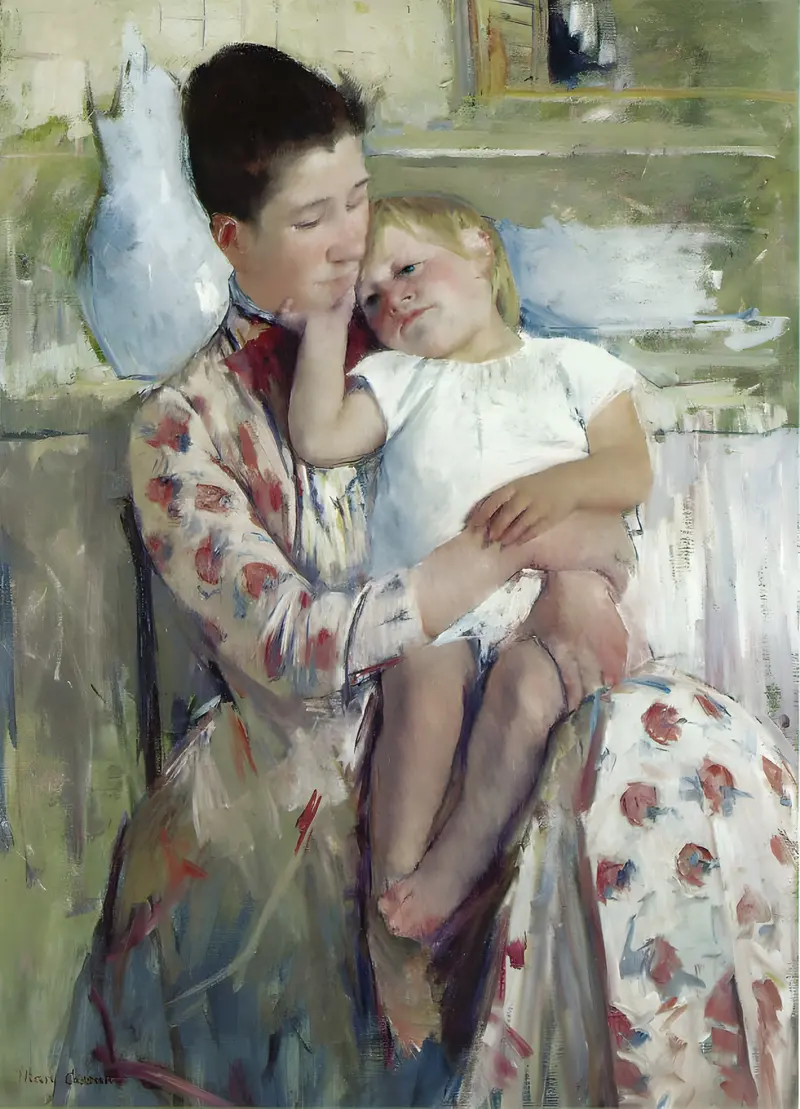
Mother and Child
Mary Cassatt
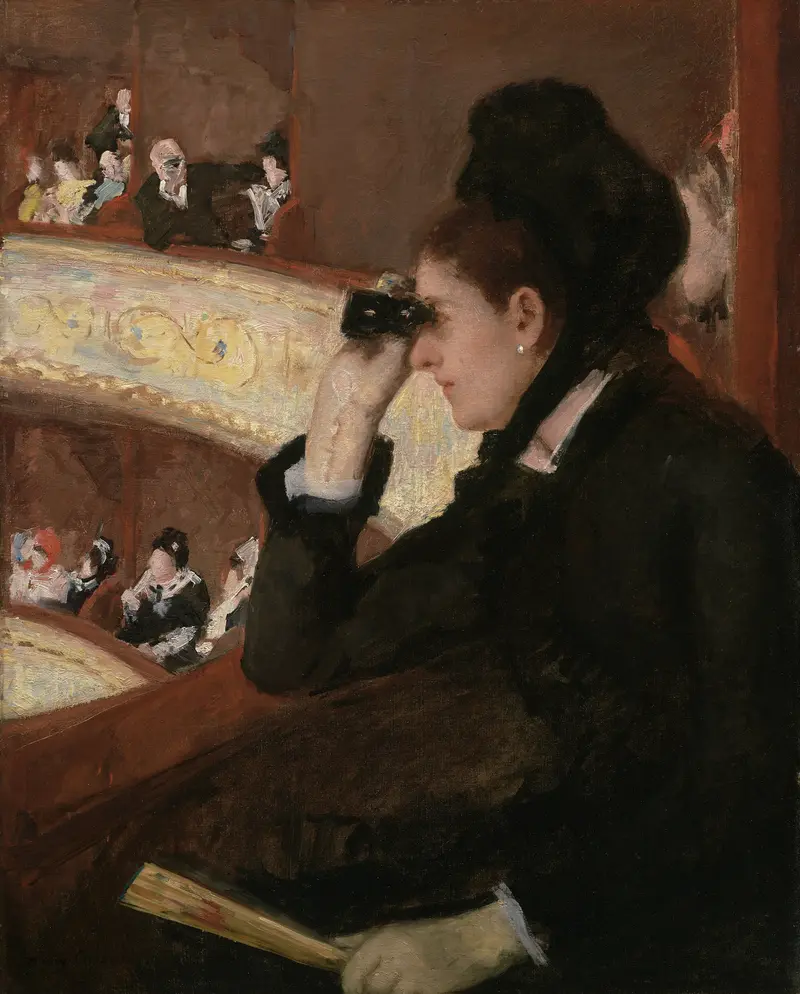
In The Loge
Mary Cassatt
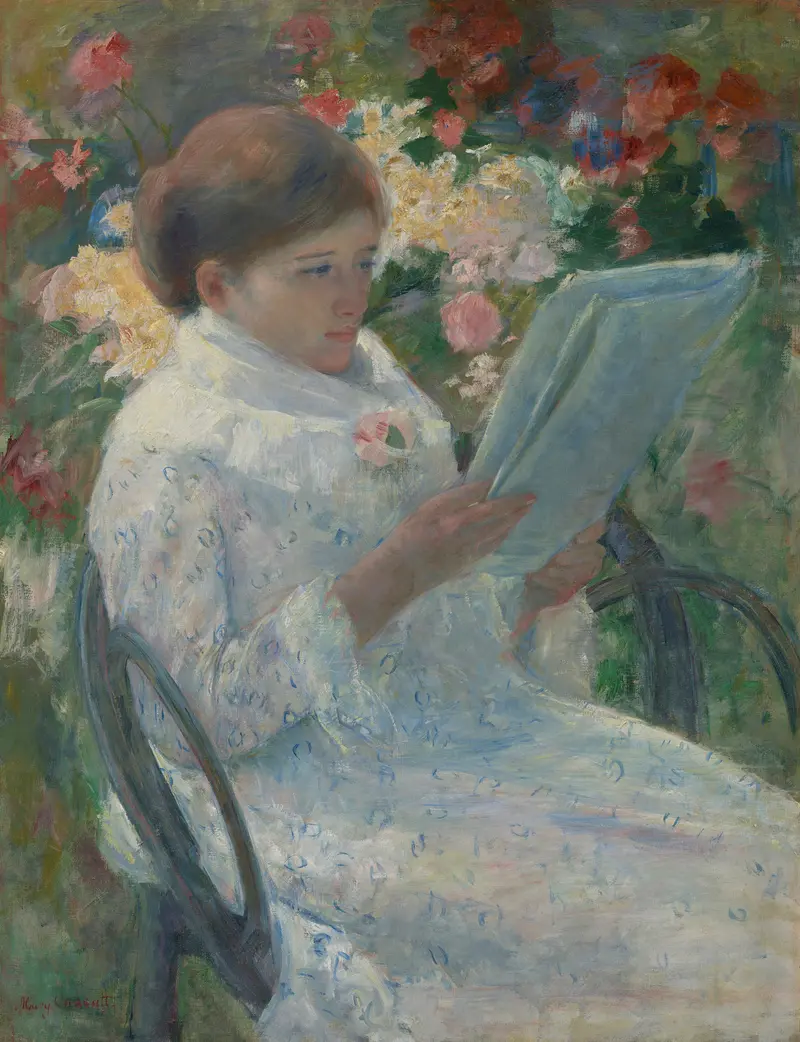
On a Balcony
Mary Cassatt
More Genre Scene Art

Banquet of the Officers of the St George Civic Guard
Frans Hals

Rembrandt and Saskia in the Scene of the Prodigal Son
Rembrandt van Rijn

Bal du moulin de la Galette
Pierre-Auguste Renoir

Quadrille at the Moulin Rouge
Henri de Toulouse-Lautrec

A Burial at Ornans
Gustave Courbet

When Will You Marry?
Paul Gauguin