Schelp, murex brevispina — History & Facts
In Schelp, murex brevispina, the delicate balance between reality and illusion beckons the viewer to explore the ephemeral nature of existence. Look closely at the meticulously rendered shell, a marvel of organic curves and textures. Focus on the intricate details of the murex, where each spine and ridge emerges from the soft background, a testament to Hollar's precise linework. The subtle interplay of light captures the sheen of the shell, inviting contemplation on its once vibrant life beneath the sea, now transformed into a silent relic of nature's artistry. Beneath the surface, the artwork evokes deeper questions about the passage of time and memory.
The shell's intricate form symbolizes both beauty and fragility, reminding us that even the most exquisite moments are transient. The shadowy background enhances the sense of isolation, suggesting that what remains is not merely the shell itself, but the echoes of life that it once housed, creating a poignant contrast between permanence and impermanence. Wenceslaus Hollar created Schelp, murex brevispina during his years in London, between 1644 and 1652, a time marked by profound changes in the art world. Having fled Prague due to the Thirty Years' War, he found new opportunities in England, where his detailed etchings gained acclaim.
This period was characterized by an increased fascination with natural history and scientific illustration, reflecting the burgeoning curiosity of his day.
More Artworks by Wenceslaus Hollar
Browse all →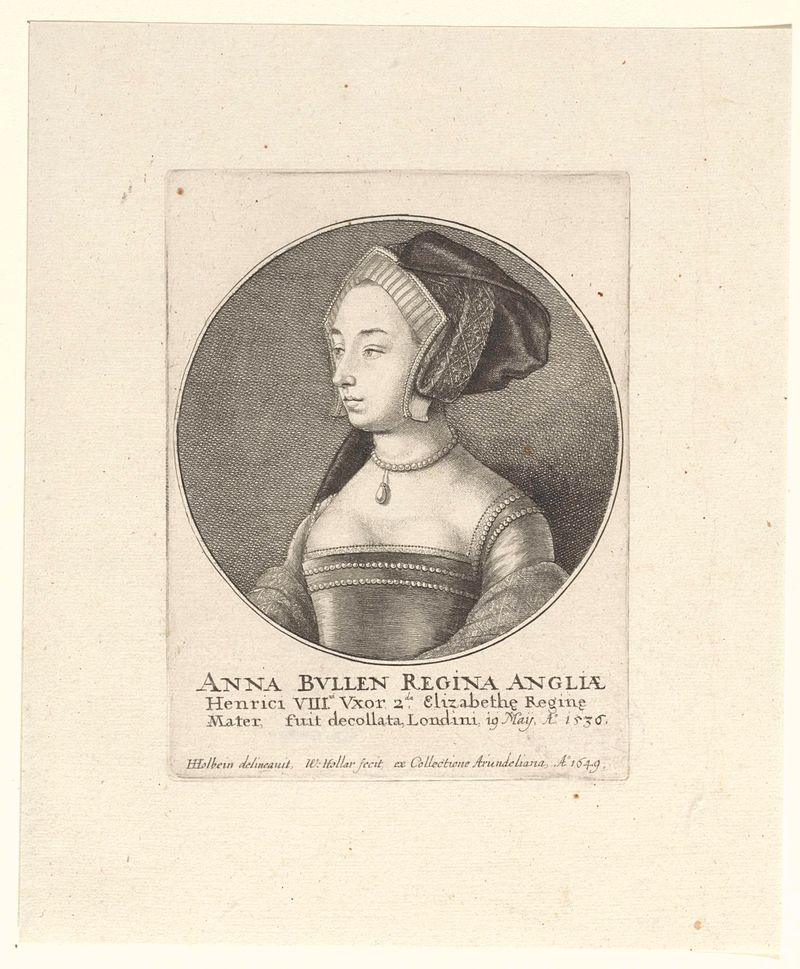
Portret van Anna Boleyn, koningin van Engeland
Wenceslaus Hollar
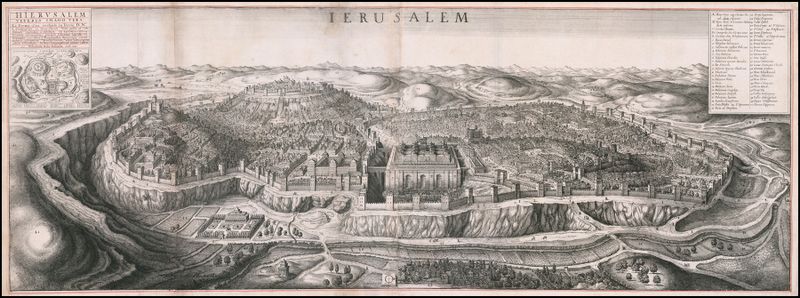
Bird’s eye view of Jerusalem
Wenceslaus Hollar
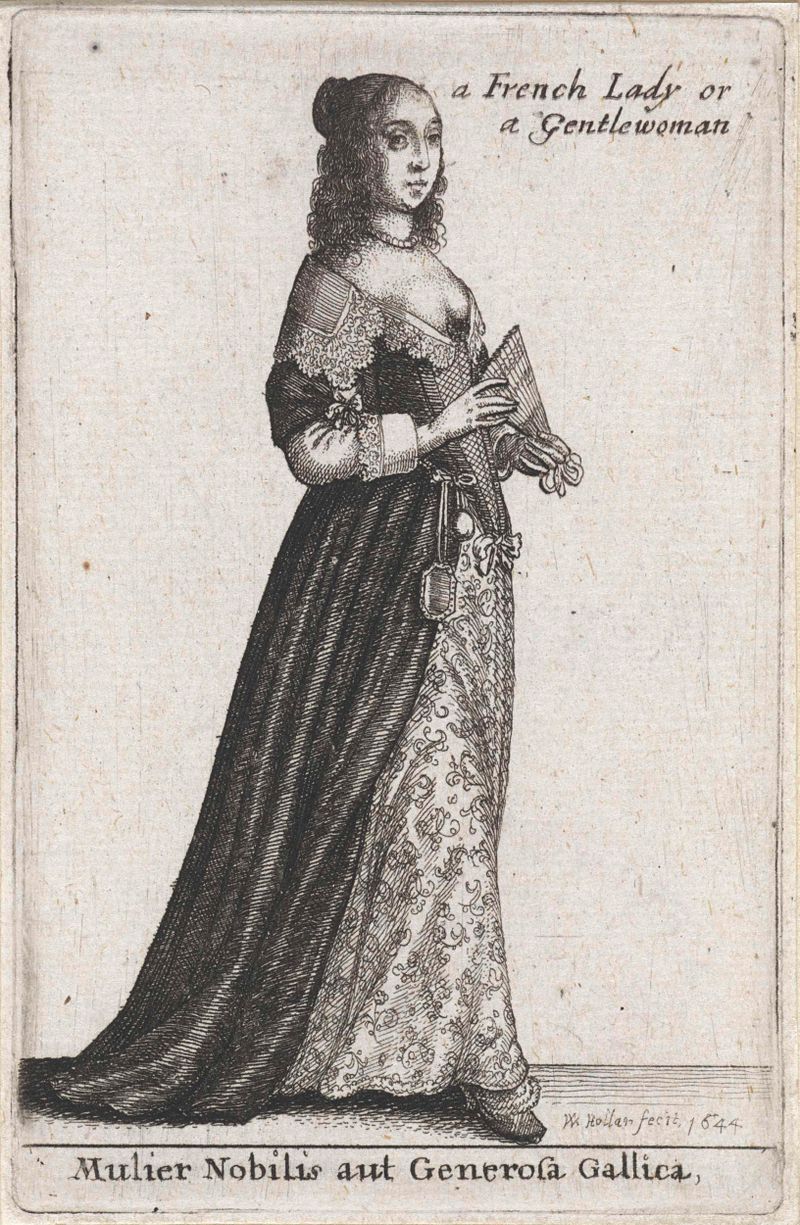
Mulier Nobilis aut Generosa Gallica / a French Lady or Gentlewoman
Wenceslaus Hollar
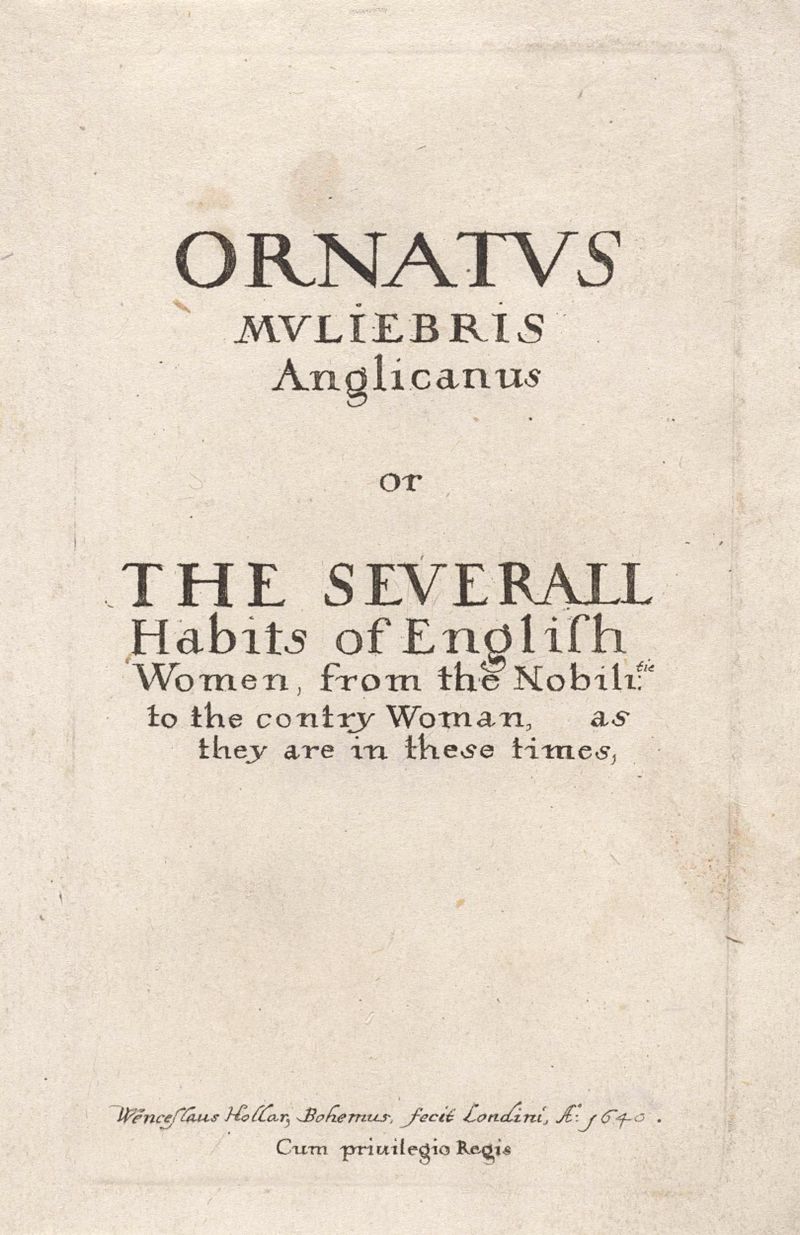
Titelprent voor: Ornatus Muliebris Anglicanus
Wenceslaus Hollar
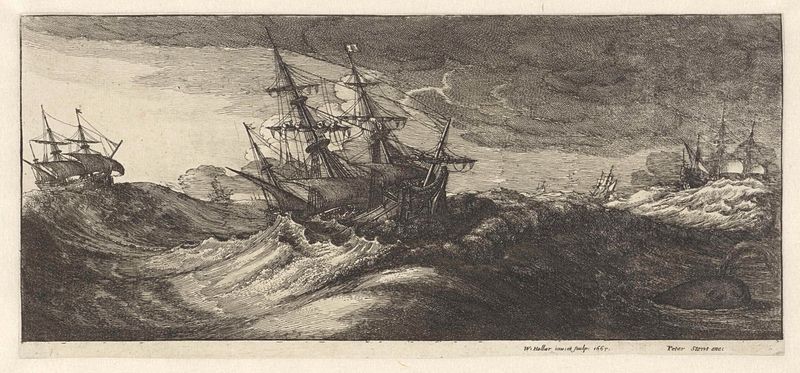
Oorlogsschepen en een walvis in een zeestorm
Wenceslaus Hollar
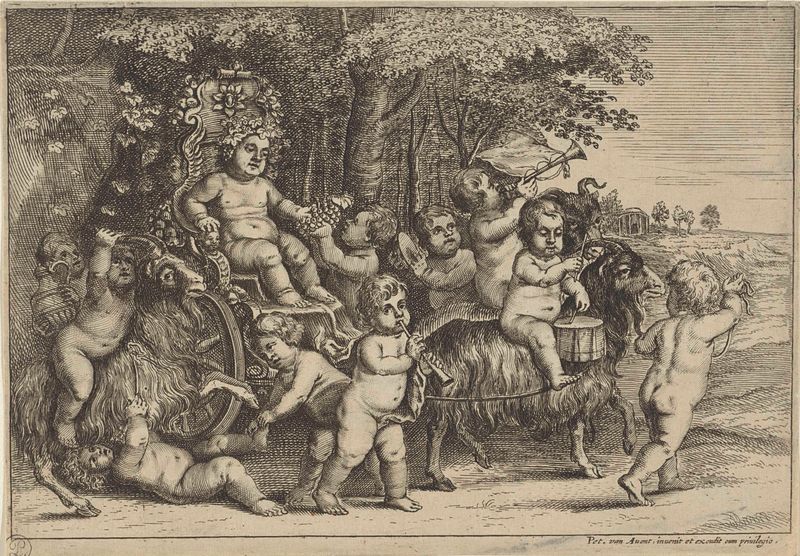
Optocht van bacchant en jongetjes op geiten
Wenceslaus Hollar
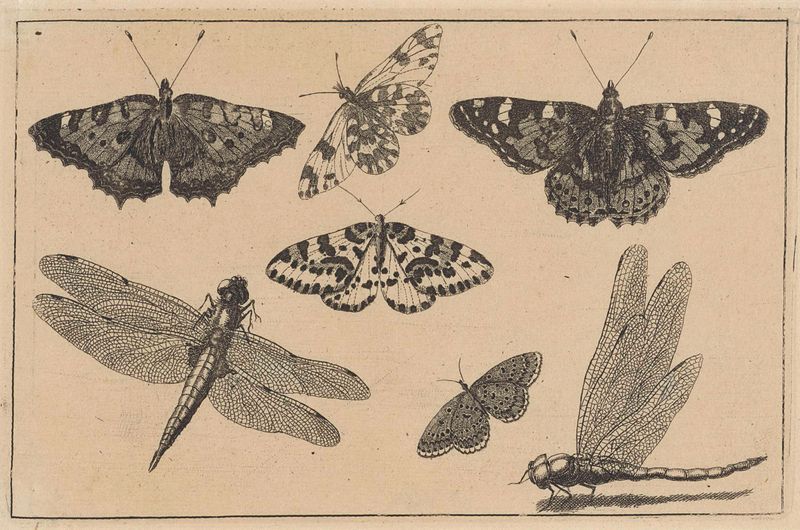
Twee libellen en vijf vlinders
Wenceslaus Hollar
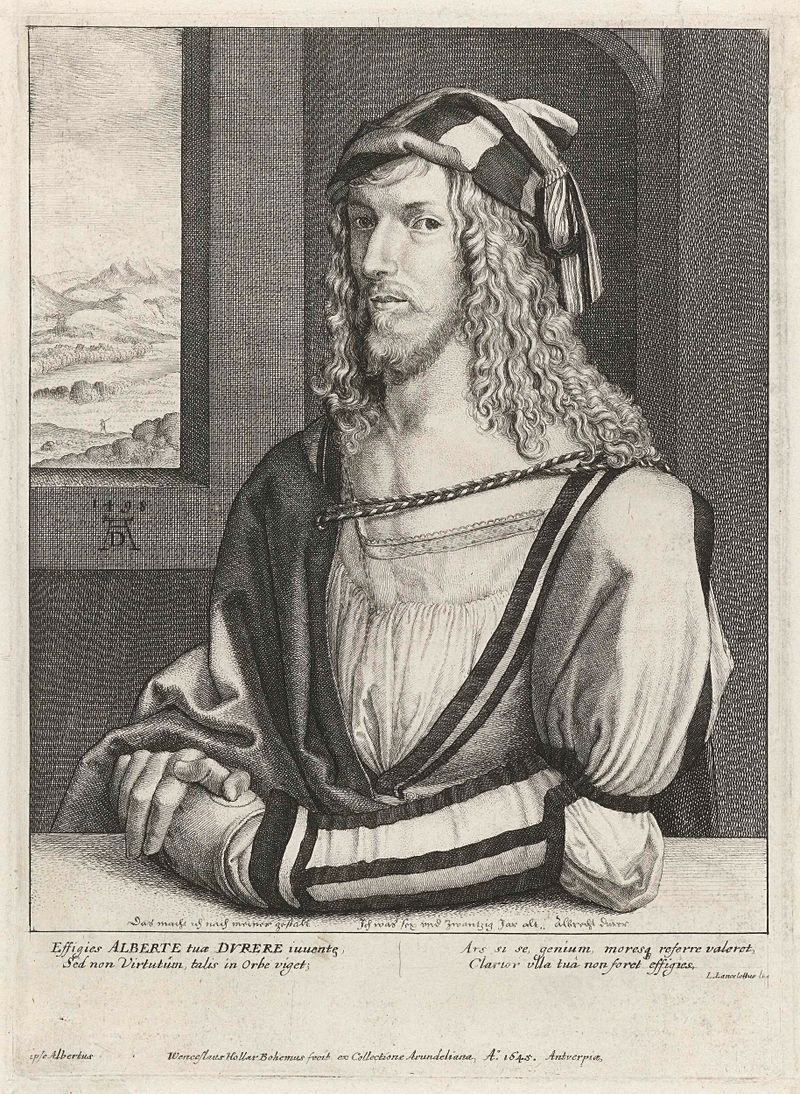
Portret van Albrecht Dürer
Wenceslaus Hollar
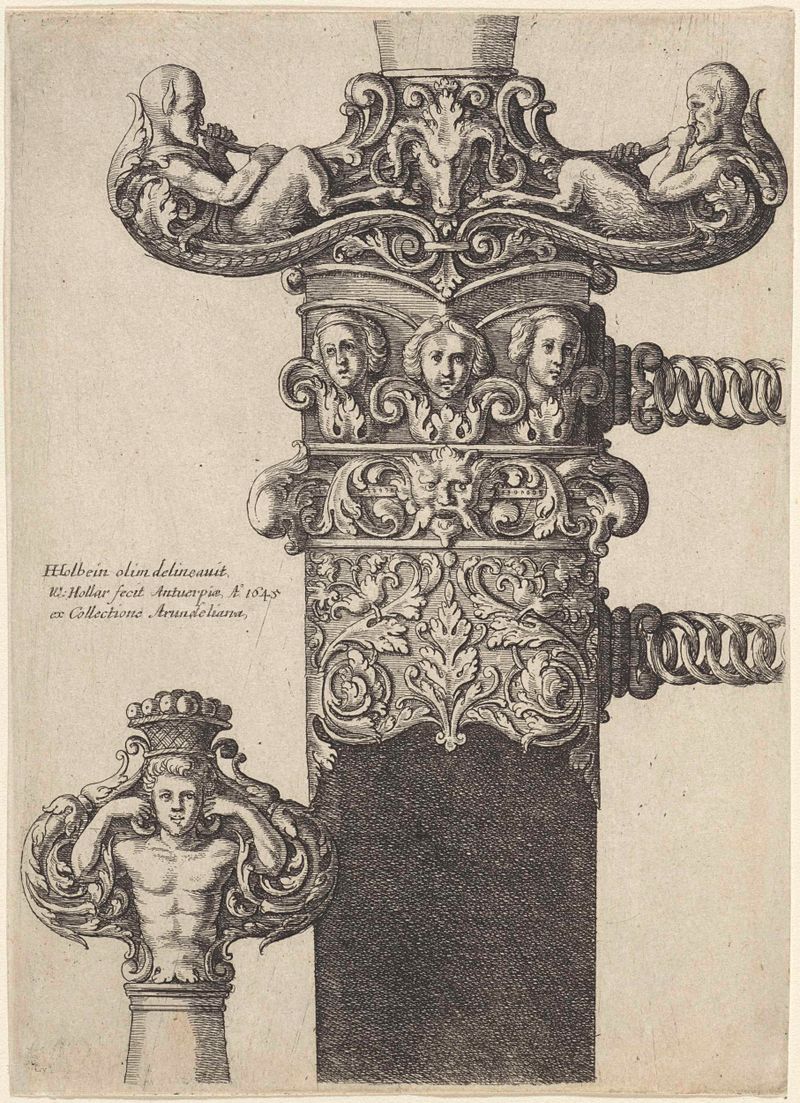
Ornamenteel ontwerp voor een dolk
Wenceslaus Hollar
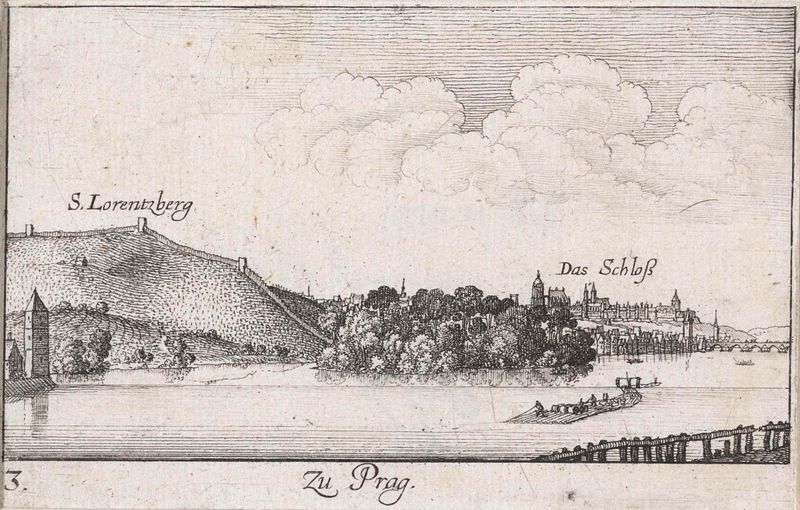
Gezicht op Praag vanaf de Moldau
Wenceslaus Hollar