Schelp, murex haustellum — History & Facts
In Schelp, murex haustellum, the interplay of shadow and form invites the viewer to contemplate the delicate beauty hidden within nature's complexity. Here, the murex shell, a marvel of organic design, emerges as a symbol of both fragility and resilience. Look to the center of the composition where the shell's intricate whorls draw the eye, their natural contours accentuated by an almost ethereal light. Notice how the artist employs delicate lines and textures to elevate the shell from mere object to the heart of the piece.
Surrounding it, muted earth tones evoke a sense of organic warmth, while the subtle play of shadow adds depth, suggesting a world beyond its immediate context. Delving deeper, the contrast between light and shadow brings forth an emotional resonance. The shell, though seemingly solid, appears to teeter on the edge of fragility; a reminder of the transient nature of beauty in the natural world. The shadows whisper stories of the unseen forces shaping existence, inviting reflection on the intricate balance between creation and decay. Wenceslaus Hollar painted Schelp, murex haustellum in the mid-17th century, a time when he was exploring the richness of still life amidst the growing fascination with natural history.
Living in England after fleeing his native Prague, Hollar contributed to the artistic dialogue of the period, melding botanical precision with an emerging appreciation for the aesthetic qualities of natural forms. His work reflects a profound observation of the world, capturing the delicate dance of life and art.
More Artworks by Wenceslaus Hollar
Browse all →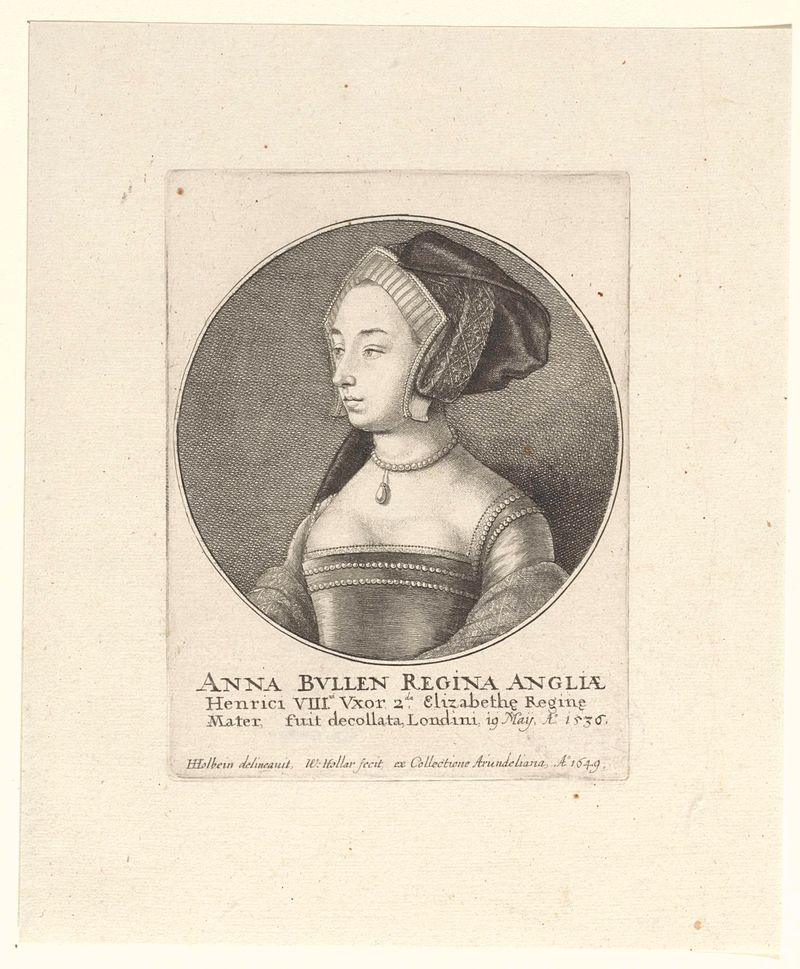
Portret van Anna Boleyn, koningin van Engeland
Wenceslaus Hollar
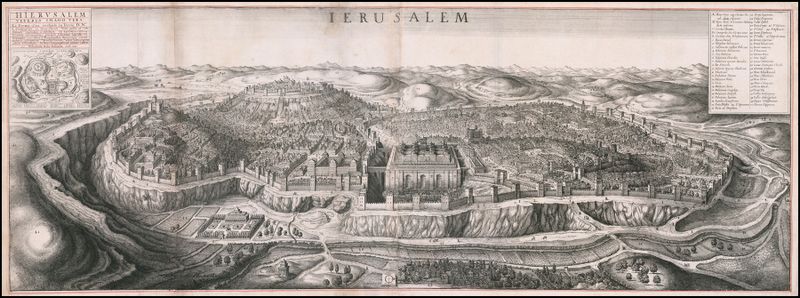
Bird’s eye view of Jerusalem
Wenceslaus Hollar
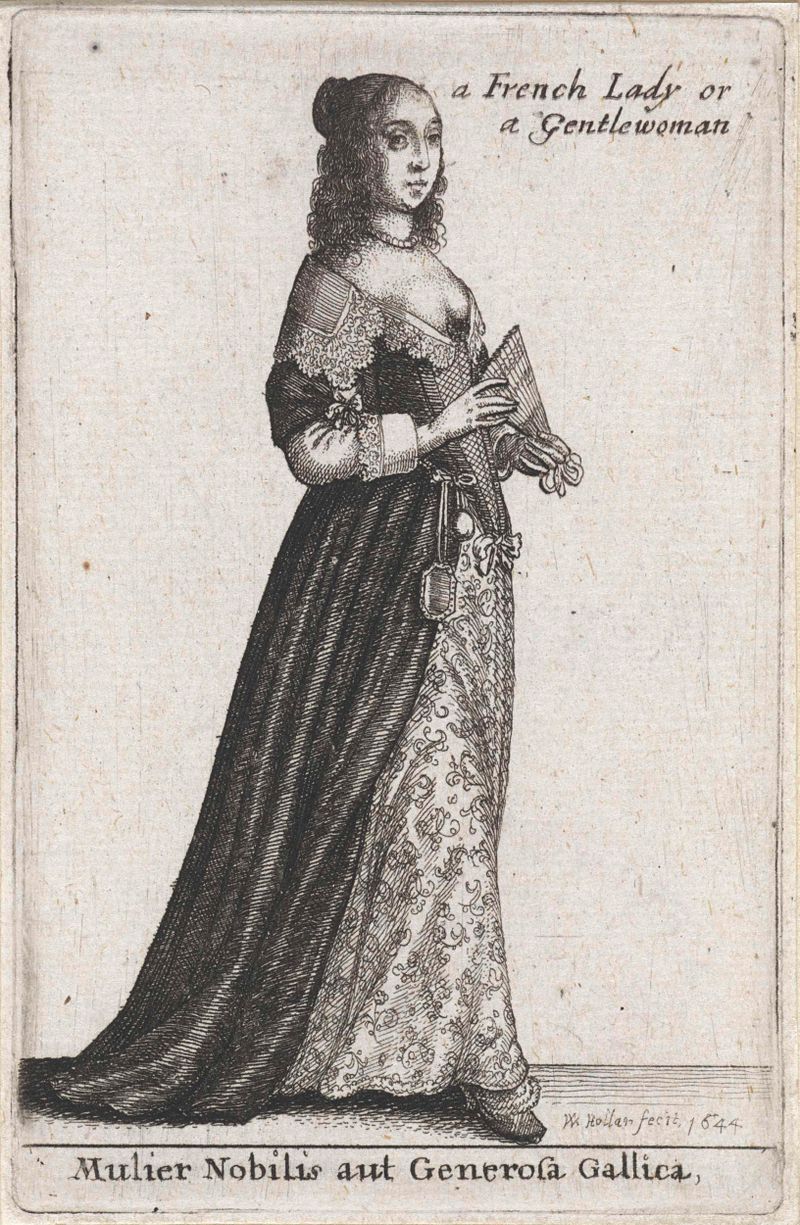
Mulier Nobilis aut Generosa Gallica / a French Lady or Gentlewoman
Wenceslaus Hollar
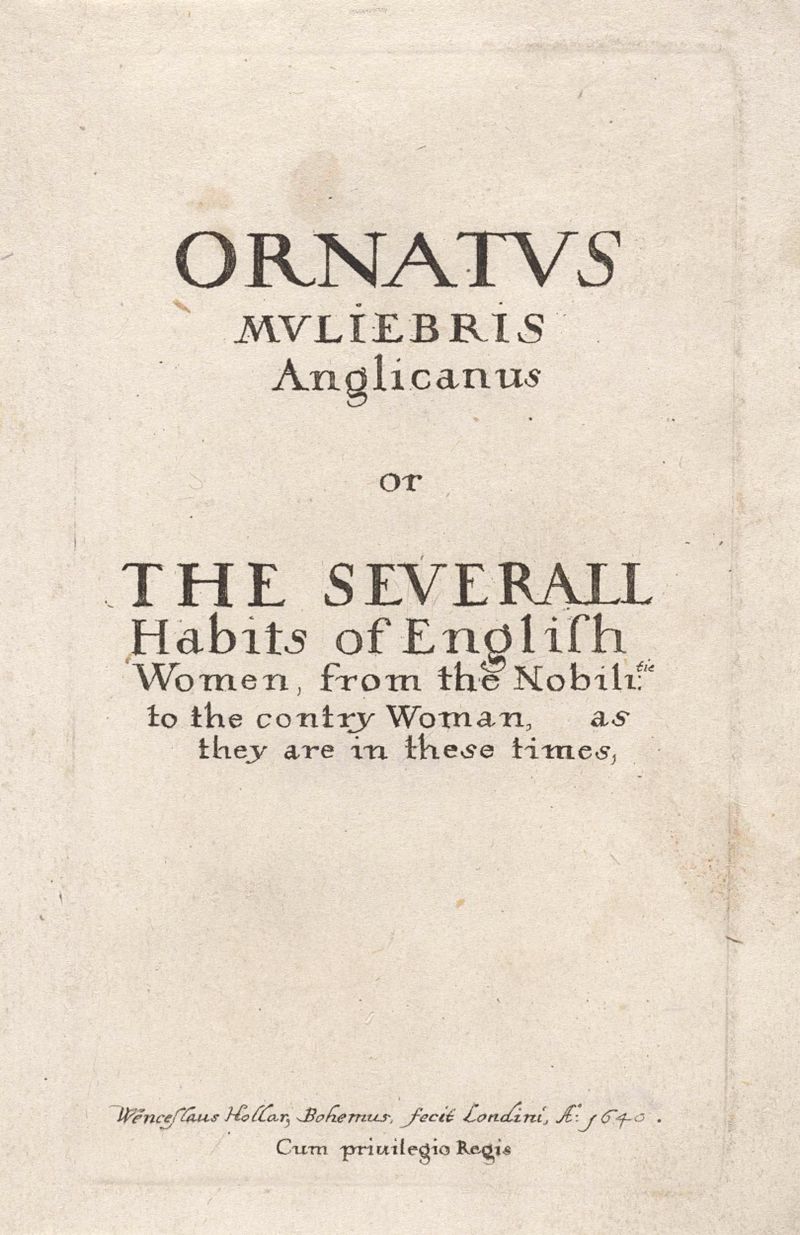
Titelprent voor: Ornatus Muliebris Anglicanus
Wenceslaus Hollar
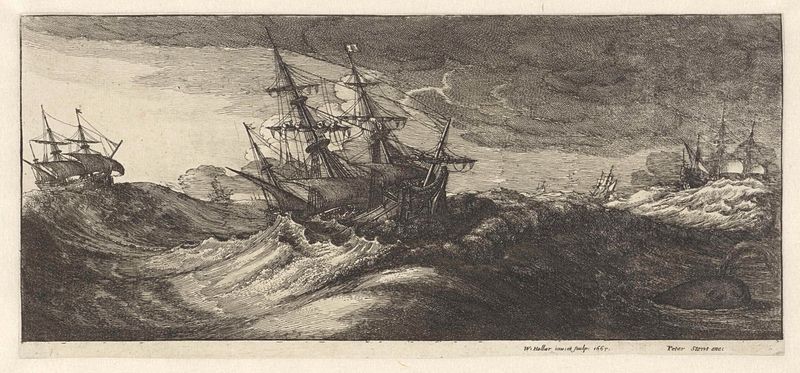
Oorlogsschepen en een walvis in een zeestorm
Wenceslaus Hollar
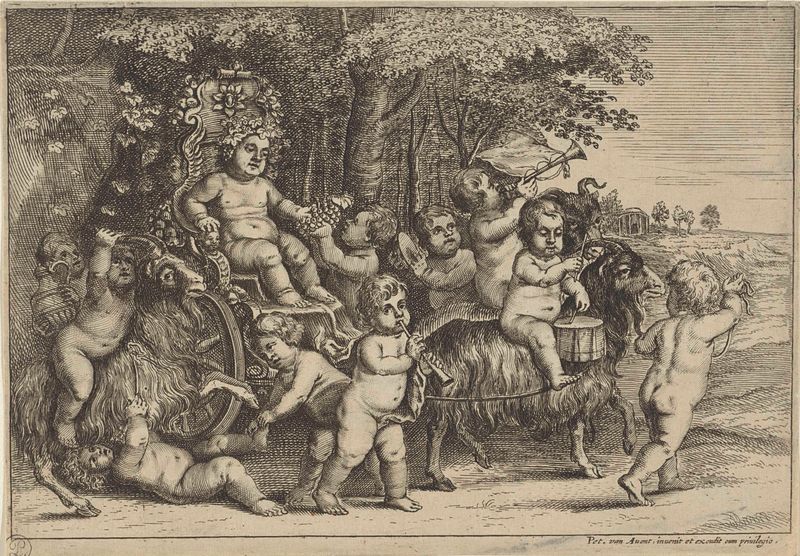
Optocht van bacchant en jongetjes op geiten
Wenceslaus Hollar
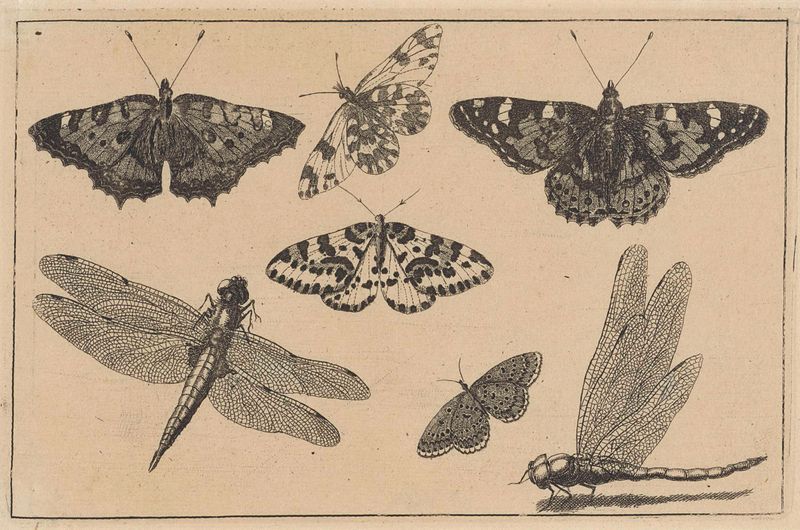
Twee libellen en vijf vlinders
Wenceslaus Hollar
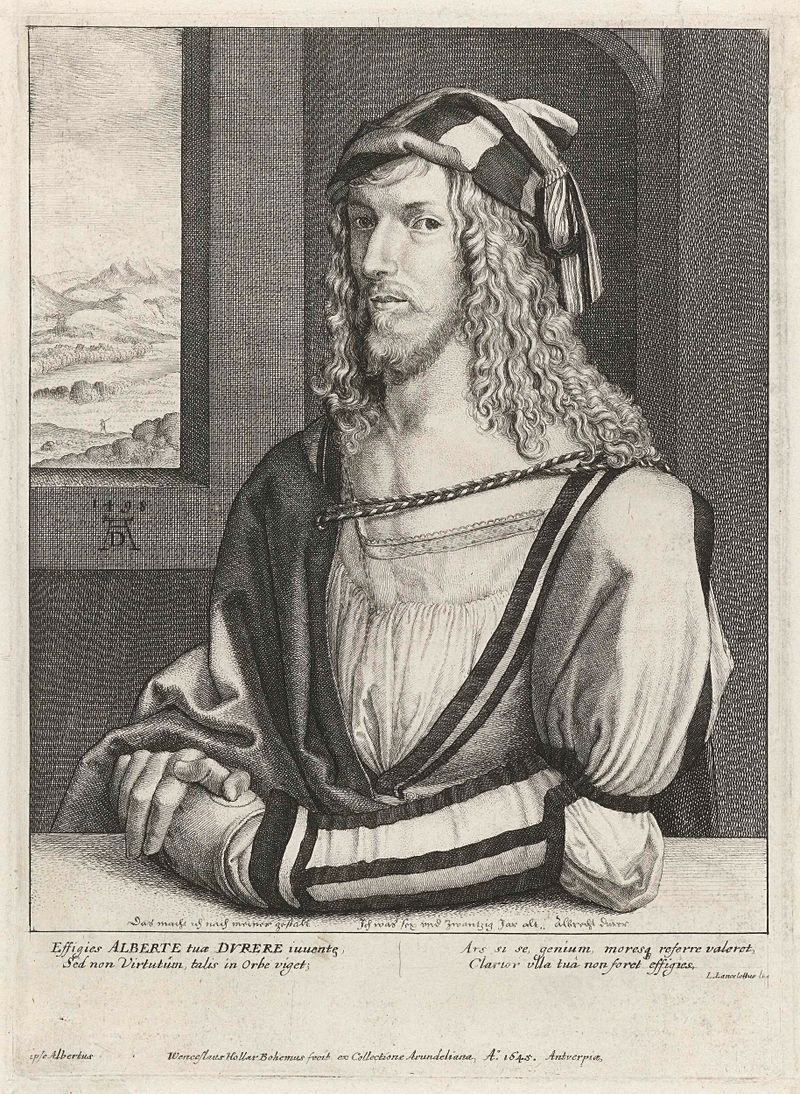
Portret van Albrecht Dürer
Wenceslaus Hollar
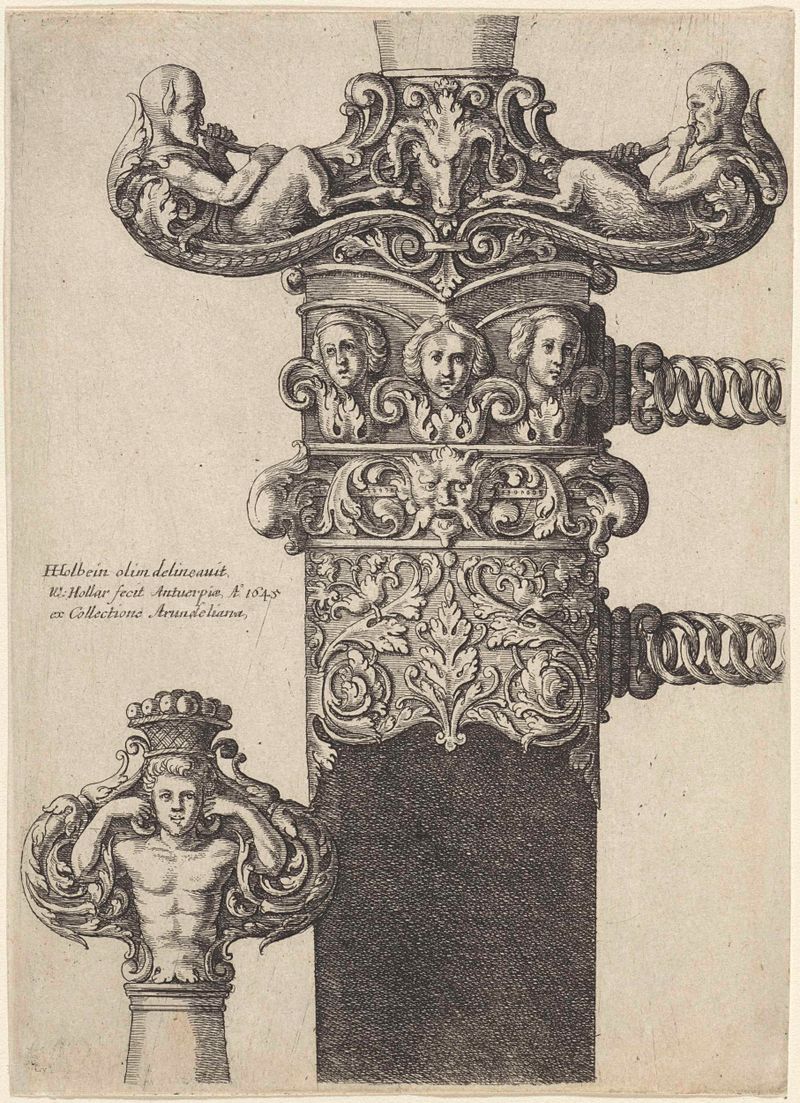
Ornamenteel ontwerp voor een dolk
Wenceslaus Hollar
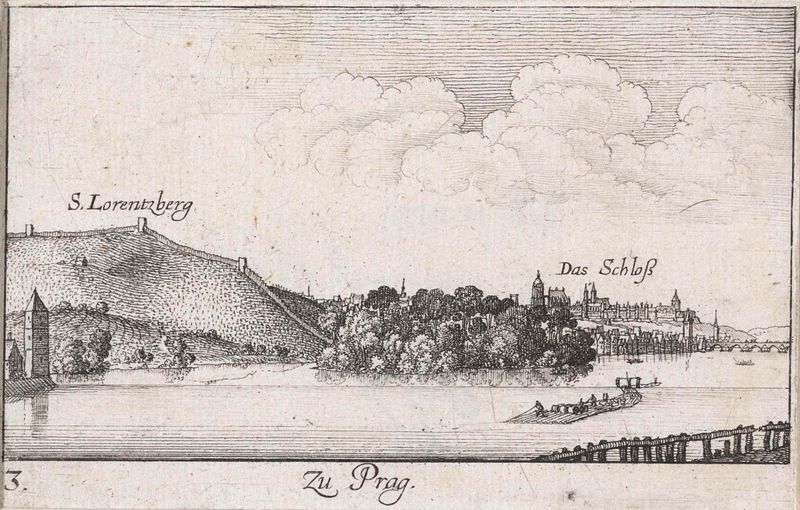
Gezicht op Praag vanaf de Moldau
Wenceslaus Hollar