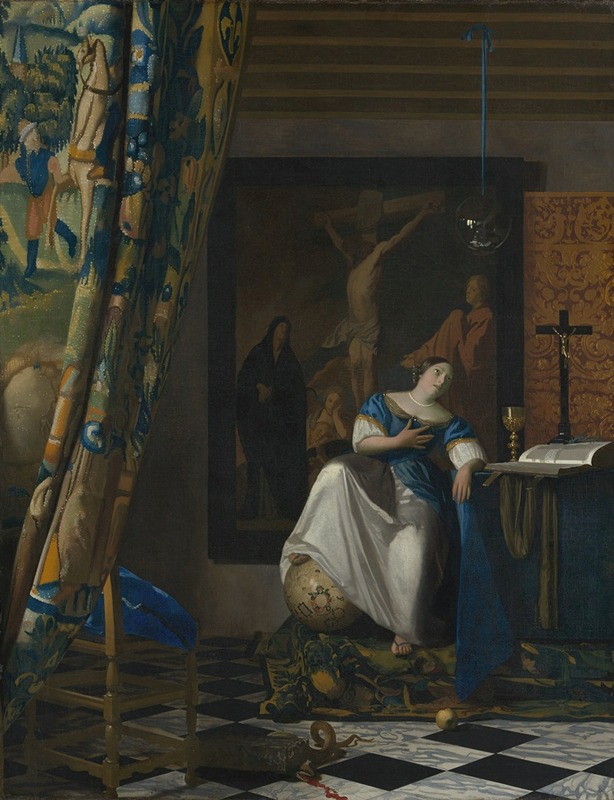
Schipper en de Dood — History & Facts
Did the painter know this moment would outlive them? In Schipper en de Dood, Hans Holbein (II) invites us to confront the intersection of life and mortality, a revelation etched in time, compelling viewers to reflect on their own existence. Look to the left at the ship captain, proudly adorned in deep, rich colors, his expression a blend of confidence and apprehension. The looming figure of Death, skeletal and shrouded, stands beside him, its stark contrast accentuated by the pale hues of its skeletal form against the darkened backdrop. Notice how the painter expertly uses light, casting shadows that suggest the weight of impending doom, while simultaneously enhancing the textures of fabric and bone, creating a visceral sense of tension between the living and the dead. The juxtaposition of the captain’s vibrant attire against the starkness of Death elicits a powerful emotional response.
Each detail—the captain’s confident stance, the slack grip on his helm—serves as a reminder of the ephemeral nature of life, raising questions about fate and inevitability. The ship, a symbol of adventure and exploration, becomes a vessel for the contemplation of mortality, reinforcing the idea that no journey is without its end. Created in 1538, this work emerged during a time when Holbein was deeply engaged in the dynamic cultural currents of the Renaissance in Northern Europe. Living in Basel, he was acutely aware of the humanist philosophies that emphasized individual experience and the exploration of life’s transience.
The painting reflects not only the artist's mastery of portraiture but also his keen insight into the human condition, establishing a dialogue about existence that resonates through the ages.
More Artworks by Hans Holbein (II)
Browse all →
Portret van Erasmus
Hans Holbein (II)
Priester en de Dood
Hans Holbein (II)
Rechter en de Dood
Hans Holbein (II)
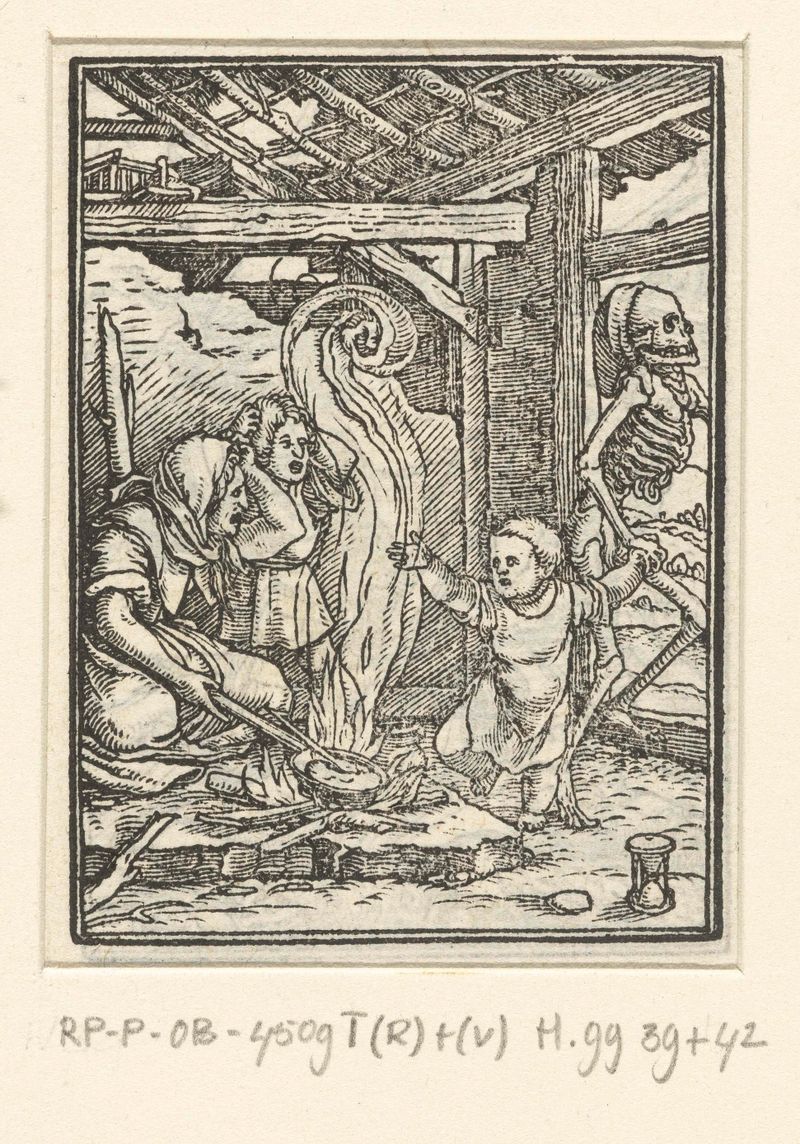
Kind en de Dood
Hans Holbein (II)
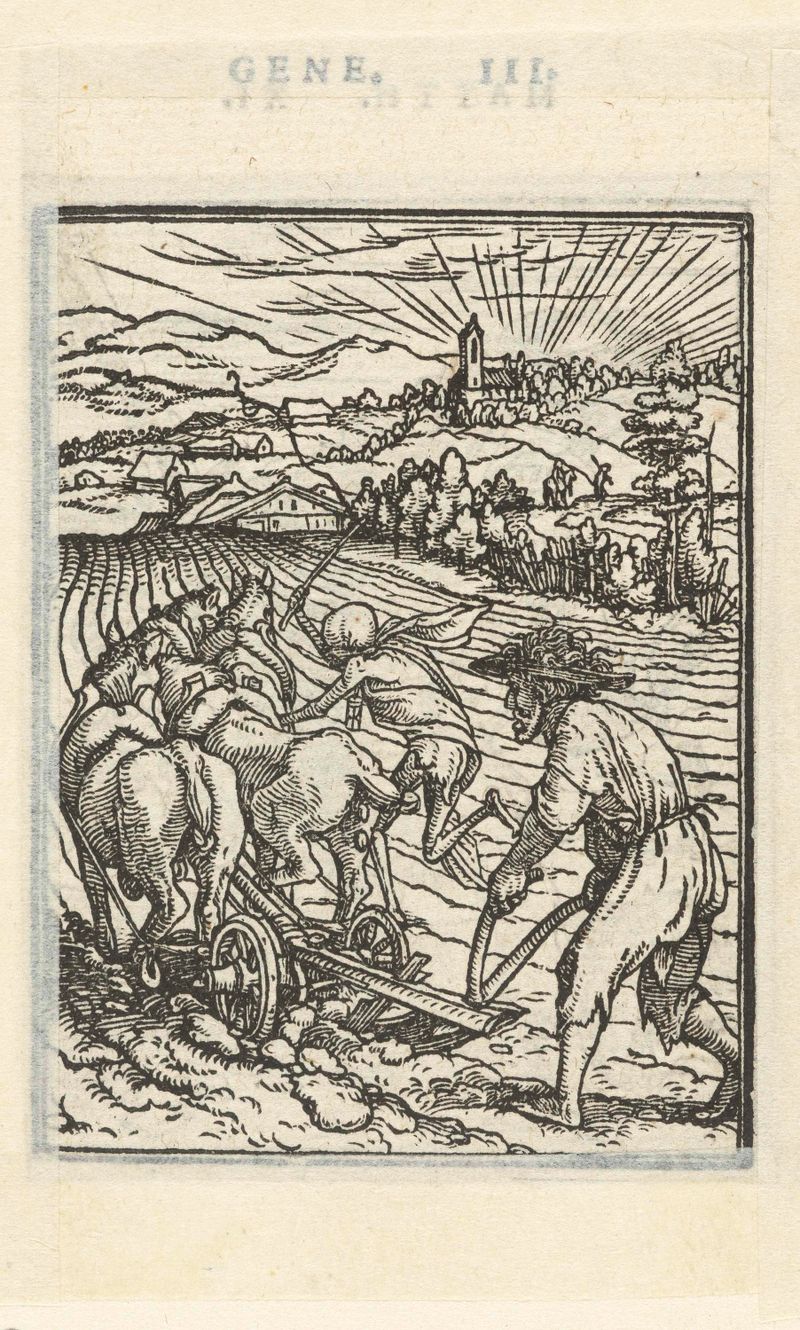
Boer en de Dood
Hans Holbein (II)
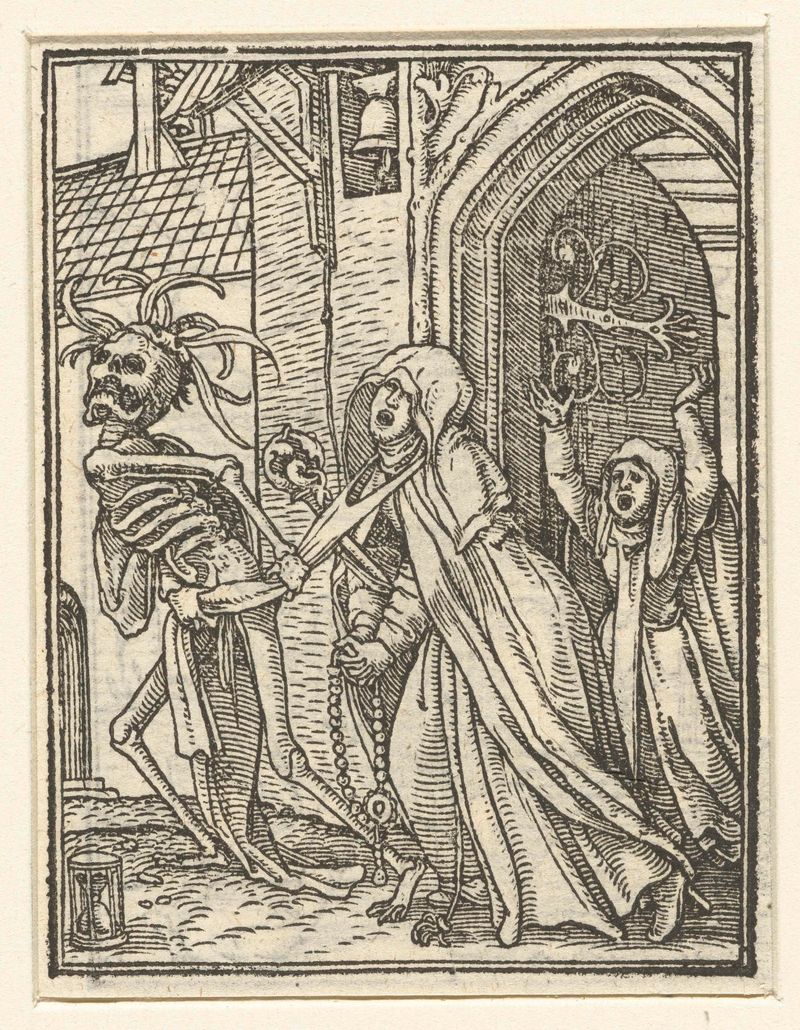
Abdis en de Dood
Hans Holbein (II)
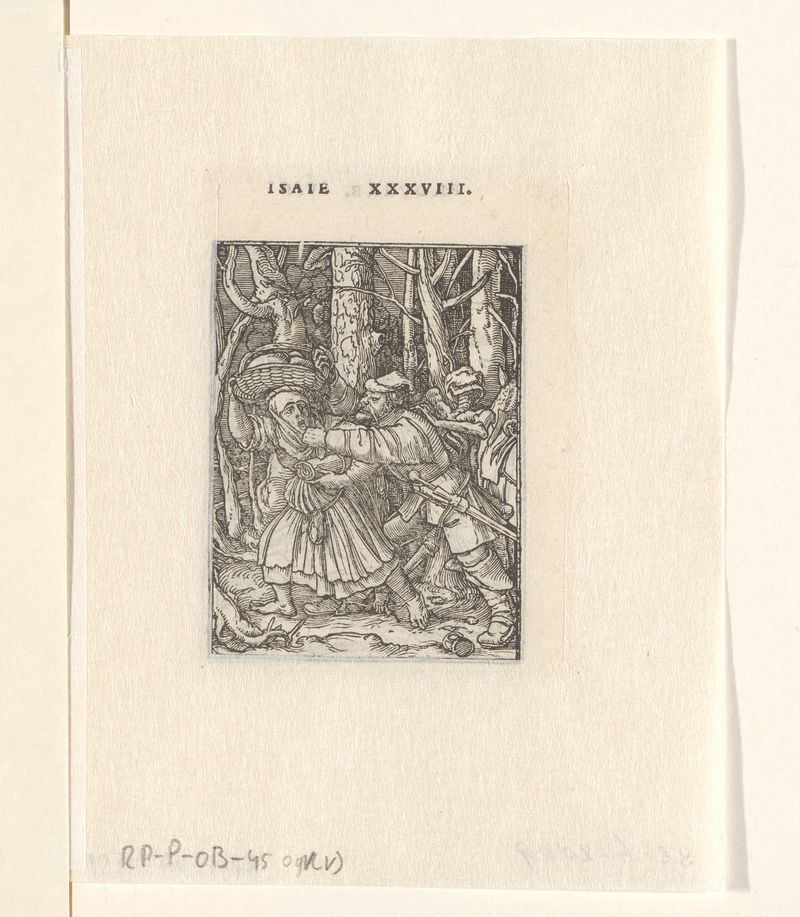
Dief en de Dood
Hans Holbein (II)
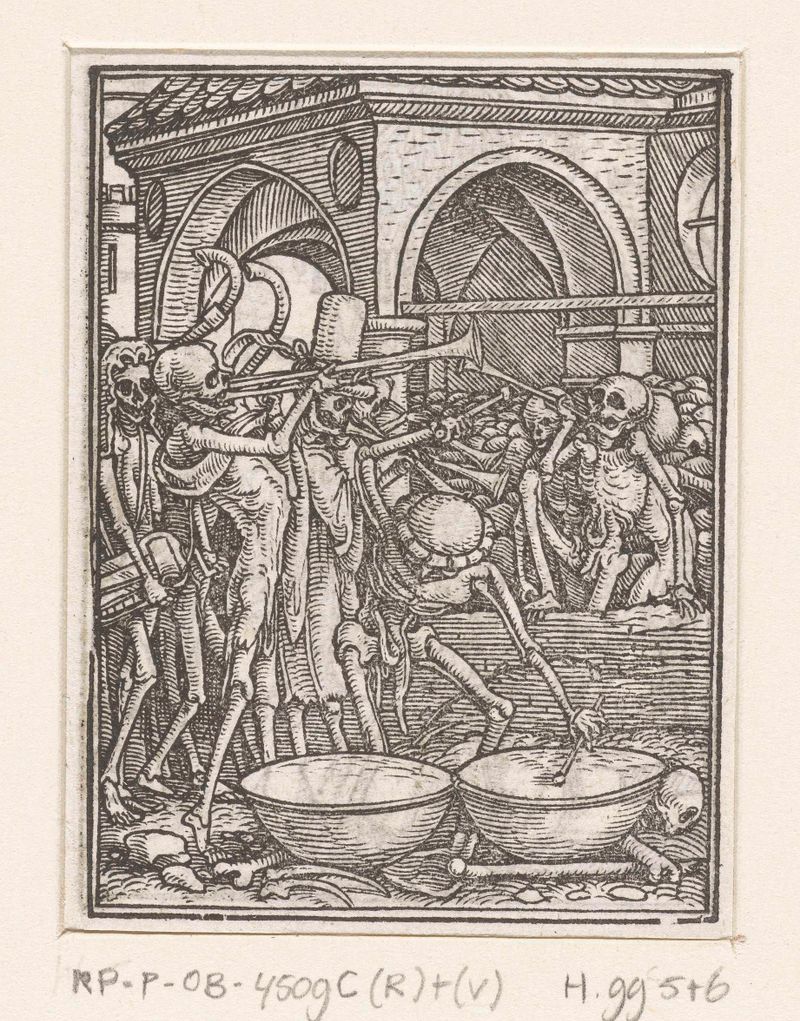
Skeletons Making Music from Dance of the Dead
Hans Holbein (II)
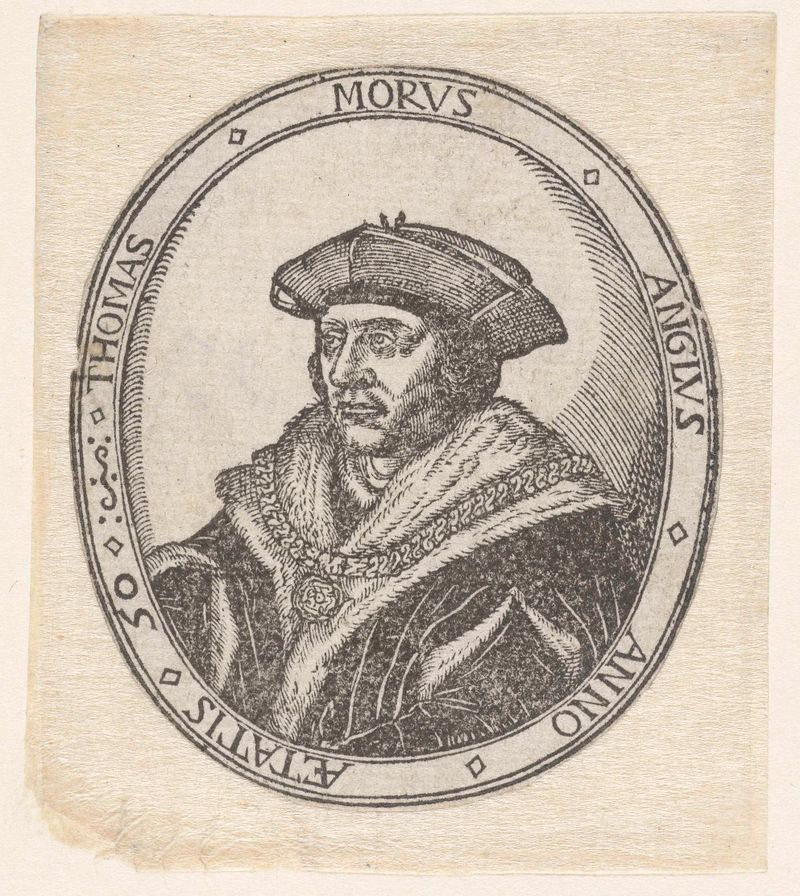
Portret van Thomas More
Hans Holbein (II)
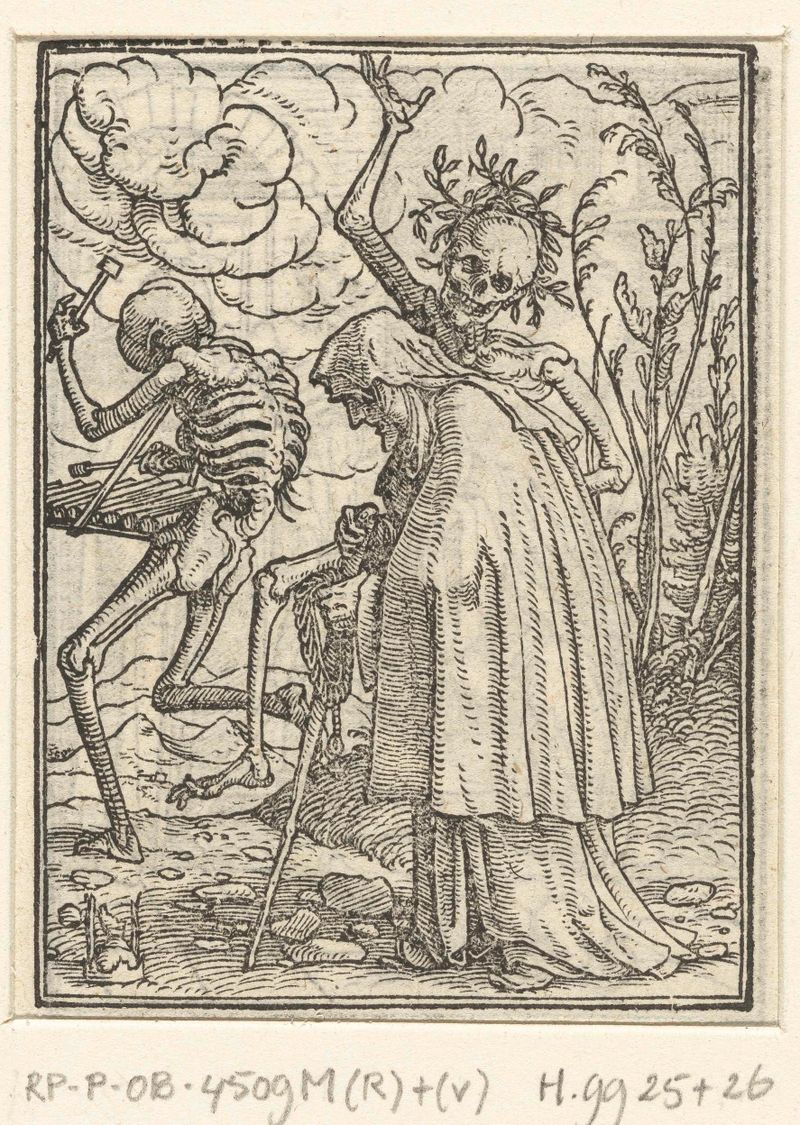
Oude vrouw en de Dood
Hans Holbein (II)