
Seascape — History & Facts
What if beauty was never meant to be finished? In Seascape, the artist captures a fleeting moment where nature’s splendor teeters on the edge of decay, reminding us of the transience of existence. Look to the horizon, where soft blues and silvery grays blend seamlessly, evoking a sense of calm yet hinting at uncertainty. Notice how the brushstrokes create a gentle rhythm, mimicking the ebb and flow of the waves. The light dances upon the surface, creating glimmers that draw the eye, while deeper shadows lurk in the corners, suggesting an underlying tension in the serene facade. The contrast between the serene sky and the tumultuous sea speaks to the duality of life—beauty and decay exist in harmony, each enhancing the other.
Wisps of cloud seem to swirl, as if echoing the chaos beneath the placid surface of the water. The distant boats, barely discernible, serve as a reminder of human fragility against nature's vastness, illustrating the delicate balance between creation and dissolution. In 1876, Charles François Daubigny painted Seascape during a period of personal reflection and artistic exploration. He was living in France, a time when Impressionism was gaining momentum, and he was increasingly drawn to capturing the interplay of light and atmosphere in his landscapes.
Daubigny’s focus on the sea was not merely a choice of subject; it reflected the larger currents of change—both in his life and in the art world—where the boundaries of traditional representation were being tested and redefined.
More Artworks by Charles François Daubigny
Browse all →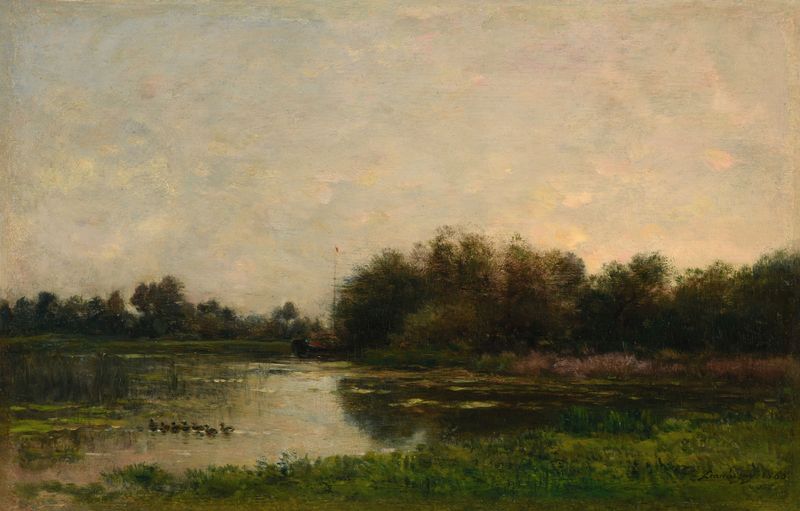
Bords de l’Oise
Charles François Daubigny
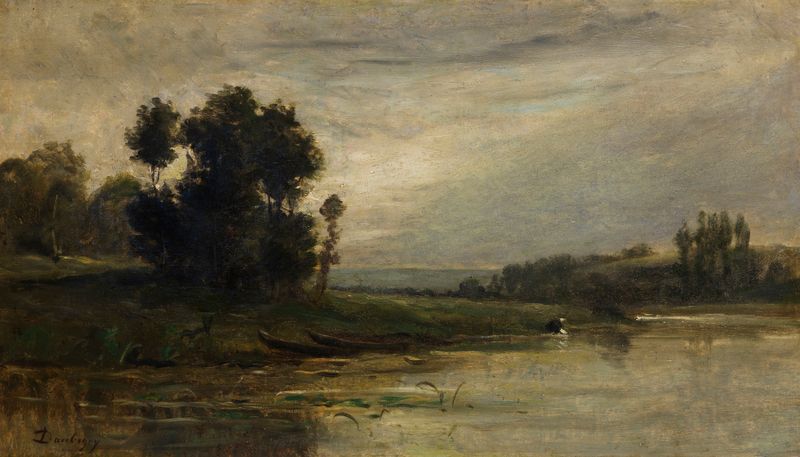
Bords de l’Oise
Charles François Daubigny
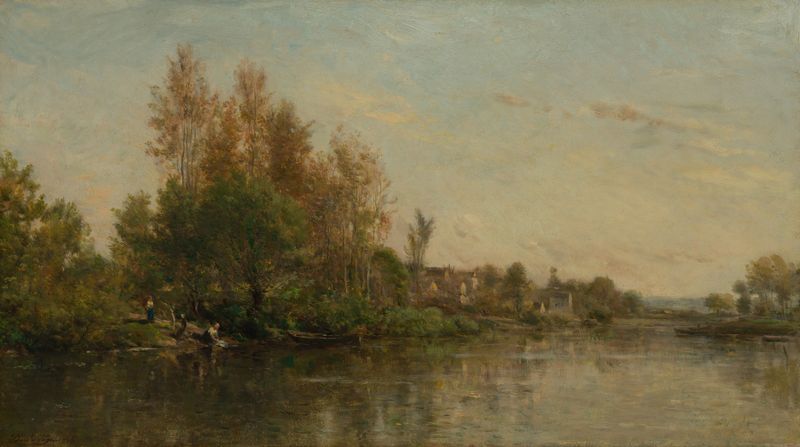
The Banks of the Oise
Charles François Daubigny
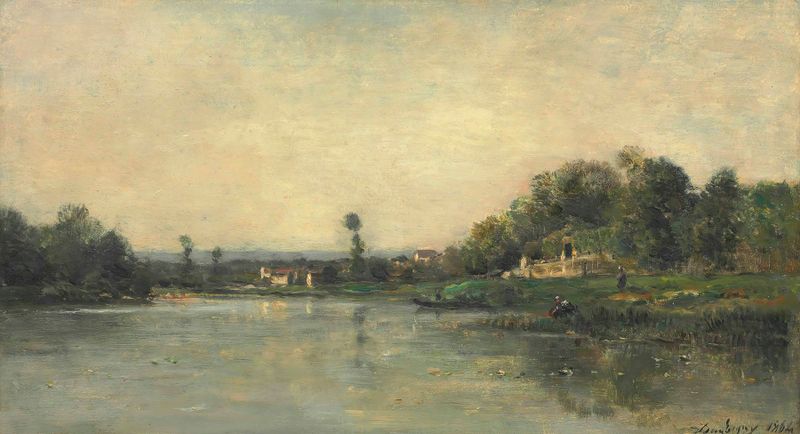
Les Bords De L’oise
Charles François Daubigny
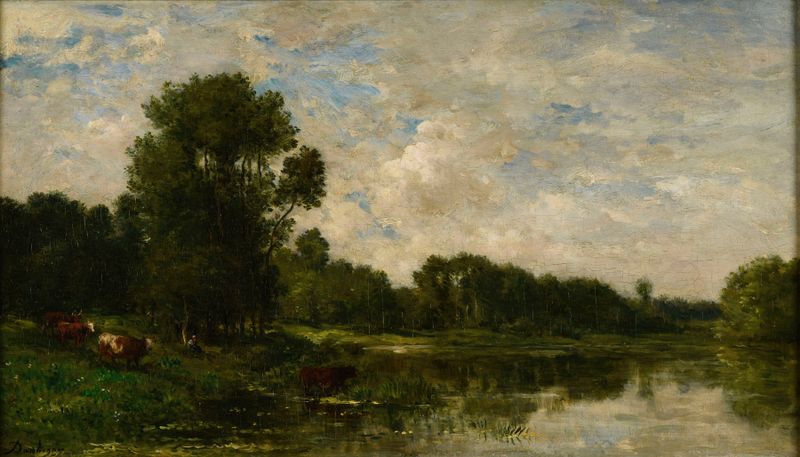
Bords de l’Oise
Charles François Daubigny
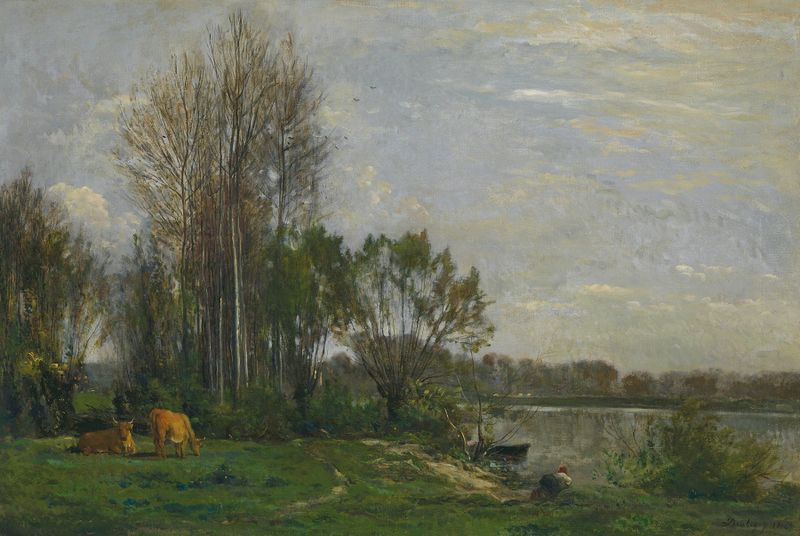
Les Bord De L’oise
Charles François Daubigny
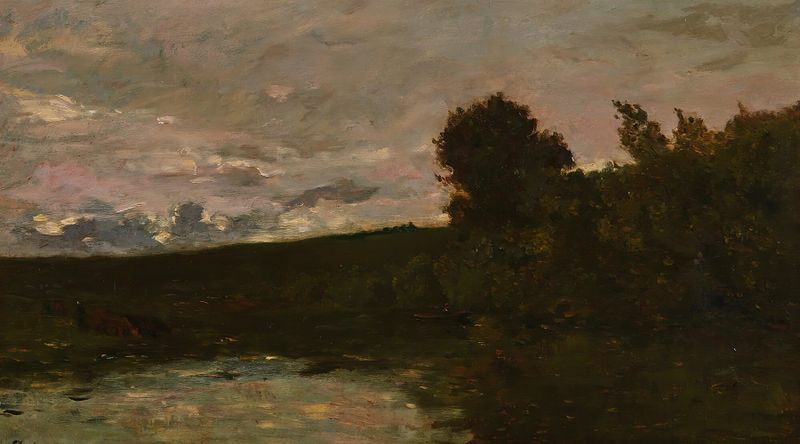
Bord De Riviére
Charles François Daubigny
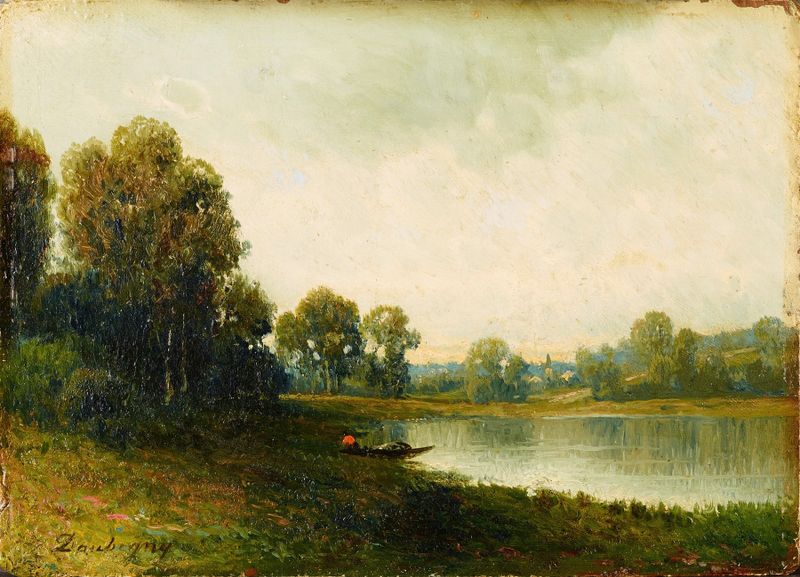
Landscape
Charles François Daubigny
Herbstliche Aulandschaft Abendstimmung
Charles François Daubigny
Landscape near Crémieu
Charles François Daubigny





