
Seated Bishop — History & Facts
No one knows for certain which bishop sits so gravely in Seated Bishop by Abraham Bloemaert, and this uncertainty has long intrigued scholars. The painting stands out among Bloemaert’s works for its focus on a single, imposing ecclesiastical figure, rather than the mythological or pastoral scenes that made the artist’s name. The lack of a clear historical or scriptural identity for the bishop has led to speculation: is he a real prelate, a generic symbol of church authority, or even a portrait in disguise? The ambiguity itself has become part of the painting’s mystique, drawing viewers into a centuries-old guessing game. The bishop, robed in rich vestments and seated with a crozier resting at his side, is caught in a moment of solemn reflection.
His right hand is raised, as if in blessing or in the act of delivering a sermon, while his gaze is directed downward, suggesting humility or contemplation. The mitre, embroidered with gold, and the heavy chain across his chest signal his high rank. Bloemaert’s use of light, falling from the left, carves the figure out of the shadowy background and gives the bishop a sense of weight and dignity.
Unlike the more theatrical depictions of saints and bishops by Peter Paul Rubens, Bloemaert’s bishop is grounded and introspective, emphasizing the humanity of his subject over grandeur. The precise origins of Seated Bishop remain unclear, with no surviving records of its commission or early ownership. This lack of documentation is not unusual for works by Abraham Bloemaert, whose long career in Utrecht spanned the late sixteenth and early seventeenth centuries and whose workshop produced both religious and secular subjects for local patrons. The painting’s restrained style and focus on ecclesiastical authority suggest it may have been intended for a private chapel or as part of a series of church dignitaries.
Today, Seated Bishop is recognized as a fine example of Bloemaert’s ability to blend Northern realism with the emerging drama of the Baroque, and its enigmatic subject continues to invite new interpretations.
More Artworks by Abraham Bloemaert

Adam and Eve
Abraham Bloemaert
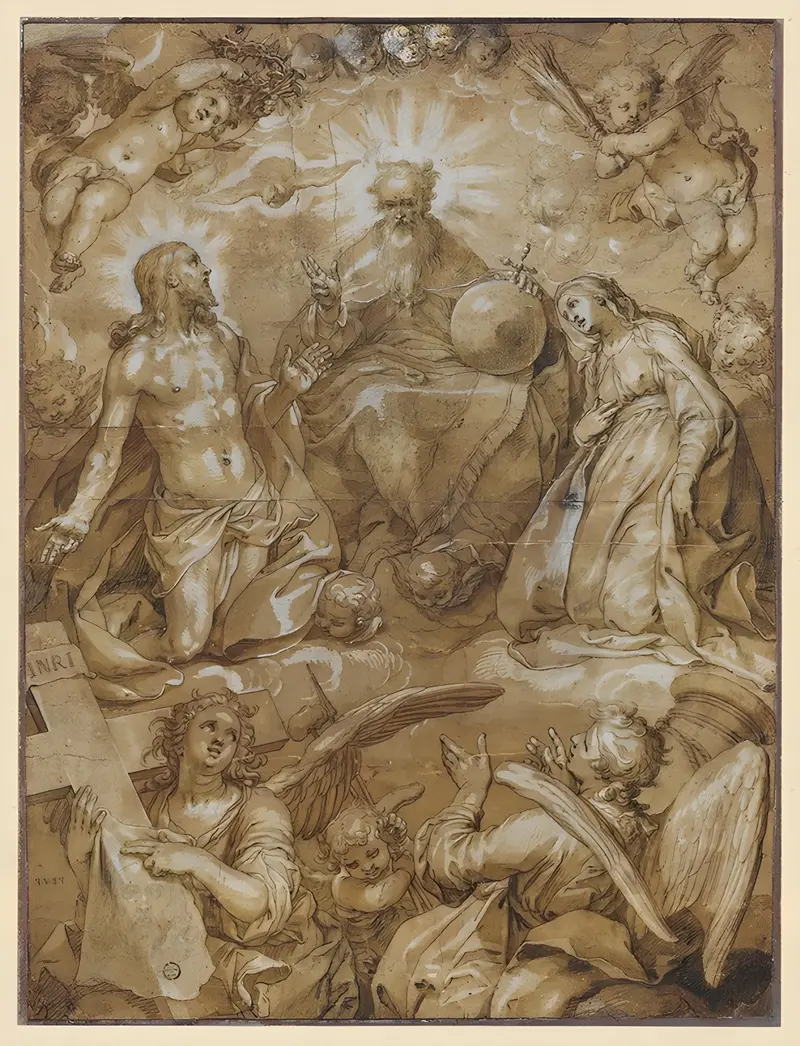
Intercession of Christ and Mary before God the Father
Abraham Bloemaert
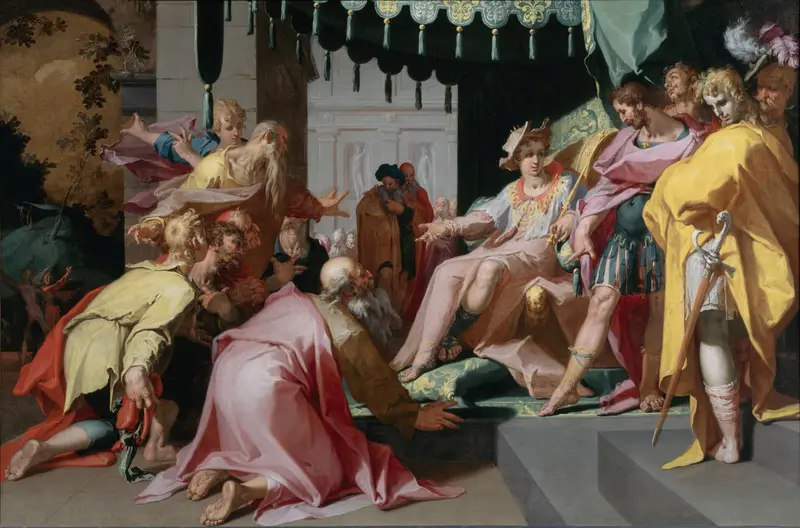
Joseph and his Brothers
Abraham Bloemaert
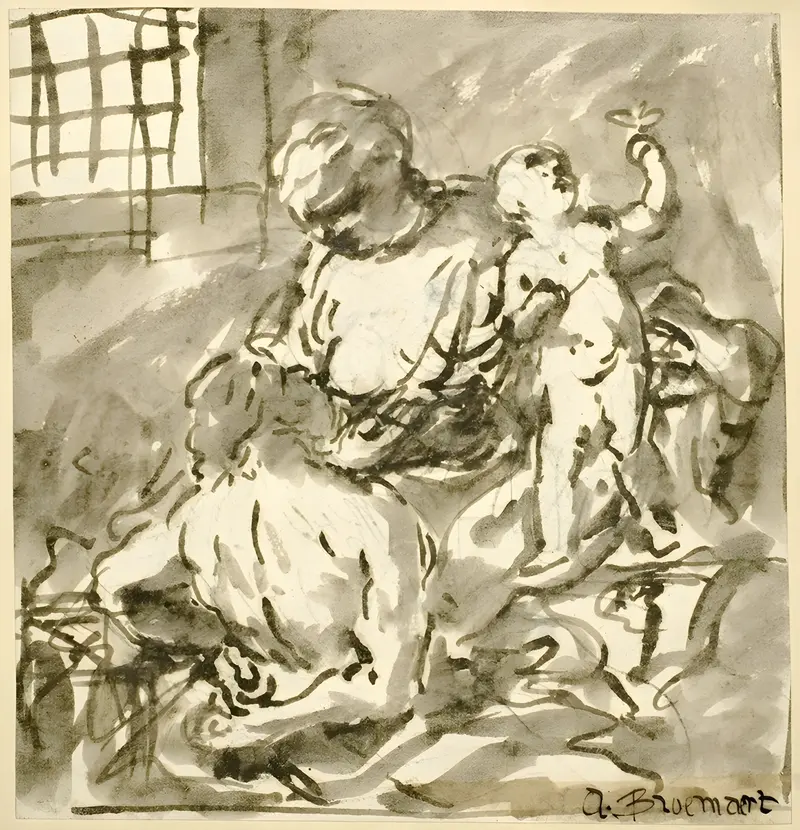
Caritas Romana
Abraham Bloemaert
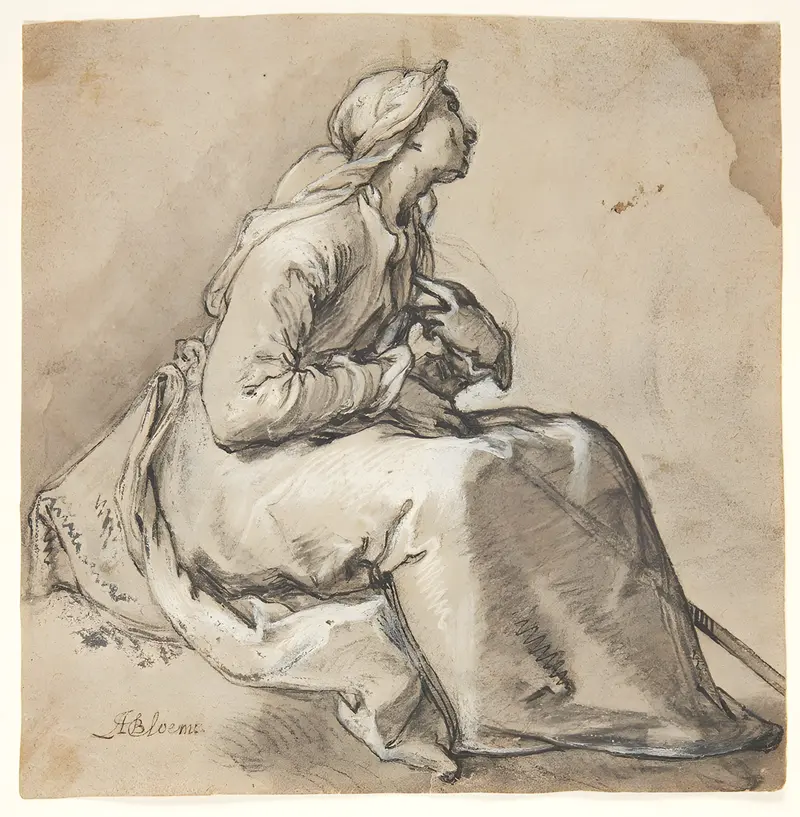
A seated woman facing right
Abraham Bloemaert
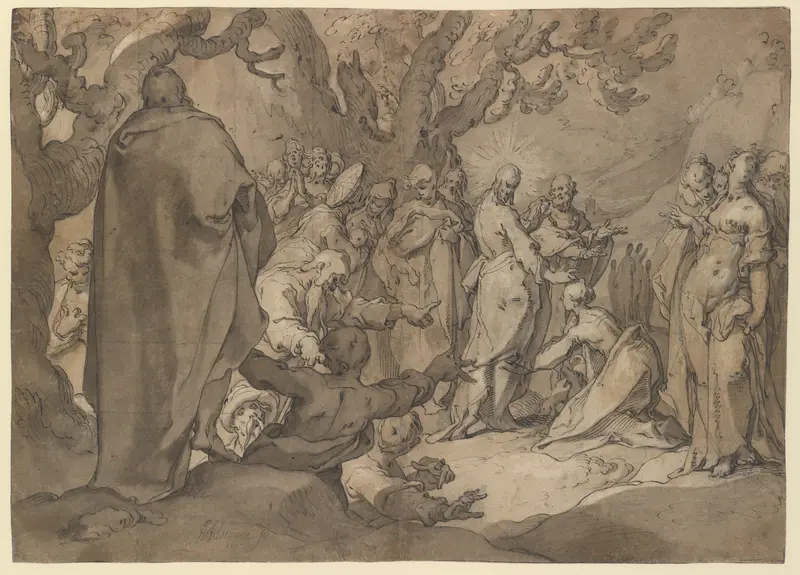
Christ and the Canaanite Women
Abraham Bloemaert
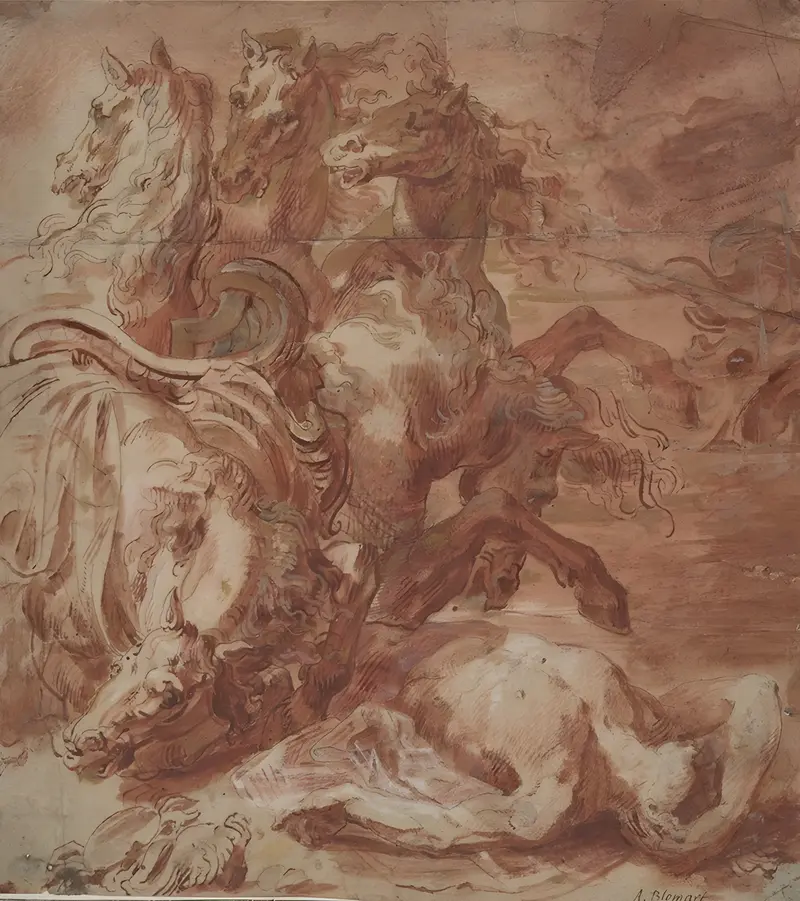
Hippolytus
Abraham Bloemaert
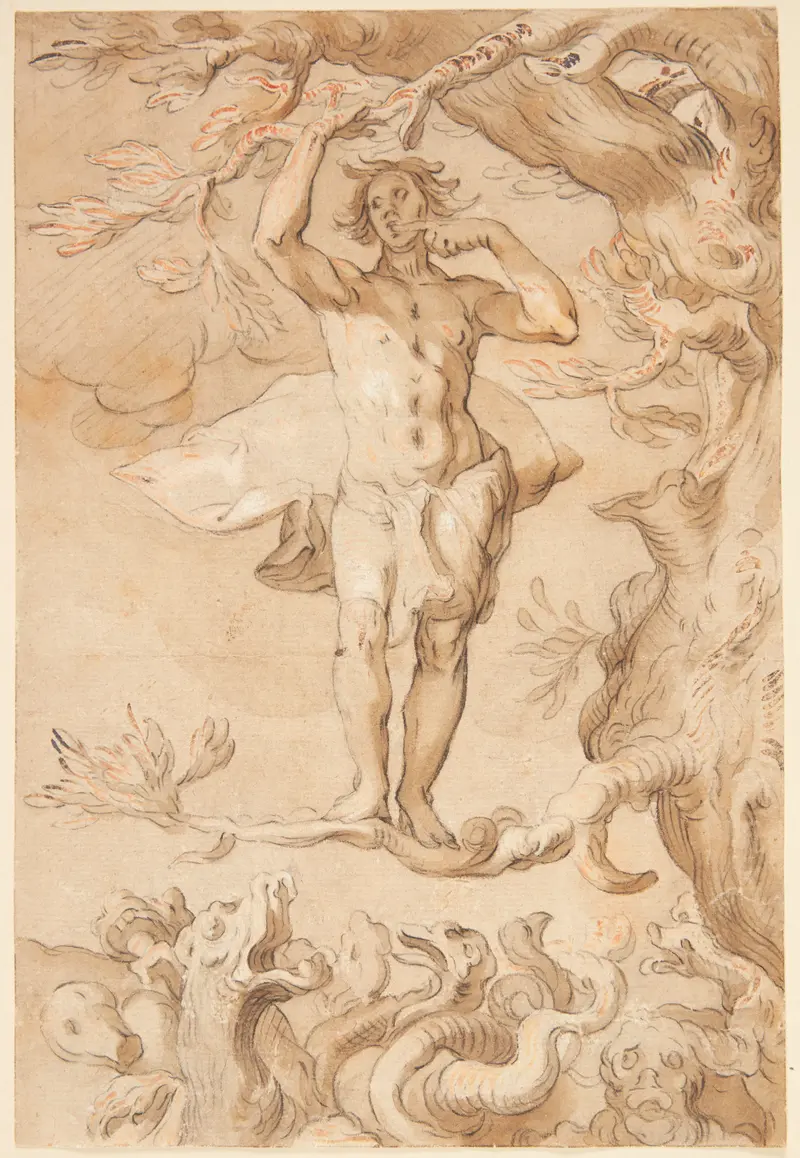
Den menneskelige glædes skrøbelighed En mand, der jages af en drage, klynger sig til en gren, mens han slikker honning af sin finger
Abraham Bloemaert

Moses Striking the Rock
Abraham Bloemaert
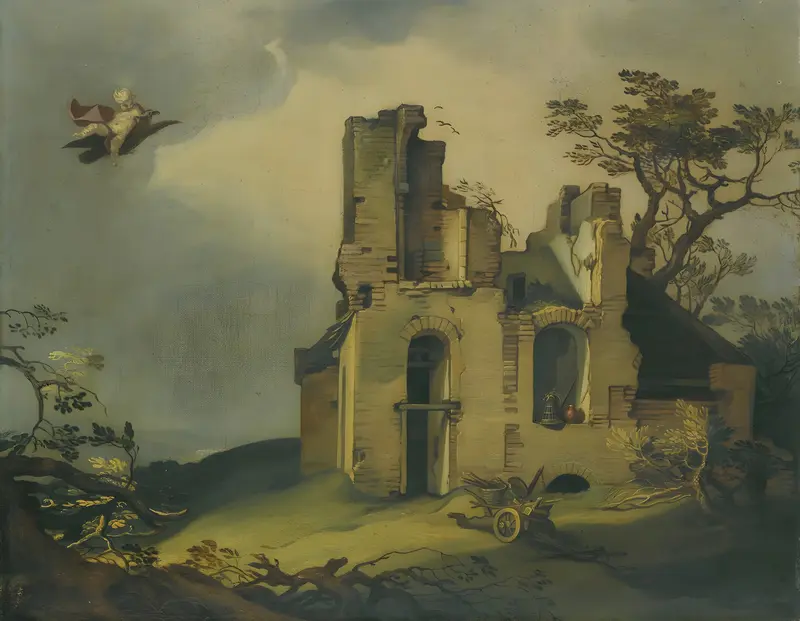
A Landscape With Ruins, With The Rape Of Ganymede
Abraham Bloemaert





