
Seated Man and two Heads — History & Facts
Few works in early twentieth-century European art remain as enigmatic as Seated Man and two Heads by Jules Schmalzigaug. The painting’s date and medium are unrecorded, and its very existence is a puzzle: it is one of the rare surviving examples from an artist whose career was cut short by the First World War and personal tragedy. What makes this piece especially intriguing is that it stands at the crossroads of Schmalzigaug’s engagement with the Italian Futurists and his own search for a visual language that could express the fractured psyche of modernity.
Scholars continue to debate whether the heads flanking the central figure were intended as portraits, masks, or psychological doubles. At the heart of the composition sits a solitary man, flanked by two disembodied heads that seem to float in ambiguous space. The moment Schmalzigaug has chosen is one of uneasy introspection: the seated figure’s posture is tense, his gaze averted, while the two heads—one perhaps serene, the other contorted—appear to represent conflicting aspects of thought or identity. The angular forms and dynamic brushwork recall the visual experiments of the Futurist movement, yet the mood here is more inward than the kinetic energy of Umberto Boccioni’s States of Mind.
The interplay of light and shadow, especially around the heads, suggests a struggle between clarity and confusion, as if the man is caught between competing voices. The provenance of Seated Man and two Heads is uncertain, as is often the case with works by Schmalzigaug, who died in 1917 at the age of just 32. It is believed to have remained in private collections for much of the twentieth century, surfacing only in recent decades as interest in early Futurism and Belgian modernism has grown. The painting’s ambiguous subject and experimental style place it among the most psychologically charged works of Schmalzigaug’s brief career.
Today, it is valued not only as a rare surviving canvas but also as a testament to an artist who stood at the edge of several artistic revolutions, never quite belonging to any single one.
More Artworks by Jules Schmalzigaug

A View of Scheveningen
Jules Schmalzigaug
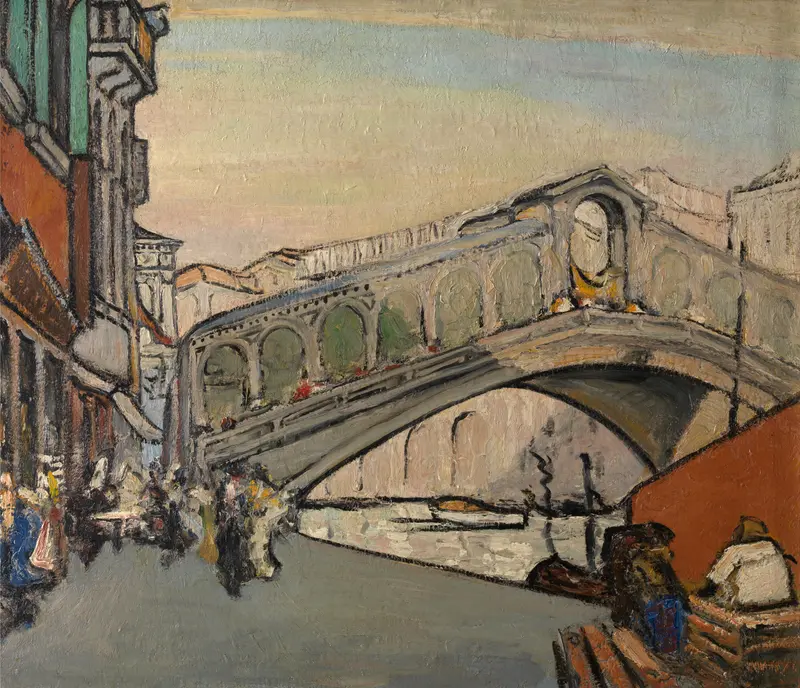
The Rialto Bridge in Venice
Jules Schmalzigaug

Abstract Bouquet
Jules Schmalzigaug
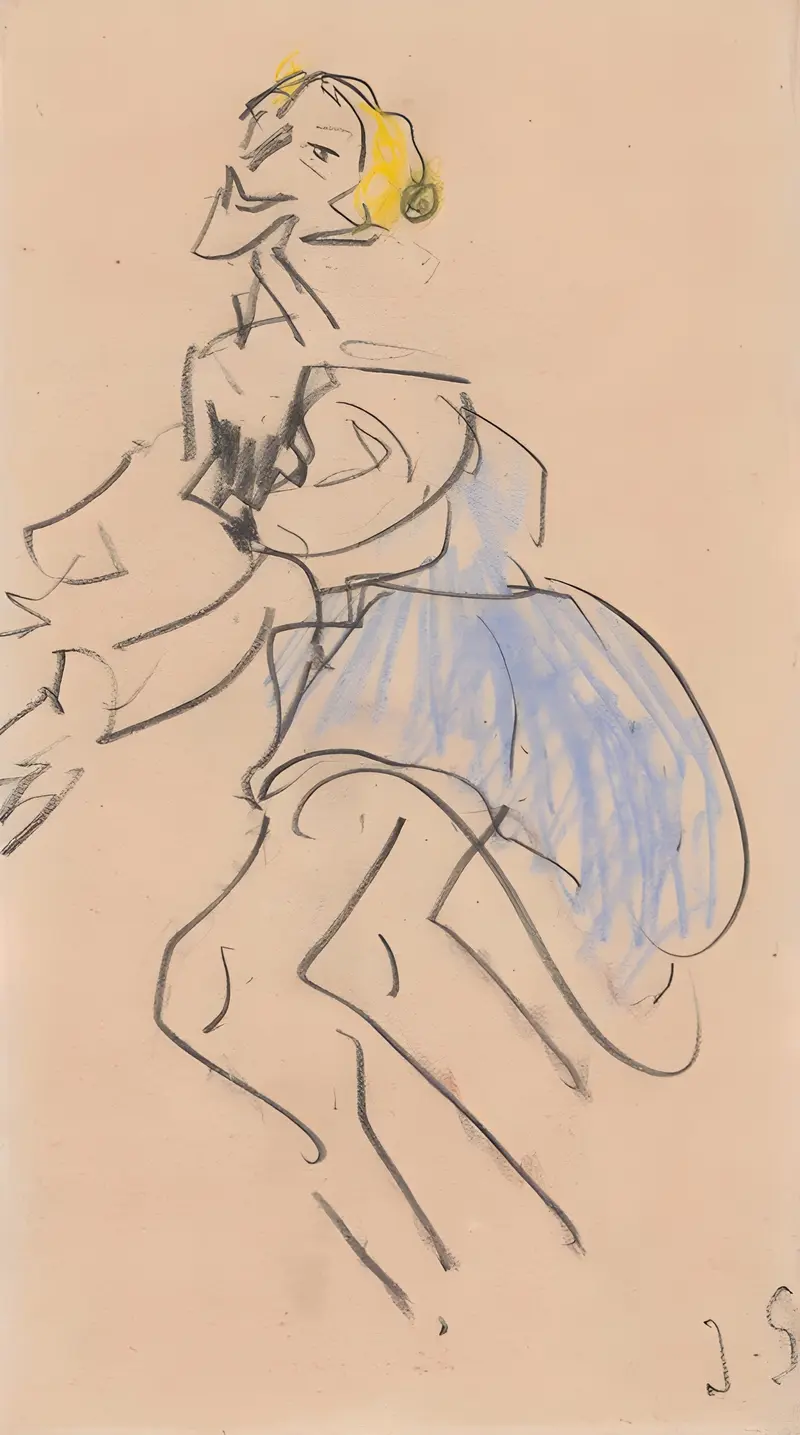
Dancer
Jules Schmalzigaug
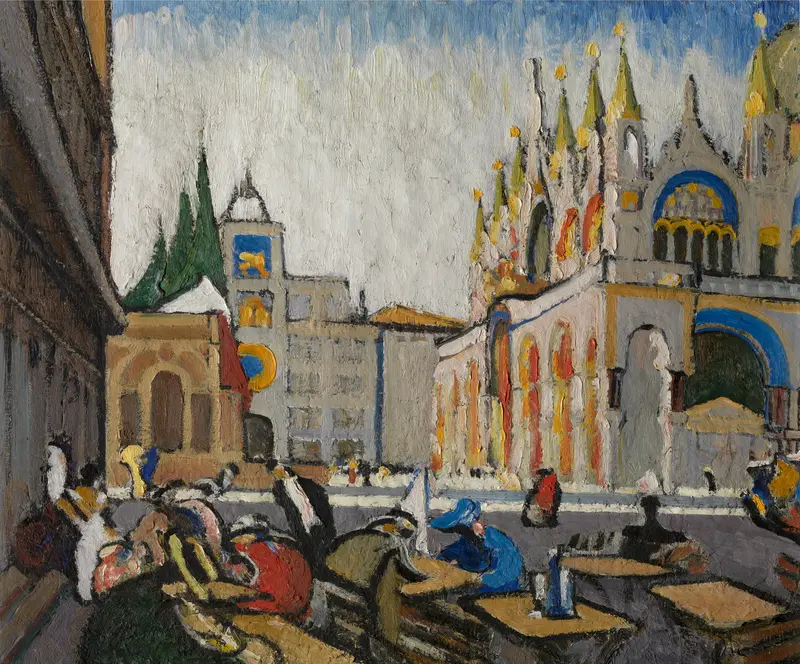
San Marco from the Piazetta
Jules Schmalzigaug
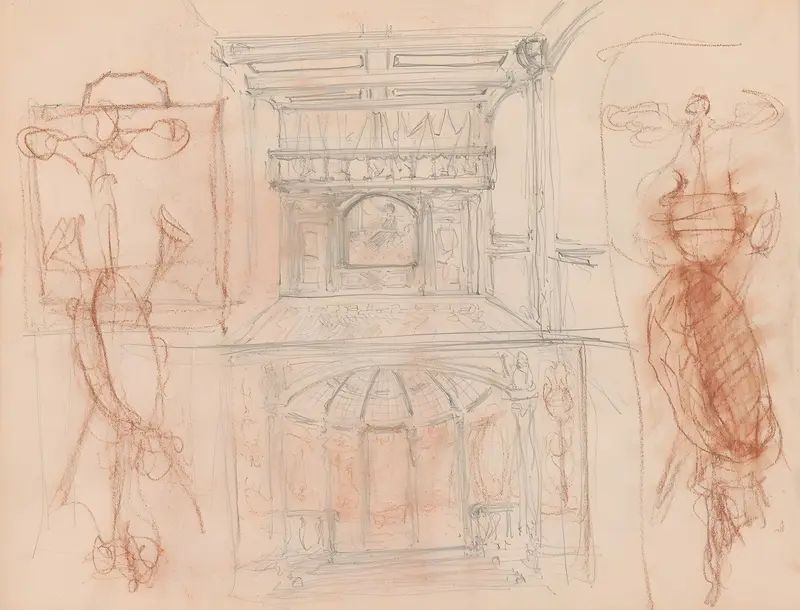
Architectural Elements
Jules Schmalzigaug
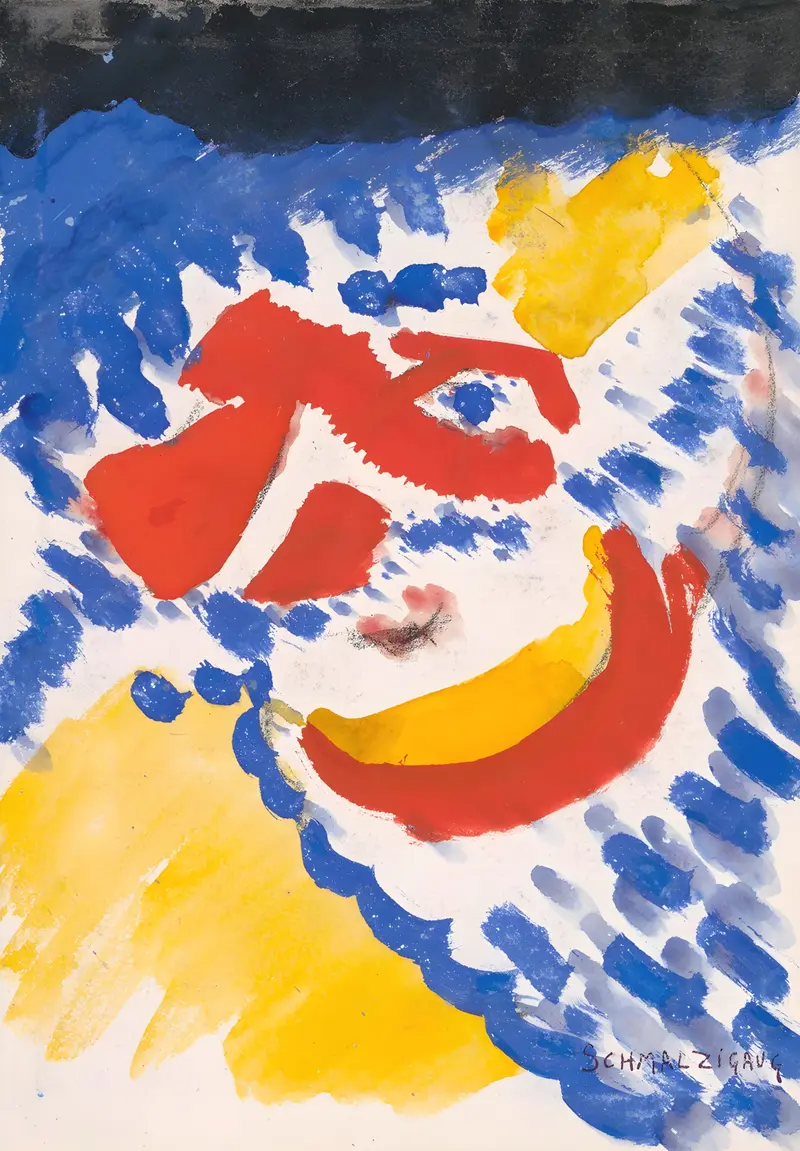
Blue, Red and Yellow Figures
Jules Schmalzigaug
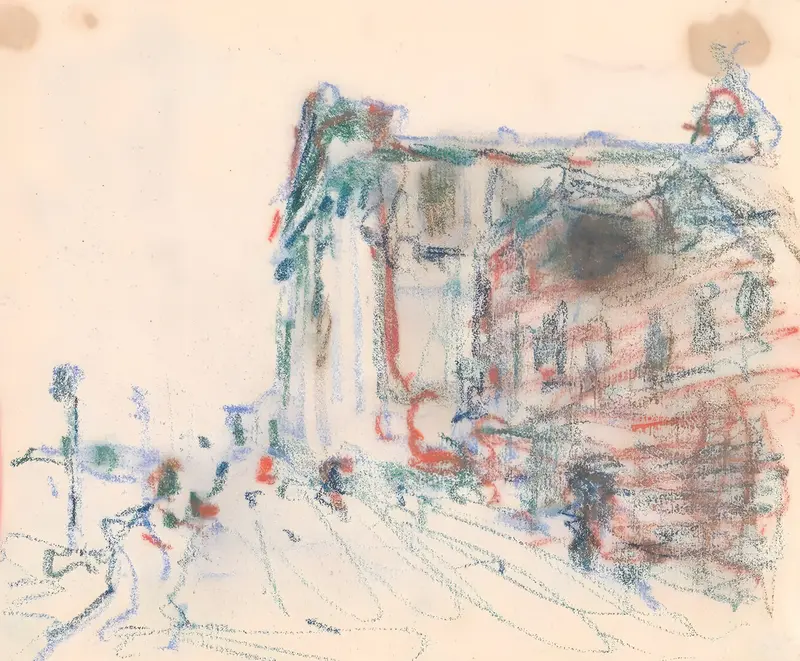
Chiesa dei Gesuati in Venice
Jules Schmalzigaug
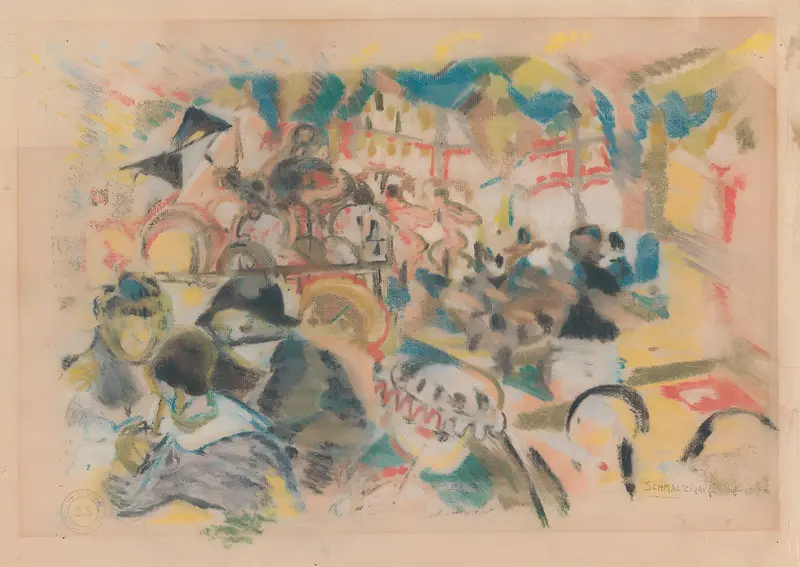
Café-chantant
Jules Schmalzigaug
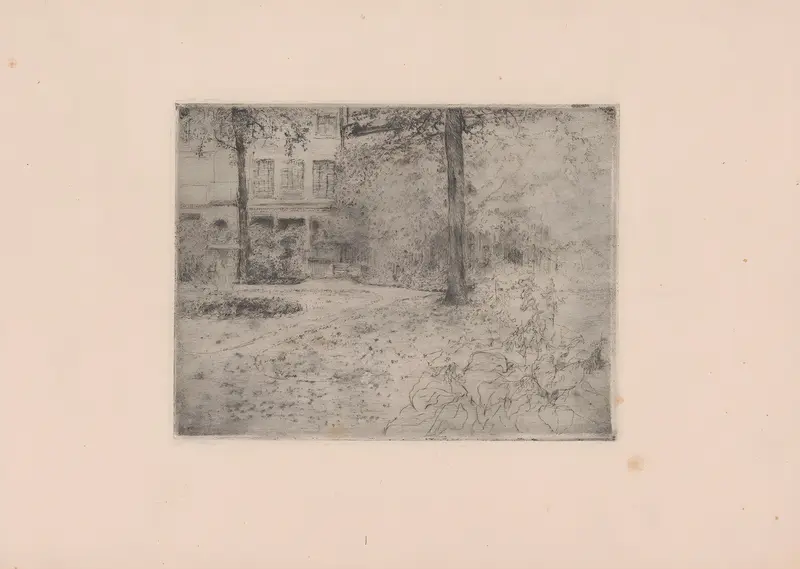
Backyard
Jules Schmalzigaug



