
Sebastián García de la Huerta — History & Facts
When Diego Velázquez painted Sebastián García de la Huerta in 1625, he was still in his twenties and newly arrived in Madrid, yet already attracting the attention of the city’s elite. The sitter, Sebastián García de la Huerta, was a prominent official in the royal administration, and this portrait likely marked his entry into the circles that would shape the Spanish court for decades. What makes this work especially intriguing is that it is one of the earliest known Madrid portraits by Velázquez, capturing the moment when his style was evolving from the earthy realism of Seville to the more refined, psychological approach that would define his later career. In the painting, García de la Huerta sits upright, his gaze direct but reserved, hands folded with a letter resting between his fingers—a subtle nod to his bureaucratic role.
The dark, unadorned background throws the sitter’s pale face and sober black attire into sharp relief, a technique Velázquez favored to emphasize character over status. The faint glimmer of a gold chain at his neck hints at official rank, while the restrained palette and naturalistic rendering recall the influence of Caravaggio and the early Spanish Baroque. Unlike the grand, theatrical portraits of Rubens, here the drama lies in the sitter’s inner life, captured in the tension of his posture and the quiet intelligence in his eyes. The provenance of Sebastián García de la Huerta is somewhat obscure; no early inventories mention it, and it was only attributed to Velázquez in the nineteenth century, after stylistic comparisons with his authenticated works.
Its commission remains undocumented, though it almost certainly came from García de la Huerta himself or his family, eager to mark his ascent in Madrid. Today, the painting is recognized as an important milestone in Velázquez’s early career, bridging his Sevillian beginnings and his mature court portraits. It now hangs in the Museo del Prado, a testament to the painter’s growing confidence and the subtle psychological insight that would later make him the leading portraitist of the Spanish Golden Age.
More Artworks by Diego Velázquez

Las Meninas
Diego Velázquez
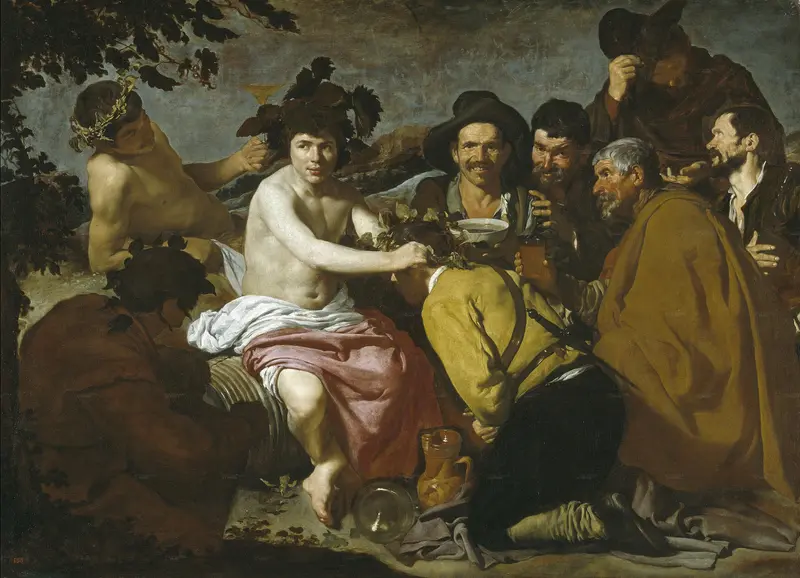
The Triumph of Bacchus
Diego Velázquez
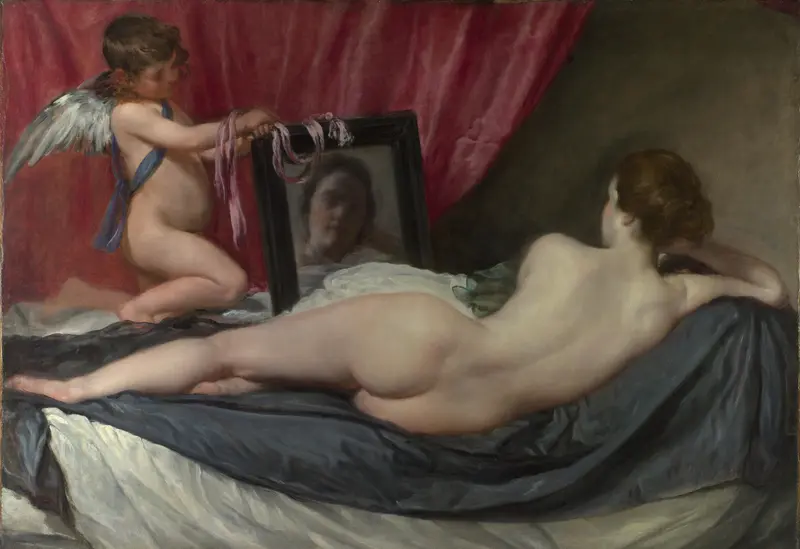
Rokeby Venus
Diego Velázquez
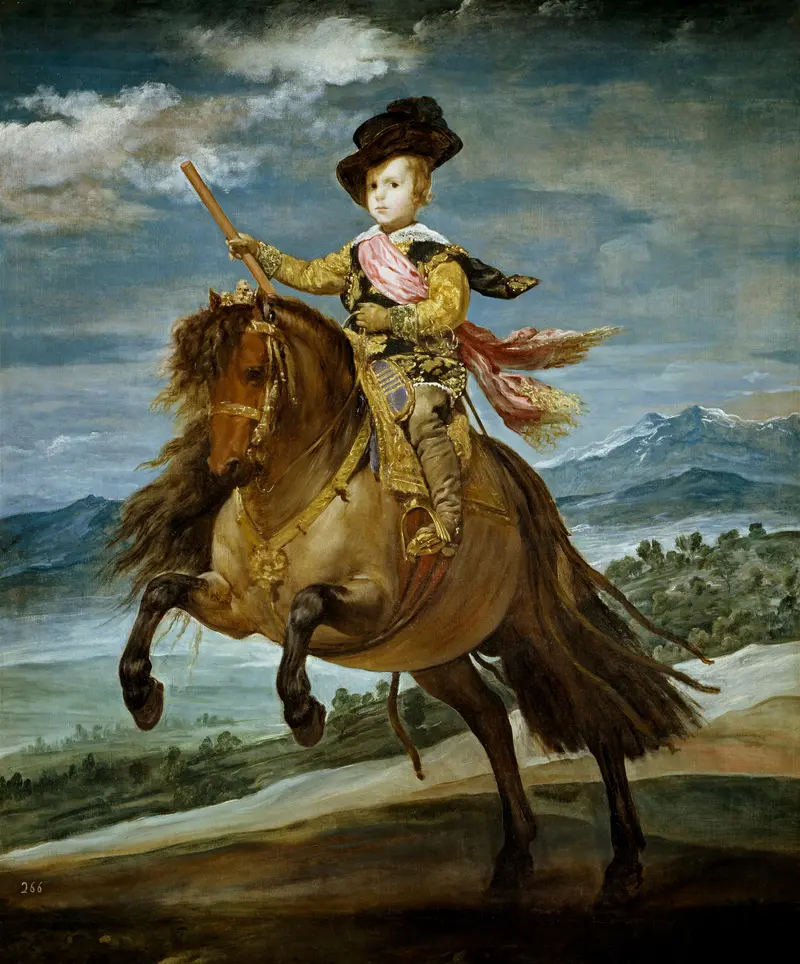
Equestrian Portrait of Prince Balthasar Charles
Diego Velázquez
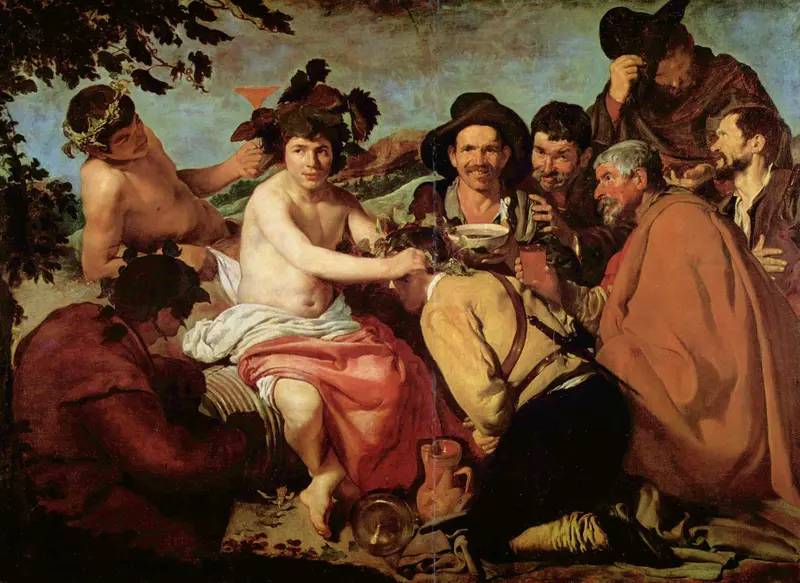
Bacchus
Diego Velázquez
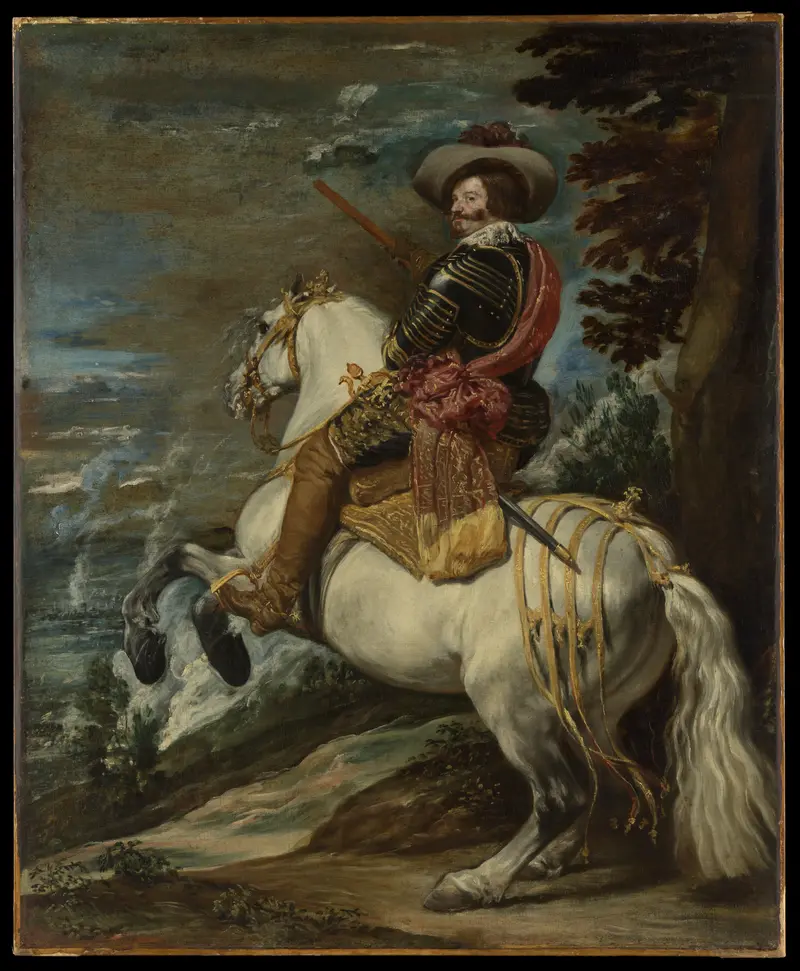
Don Gaspar de Guzmán (1587–1645), Count-Duke of Olivares
Diego Velázquez
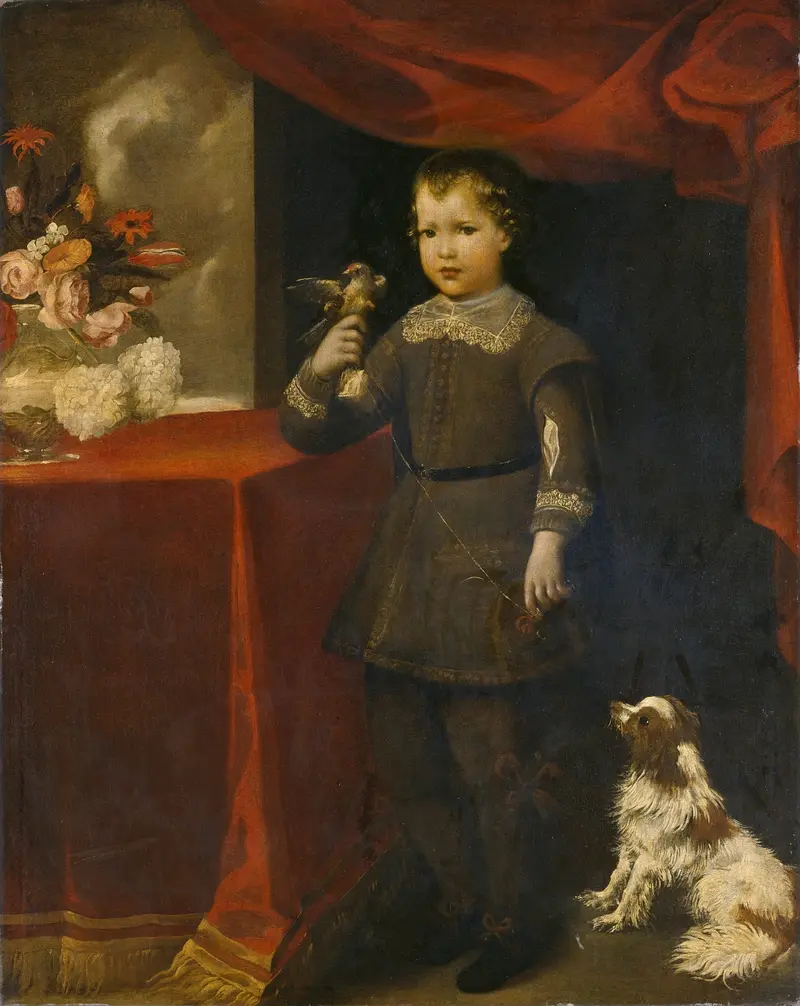
El príncipe Baltasar Carlos de Austria
Diego Velázquez
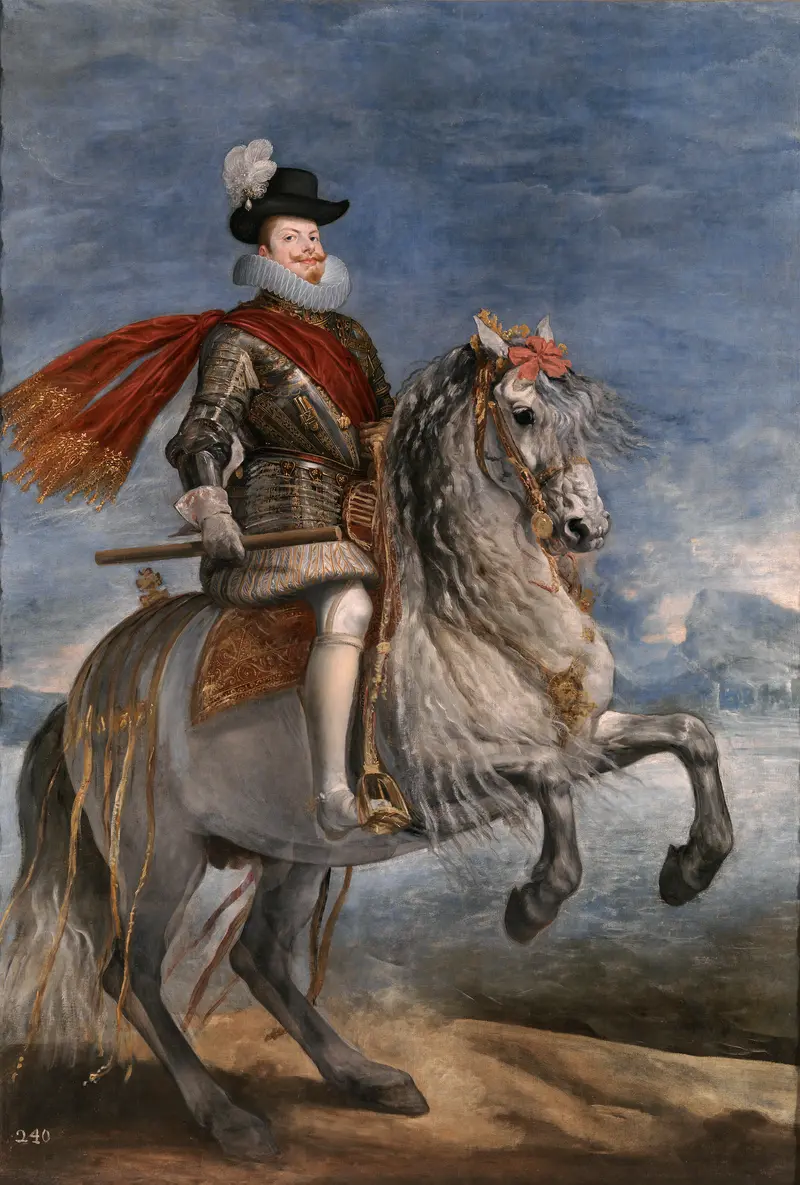
Equestrian Portrait of Philip III
Diego Velázquez
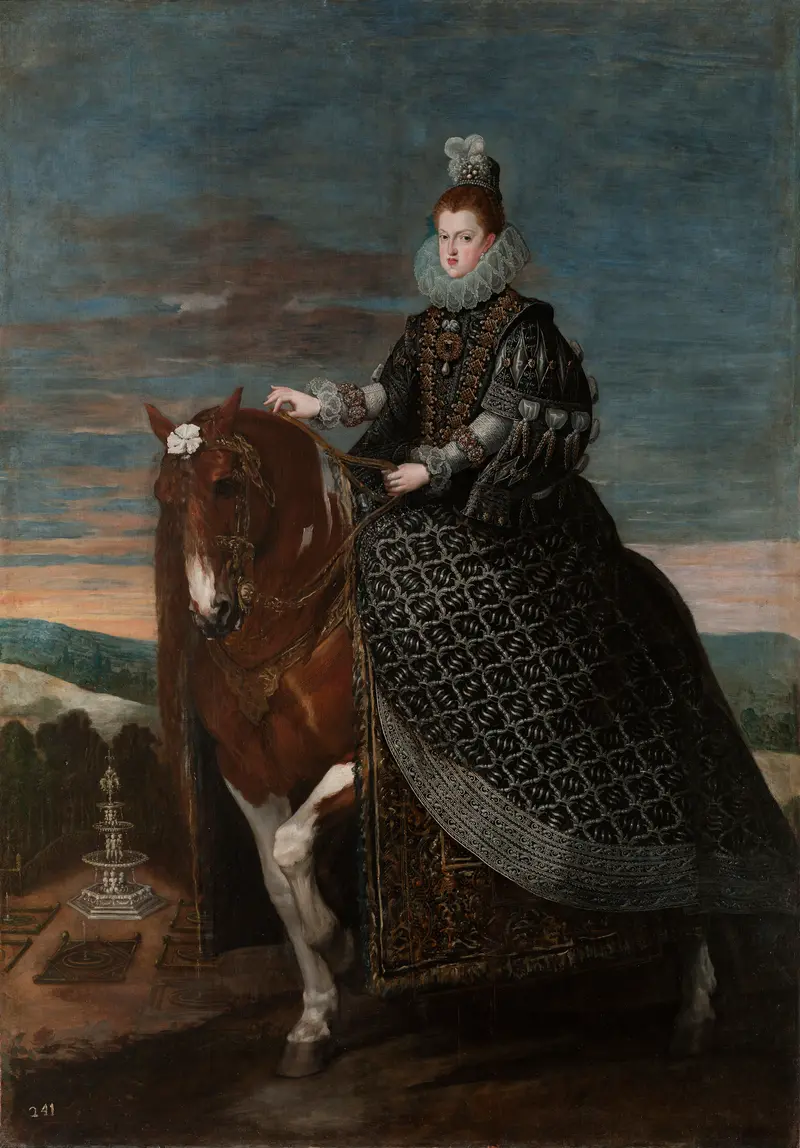
Equestrian Portrait of Margarita of Austria
Diego Velázquez
Las Hilanderas
Diego Velázquez




