
Sepulchring of Saint Cosmas and Saint Damian — History & Facts
In the 1430s, the Florentine friar-painter Fra Angelico was commissioned to create a cycle of panels for the Convent of San Marco, a project that would become one of the defining achievements of early Renaissance religious art. Among these, Sepulchring of Saint Cosmas and Saint Damian stands out for its rare depiction of the burial of the twin saints—physicians and martyrs—whose cult was especially venerated by the Medici family, patrons of the convent. The Medici’s personal devotion to Cosmas and Damian, their name-saints, gave this scene a particular resonance within the cycle, blending family pride with spiritual aspiration.
It is one of the few surviving painted narratives of the saints’ burial, a subject less frequently chosen than their miraculous healings or martyrdom. The scene unfolds at the moment when the bodies of Cosmas and Damian are laid to rest by mourners, their pale forms gently lowered into a stone sarcophagus. Around them, friars and laymen gather in silent reverence, their gestures restrained, their faces marked by quiet sorrow. The gold halos, a signature of Fra Angelico, affirm the saints’ sanctity, while the careful arrangement of figures draws the eye to the central act of burial—an act of both loss and hope.
The cool, clear light and the architectural setting evoke the order and clarity of Renaissance Florence, inviting comparison to Masaccio’s more dramatic funerary scenes, yet here the mood is one of meditative calm. The lilies in the foreground, symbols of purity, remind viewers of the saints’ healing mission and the hope of resurrection. Though the exact original location of Sepulchring of Saint Cosmas and Saint Damian within San Marco is uncertain, it was likely intended for a private devotional space, perhaps for the Medici themselves. Over centuries, the panel has survived the dispersal of the San Marco altarpieces and the shifting tides of taste and religious reform.
Today, it is generally grouped with other panels from the same cycle, whose attributions to Fra Angelico are secure thanks to Vasari’s early praise and consistent stylistic evidence. The work marks a moment when Fra Angelico was at the height of his powers, blending narrative clarity with spiritual intensity, and remains a touchstone for understanding the devotional art of early fifteenth-century Florence.
More Artworks by Fra Angelico

Condemnation of St Lawrence by the Emperor Valerian
Fra Angelico
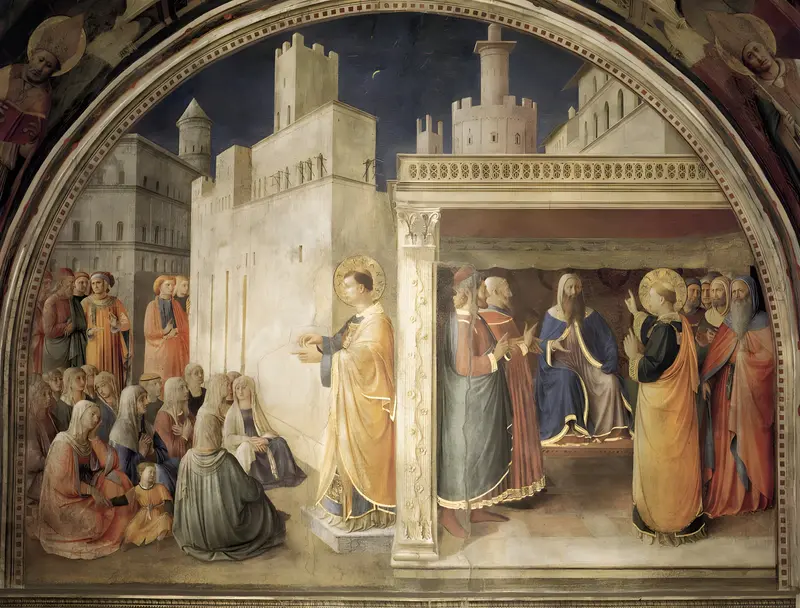
Lunette of the north wall
Fra Angelico
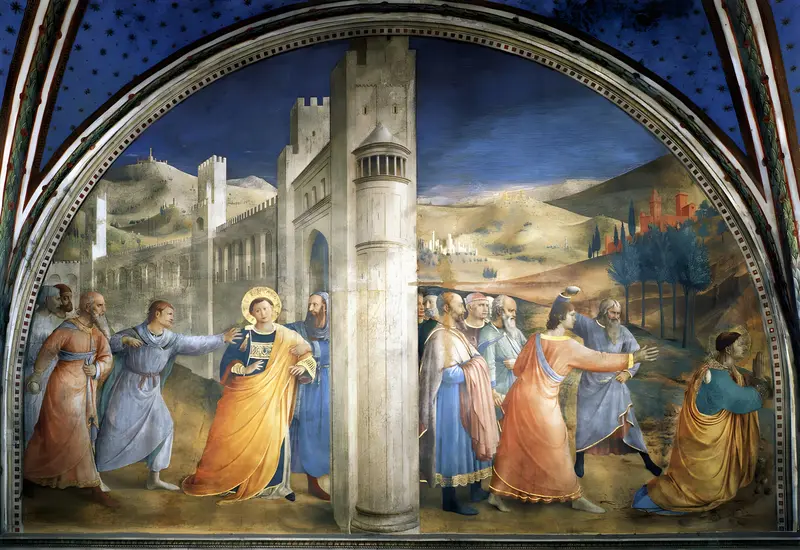
Lunette of the east wall in Niccoline Chapel
Fra Angelico
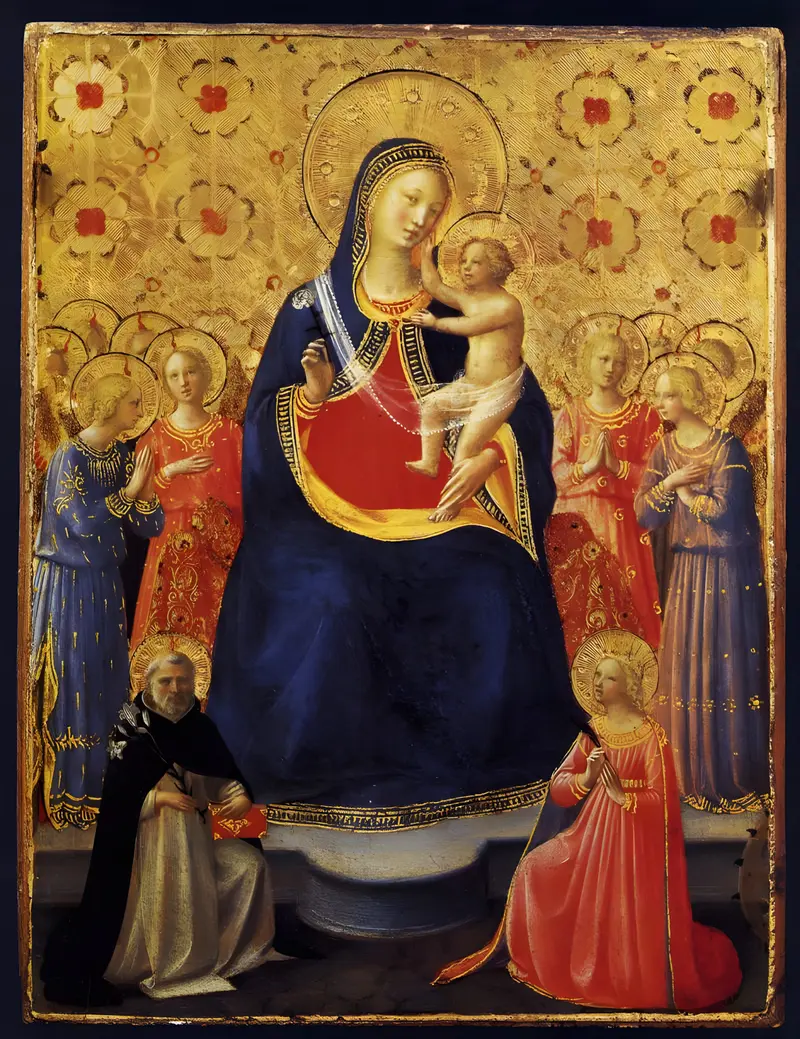
Madonna and Child Enthroned with Nine Angels and Saints Dominic and Catherine of Alexandria
Fra Angelico
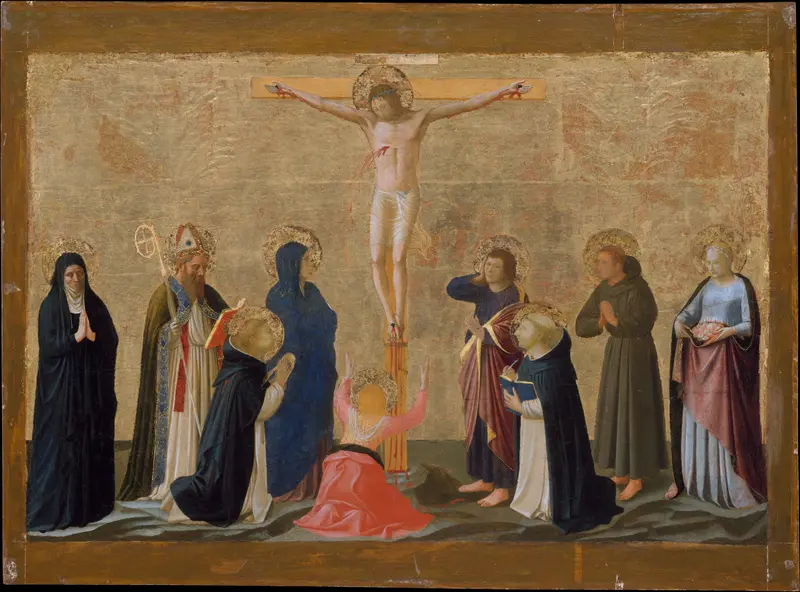
The Crucifixion
Fra Angelico
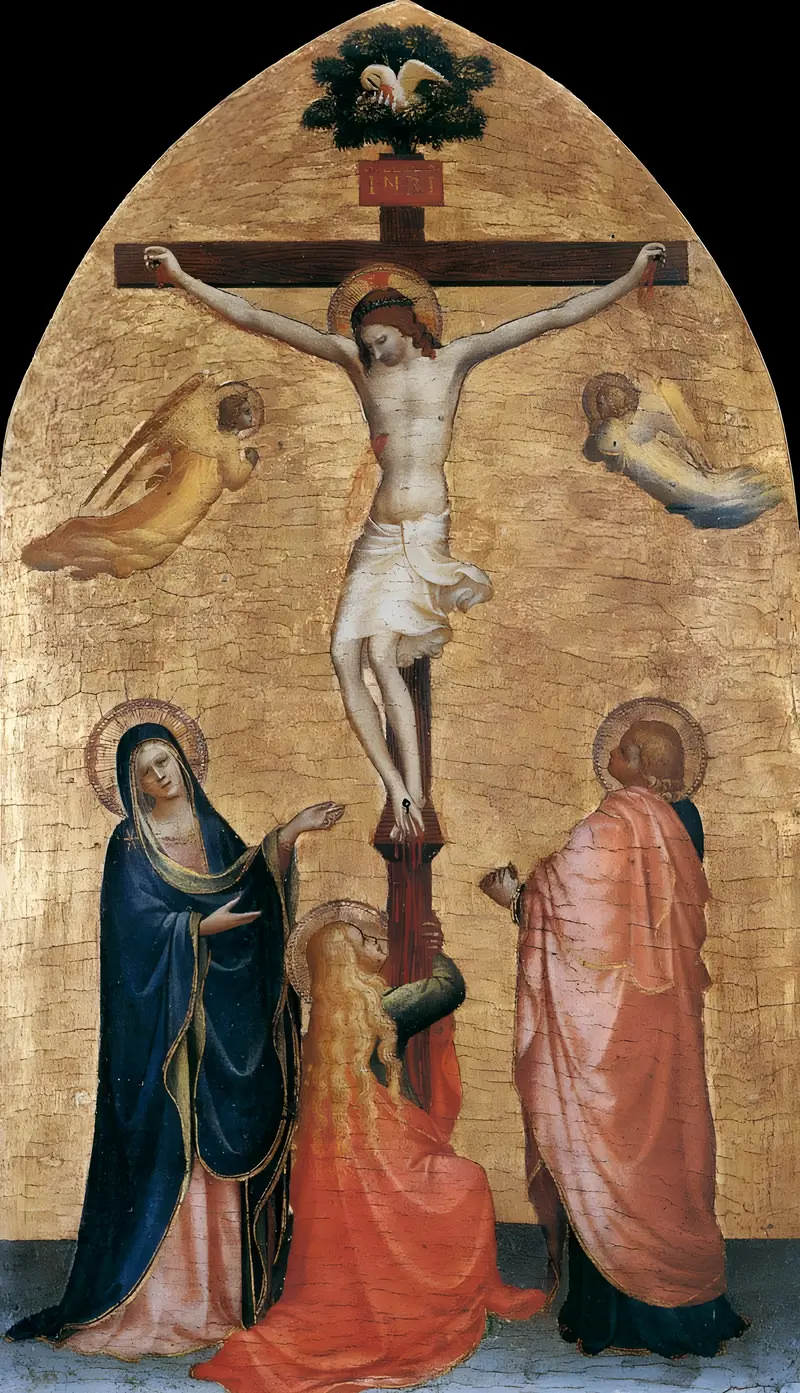
Crucifixion with the Virgin, John the Evangelist, and Mary Magdelene
Fra Angelico
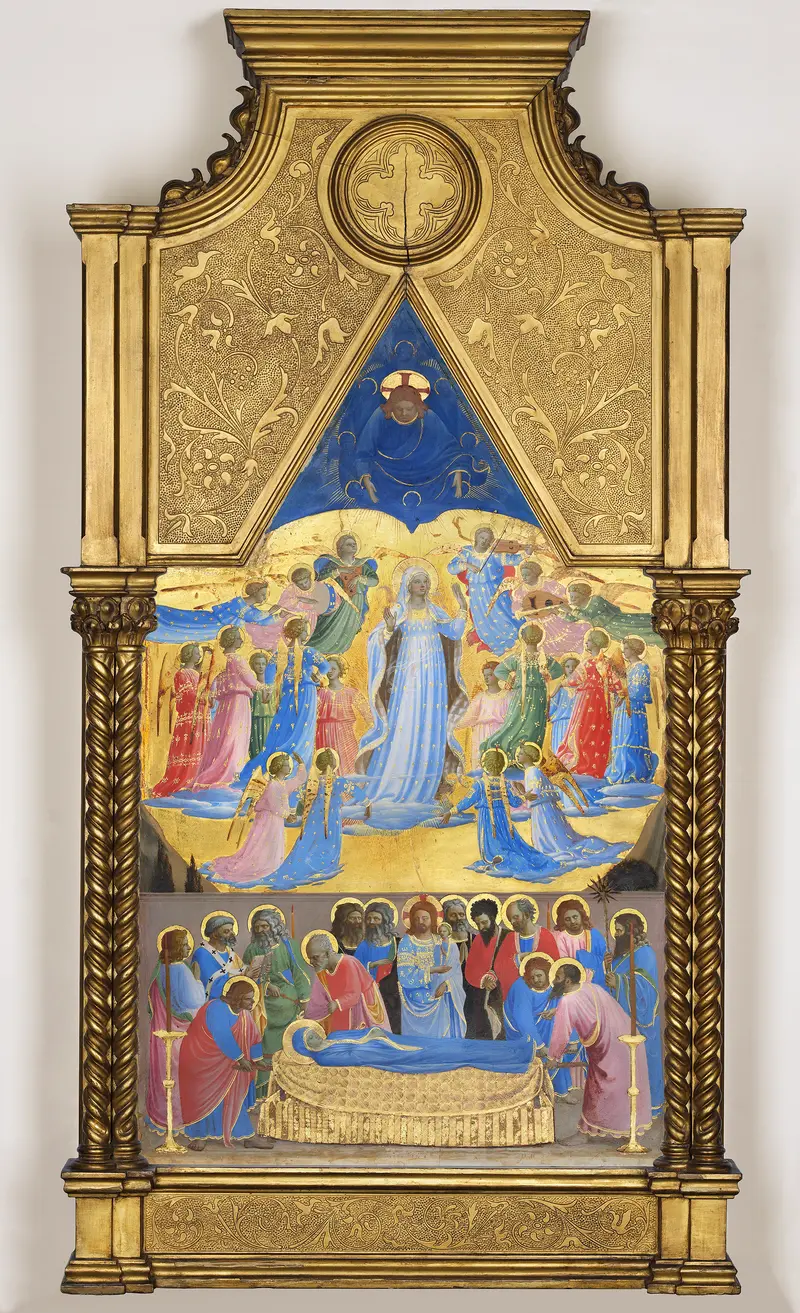
Dormition and Assumption of the Virgin
Fra Angelico
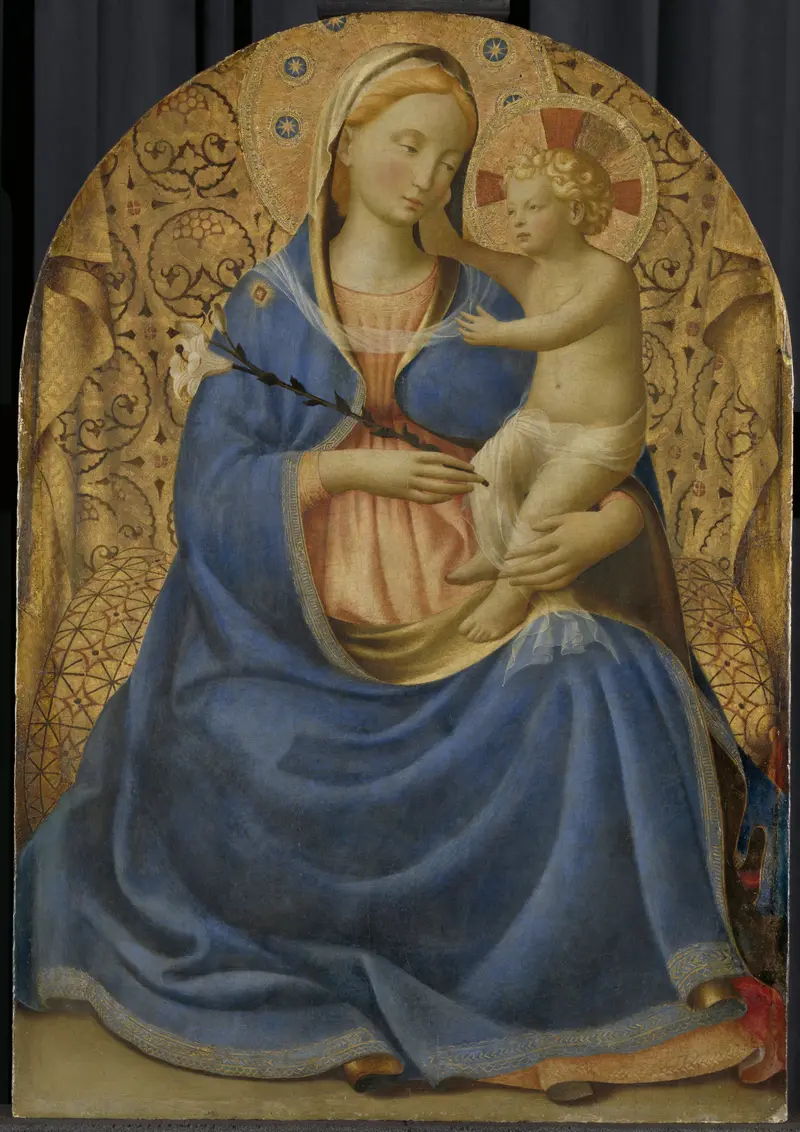
Madonna of Humility
Fra Angelico
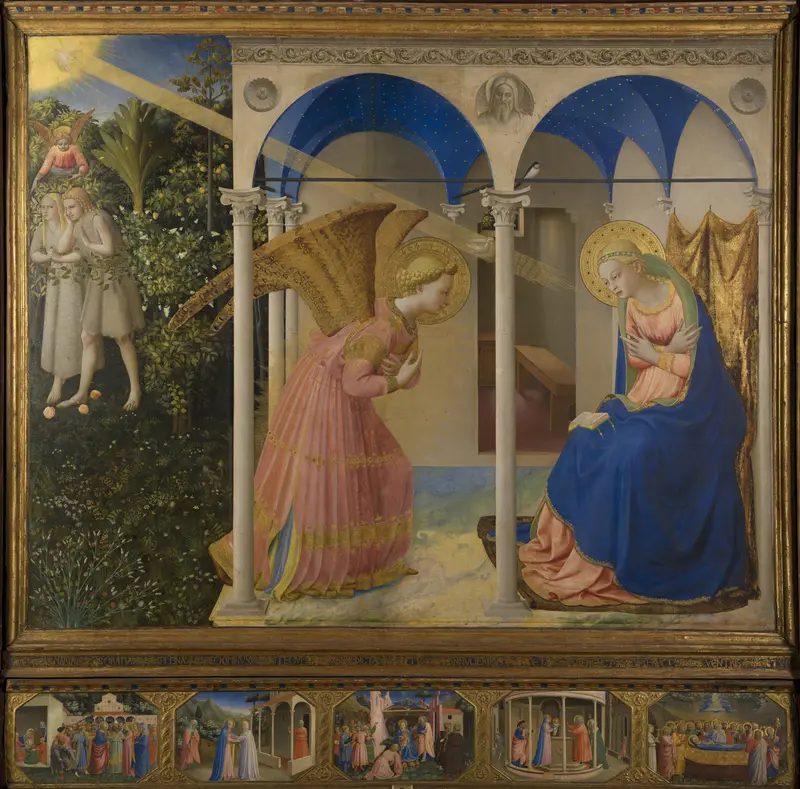
The Annunciation
Fra Angelico

Saint Anthony Abbot
Fra Angelico





