
Sestri — on the Beach — History & Facts
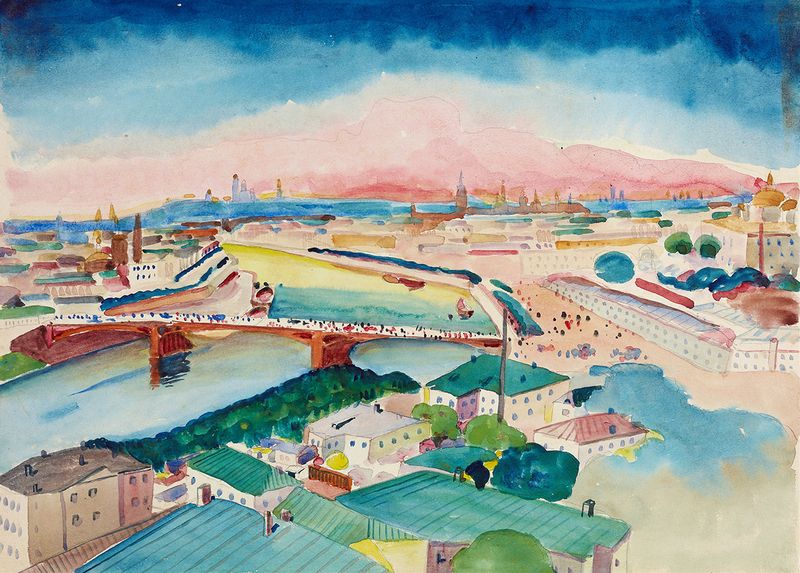
Who listens when art speaks of silence? In Sestri — on the Beach, the haunting interplay of color and form invites us to contemplate the ephemeral and the decaying essence of the world around us. Look to the center of the canvas, where a spectral arrangement of warm hues and cool tones converge, creating a dreamlike atmosphere. The soft brushstrokes mimic the undulating waves of the sea, while bold shapes hint at the silhouettes of figures on the shore. Notice how the interplay of light and shadow not only illuminates the beach but also creates a sense of depth, drawing our eyes into the heart of this tranquil yet unsettling landscape. Within the vivid colors lies a deeper emotional tension, reflecting both the beauty and the inevitability of decay.
The juxtaposition of the vibrant foreground against the more somber, muted tones in the background embodies the fragile nature of life itself, suggesting that even in moments of joy, an undercurrent of loss and transience persists. Each composition choice seems to whisper stories of those who have walked this beach, their footprints long washed away by the tide, leaving only echoes of existence. Kandinsky painted this work in 1905 during a transformative period in his life, marked by a yearning for spiritual transcendence through abstraction. Living in Germany at the time, he was influenced by the burgeoning modernist movement and the tumultuous social changes sweeping Europe.
This painting foreshadows his later explorations into pure abstraction, as he sought to capture the essence of experience rather than mere representation.
More Artworks by Wassily Kandinsky
Browse all →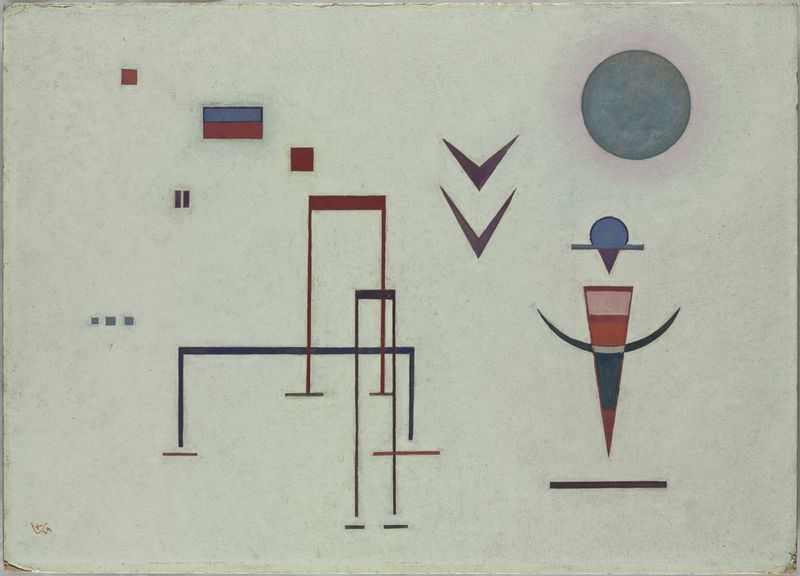
Jocular Sounds
Wassily Kandinsky
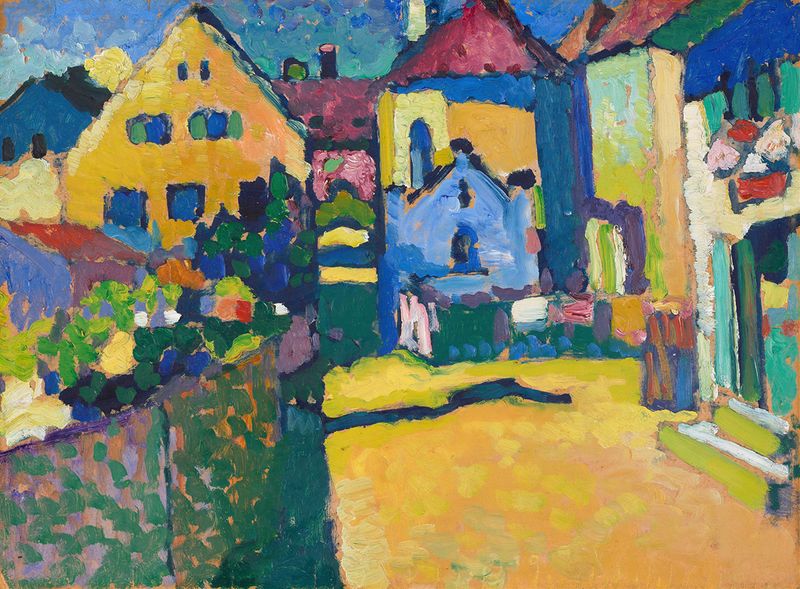
Green Lane in Murnau
Wassily Kandinsky

Murnau
Wassily Kandinsky

Murnau – View from the window of the Griesbräu
Wassily Kandinsky

Landscape with a yellow field
Wassily Kandinsky
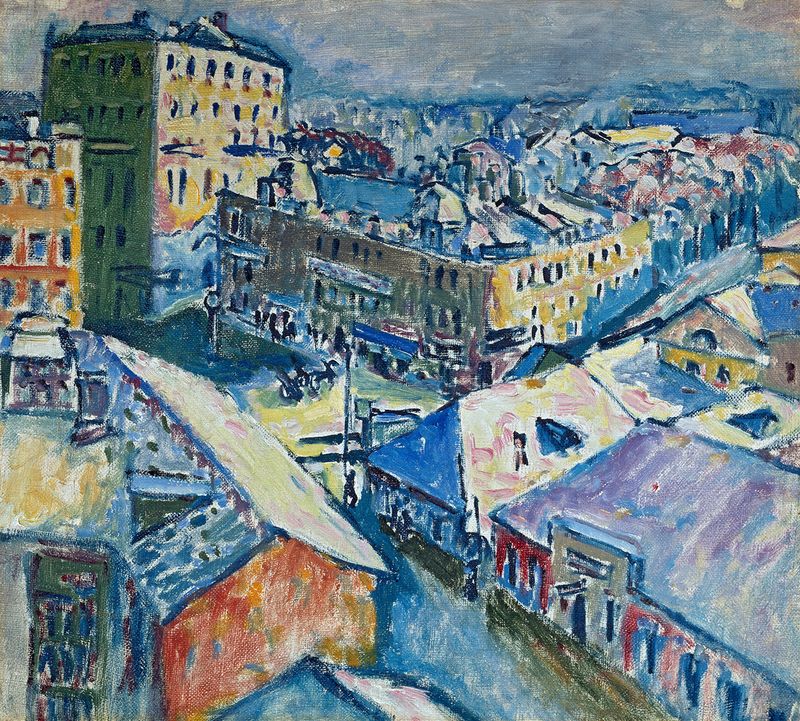
Zubovsky Platz
Wassily Kandinsky

Murnau – Castle and Church
Wassily Kandinsky
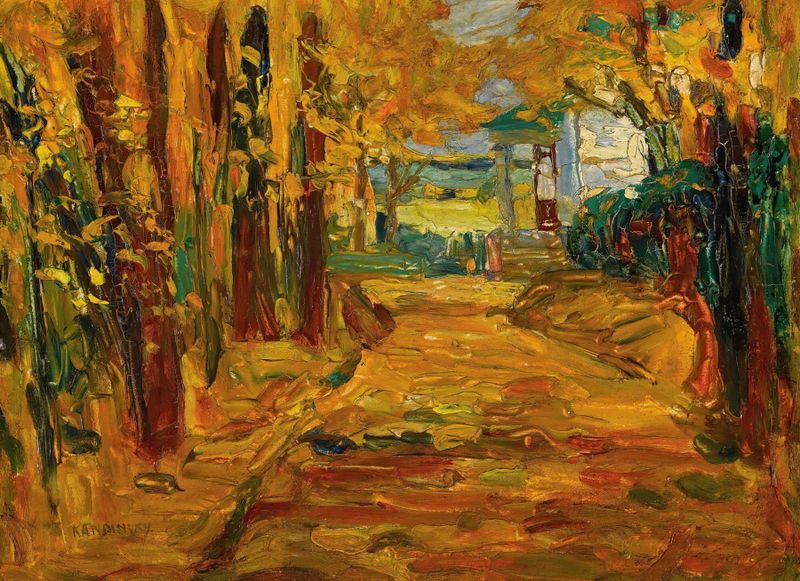
Park Von St. Cloud – Herbst I
Wassily Kandinsky

Cemetery and rectory in Kochel
Wassily Kandinsky
Blick auf Moskau
Wassily Kandinsky





