
Simeon — History & Facts
In 1645, Francisco de Zurbarán completed a cycle of paintings for the Carthusian monastery of Santa María de las Cuevas in Seville, one of the largest commissions of his career. Among these works is Simeon, part of a series portraying the sons of Jacob, the patriarchs of the tribes of Israel. This ambitious project was notable not only for its scale—Zurbarán painted thirteen figures—but also for its rarity: few artists of the Spanish Baroque attempted such a comprehensive visual genealogy.
The cycle’s fate after the dissolution of the monasteries in the 19th century scattered the paintings across Europe, turning each into a sought-after treasure for collectors and museums. The figure of Simeon stands alone, wrapped in heavy robes, his gaze cast downward in contemplation. Zurbarán captures the moment after Jacob’s blessing, when Simeon, second son of Leah, is marked by both privilege and prophecy—his tribe would later be dispersed in Israel. The painter’s use of stark light and shadow carves out the folds of Simeon’s garment, lending the figure a sculptural solidity.
Unlike the dynamic drama of Rembrandt’s biblical patriarchs, Zurbarán’s Simeon is still, almost monastic, embodying the quiet gravity of fate. The absence of narrative action draws the viewer into the psychological weight of Simeon’s destiny, as if the silence itself is part of the story. The original commission for Santa María de las Cuevas reflected the Carthusians’ interest in Old Testament figures as models of spiritual endurance. After the monastery’s closure, the paintings were dispersed; Simeon eventually entered a private collection before finding its way to a public museum.
The series marked a turning point for Zurbarán, who was at the height of his reputation in Seville, known for his austere religious images. Today, Simeon stands as a testament to the painter’s ability to infuse biblical history with the gravity and introspection that define the Spanish Baroque. Its journey from monastic seclusion to public display mirrors the broader fate of religious art in post-Reformation Spain.
More Artworks by Francisco de Zurbarán
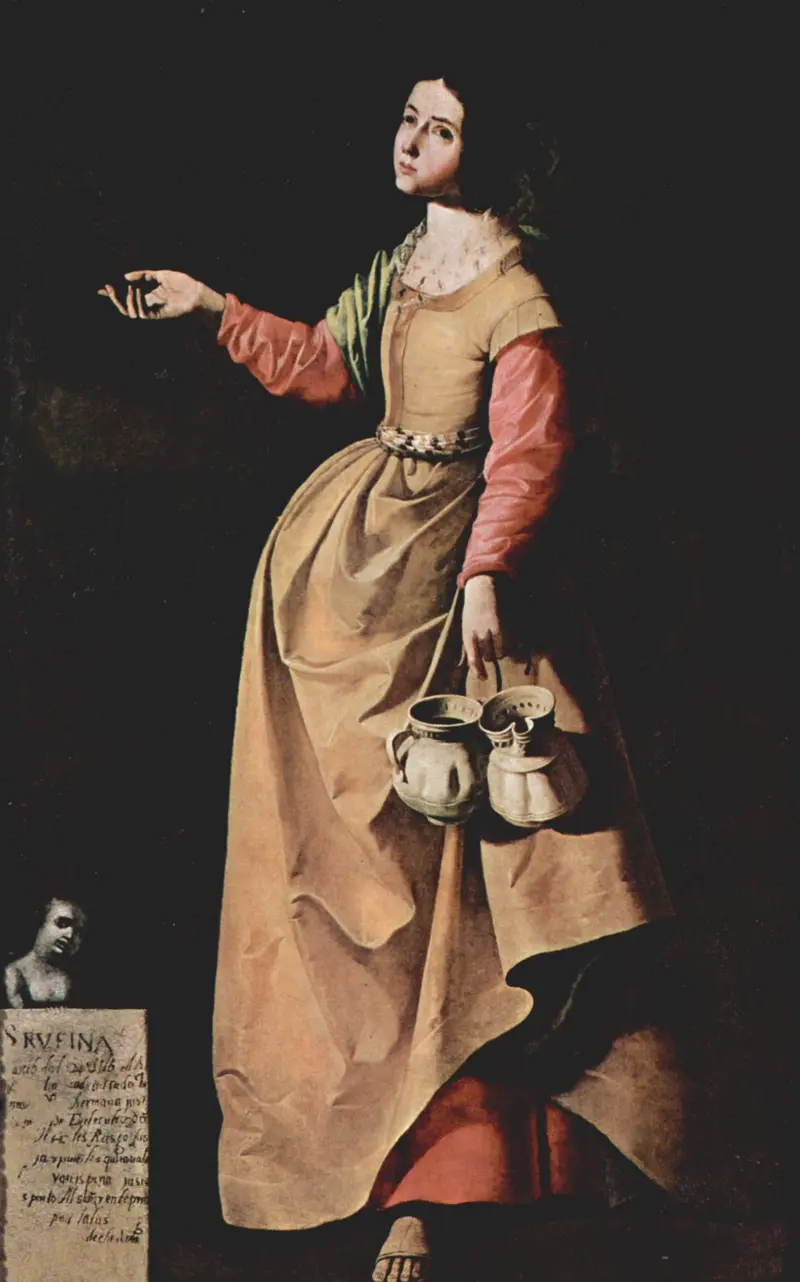
Saint Rufina
Francisco de Zurbarán
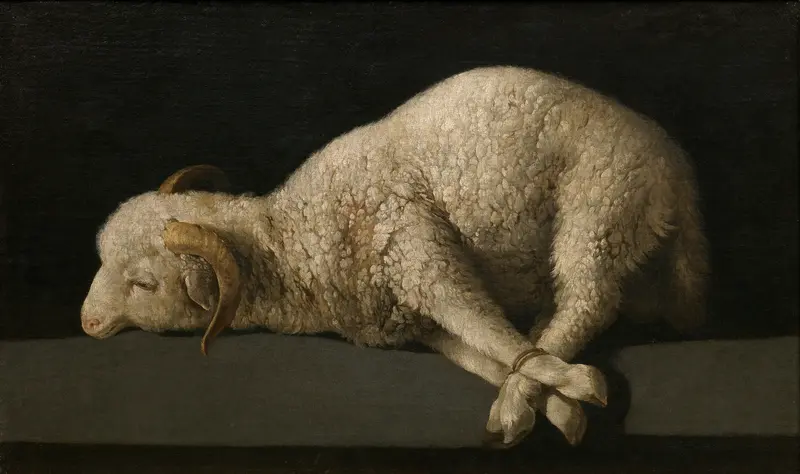
Agnus Dei
Francisco de Zurbarán
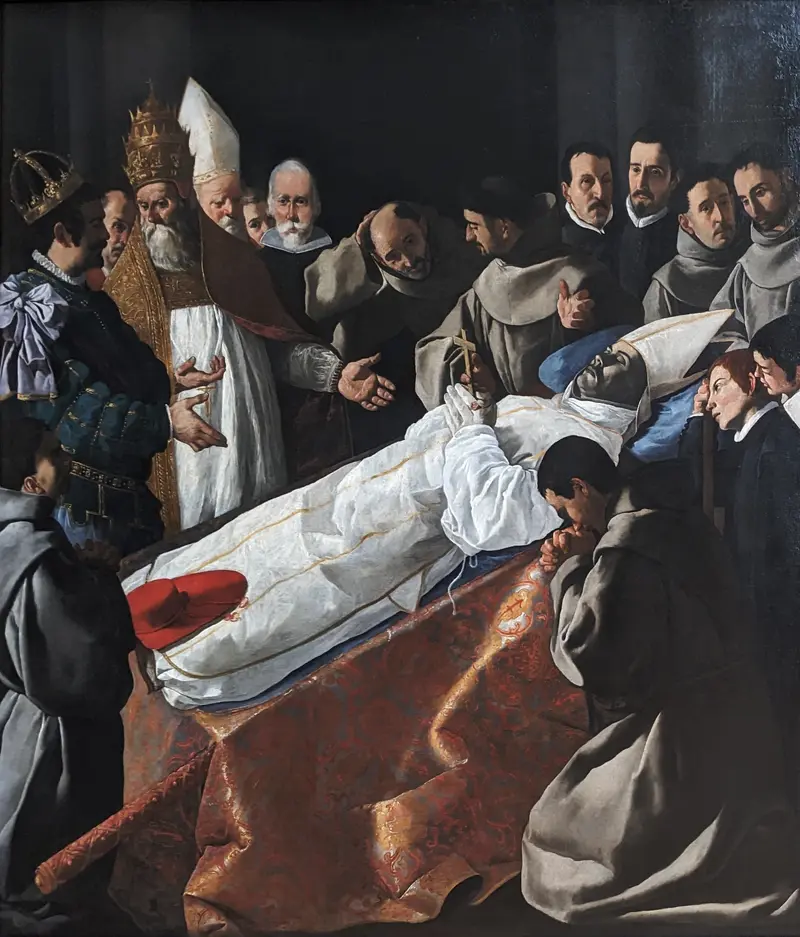
Saint Bonaventure's Body Lying in State
Francisco de Zurbarán
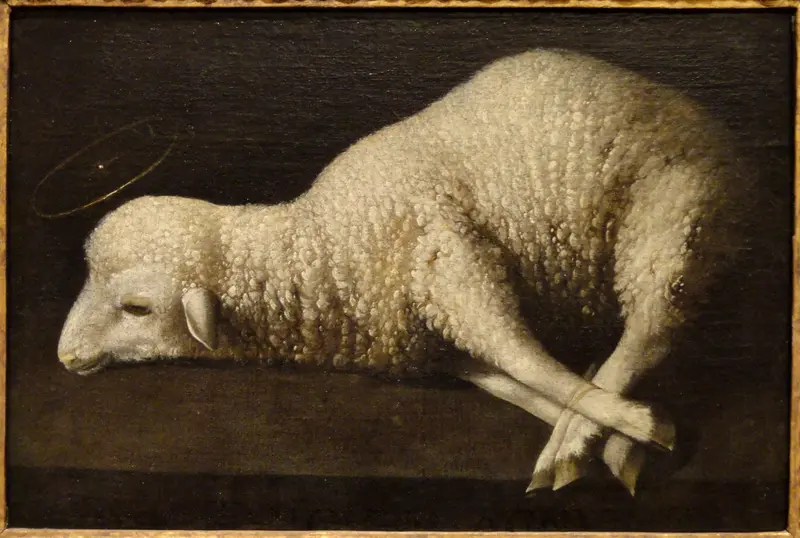
The Lamb of God
Francisco de Zurbarán

Adoration of the Magi
Francisco de Zurbarán
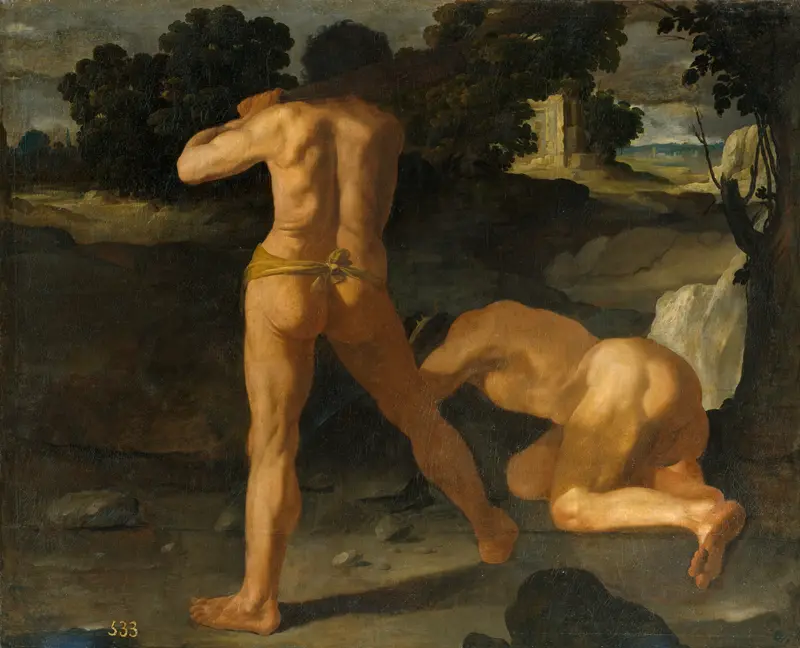
Hercules defeats King Geryon
Francisco de Zurbarán
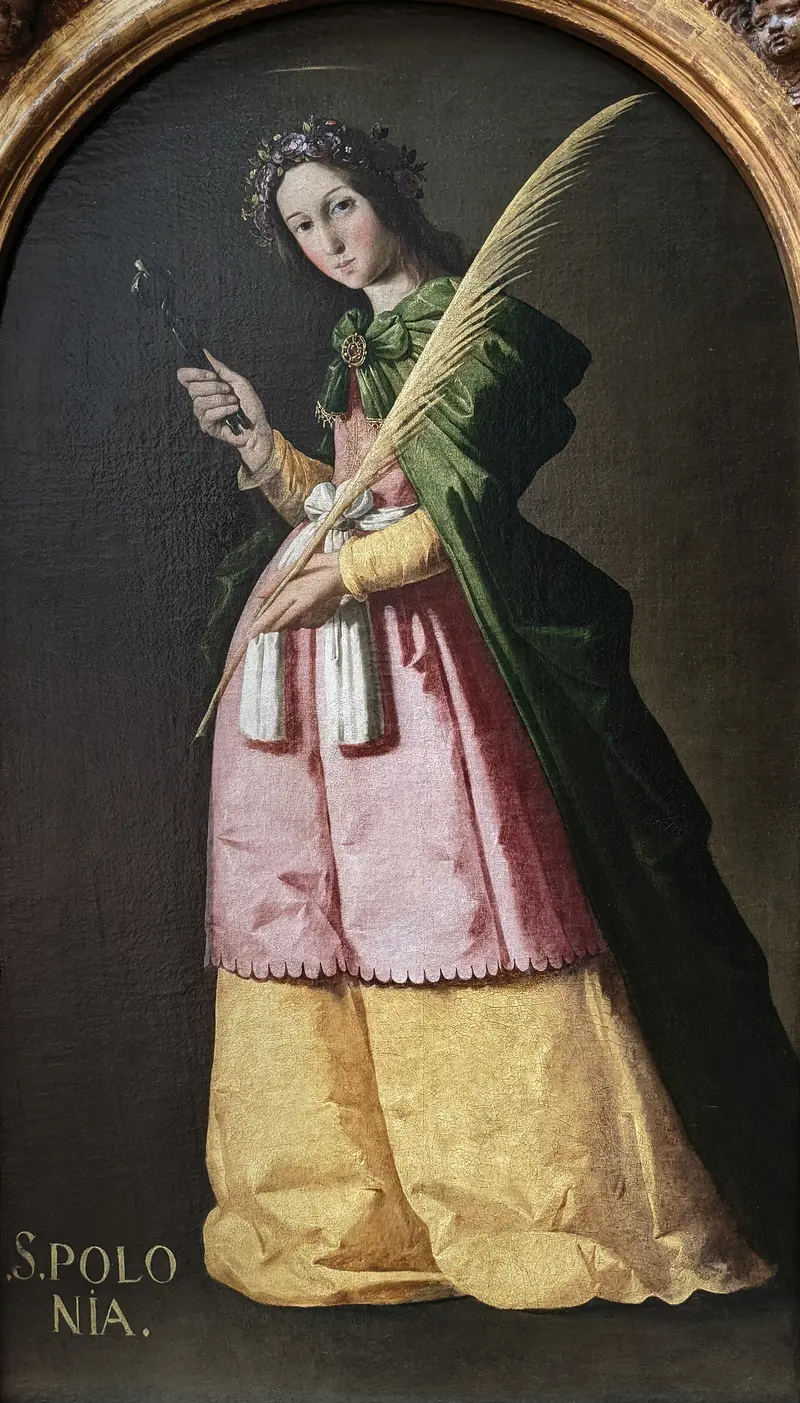
Saint Apollonia
Francisco de Zurbarán
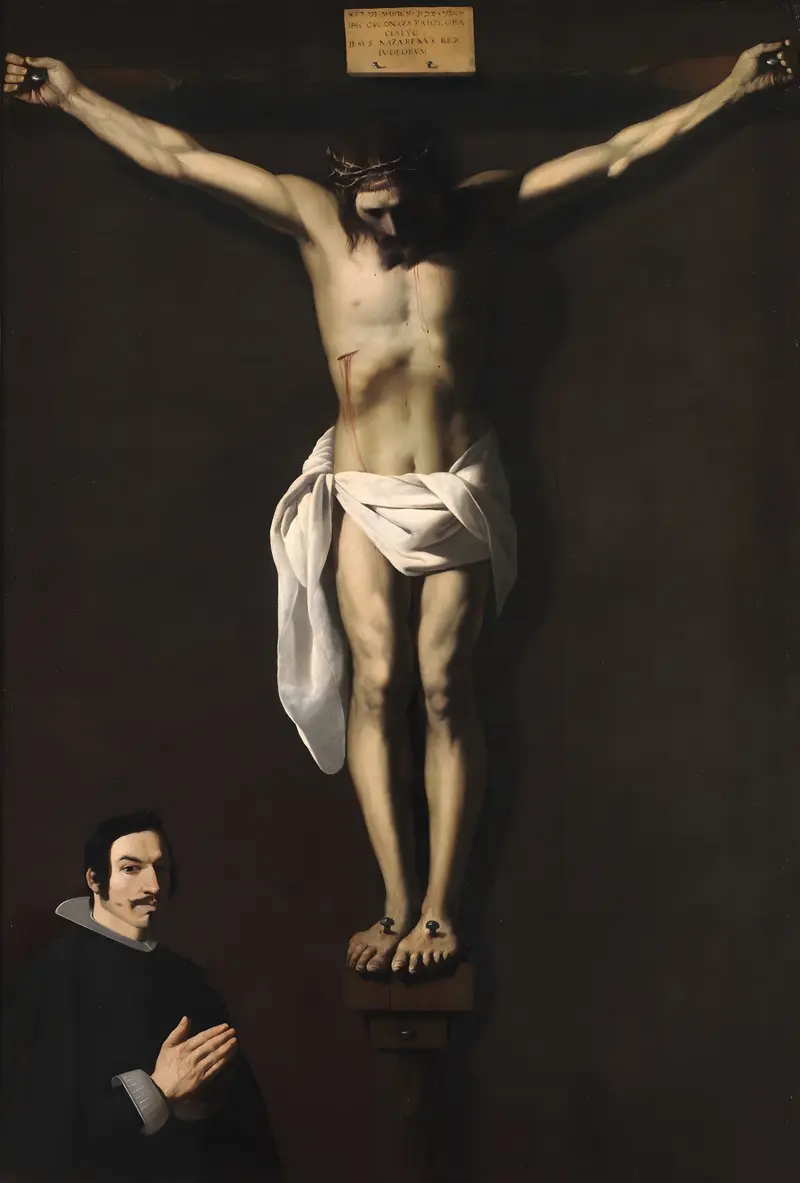
The Crucified Christ with a Donor
Francisco de Zurbarán
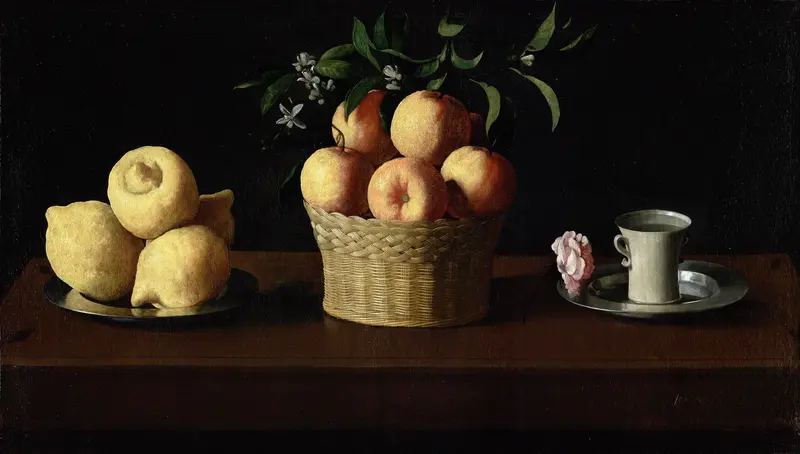
Still Life with Lemons, Oranges and a Rose
Francisco de Zurbarán
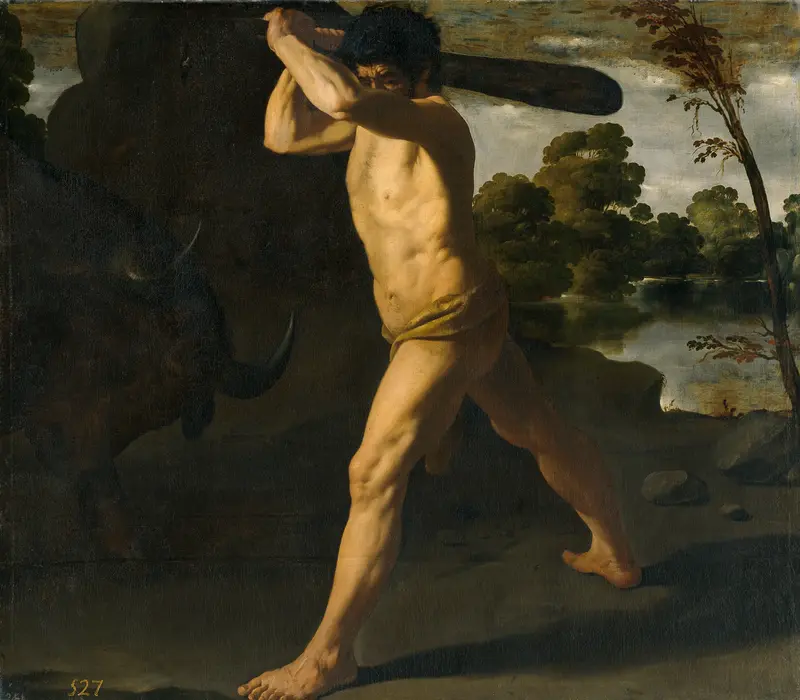
Hercules and the Cretan Bull
Francisco de Zurbarán





