Simson en Delila — History & Facts
What if silence could speak through light? In a world brimming with noise, the stillness captured in this artwork whispers profound truths about love and betrayal. Look to the center, where the figure of Samson stands in a moment of vulnerability, illuminated by a soft, golden light that cascades over his muscular form. His expression bears the weight of impending doom, a stark contrast to the serene beauty of Delilah, who lures him closer with a seductive gaze. Notice how the delicate drapery wraps around her figure, merging hues of rich crimson and deep azure, creating a vibrant yet tense atmosphere that pulsates with unspoken tension. Delve deeper into the composition, and observe the interplay of shadow and light, which reveals hidden meanings beneath the surface.
The way Delilah’s hand hovers just above Samson’s head hints at both care and treachery, encapsulating the duality of their relationship. The surrounding elements—subdued colors and intricate patterns—serve to heighten the emotional stakes, reflecting the looming transformation of their fates and the revolutionary impact of trust shattered. Lucas van Leyden painted this work between 1505 and 1509, during a time of significant change in the art world, as the Northern Renaissance flourished. The artist was influenced by the humanistic ideals that permeated Europe, with a focus on emotion and realism.
This painting emerged amid a burgeoning exploration of narrative in visual media, reflecting not only his personal growth but also the broader evolution of artistic expression in a world on the brink of transformation.
More Artworks by Lucas van Leyden
Browse all →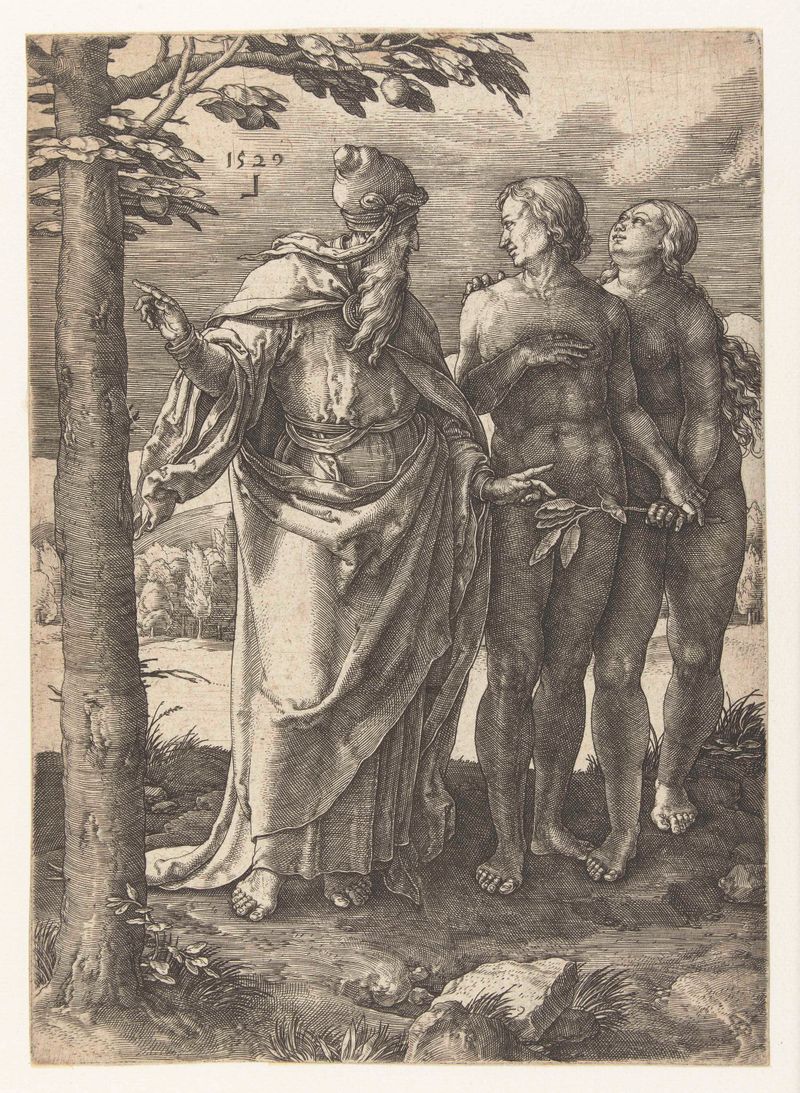
Het eerste verbod
Lucas van Leyden
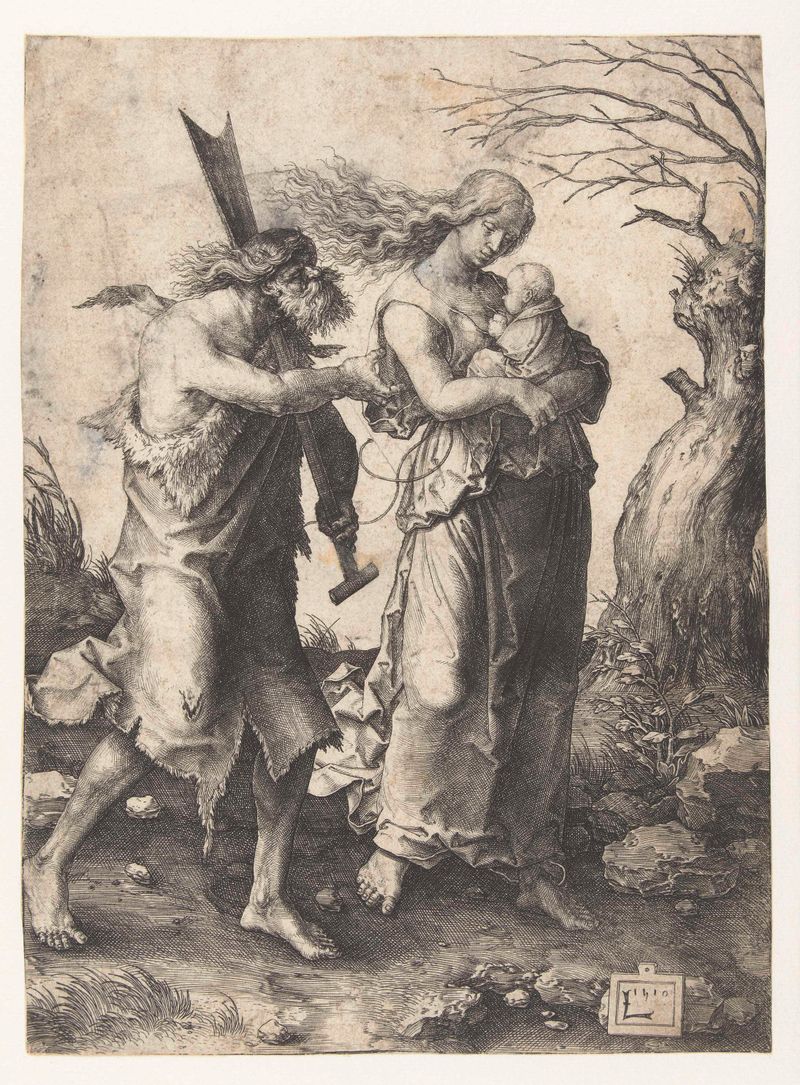
Adam en Eva na de verdrijving uit het paradijs
Lucas van Leyden
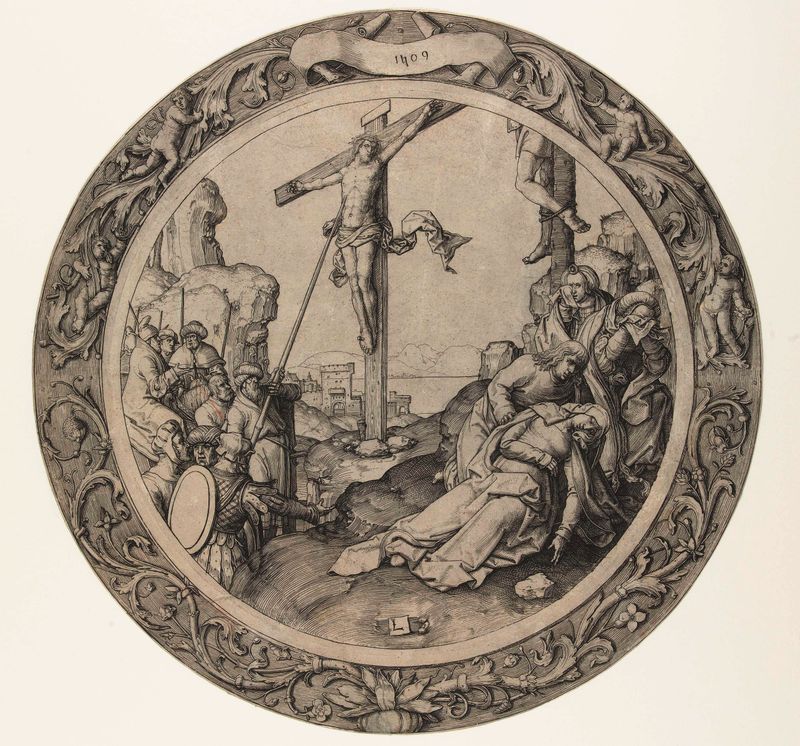
De kruisiging
Lucas van Leyden
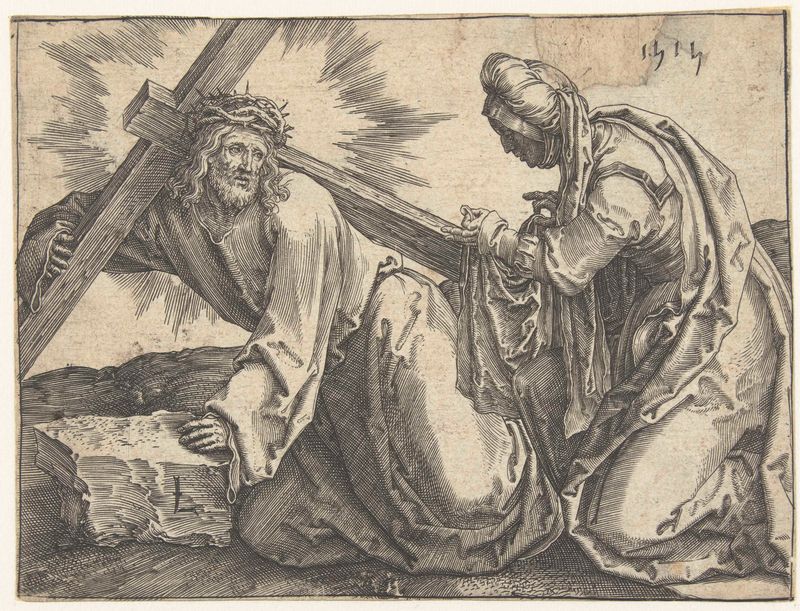
Kruisdraging
Lucas van Leyden
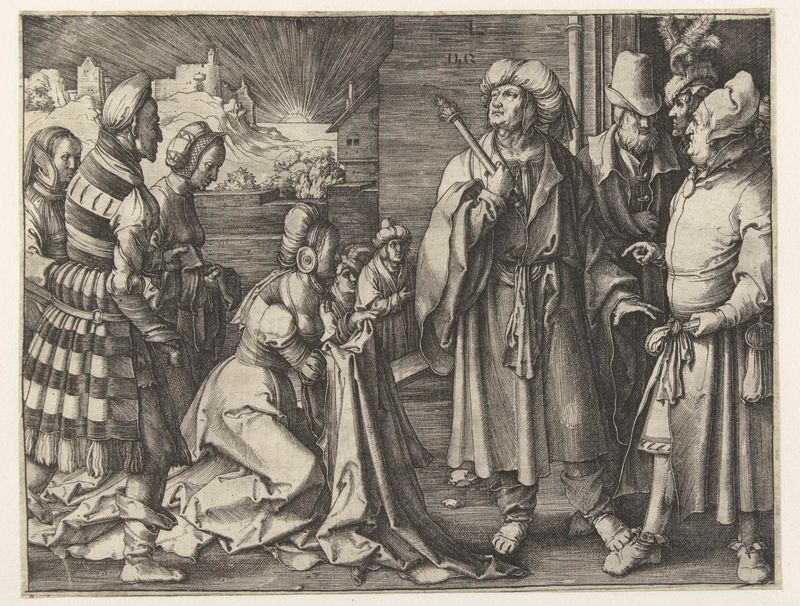
De vrouw van Potifar beschuldigt Jozef
Lucas van Leyden
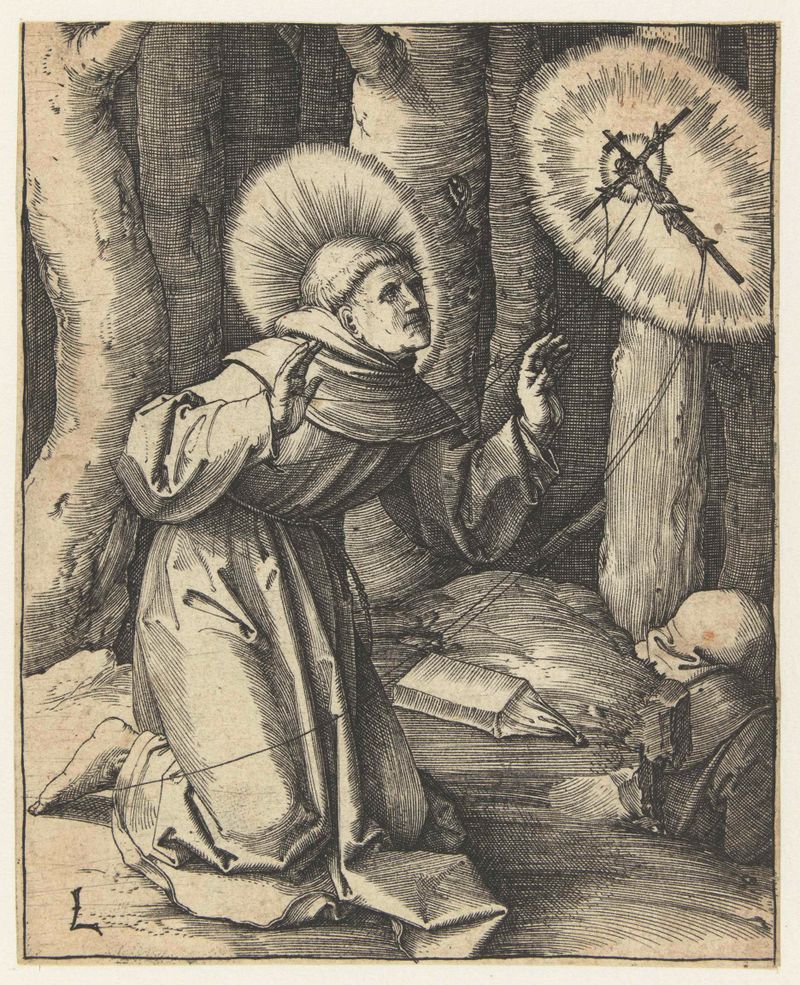
De stigmatisatie van de heilige Franciscus
Lucas van Leyden
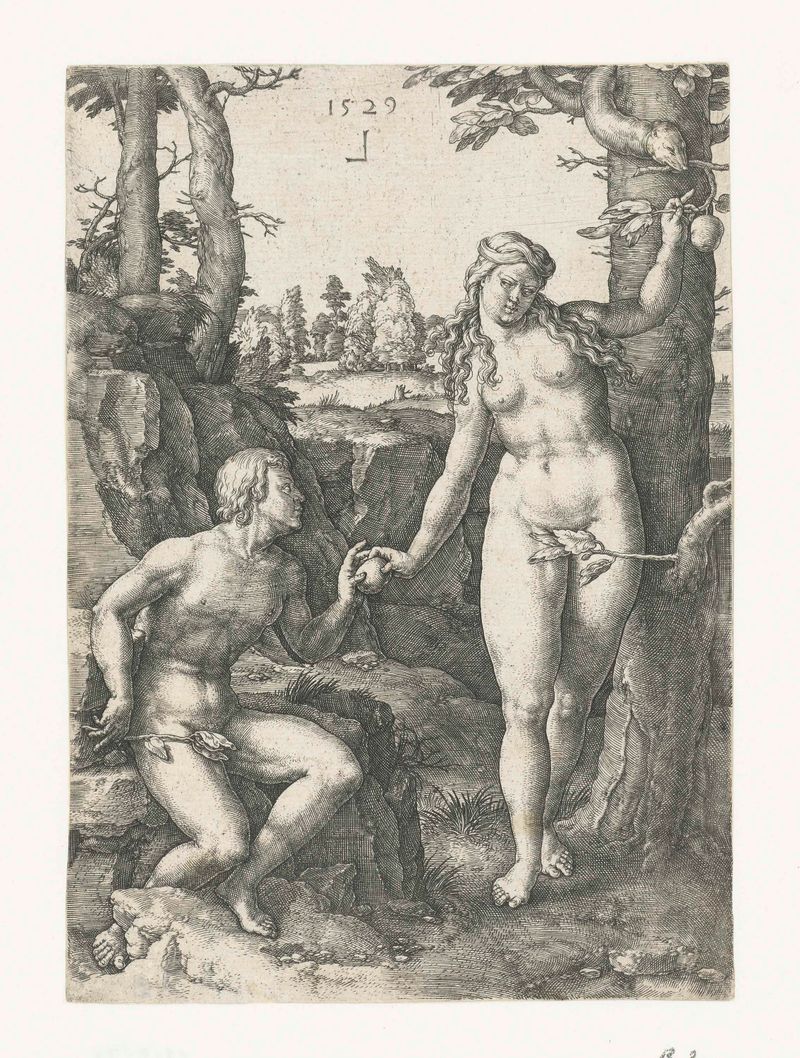
De zondeval
Lucas van Leyden
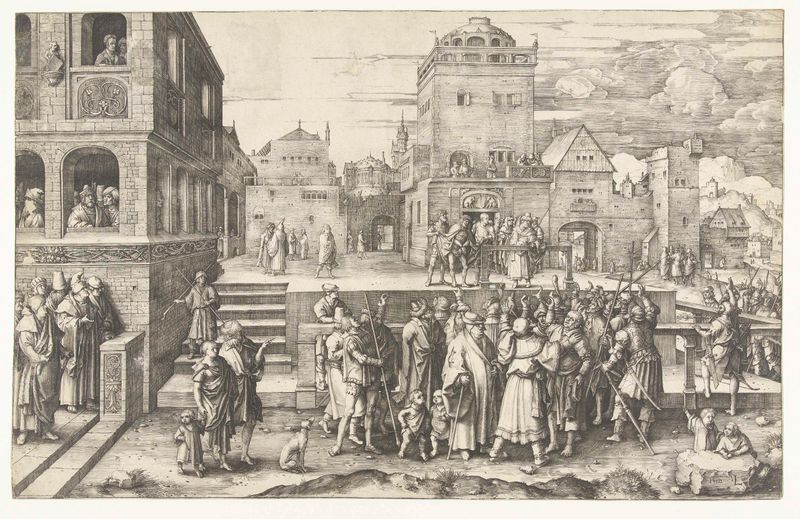
De grote Ecce Homo
Lucas van Leyden
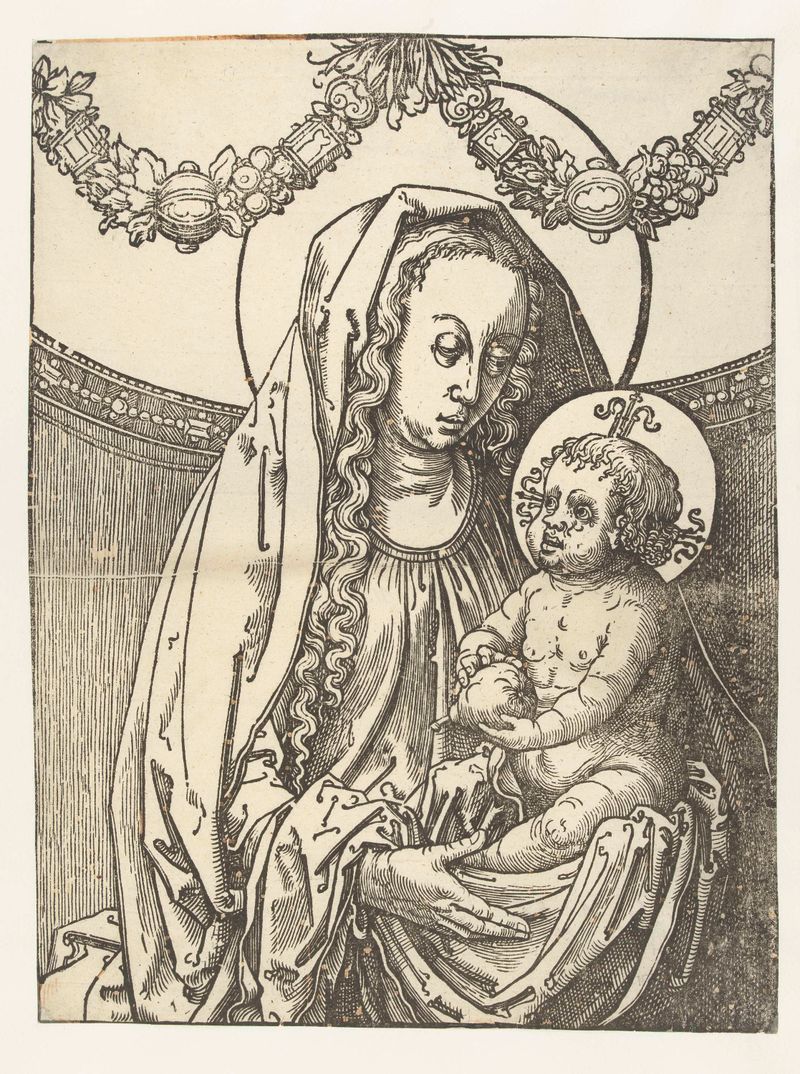
Maria met kind
Lucas van Leyden

Doornenkroning
Lucas van Leyden