Simson en Delila — History & Facts
What if beauty was never meant to be finished? In Simson en Delila, the interplay of obsession and betrayal unfolds with an unsettling grace. The figures, caught in a moment that teeters between desire and treachery, evoke an aura of tension that lingers long after the viewer has stepped away from the canvas. Look to the left at the imposing figure of Samson, his muscular form tense yet vulnerable, framed by swirling colors that echo the chaos of his emotions. Focus on the delicate play of light upon Delilah’s ethereal face, her expression a subtle blend of allure and cunning.
The rich reds and golds in their garments contrast sharply with the somber tones of the background, emphasizing the weight of their fateful encounter and drawing the eye to the intricate details that speak of both passion and impending doom. The scene encapsulates the duality of beauty and danger. Delilah’s enchanting gaze is both inviting and predatory, a reminder of the peril that often lies beneath the allure of the flesh. The placement of the scissors, poised dangerously close to Samson, symbolizes the fragility of strength when faced with seductive manipulation.
This tension invites viewers to reflect on the nature of obsession—how it can both elevate and destroy. Painted between 1515 and 1519, this work emerged during a period when Lucas van Leyden was establishing himself as a master of narrative in art. The early 16th century was marked by a growing interest in humanism and the complexities of human emotion, themes that resonate deeply in this piece. At this time, the artist was innovating with composition and detail, paving the way for future explorations of emotion in visual storytelling.
More Artworks by Lucas van Leyden
Browse all →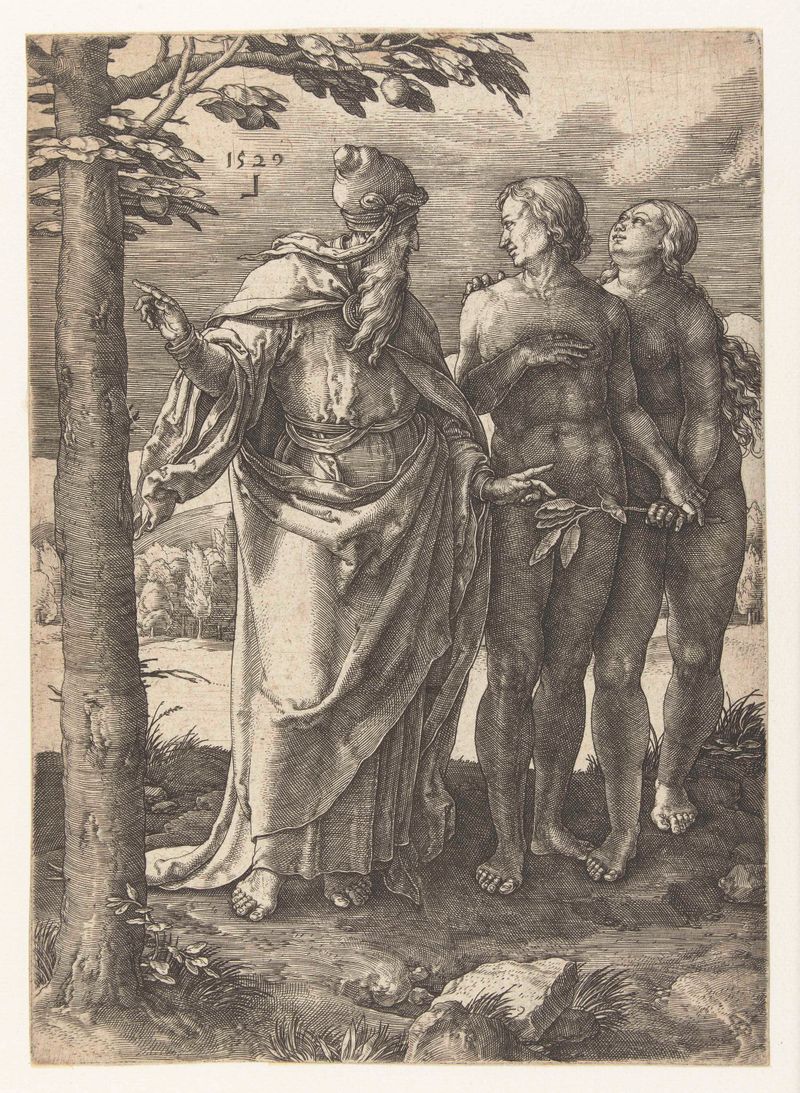
Het eerste verbod
Lucas van Leyden
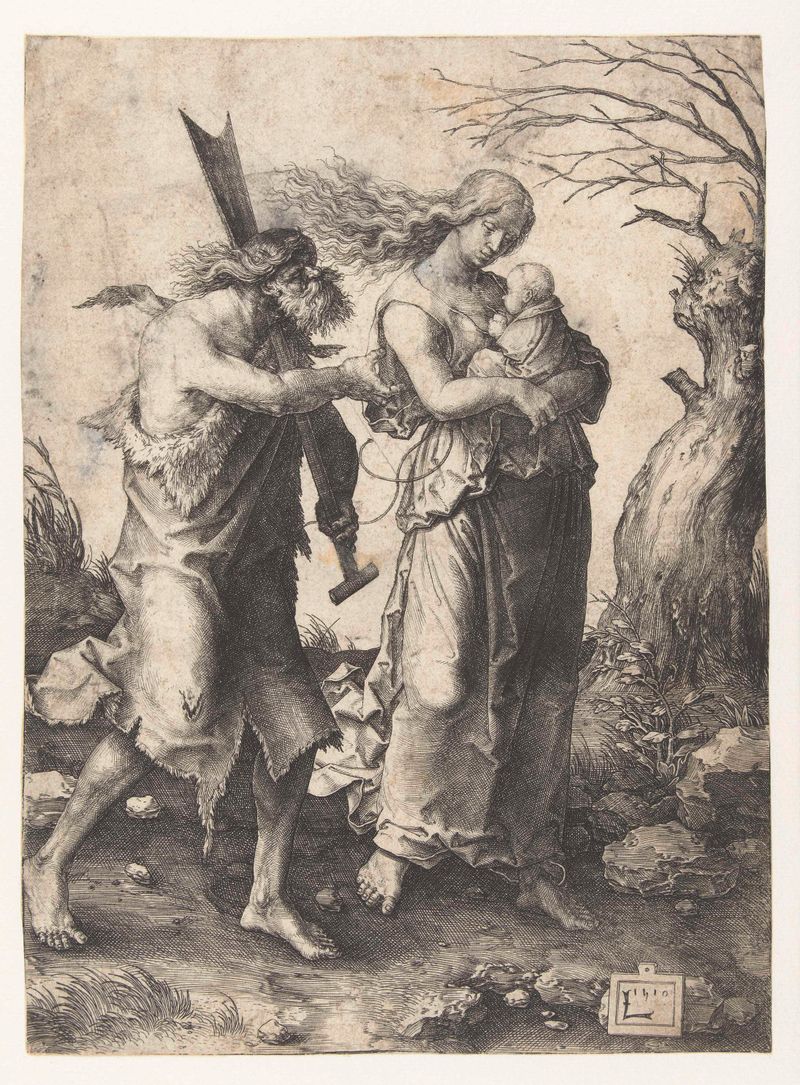
Adam en Eva na de verdrijving uit het paradijs
Lucas van Leyden
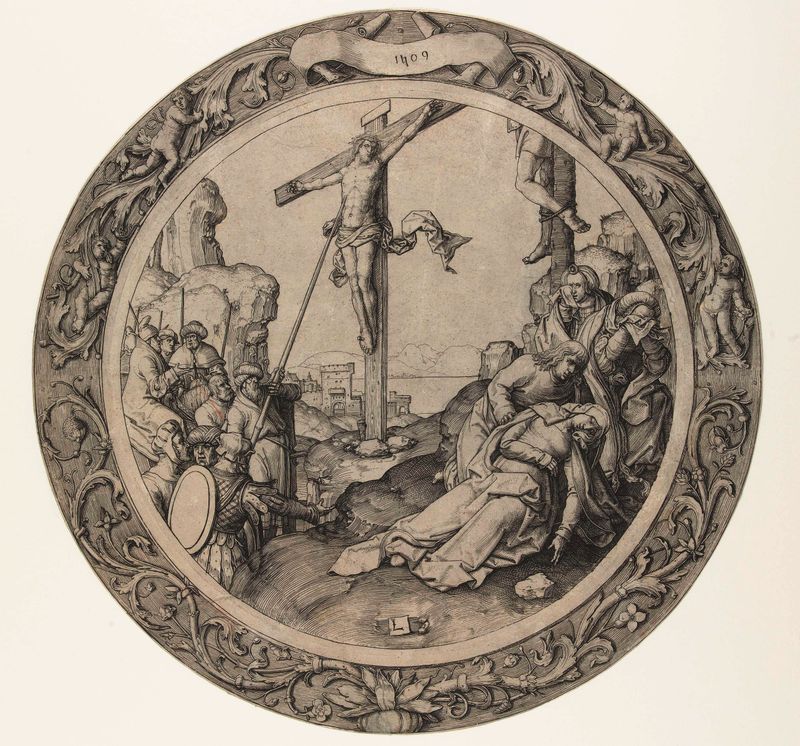
De kruisiging
Lucas van Leyden
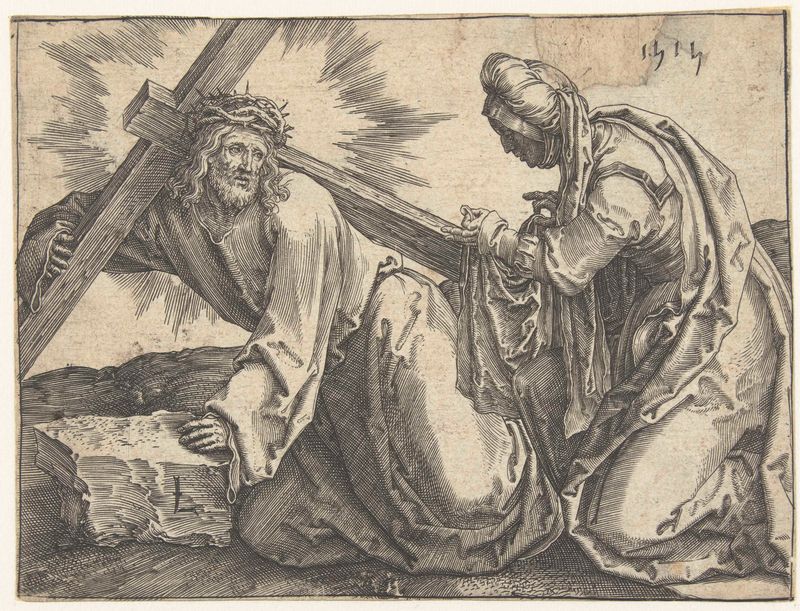
Kruisdraging
Lucas van Leyden
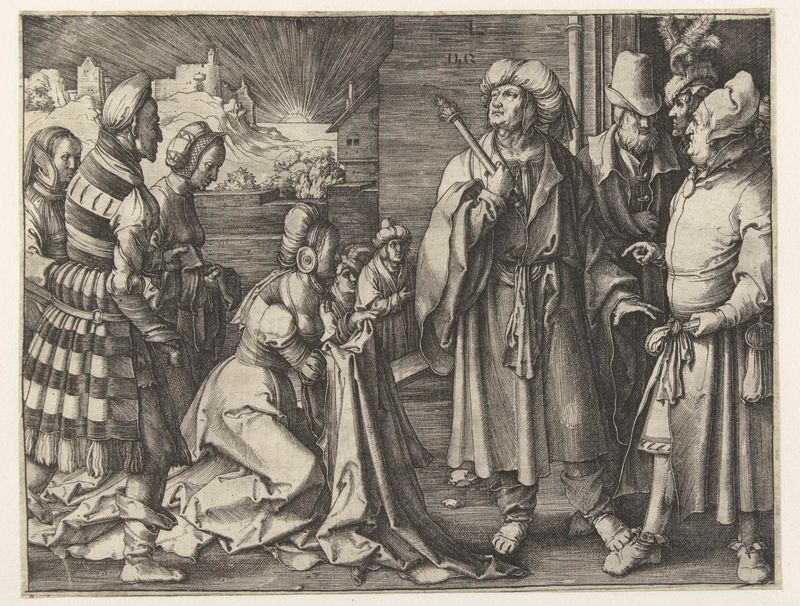
De vrouw van Potifar beschuldigt Jozef
Lucas van Leyden
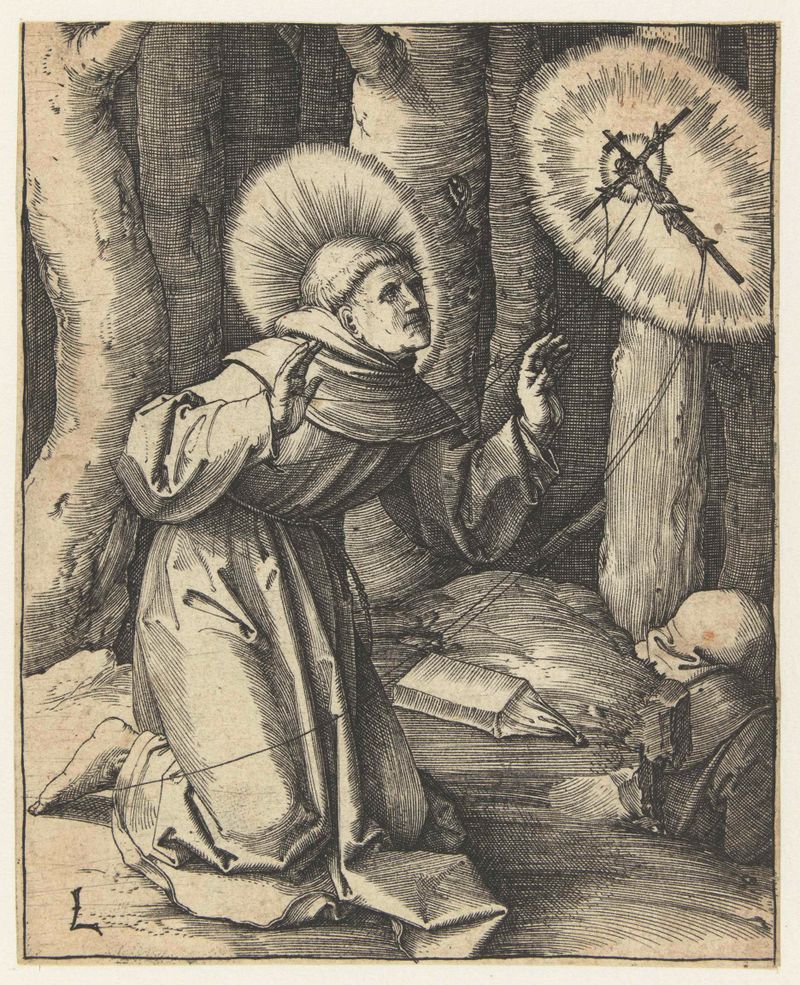
De stigmatisatie van de heilige Franciscus
Lucas van Leyden
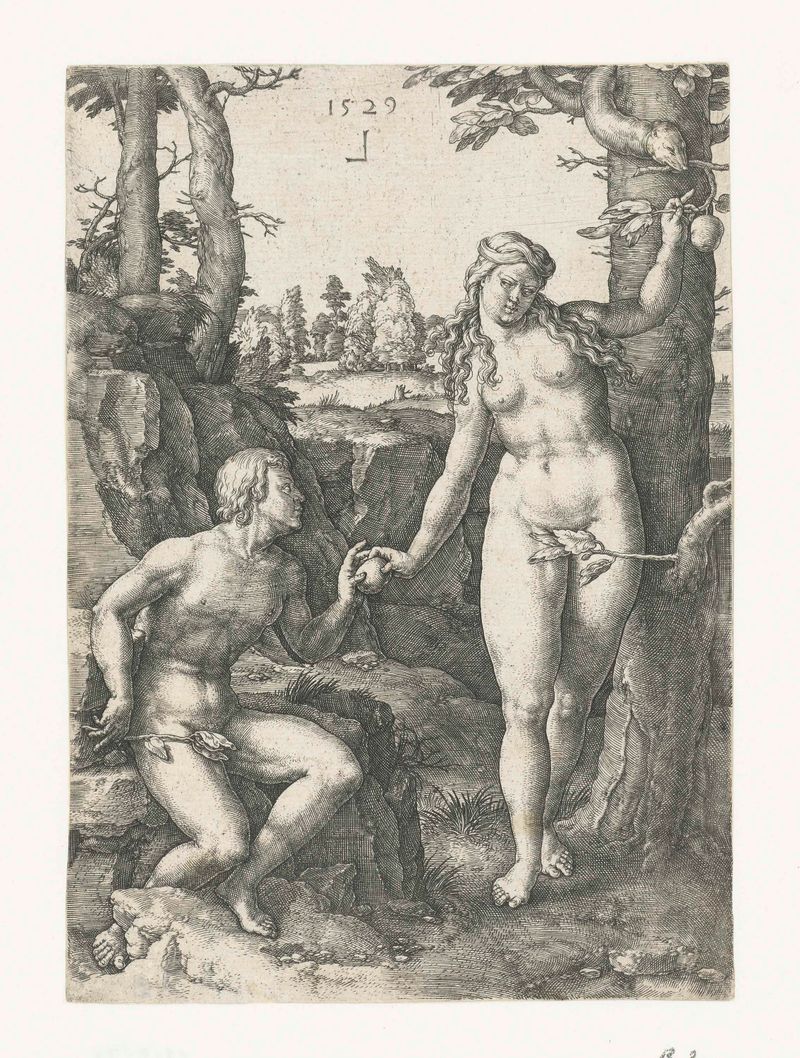
De zondeval
Lucas van Leyden
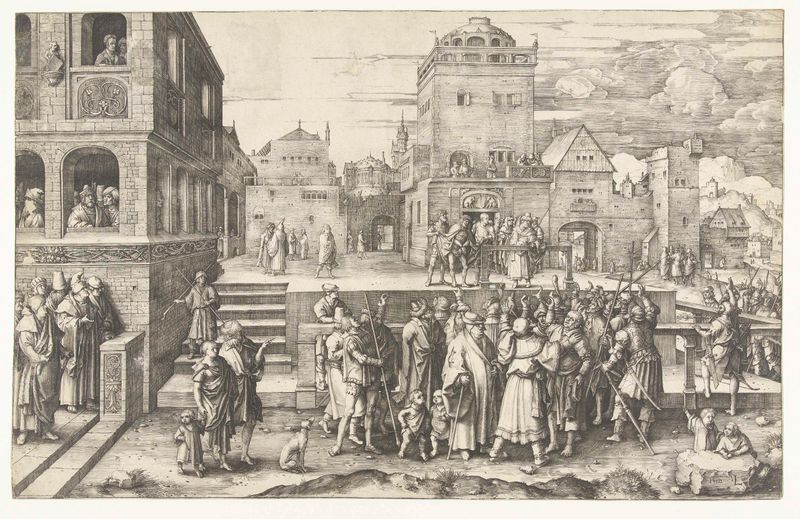
De grote Ecce Homo
Lucas van Leyden
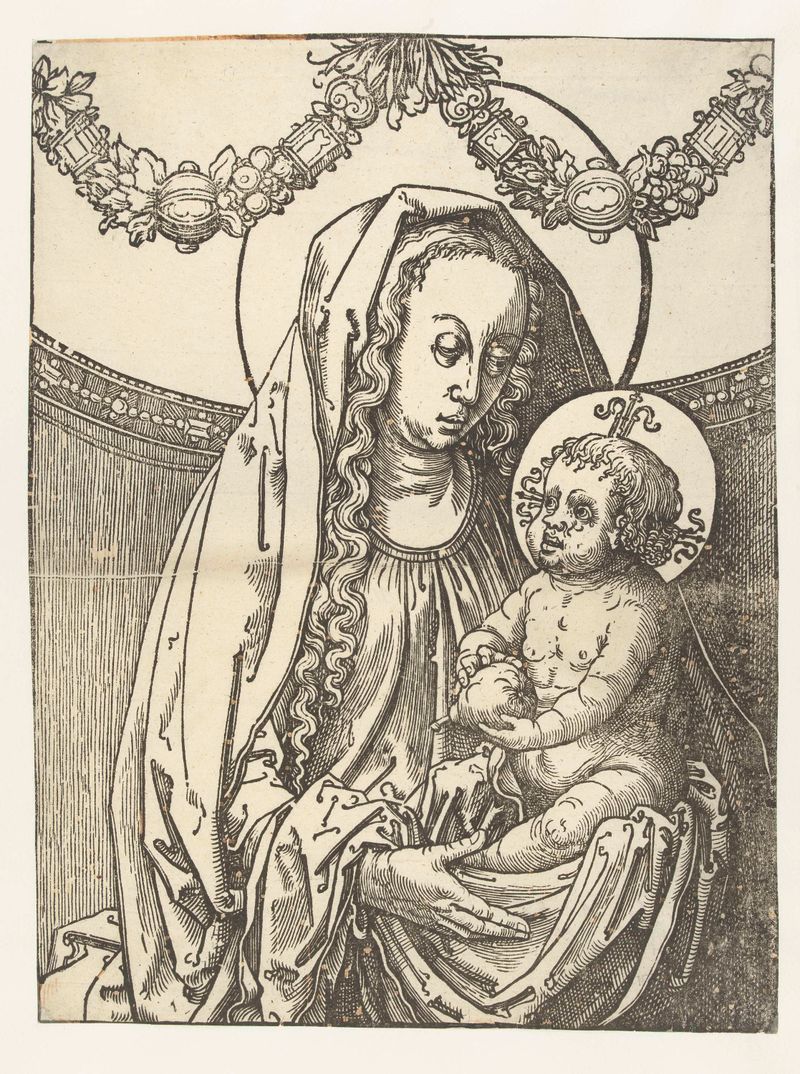
Maria met kind
Lucas van Leyden

Doornenkroning
Lucas van Leyden