Simson en Delila — History & Facts
Can paint confess what words never could? In Simson en Delila, a timeless tale unfurls, revealing the fragility of strength and the complexity of trust. Focus on the figures at the center: the mighty Samson, muscles taut and eyes wide with betrayal, stands in stark contrast to Delilah, whose delicate fingers gently caress his hair. The artist employs rich, warm tones to illuminate their skin, while cooler shadows envelop the background, enhancing the tension of their intimate moment. Notice how the drapery folds around them not only signify movement but also the weight of impending doom, as if time itself has paused to witness this betrayal. Hidden within the details lies a deep emotional resonance.
The opulent fabric of Delilah's gown juxtaposes her seemingly tender touch with the destructive power of her deception, emphasizing the duality of beauty and treachery. The glint in Samson's eyes hints at both surrender and a flicker of realization, a poignant reminder of how trust can be both an anchor and a chain. The contrast between light and dark serves to amplify the painting's underlying themes of love, power, and vulnerability. Lucas van Leyden painted this work between 1512 and 1516, a period when he was becoming one of the foremost artists in the Northern Renaissance.
At that time, he was immersed in an innovative art scene that blended traditional techniques with burgeoning humanist ideals, reflecting a moment in history that deeply explored the complexities of human emotion through visual storytelling.
More Artworks by Lucas van Leyden
Browse all →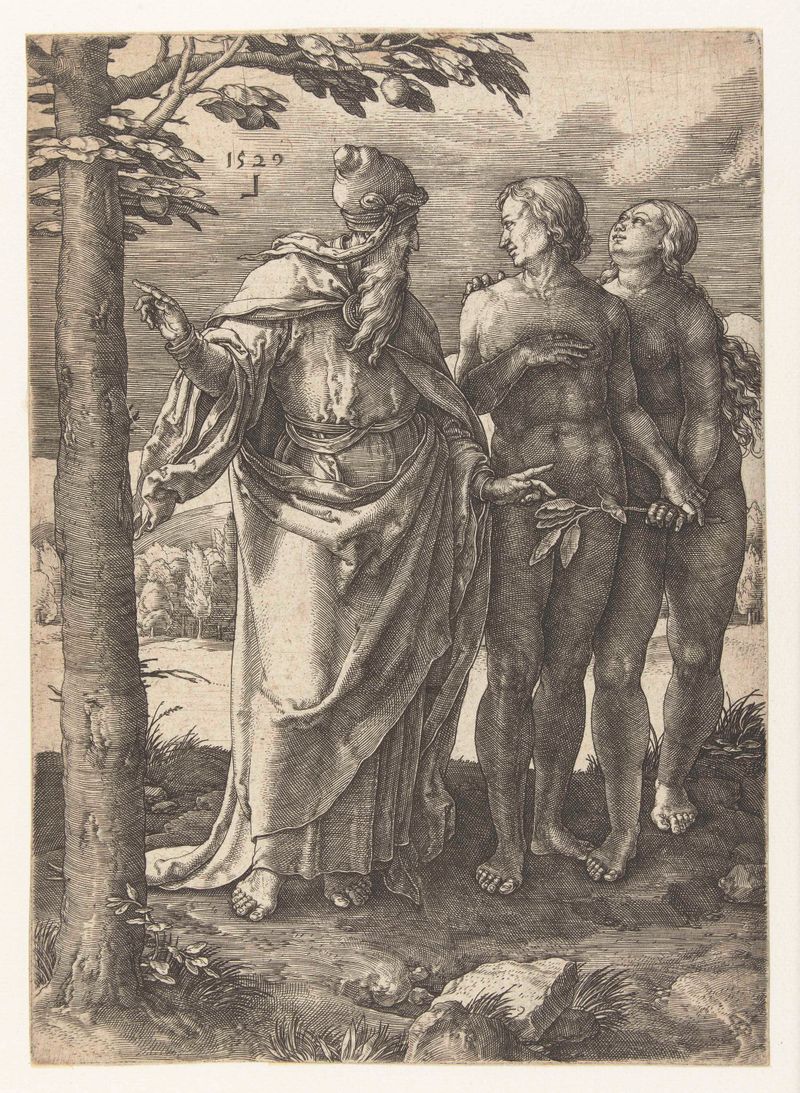
Het eerste verbod
Lucas van Leyden
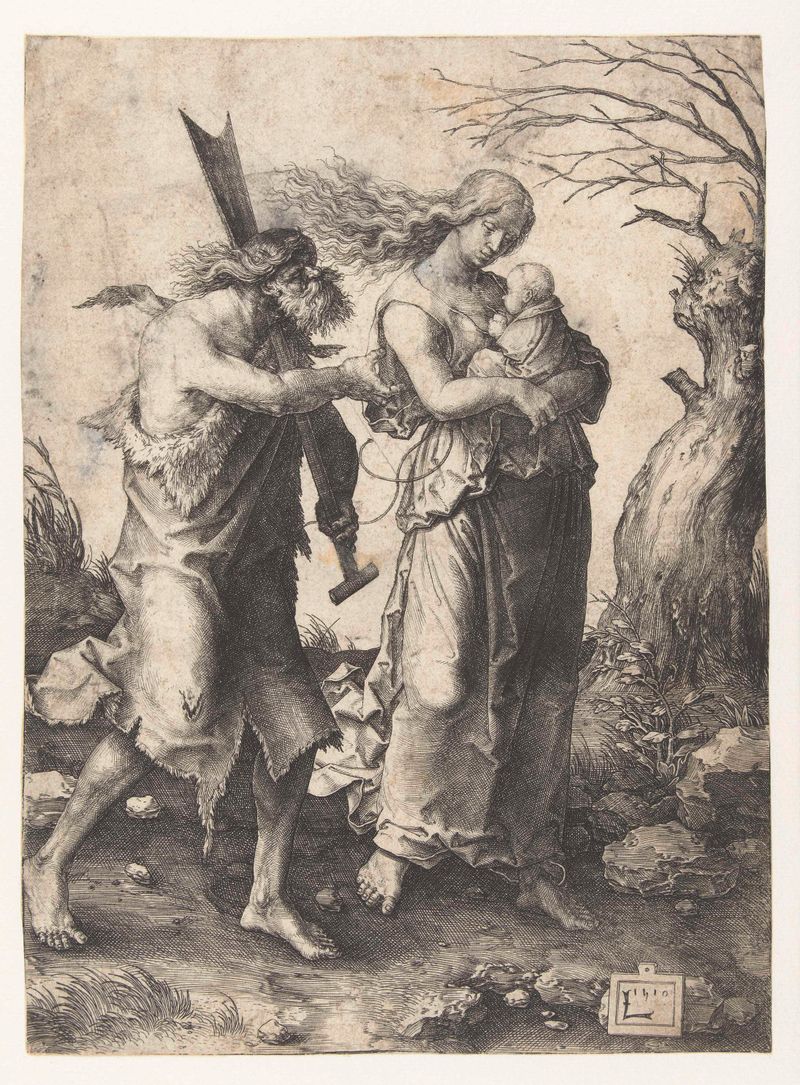
Adam en Eva na de verdrijving uit het paradijs
Lucas van Leyden
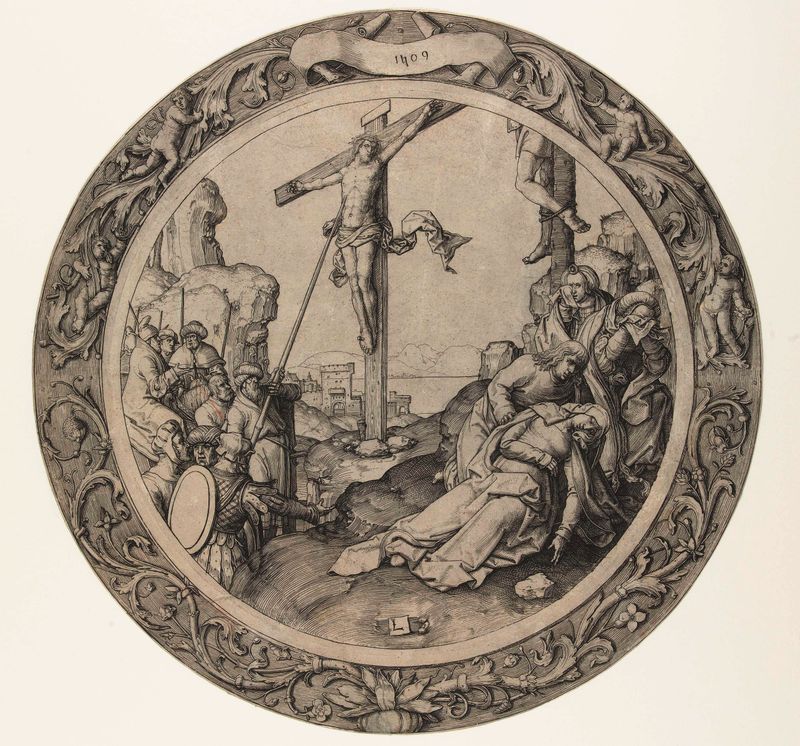
De kruisiging
Lucas van Leyden
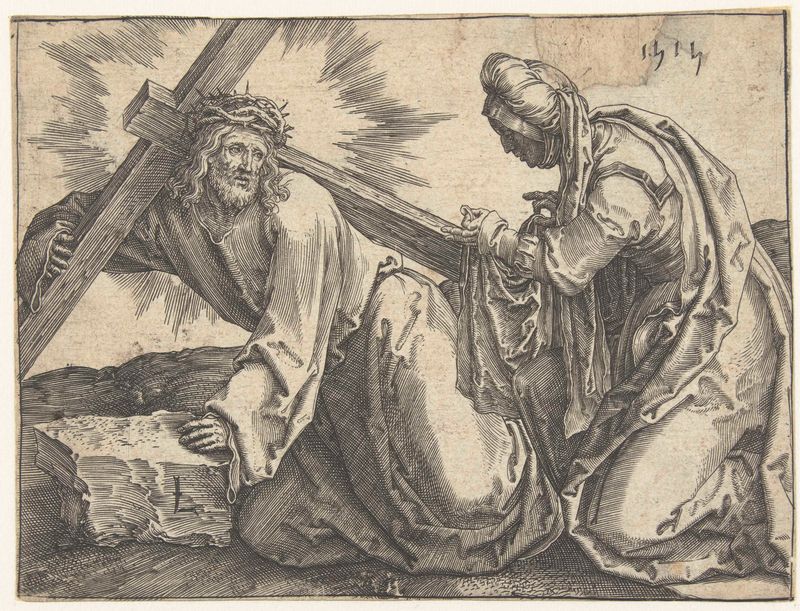
Kruisdraging
Lucas van Leyden
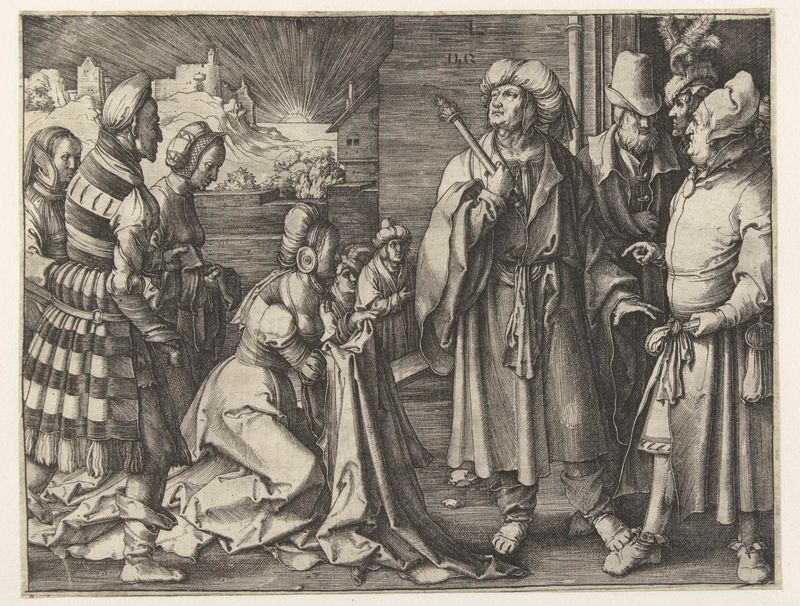
De vrouw van Potifar beschuldigt Jozef
Lucas van Leyden
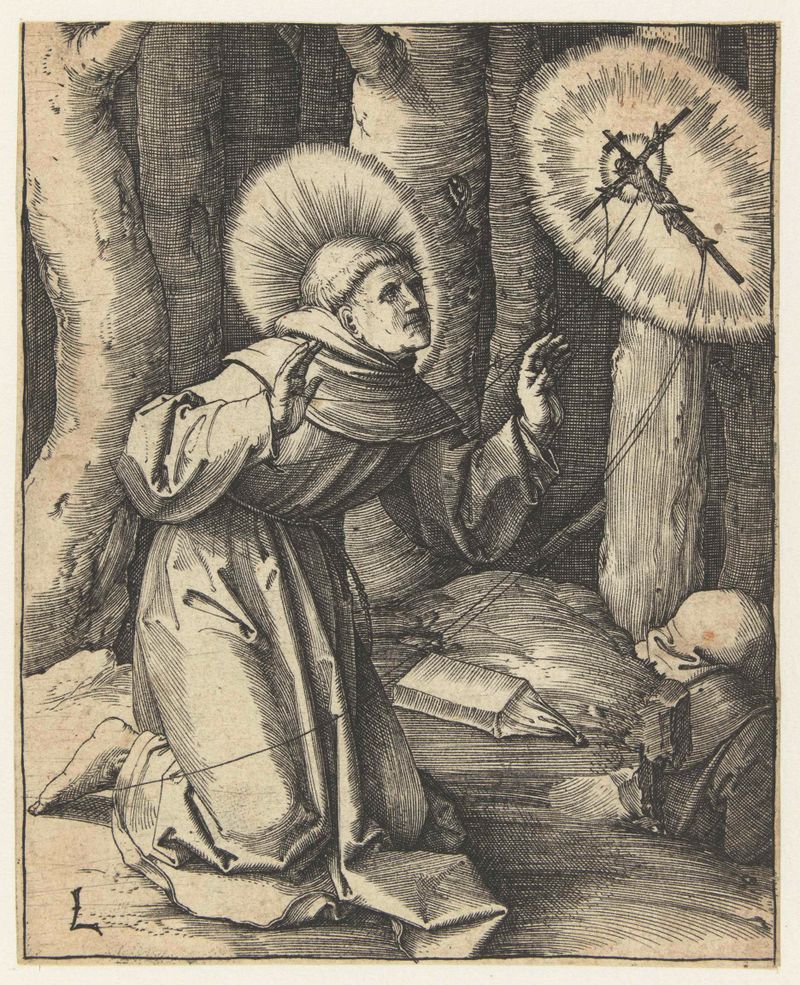
De stigmatisatie van de heilige Franciscus
Lucas van Leyden
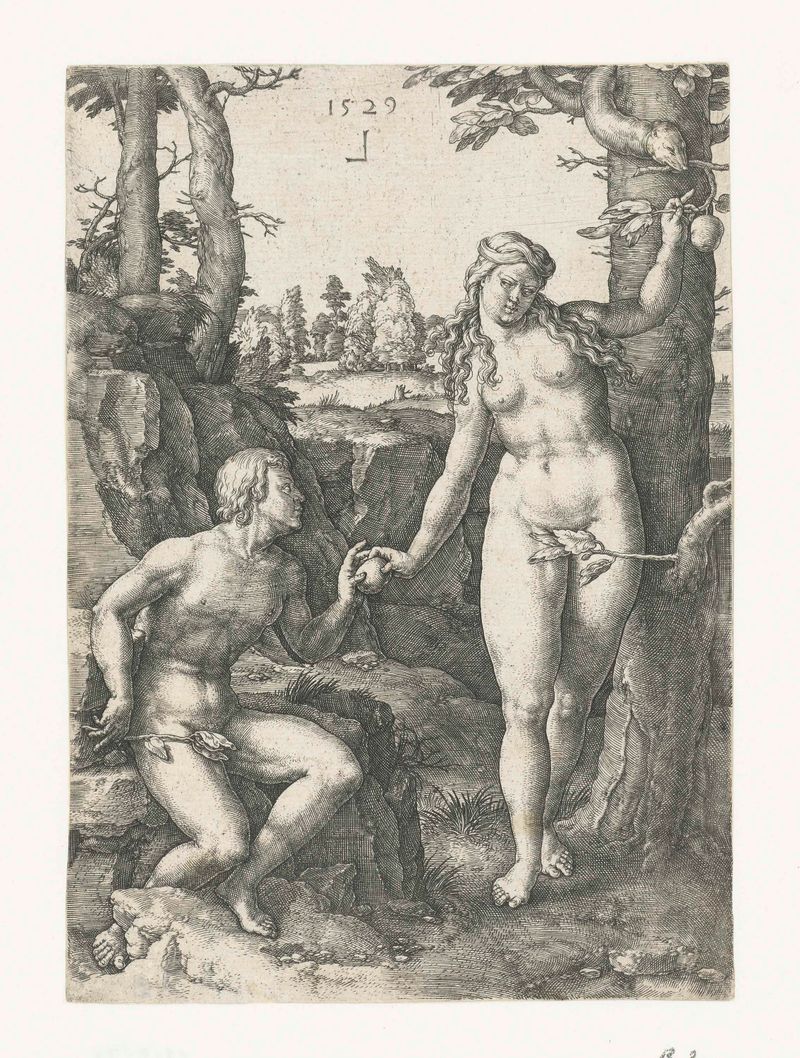
De zondeval
Lucas van Leyden
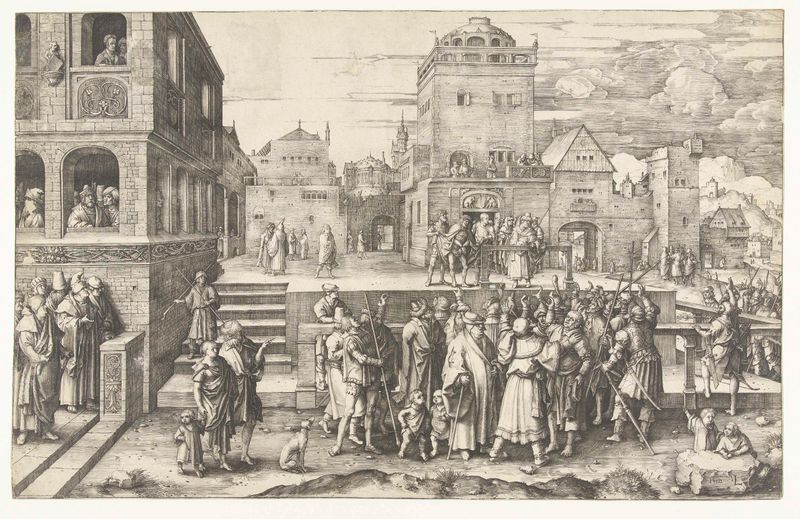
De grote Ecce Homo
Lucas van Leyden
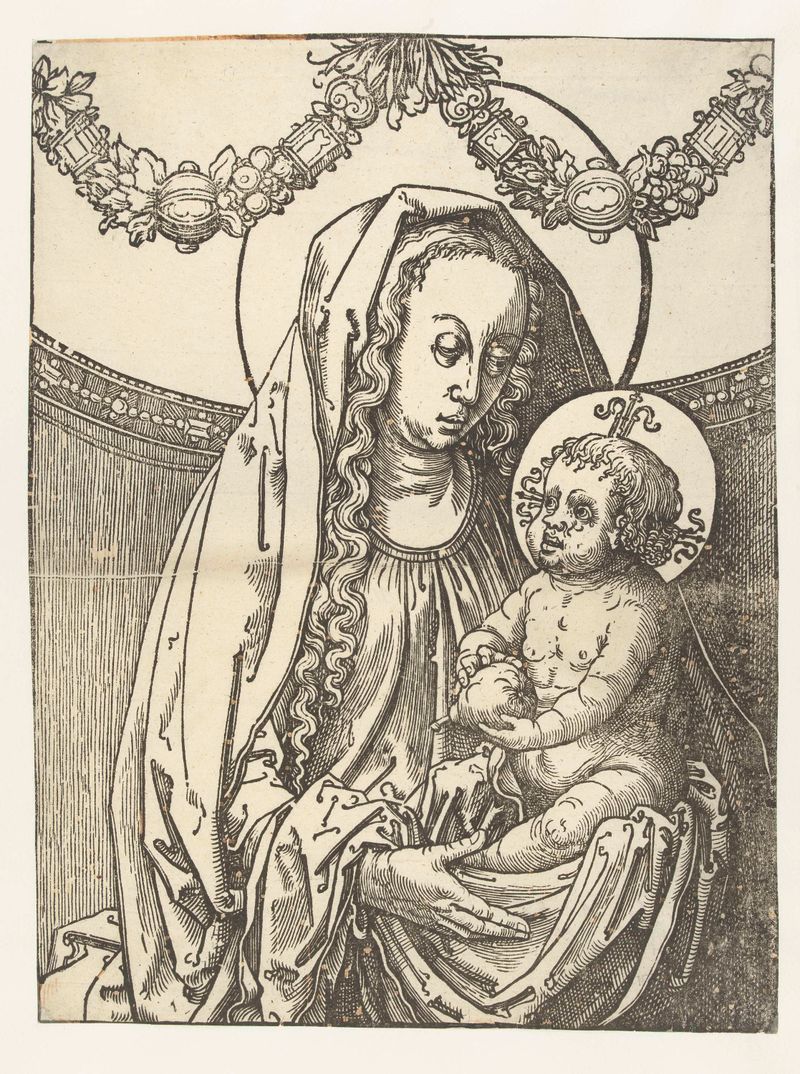
Maria met kind
Lucas van Leyden

Doornenkroning
Lucas van Leyden