Sistiana — History & Analysis
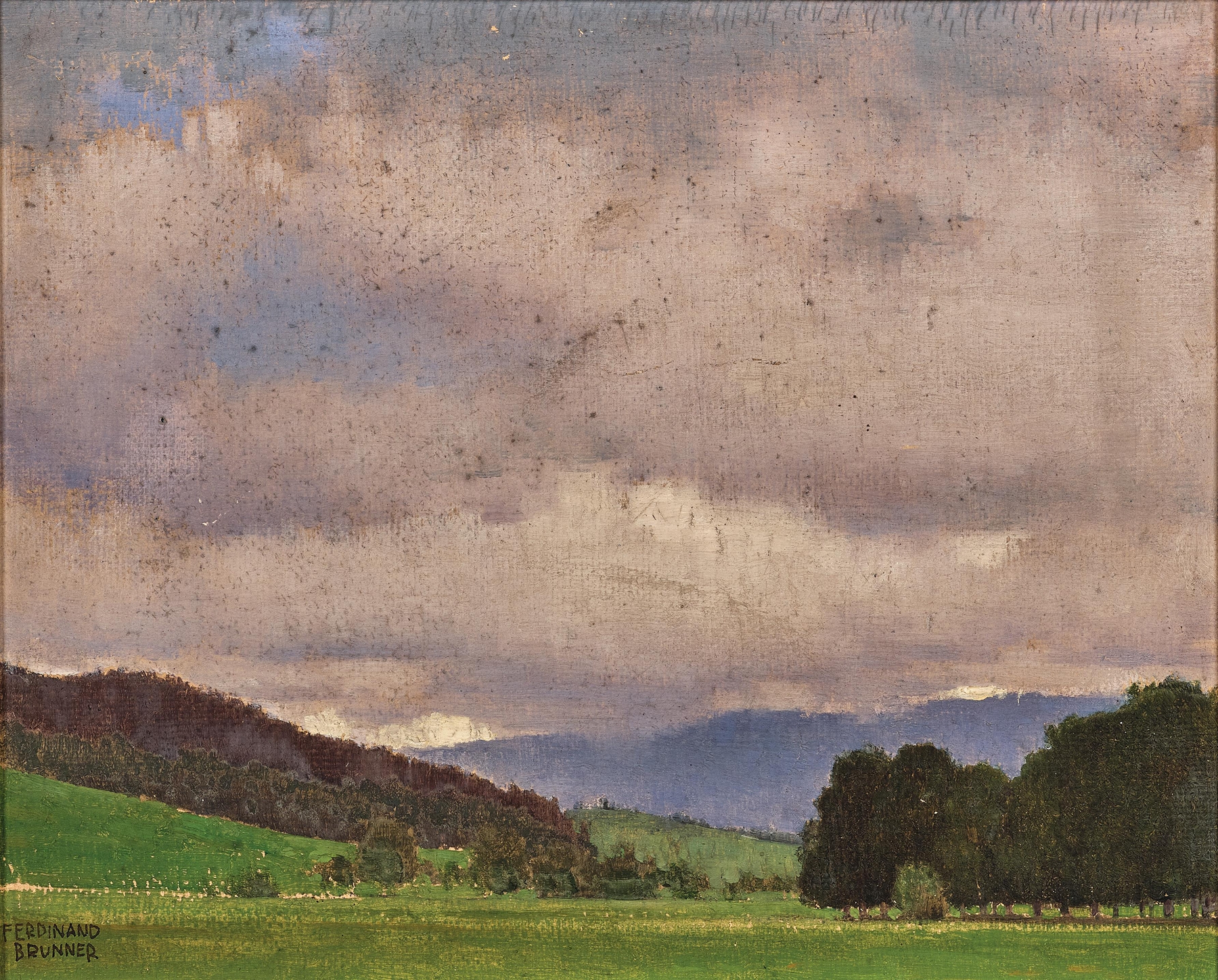
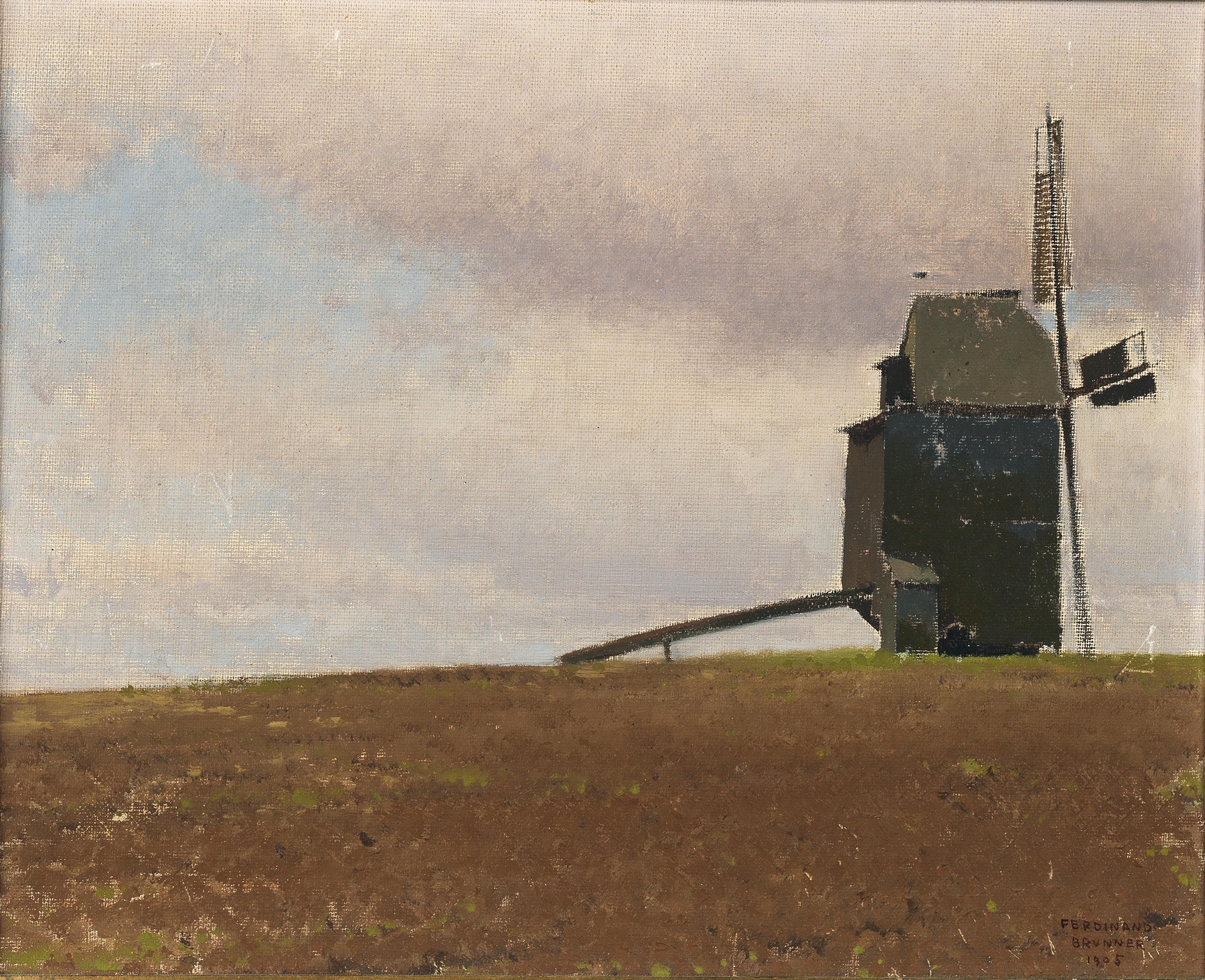
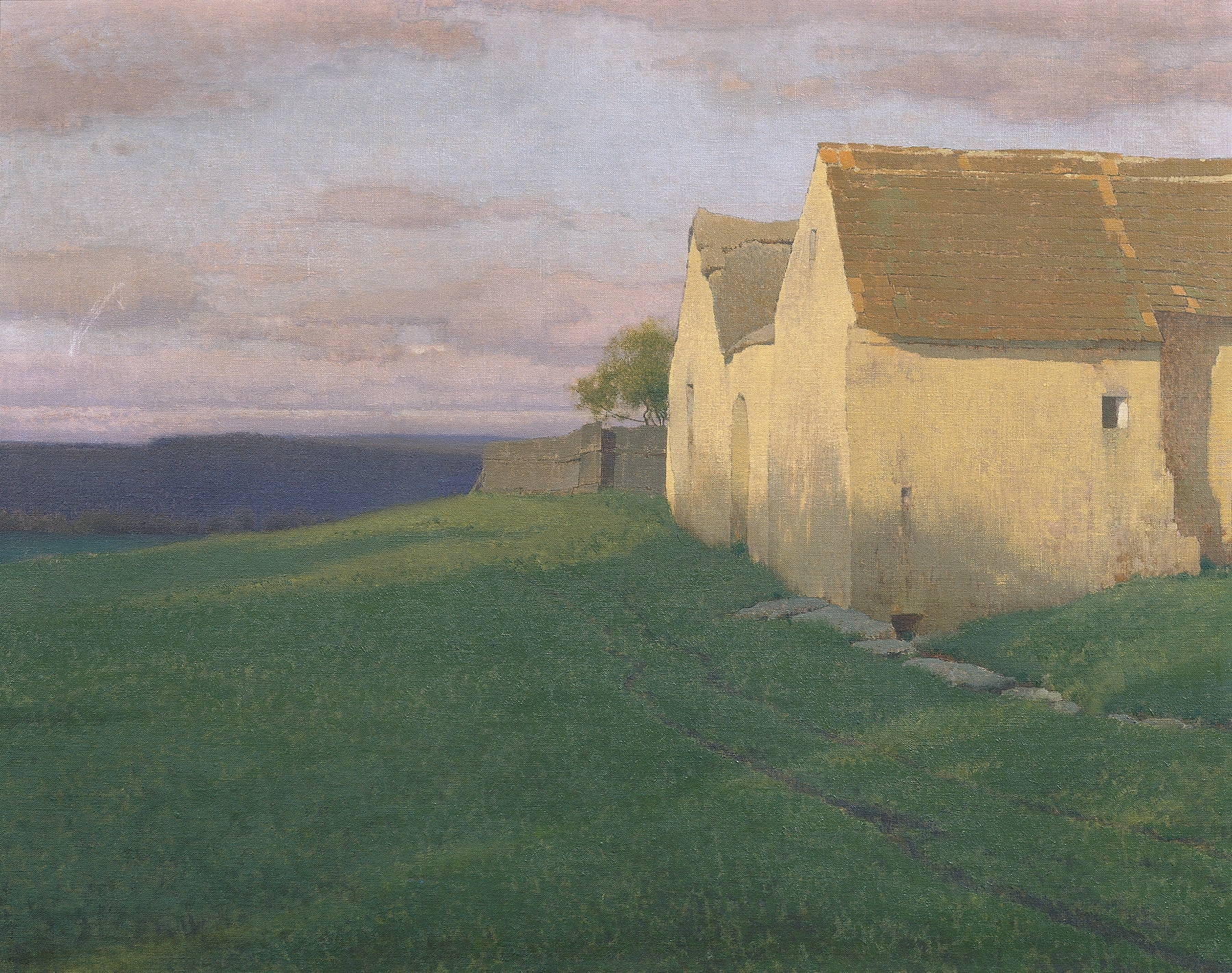
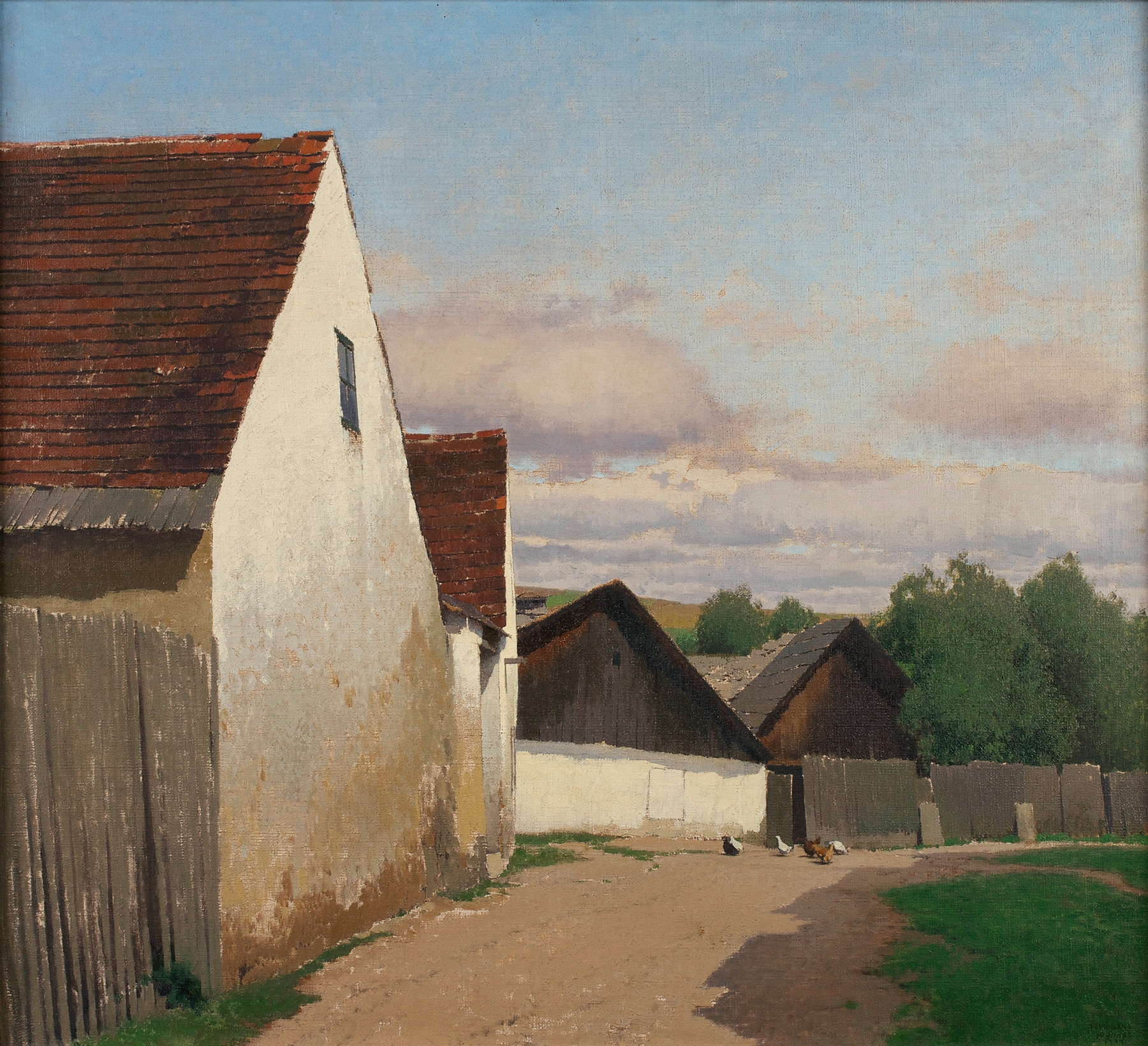
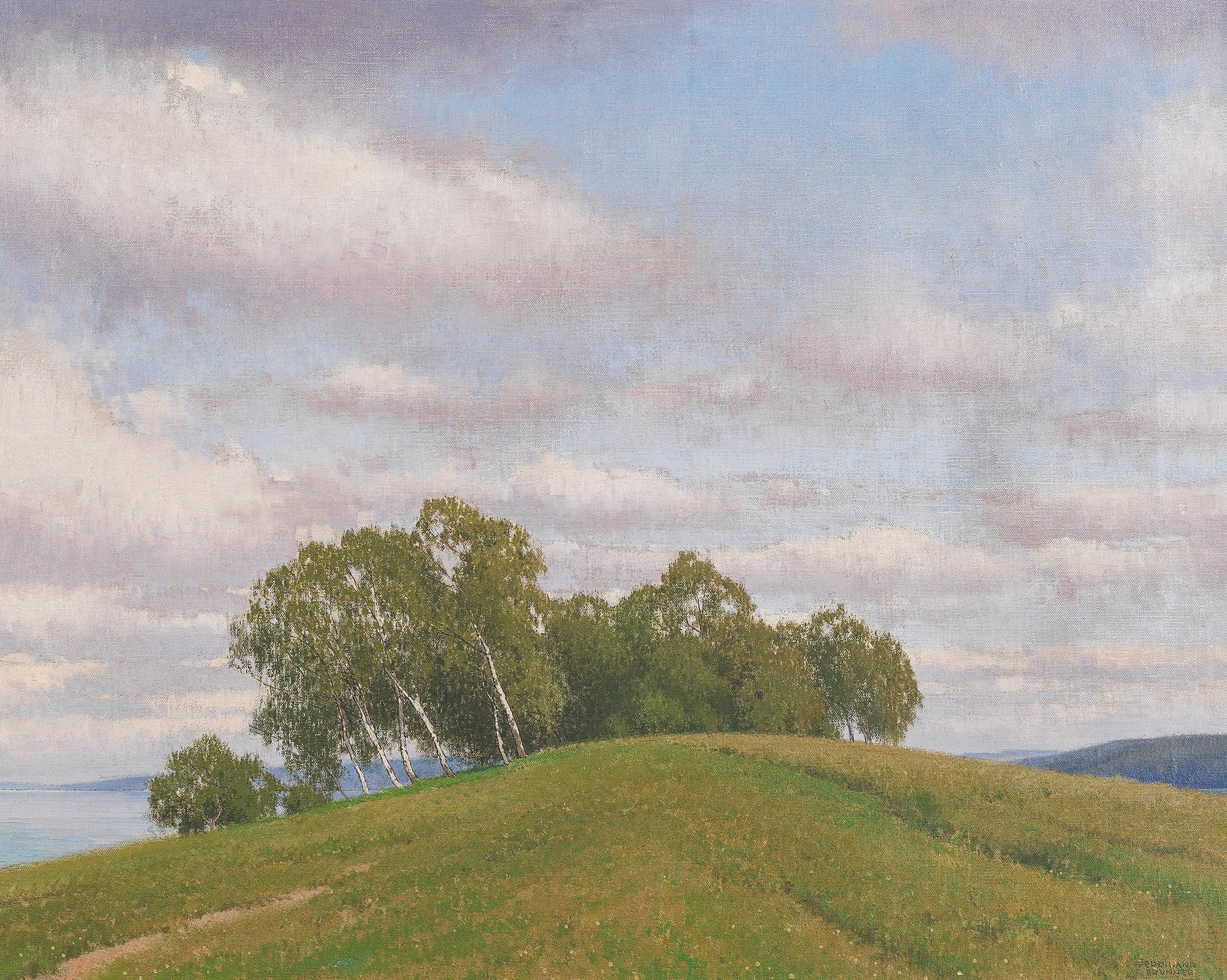
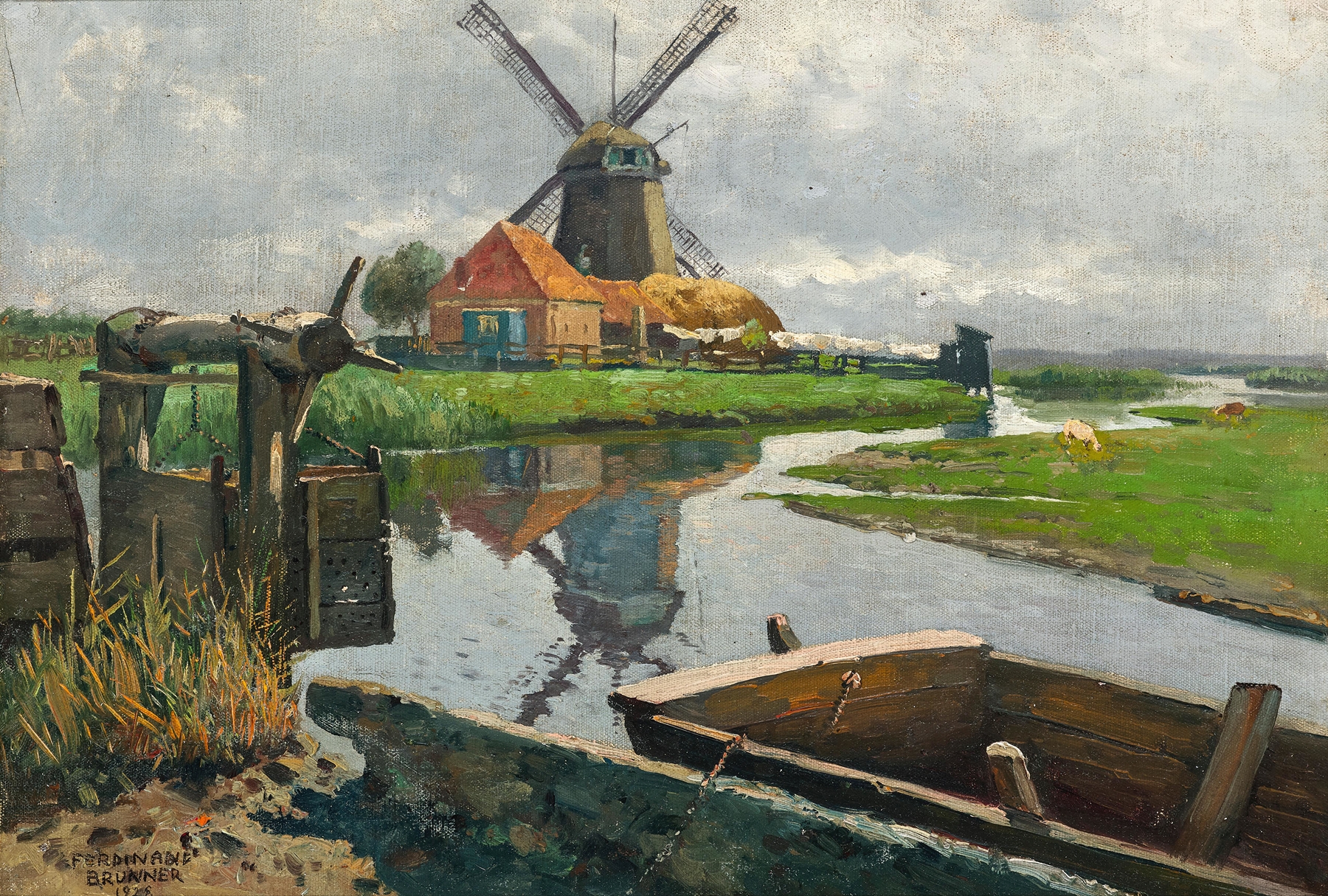
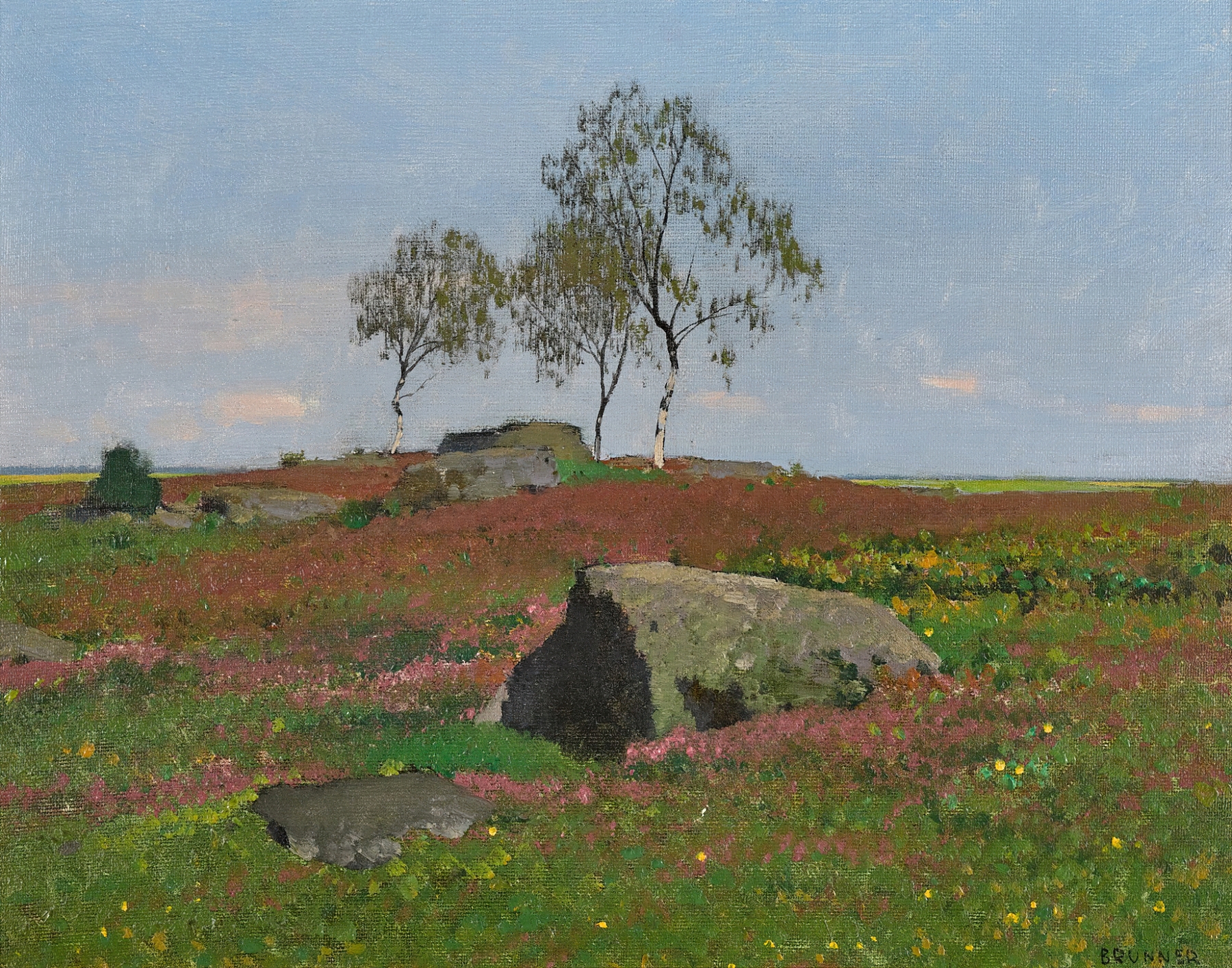
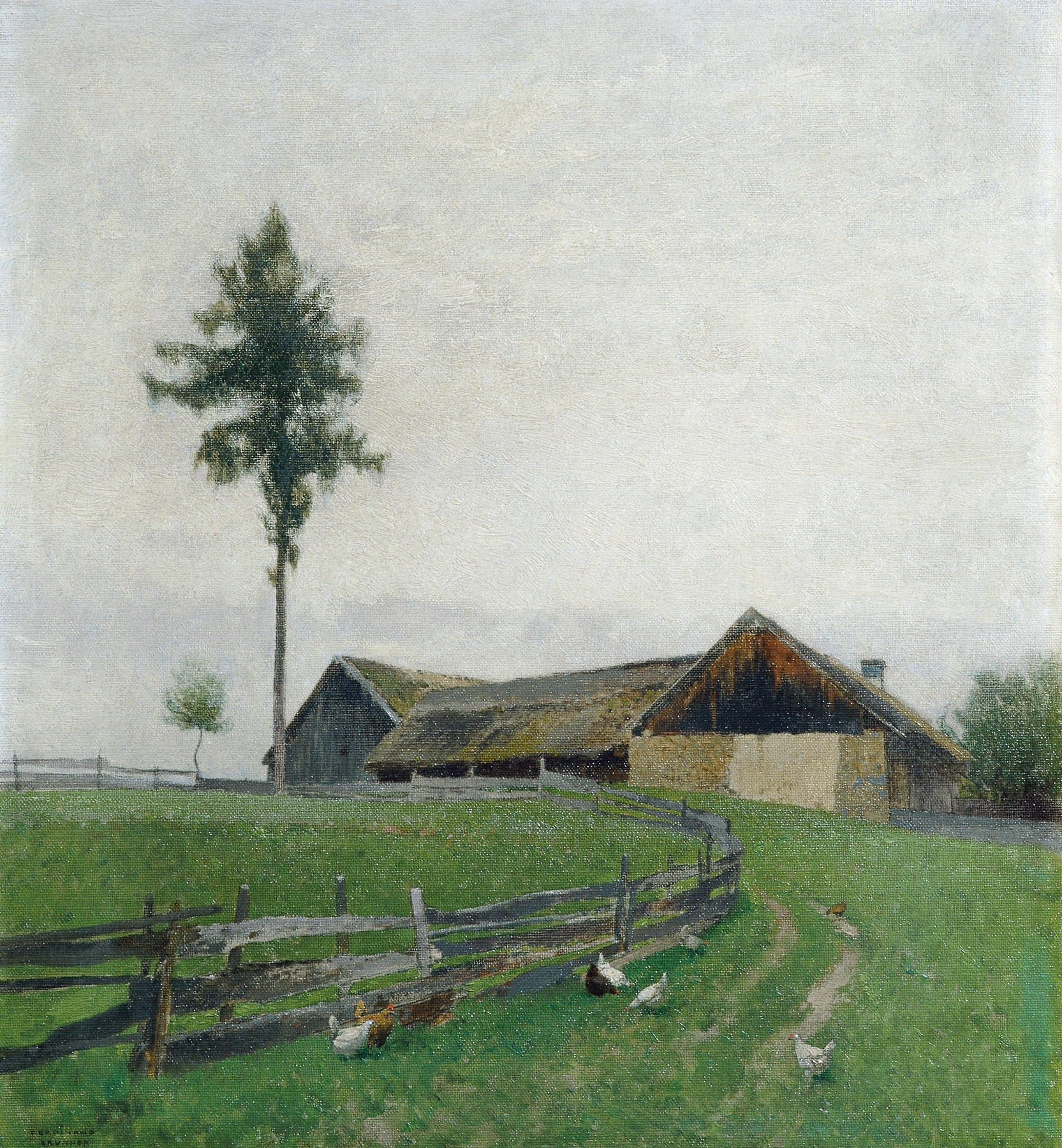
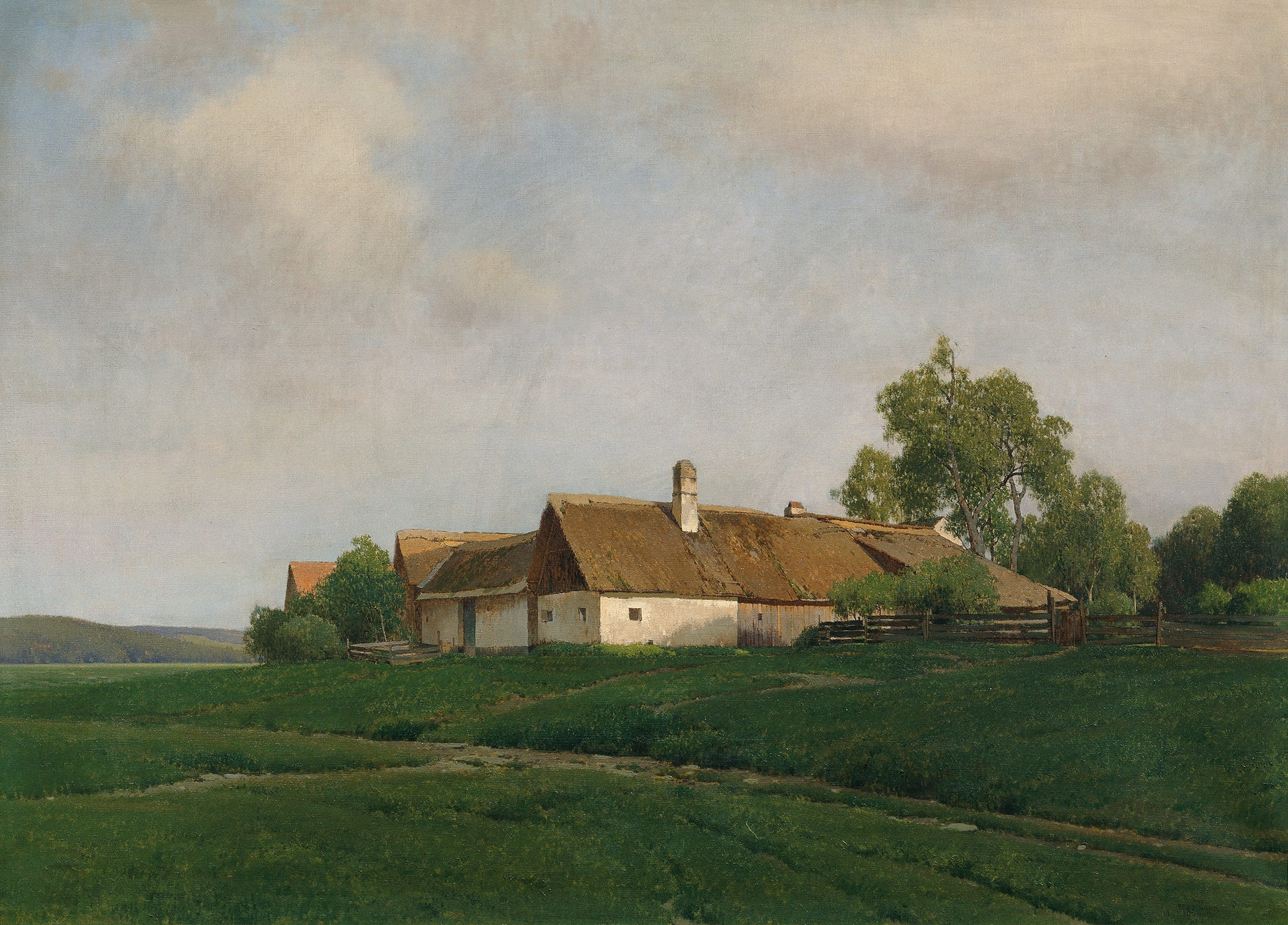
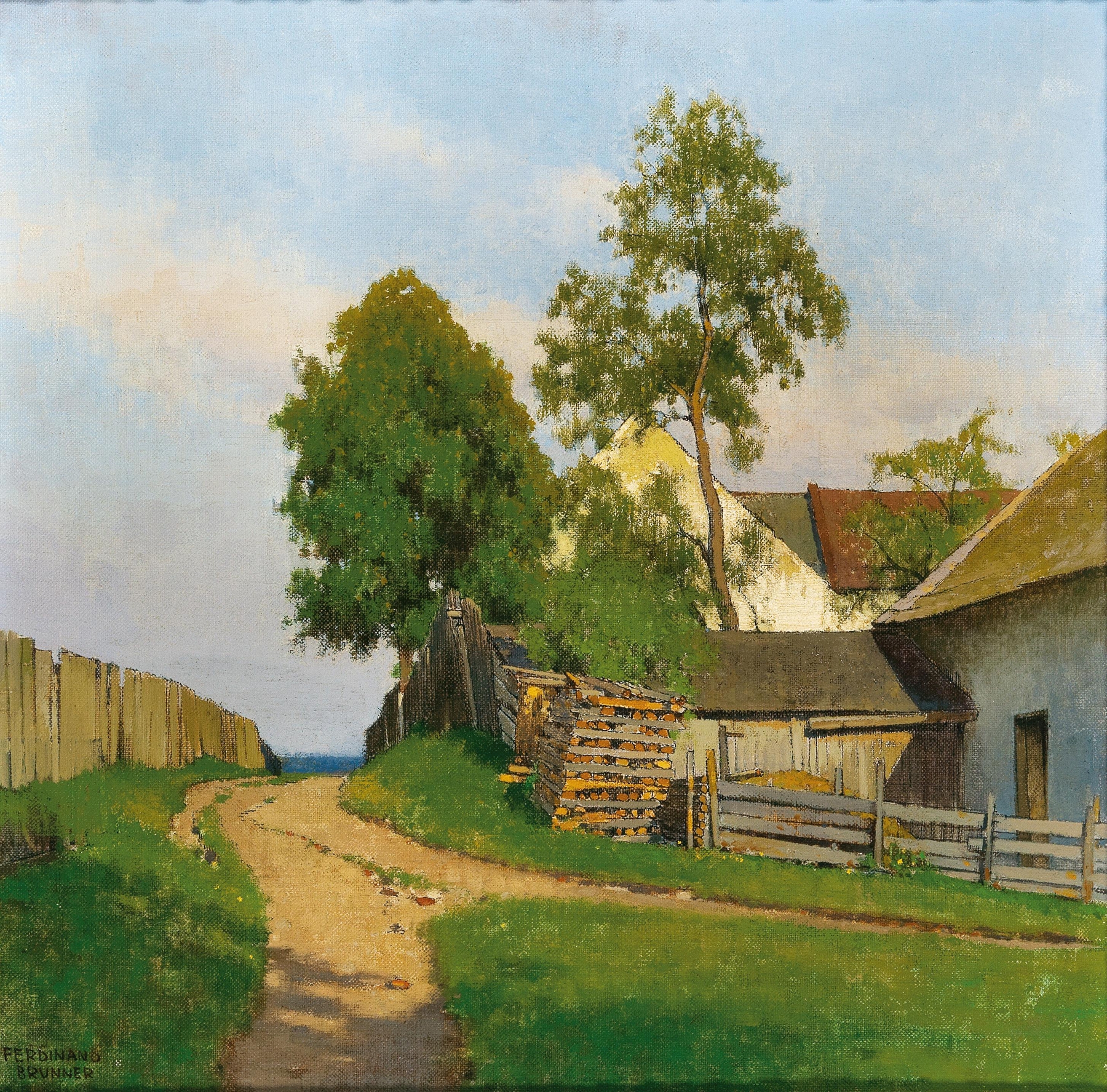
“Between color and silence, truth hides.” In a world awash in hues and whispers, dreams often transcend the boundaries of our imagination, revealing the profound layers of our subconscious. Look to the left at the gentle swirl of azure and cerulean, where the vibrant colors play against the muted, soft earth tones. The composition draws you in, inviting your gaze to wander over the flowing forms that meld into one another, creating an almost ethereal quality. A delicate balance of light and shadow dances across the surface, suggesting a fleeting moment caught between wakefulness and slumber; here lies the tension of a dream waiting to unfurl.
Hidden within the folds of color are glimpses of duality—warmth and coolness, chaos and serenity. The subtle interplay between abstraction and figuration evokes emotional nuances, hinting at the struggles we face when we dive deep into our own psyche. It whispers stories of yearning and nostalgia, while also challenging the viewer to confront their own dreams and fears, inviting personal reflection.
Created during a time of artistic exploration, the work emerged from Brunner's studio in the early 20th century, a period marked by significant shifts in the art world. Influences of expressionism and modernism permeated the air, as artists began to challenge traditional perspectives. Brunner, immersed in this transformative era, sought to capture the intangible essence of dreams, letting his brush define a new language that spoke to the soul.