Sittende kvinneakt — History & Facts
In Sittende kvinneakt, Edvard Munch presents a seated female figure, rendered with soft, muted colors. The figure appears contemplative, her posture relaxed yet introspective. The background is abstract, emphasizing the subject rather than the setting.
Munch's use of color creates a sense of emotional depth and complexity. The painting is characterized by its expressive brushwork and the interplay of light and shadow. Munch often employed a palette of earthy tones, which can be seen in this work. The figure's form is simplified, focusing on the emotional resonance rather than realistic details.
This approach is typical of Munch's style, which seeks to convey psychological states. Sittende kvinneakt was created during a period when Munch was exploring themes of love, anxiety, and existentialism. This work reflects his interest in the human condition and the inner life of individuals. Interestingly, Munch often painted multiple versions of the same subject, indicating his desire to delve deeper into the emotional landscape.
This painting is a notable example of his exploration of female figures in art.
More Artworks by Edvard Munch

The Scream
Edvard Munch

The Scream (1910 version)
Edvard Munch

Despair
Edvard Munch

The Day After
Edvard Munch
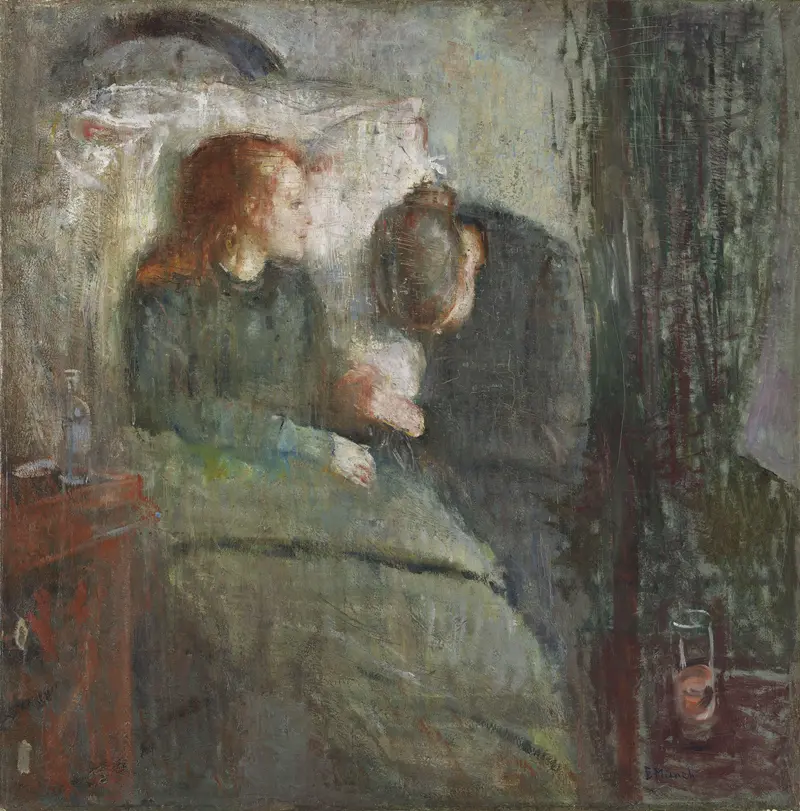
The Sick Child
Edvard Munch
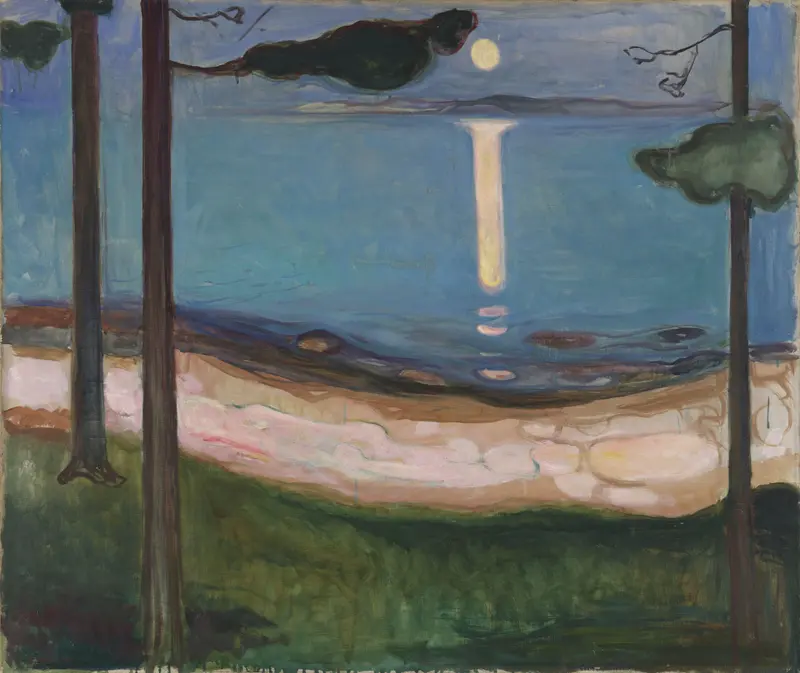
Moonlight
Edvard Munch
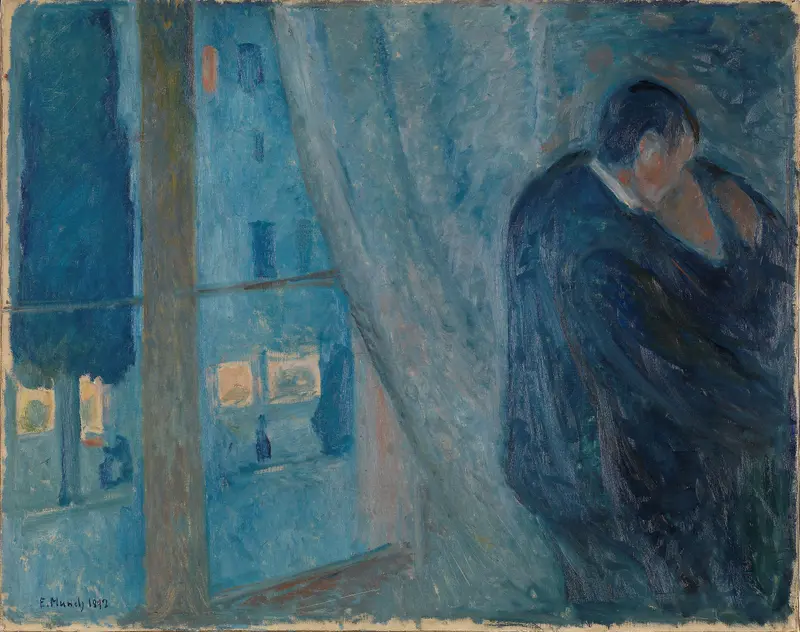
The Kiss
Edvard Munch
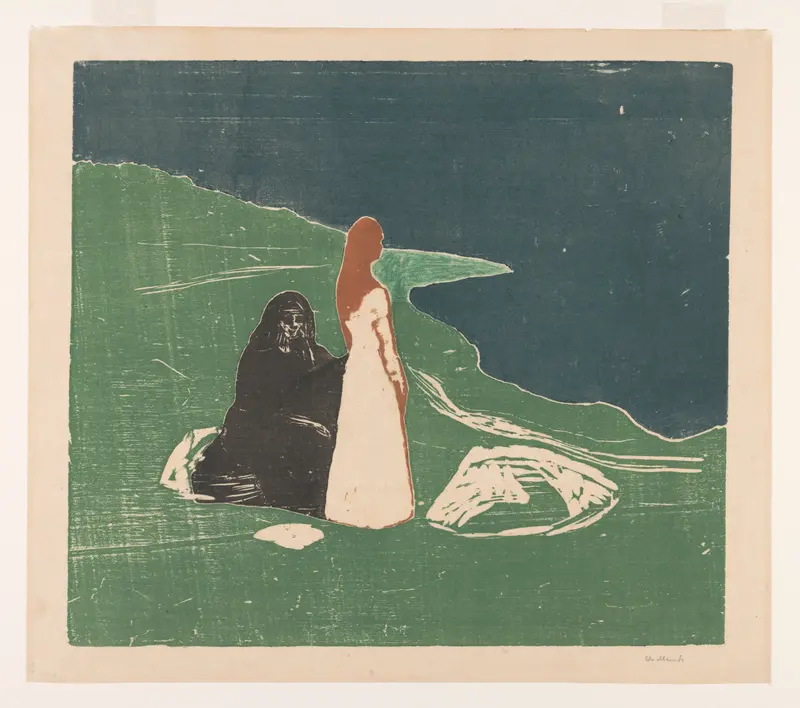
Two Women on the Shore
Edvard Munch
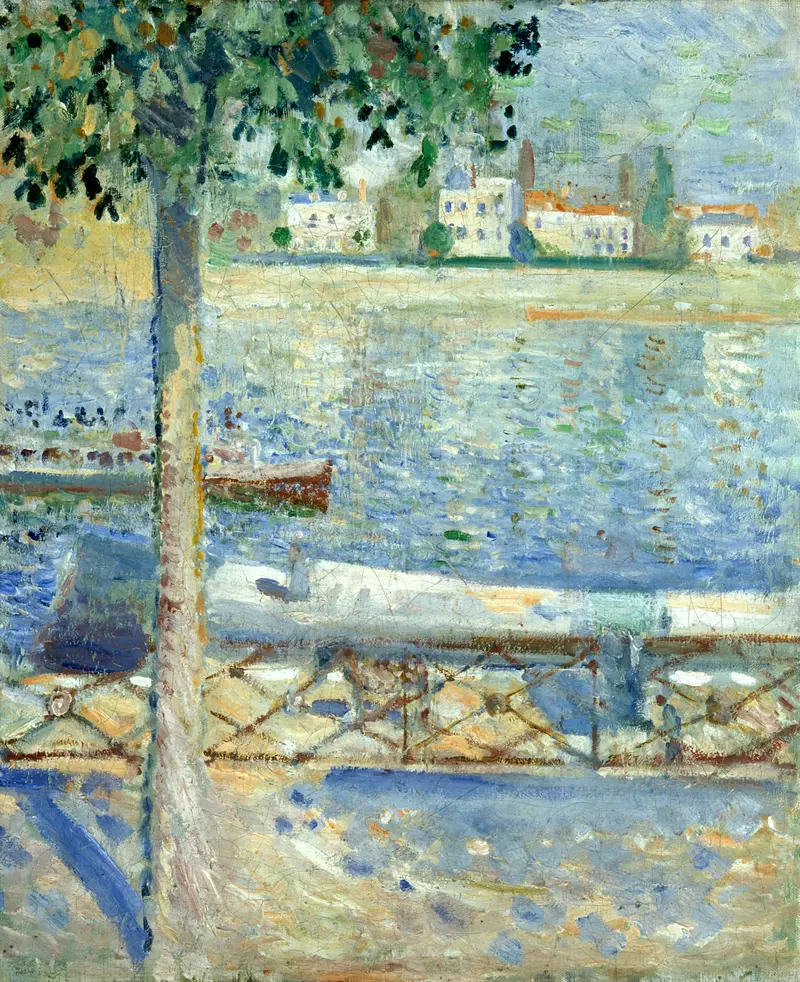
The Seine At Saint-Cloud
Edvard Munch
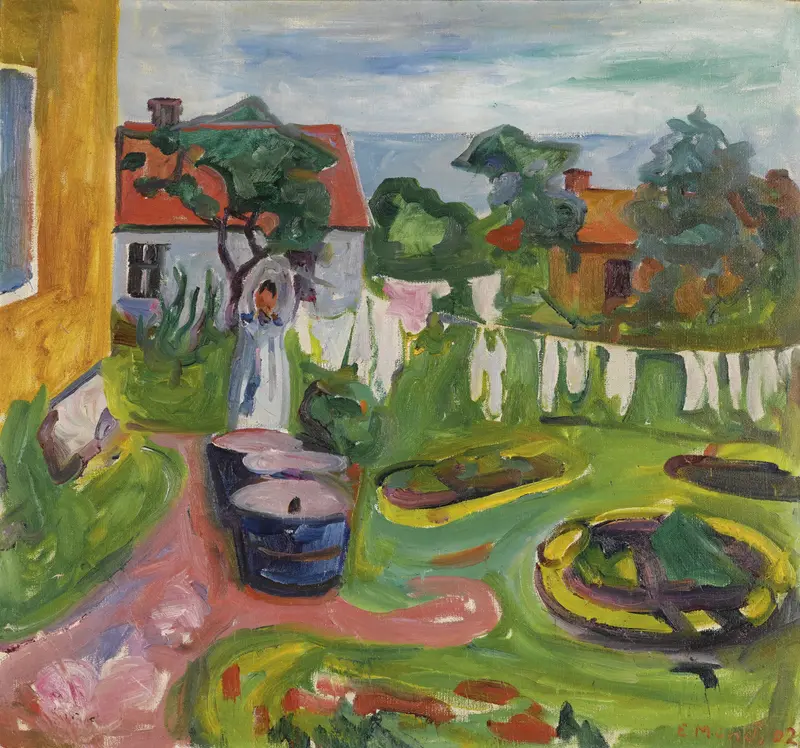
Klestørk I Åsgårdstrand (Clothes On A Line In Åsgårdstrand)
Edvard Munch