
Sitzender Prophet nach rechts — History & Facts
No one knows for certain when or why Correggio created Sitzender Prophet nach rechts, but its very existence is a puzzle: the drawing survives without clear documentation, a rare example of the artist’s hand outside his celebrated frescoes. Scholars have long debated whether this seated prophet is a study for a lost commission, a fragment of a larger project, or simply a private meditation. The uncertainty has only increased interest, as few sheets by Correggio remain, and each one offers a precious glimpse into his working process.
Unlike his grand altarpieces, this intimate work invites viewers to imagine the artist alone with his thoughts and charcoal. The prophet sits turned to the right, draped in heavy robes, his gaze cast downward in contemplation. The moment Correggio chose is one of inward reflection, not revelation: the figure’s hand rests gently on his knee, and his posture is relaxed yet alert, as if listening for a distant voice. The folds of the garment are rendered with swift, searching lines, capturing both weight and movement.
This approach contrasts with the more rigid, hieratic prophets of Michelangelo on the Sistine Chapel ceiling, where gesture and musculature dominate. Here, Correggio prefers subtlety—the prophet’s humility and humanity are at the fore, suggesting wisdom gained through patience rather than thunderous vision. The drawing’s journey is largely unrecorded, typical for works on paper from the early sixteenth century. It likely passed through the hands of private collectors, treasured for its attribution to Correggio, whose name became synonymous with grace and innovation in the High Renaissance.
While its original purpose remains a mystery, the sheet now belongs to a public collection, preserved as an example of the artist’s rare and sensitive draftsmanship. In the context of Correggio’s career, Sitzender Prophet nach rechts offers a quiet counterpoint to his luminous paintings, revealing the artist’s fascination with the inner life of his subjects.
More Artworks by Correggio
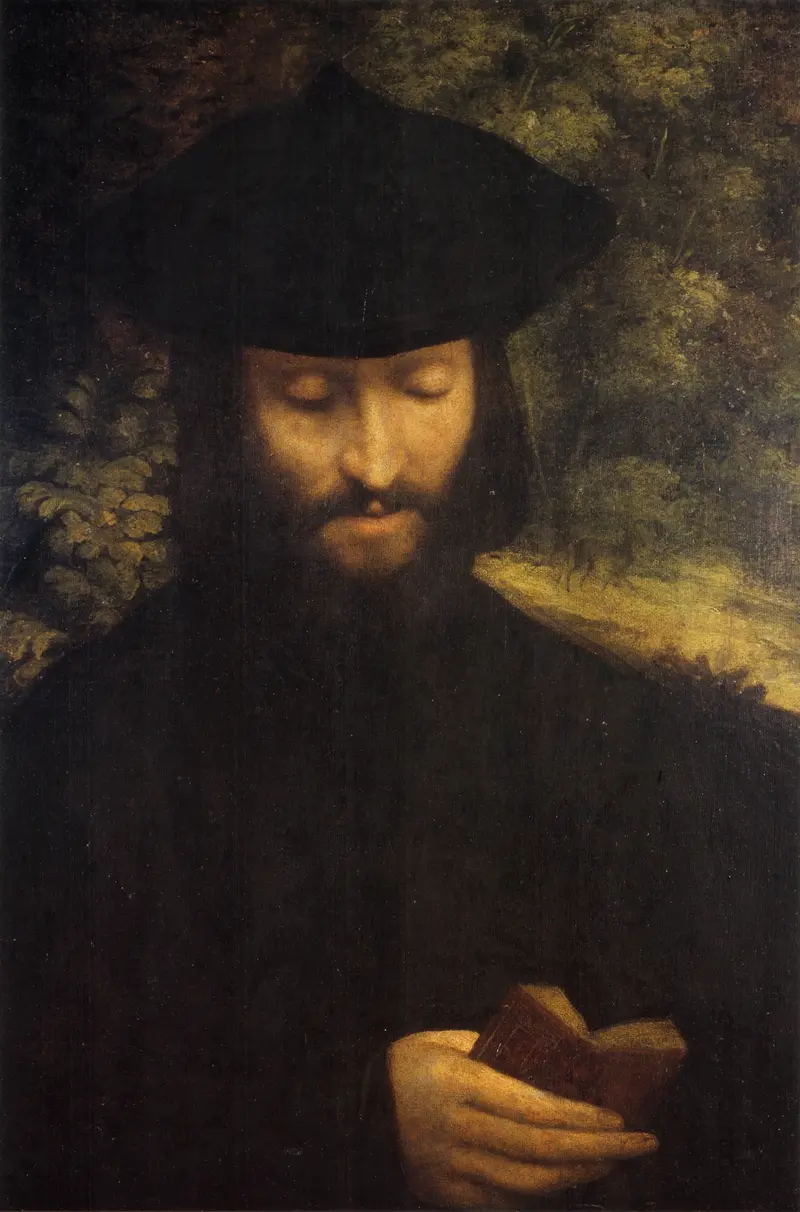
Portrait of a Man with a Book
Correggio

Holy Family with the Infant St. John
Correggio
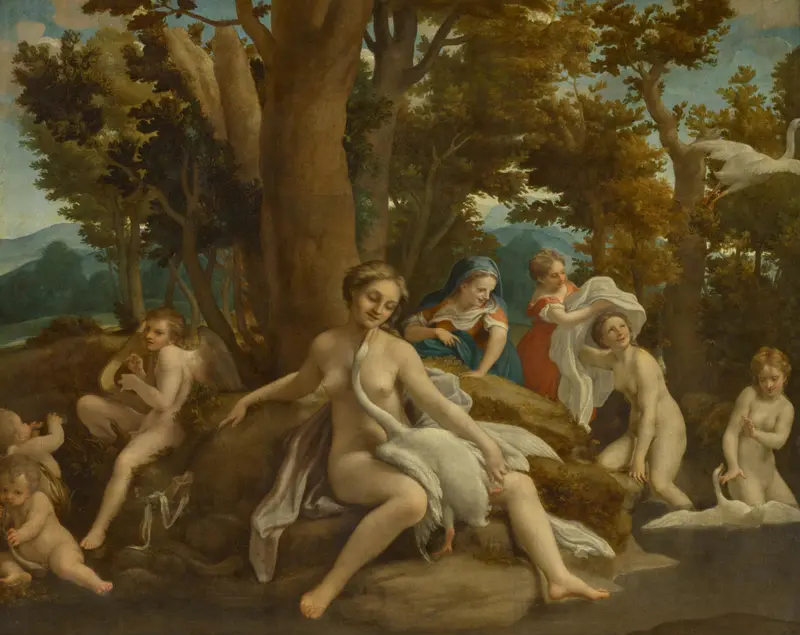
Leda and the Swan
Correggio

Madonna and Child with the Infant Saint John the Baptist
Correggio
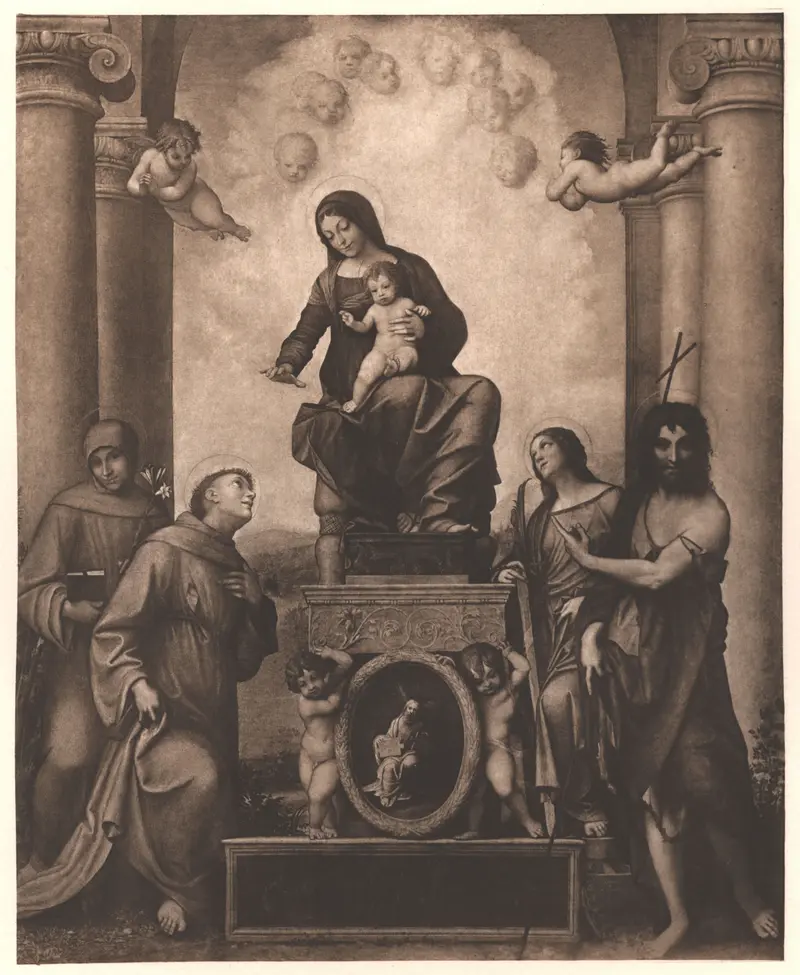
Madonna with St. Francis
Correggio
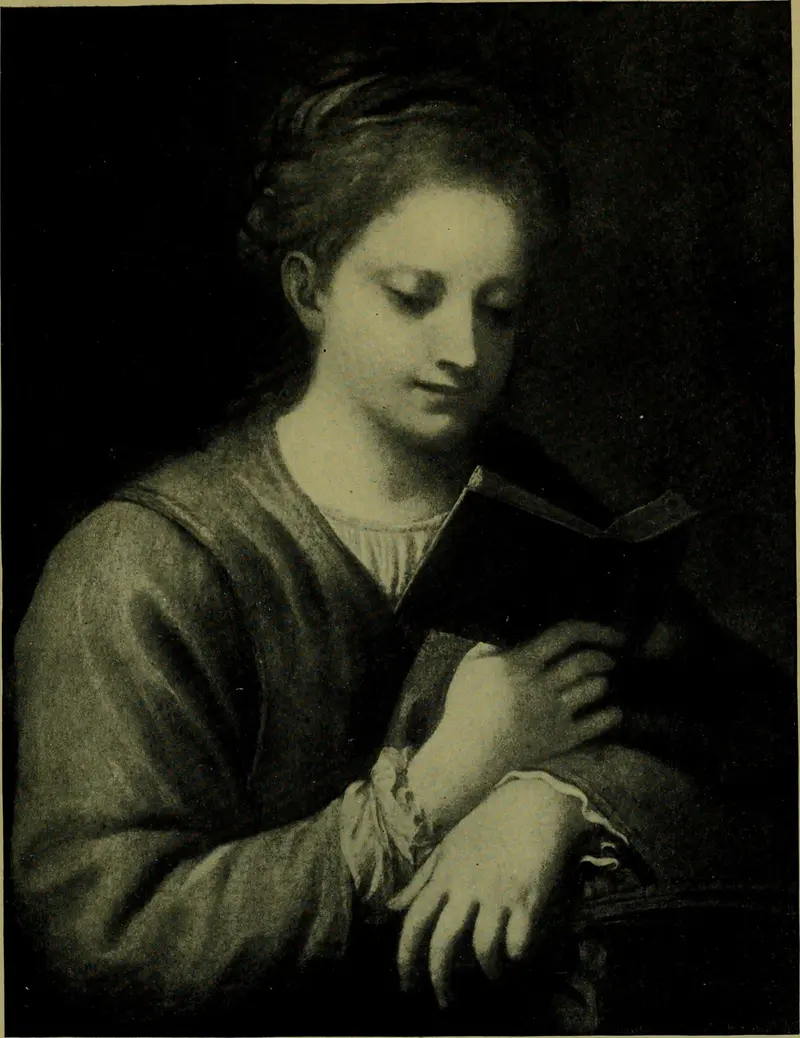
Saint Catherine Reading
Correggio

The Holy Night
Correggio
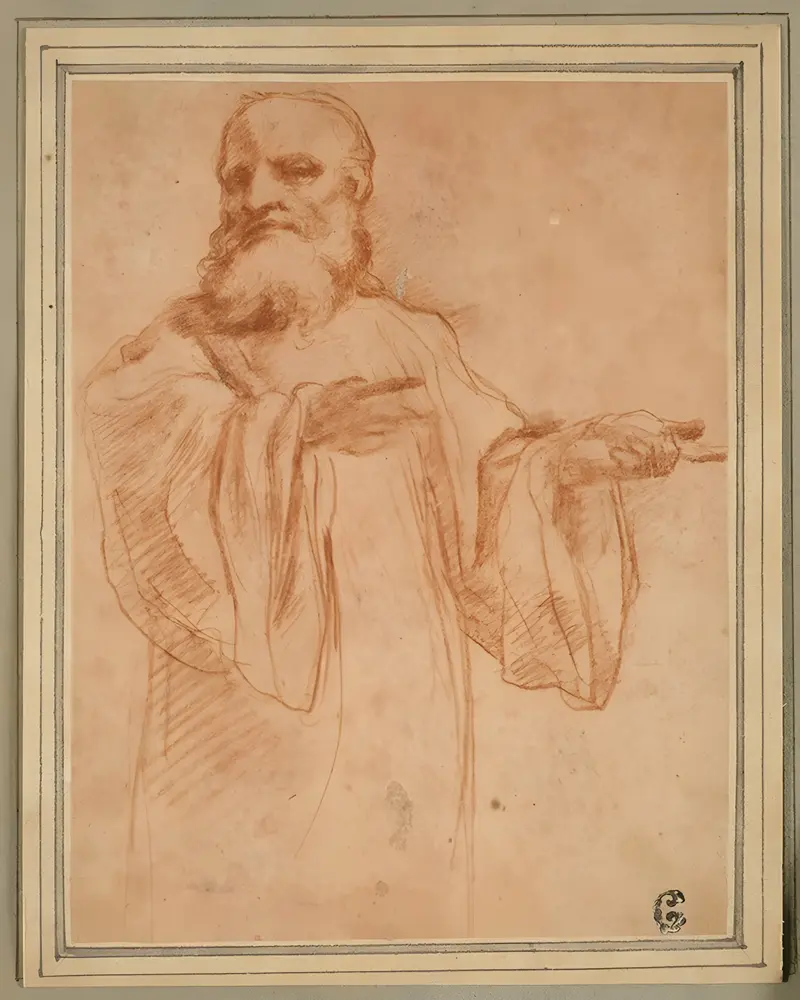
St. Benedict Gesturing to the Left; Study for the Coronation of the Virgin
Correggio
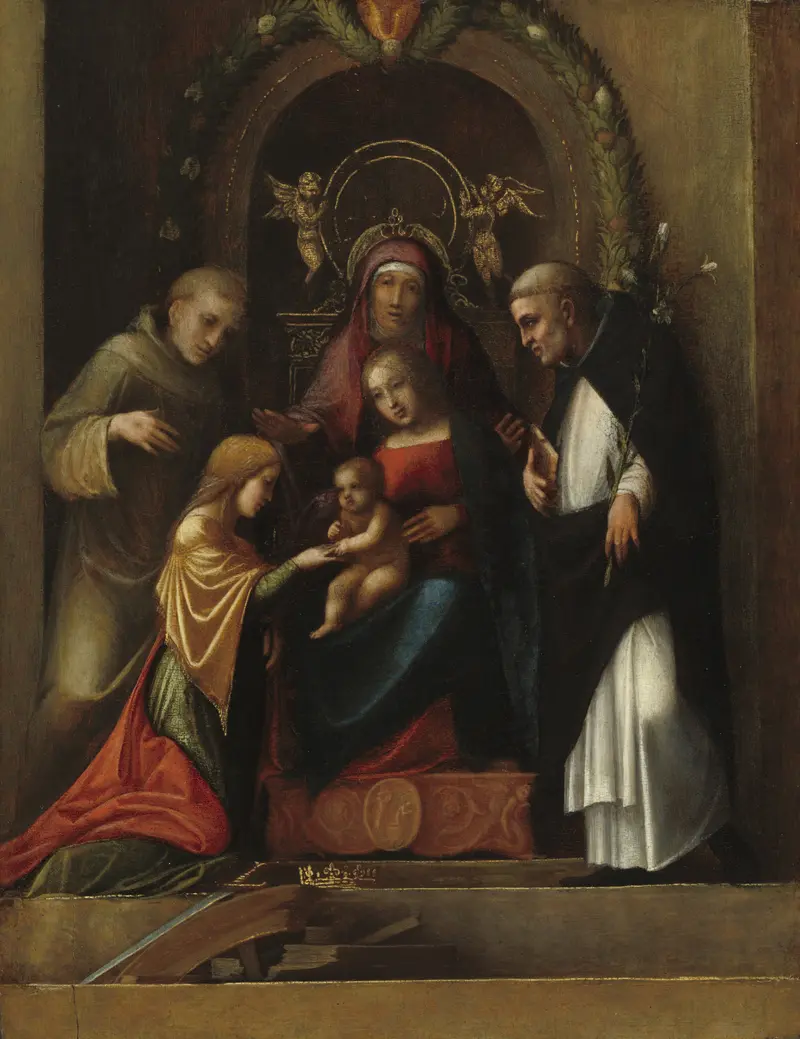
The Mystic Marriage of Saint Catherine
Correggio
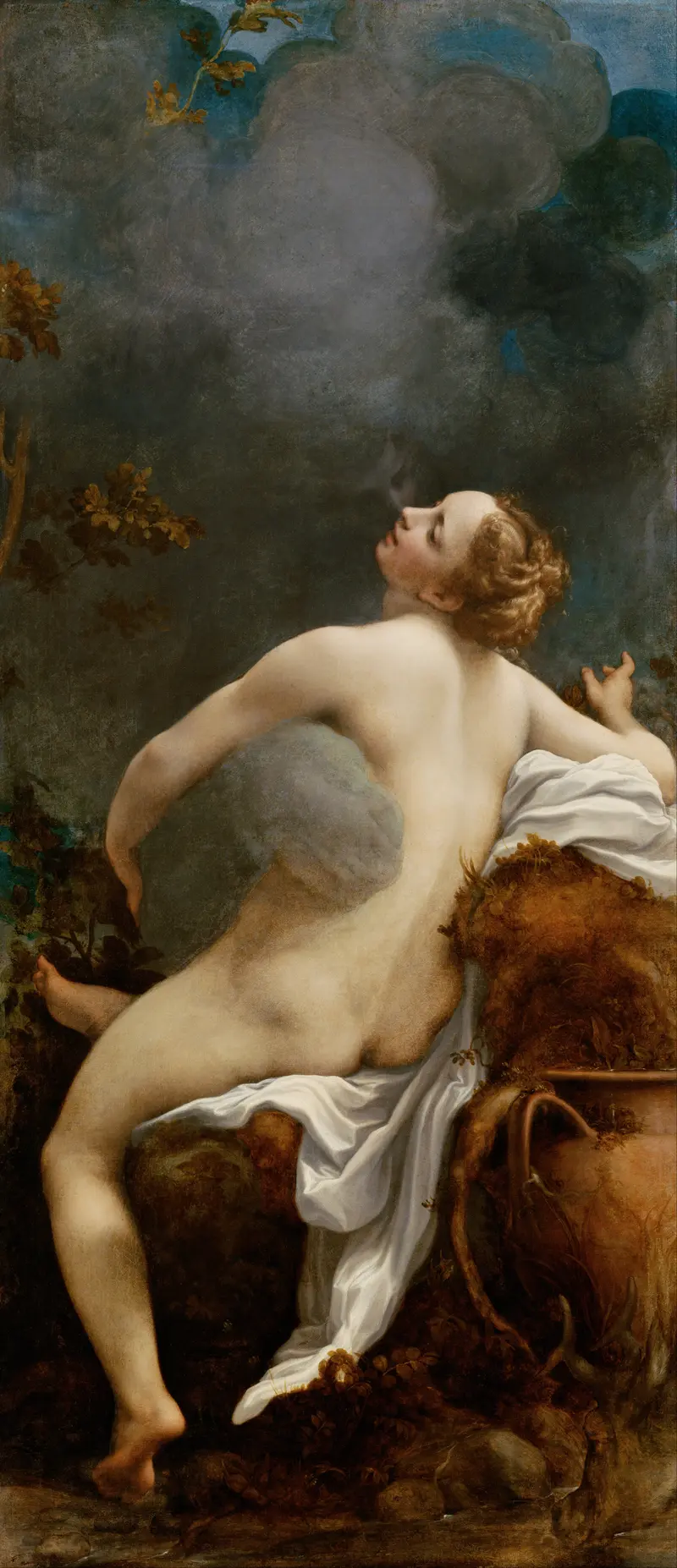
Jupiter and Io
Correggio




