
Slapende man — History & Facts
In the realm of art, illusions can whisper truths that words often fail to capture. The beauty of Slapende man lies not only in its serene surface but in the deeper narratives concealed beneath. To truly appreciate this painting, look closely at the sleeping figure nestled within the gentle folds of fabric. Notice how the light caresses his form, casting soft shadows that both cradle him and evoke a sense of vulnerability.
The muted color palette invites the viewer to linger—each hue blending seamlessly into the next, creating a dreamlike atmosphere. The meticulous detail in the drapery draws your eye, encouraging you to trace the contours and textures that define this moment of repose. Digging deeper, the contrast between the subject’s peaceful slumber and the world outside suggests a haunting tension. The stillness of the figure speaks to the ephemeral nature of life, while the surrounding darkness hints at the unseen challenges lurking just beyond view.
This juxtaposition invites reflection on the nature of dreams and the illusions we create to shield ourselves from reality. What secrets does he dream of in this suspended state, and what truths remain unspoken? Dirck Vellert created Slapende man in 1523, a time when Northern Renaissance art was flourishing, marked by intricate detail and emotional depth. Living in the Netherlands, Vellert was influenced by the burgeoning humanist movements, which sought to explore the complexities of human experience.
In this period, artists began to delve into themes of introspection, and this piece stands as a poignant reflection of that evolving artistic consciousness.
More Artworks by Dirck Vellert
Browse all →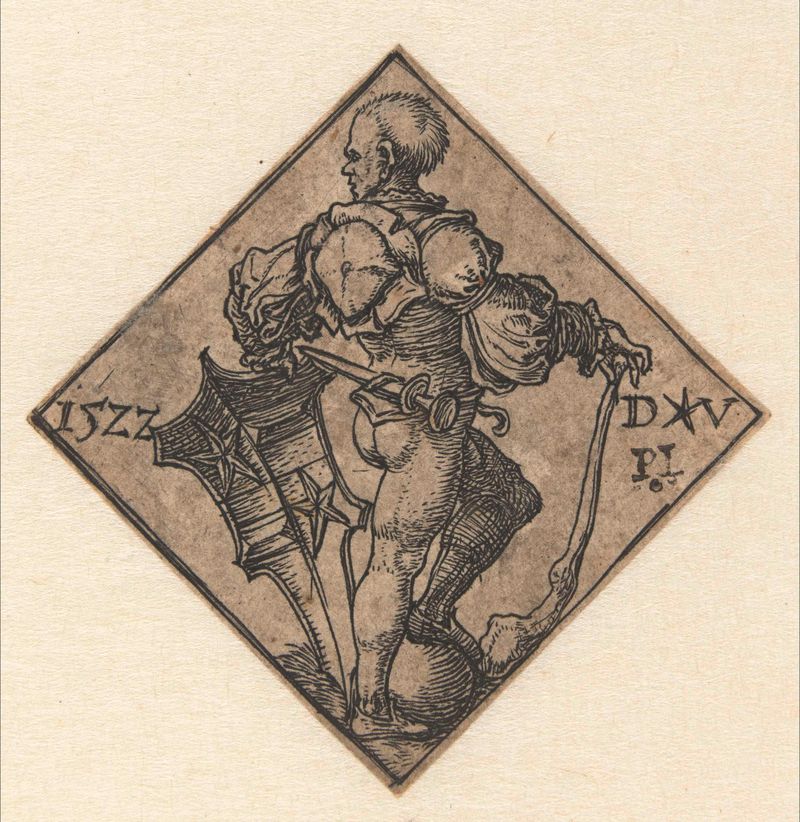
Soldaat met wapenschild
Dirck Vellert

Christus en de Samaritaanse vrouw
Dirck Vellert
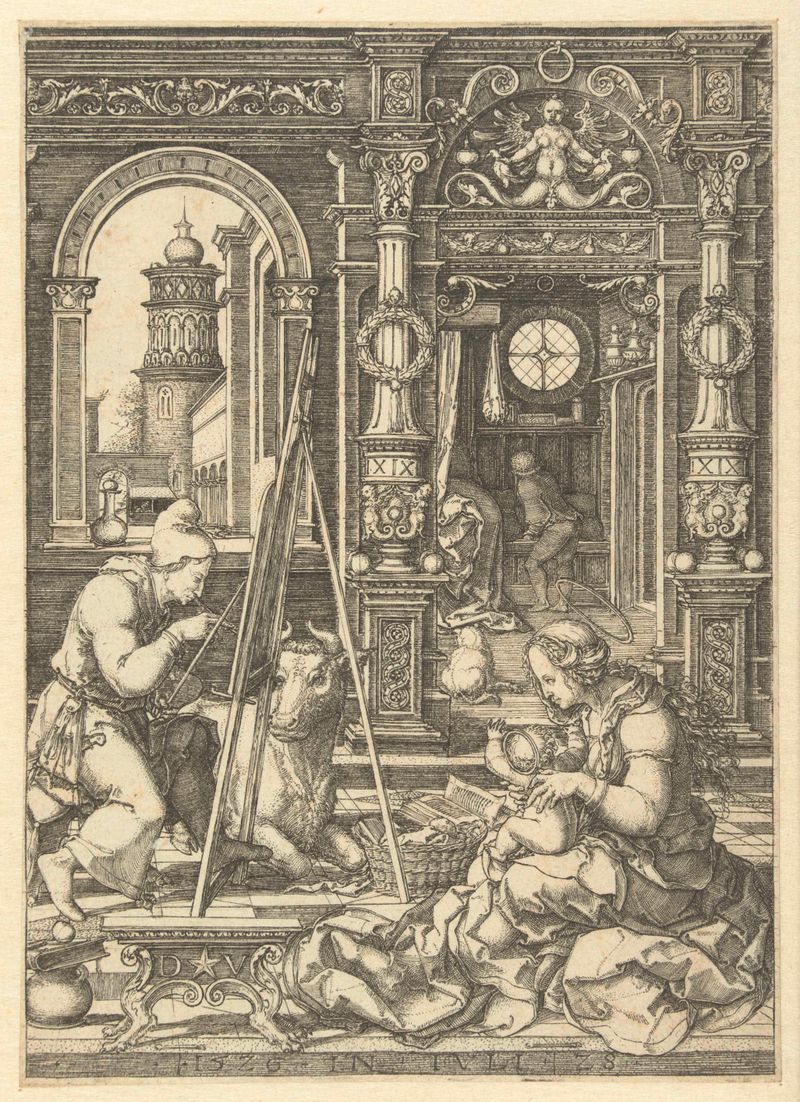
Heilige Lucas schildert Madonna met kind
Dirck Vellert

The Flight into Egypt
Dirck Vellert

Faun
Dirck Vellert
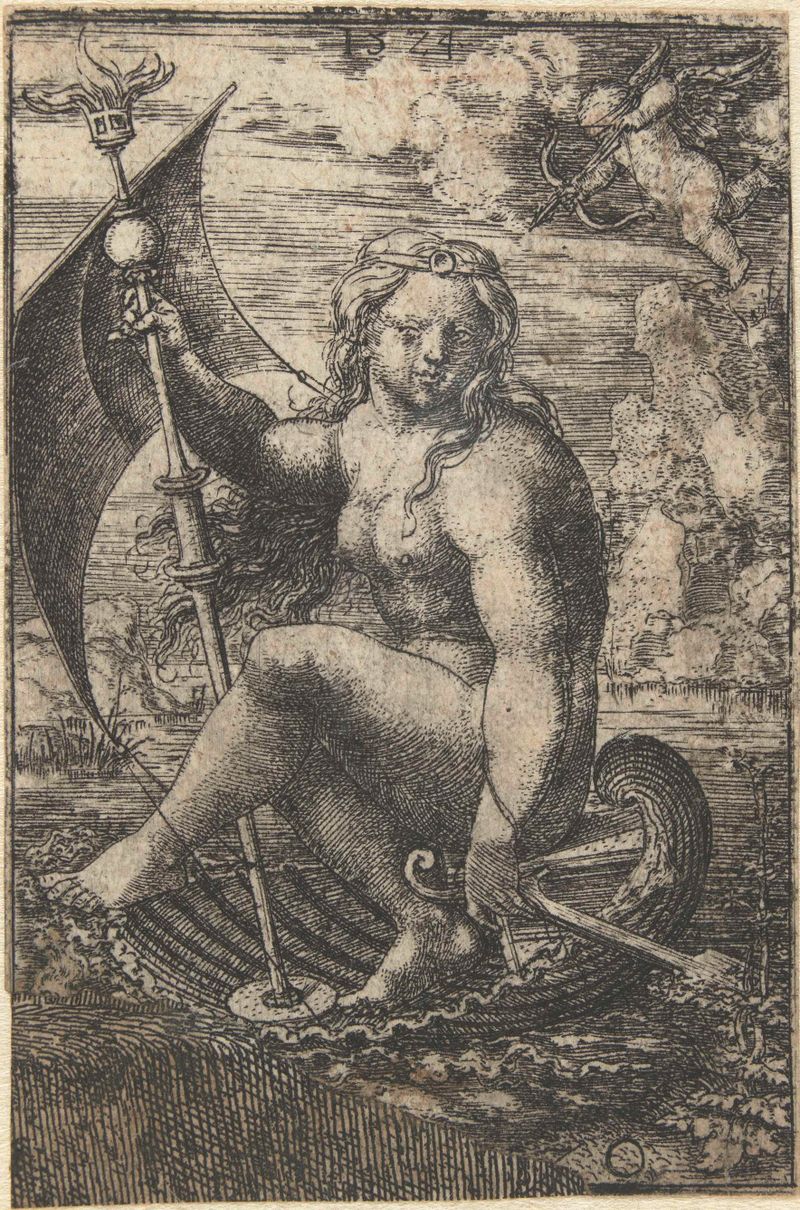
Venus zeilend in een schelp
Dirck Vellert
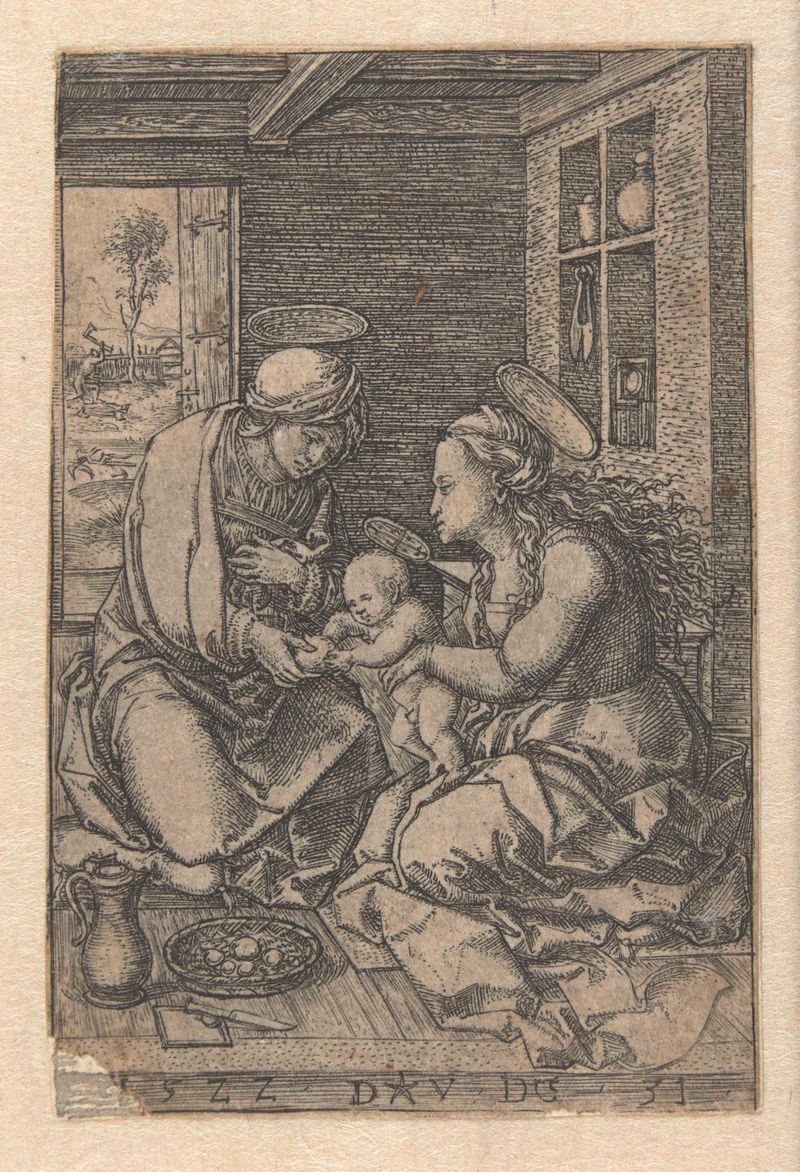
Maria met kind en heilige Anna
Dirck Vellert
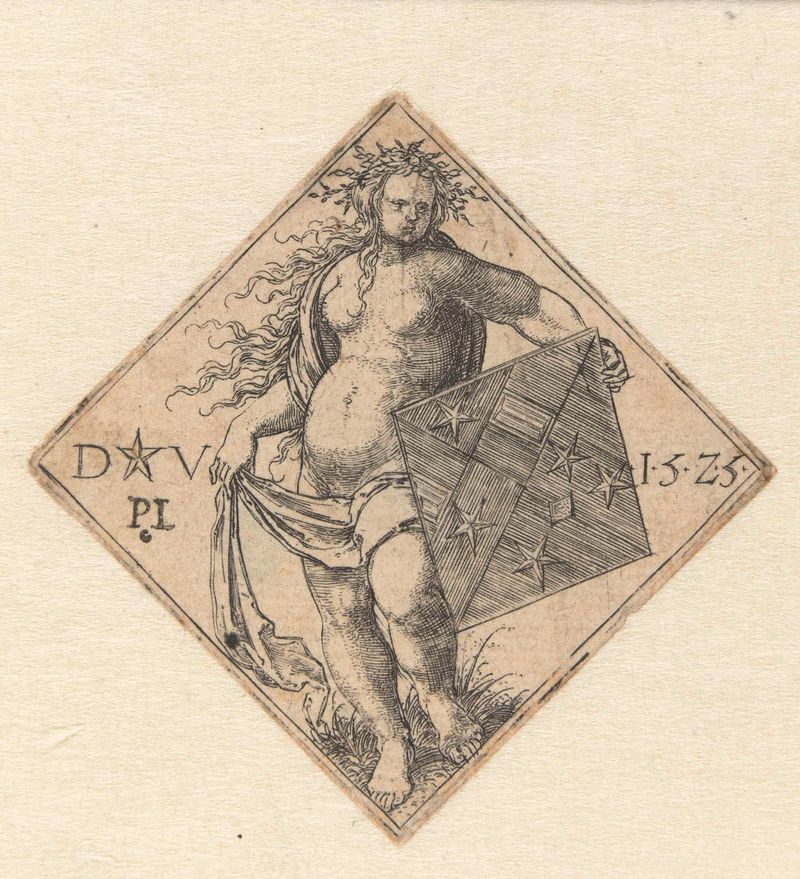
Naakte vrouw met wapenschild
Dirck Vellert
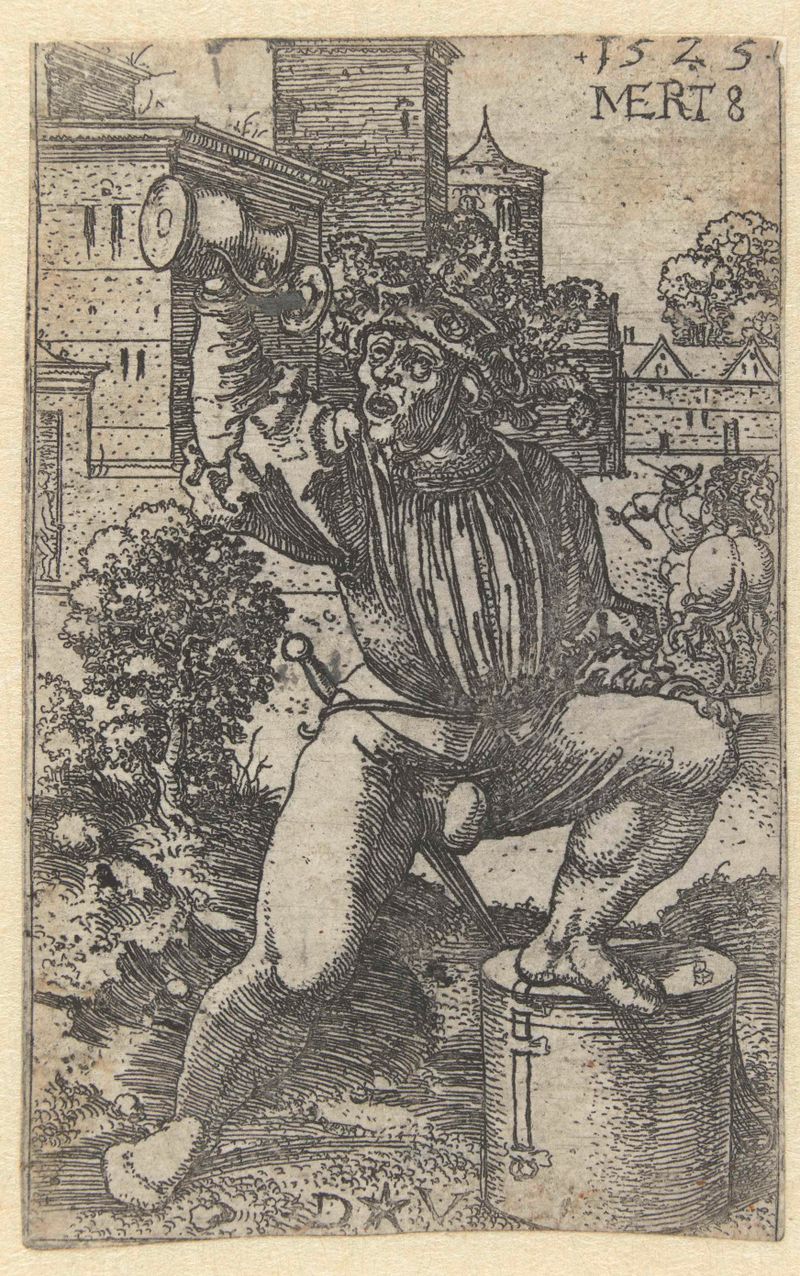
De dronken tamboer
Dirck Vellert

Eva en Kaïn
Dirck Vellert





