
Sleeping woman — History & Facts
What first seizes the eye in Sleeping woman by Arthur Segal is the way repose is fractured into planes of color and shadow, turning a private, intimate moment into a puzzle of forms. The figure’s head rests on a bent arm, but every curve and surface is broken into sharply defined facets—blue, ochre, and cream—so that the act of sleeping becomes almost architectural. The light seems to both caress and dissect, falling across the woman’s arm and face in bands that suggest both comfort and exposure.
The background, a riot of diagonals and stripes, presses in, making the stillness of sleep feel hard-won, a fragile peace within a restless world. Segal’s palette is cool but edged with warmth, and the eye is drawn again and again to the gentle arc of the hand, the only truly soft line in the composition. This work was painted around 1925, at a time when artists across Europe were breaking down the visible world into its geometric essentials, searching for new ways to express the pressures and promises of modernity. Arthur Segal was deeply engaged in this search, moving between Berlin and Switzerland, and his work often bridges the clarity of Cubism with the emotional charge of Expressionism.
Paintings like this were rarely made for grand salons or wealthy patrons; instead, they were created for a new, questioning audience—one that saw art as a tool for understanding a rapidly changing society. History has kept few traces of the journey of this particular painting, now found in a modern collection, but its restless stillness invites us to linger and trace the contours of a world in flux.
More Artworks by Arthur Segal

Rotes Dach
Arthur Segal
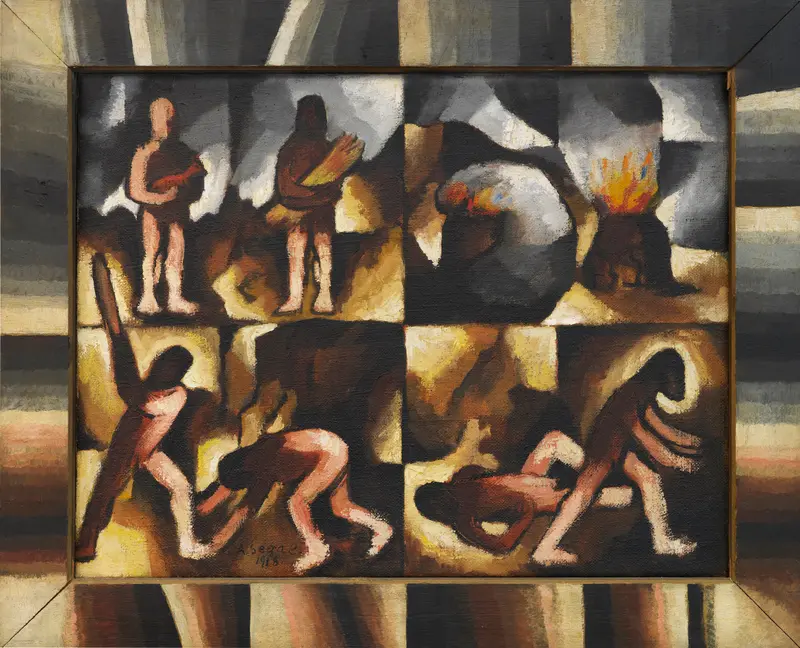
Kain und Abel (Zyklus Altes Testament)
Arthur Segal
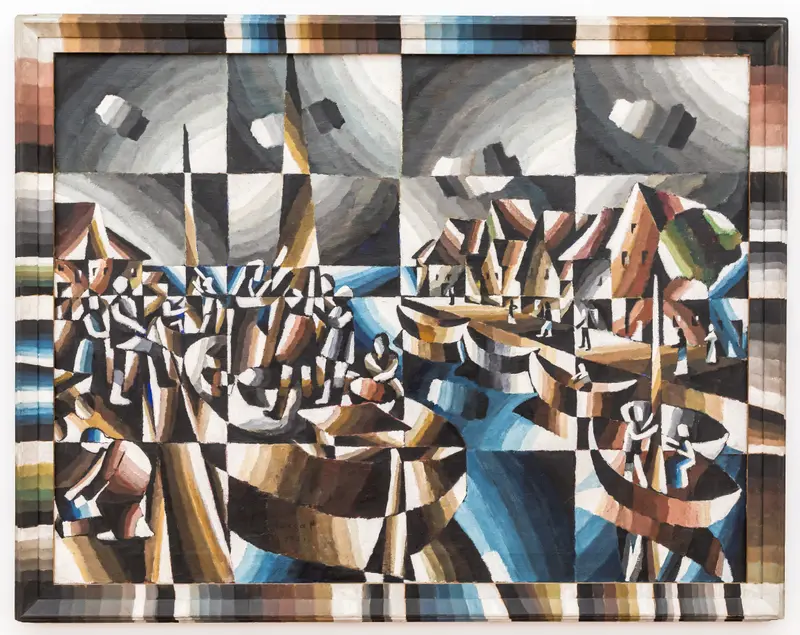
Der Hafen Museum Ludwig
Arthur Segal
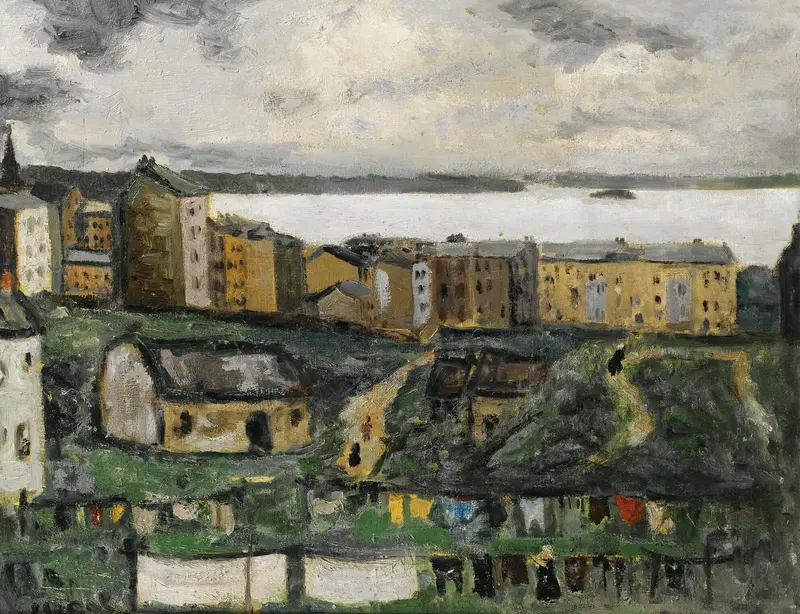
Village View
Arthur Segal
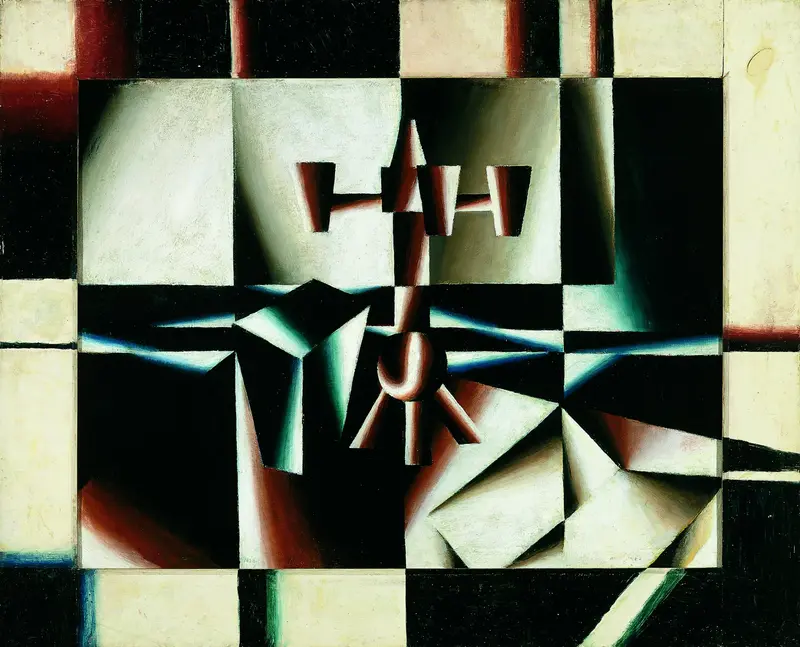
Still-Life with Candelabrum and Box
Arthur Segal
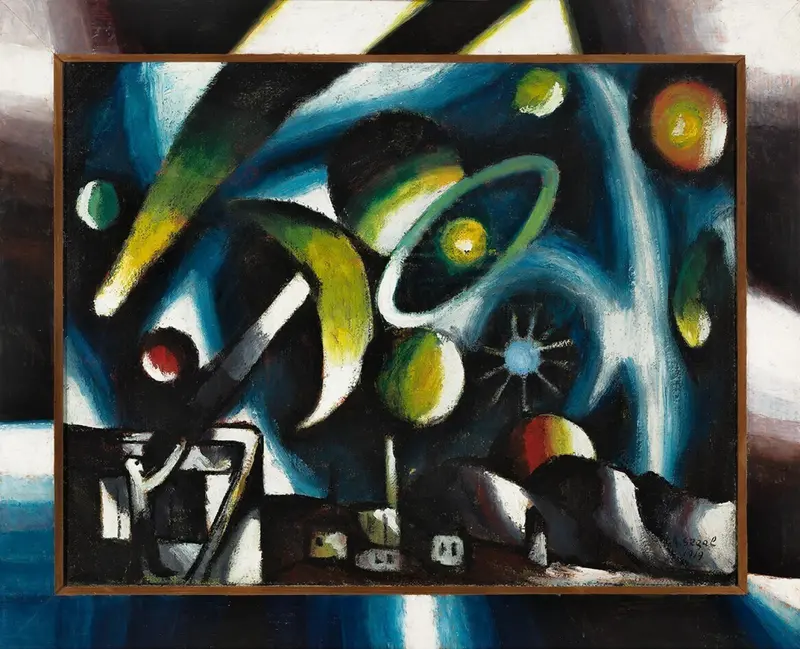
Der Astronom (Zyklus Arbeit)
Arthur Segal
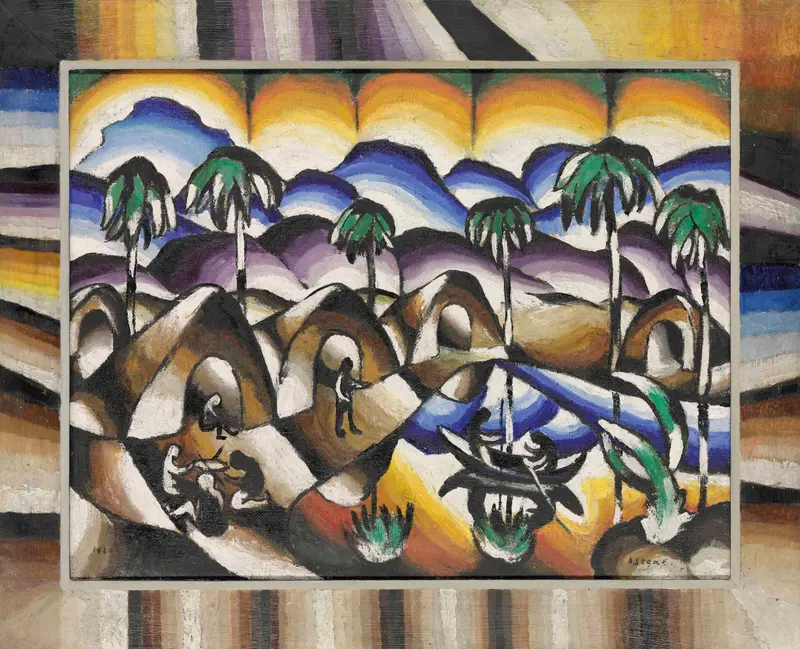
Ein Dorf
Arthur Segal
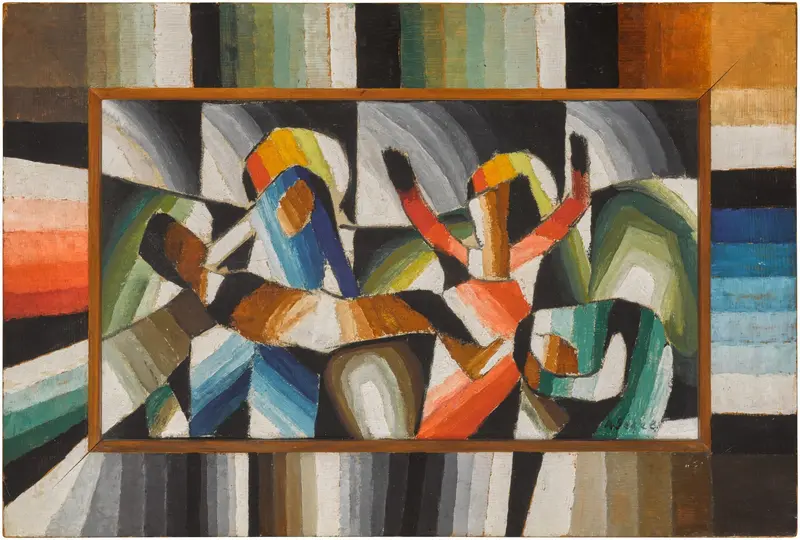
Pietà
Arthur Segal

Ein Tag
Arthur Segal
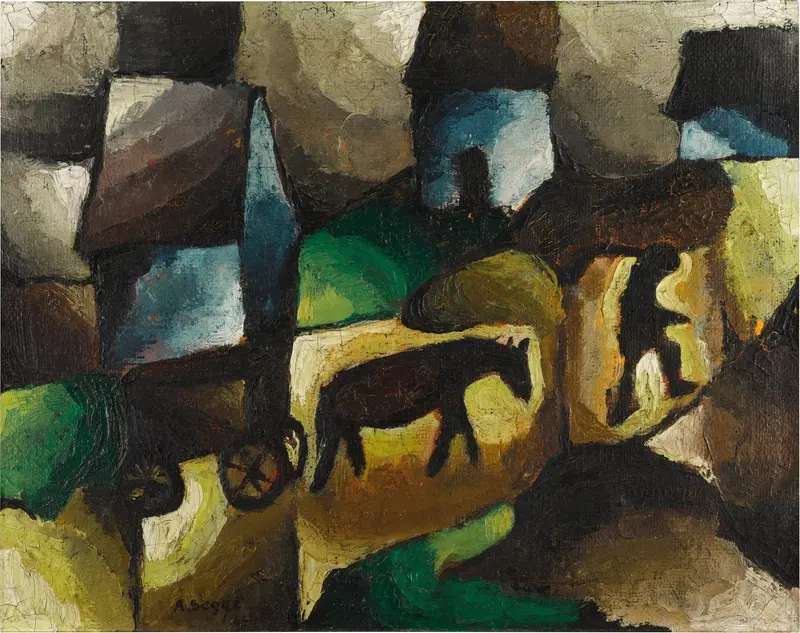
Arthur Segal: Man, Horse, Wagon
Arthur Segal



