
Der Astronom (Zyklus Arbeit) — History & Facts
A single, searching telescope thrusts upward from a stark, angular building, as if straining to pierce the swirling cosmos above. The eye is immediately drawn into the maelstrom of color and motion that fills the sky: planets ringed with neon halos, comets streaking in yellow and green, and a radiant blue star that seems to pulse with energy. The universe here is not a silent void but a stage of restless discovery, each celestial body rendered with a sense of urgent movement.
The painter’s brushwork is bold, almost sculptural, carving out the orbits and trajectories that animate the heavens. What might at first seem chaotic soon reveals a careful orchestration—each arc and burst of light leading the viewer’s gaze from the observatory below into the infinite unknown. Painted in 1919, this work stands at the crossroads of a world reeling from war and hungry for new frontiers. In the early twentieth century, artists like Arthur Segal—whose name and date are signed in the lower right—were captivated by the possibilities of science and the mysteries of the cosmos.
The painting’s fractured forms and luminous palette echo the visual language of the avant-garde, yet its subject is unmistakably of its moment: the astronomer as a symbol of hope, reason, and the quest for knowledge in an era of upheaval. Now housed in the Museum Boijmans Van Beuningen, Der Astronom (Zyklus Arbeit) invites us to look up and wonder, just as its solitary observer does, at the vastness that lies beyond our reach.
More Artworks by Arthur Segal

Rotes Dach
Arthur Segal
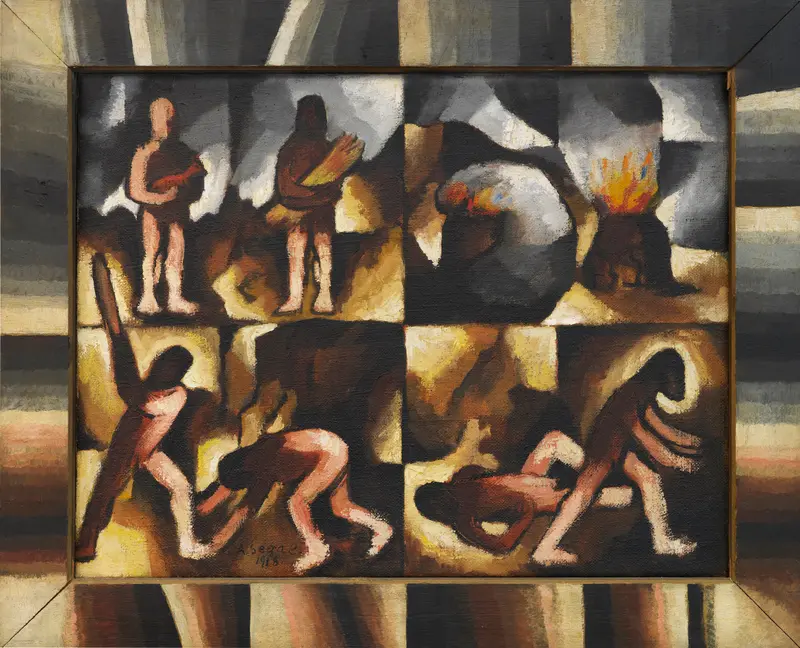
Kain und Abel (Zyklus Altes Testament)
Arthur Segal
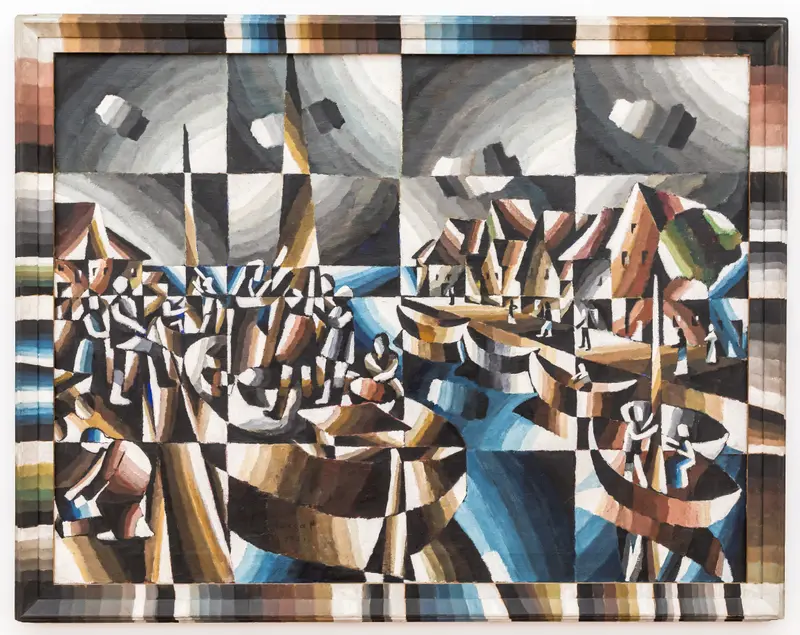
Der Hafen Museum Ludwig
Arthur Segal
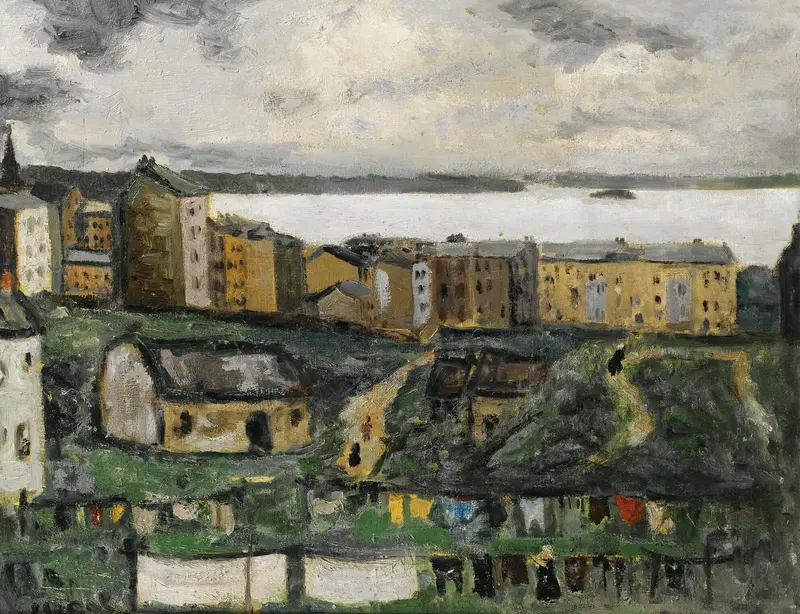
Village View
Arthur Segal
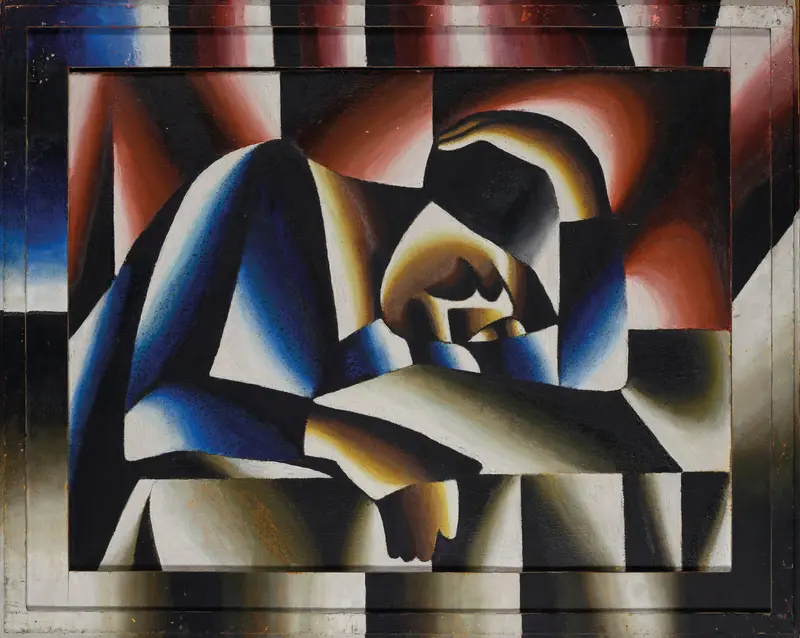
Sleeping woman
Arthur Segal
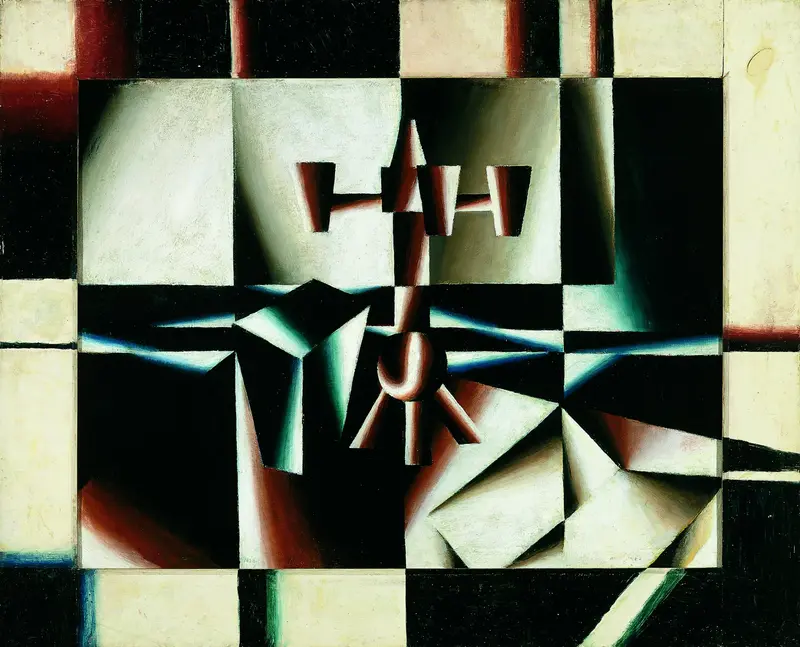
Still-Life with Candelabrum and Box
Arthur Segal
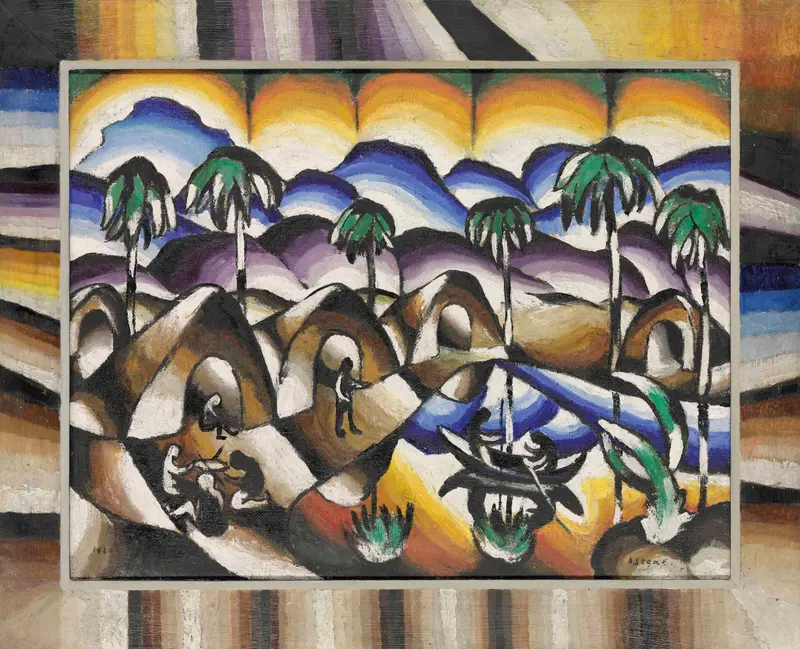
Ein Dorf
Arthur Segal
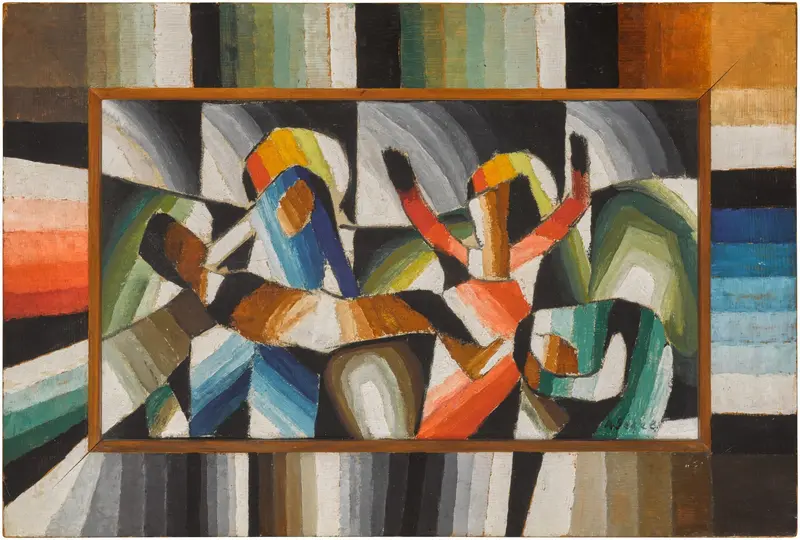
Pietà
Arthur Segal

Ein Tag
Arthur Segal
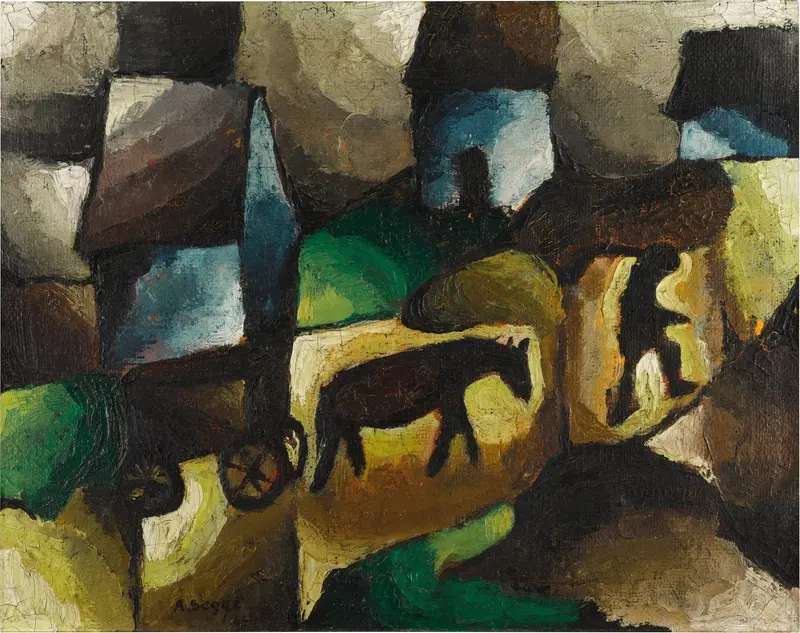
Arthur Segal: Man, Horse, Wagon
Arthur Segal



