
Ein Dorf — History & Facts
What first seizes the eye in Ein Dorf is the way the landscape itself seems to ripple and pulse, as if the very earth and sky are caught mid-breath. The scene is a village, but not as one might expect: arches of ochre and white curve like waves, sheltering small, dark figures who gather or walk beneath the rhythm of palm trees. The palette is bold and segmented, with mountains rising in violet and blue bands, and the sky layered in scalloped arcs of gold and indigo.
Light here does not fall naturally but is organized into radiant, almost theatrical bands, drawing the viewer’s gaze from the clustered figures in the foreground to the undulating hills and luminous sky beyond. The palm trees, with their stylized, geometric fronds, stand as sentinels, marking the boundary between the human world and the fantastical landscape. Painted in 1920, Ein Dorf emerges from the feverish experimentation of early twentieth-century Europe, when artists like Arthur Segal were reimagining what painting could be. Segal, active in the circles of Expressionism and Der Sturm, brought a scientific fascination with color and form to his work, often seeking to convey not just a place but a state of mind.
Village scenes in this era were rarely just records of daily life; they became stages for exploring the fractured, uncertain world after the First World War. Little is recorded about the specific history of this painting, now documented in a modern collection, but its energy is unmistakable: it invites the viewer to see not just a village, but a world remade by vision and memory, where every color and curve is charged with possibility.
More Artworks by Arthur Segal

Rotes Dach
Arthur Segal
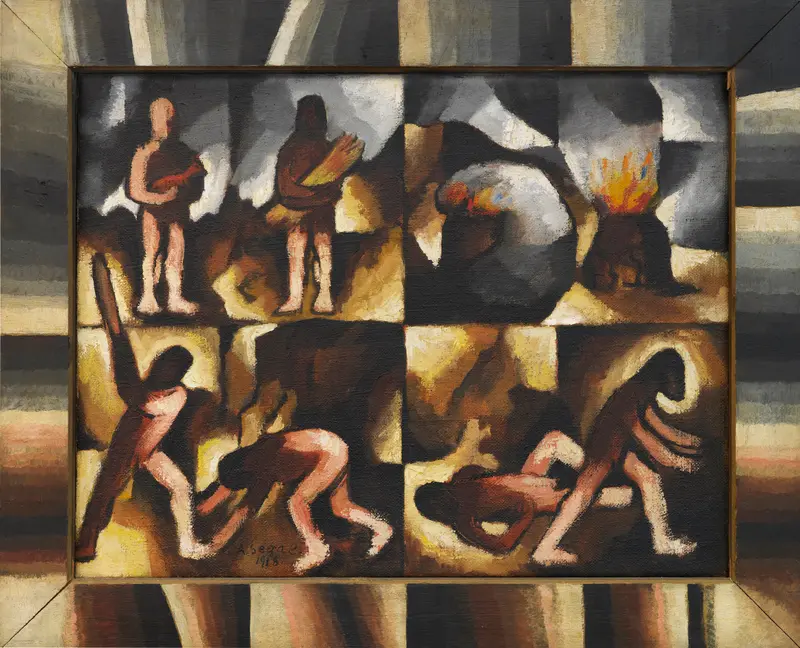
Kain und Abel (Zyklus Altes Testament)
Arthur Segal
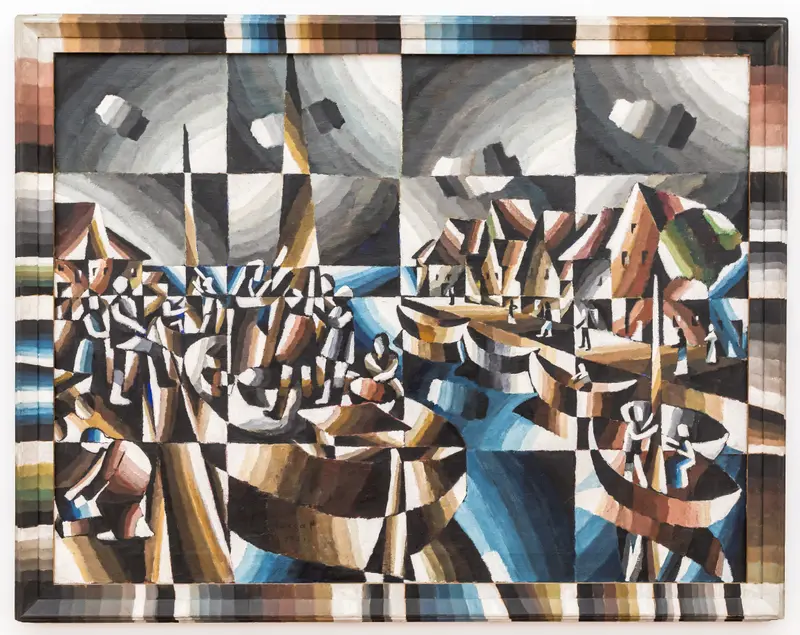
Der Hafen Museum Ludwig
Arthur Segal
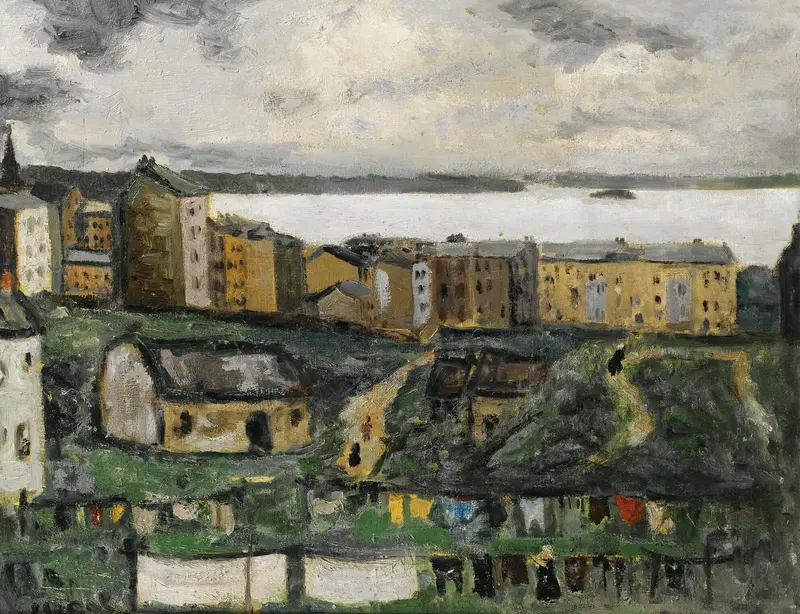
Village View
Arthur Segal
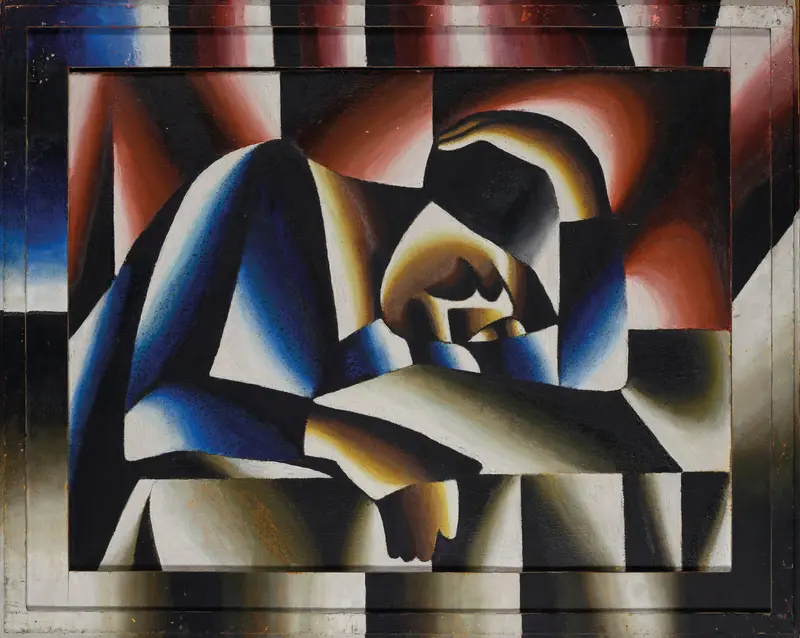
Sleeping woman
Arthur Segal
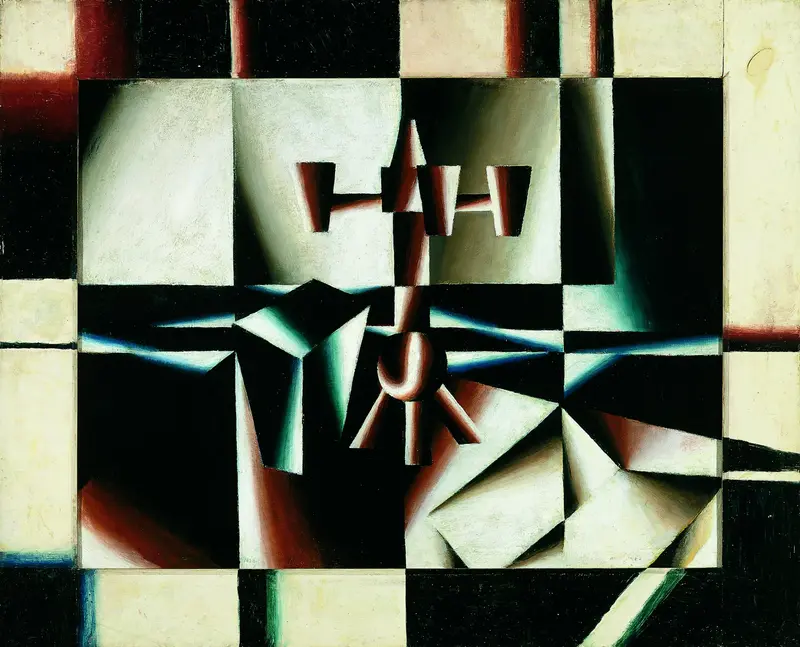
Still-Life with Candelabrum and Box
Arthur Segal
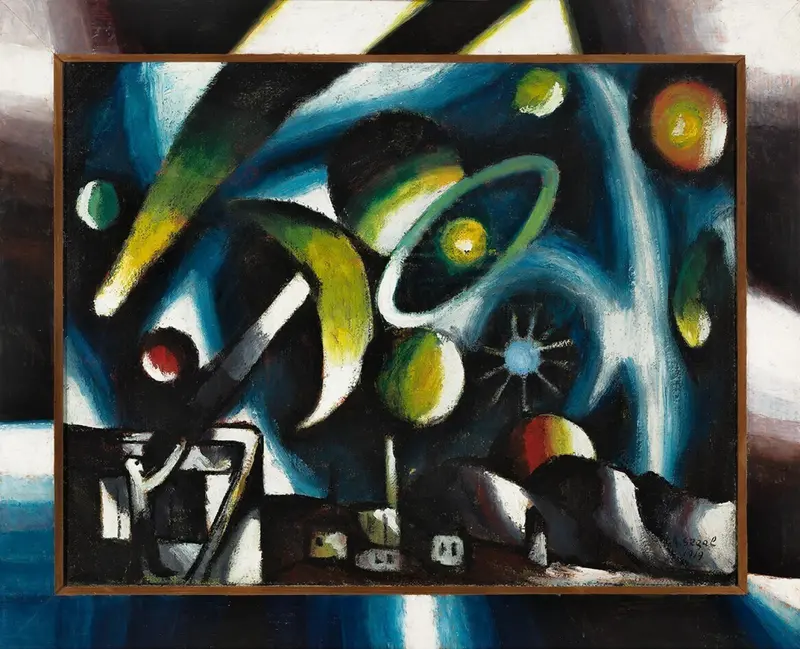
Der Astronom (Zyklus Arbeit)
Arthur Segal
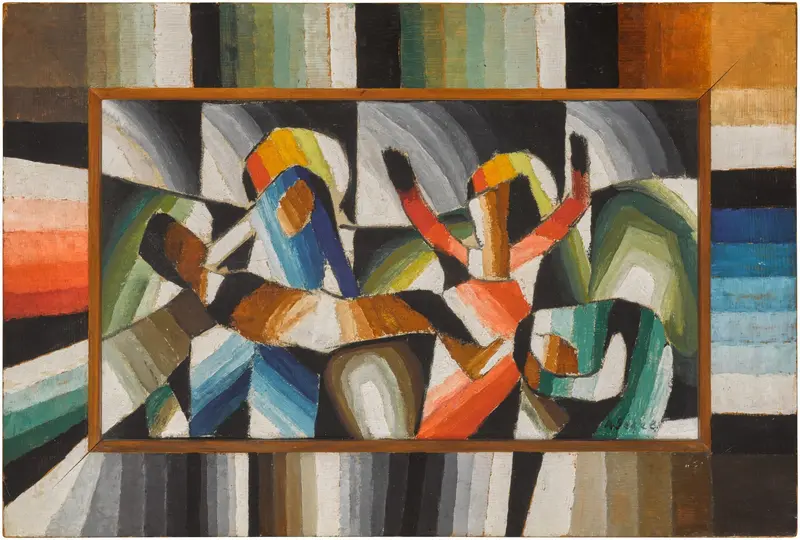
Pietà
Arthur Segal

Ein Tag
Arthur Segal
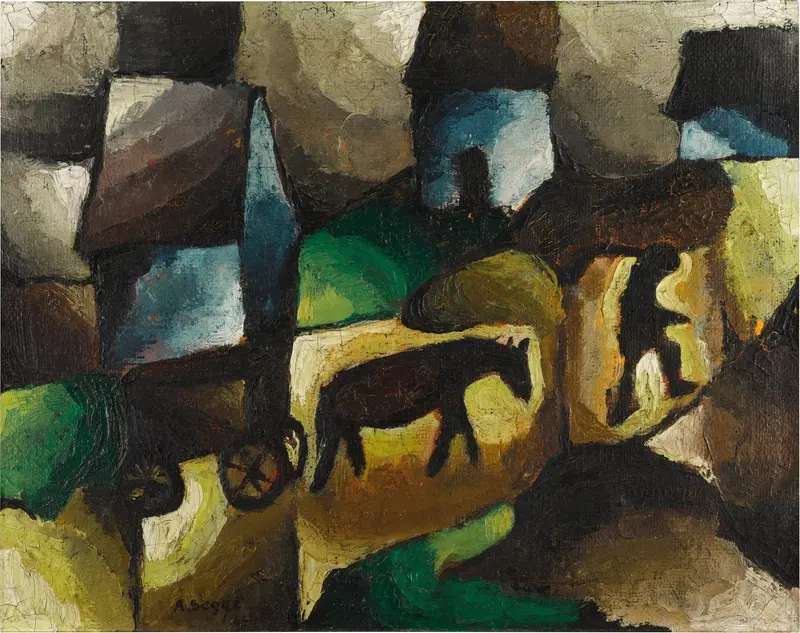
Arthur Segal: Man, Horse, Wagon
Arthur Segal
More Landscape Art

The Starry Night
Vincent van Gogh

View of Delft
Johannes Vermeer

Water Lilies
Claude Monet

The Grand Canal, Venice, looking north-west from the Ca' Corner to the Ca' Contarini degli Scrigni, with the campanile of Santa Maria della Carità
Canaletto

Windsor Castle
Canaletto

The Grand Canal looking North-East from the Palazzo Dolfin-Manin to the Rialto Bridge
Canaletto