
Snow at Louveciennes — History & Facts
In Snow at Louveciennes, Camille Pissarro presents a serene winter landscape. The painting features a soft palette of whites, blues, and grays, creating a chilly atmosphere. Snow blankets the ground and rooftops, while trees stand bare against the sky.
A few figures are seen in the distance, adding life to the tranquil scene. The painting is executed in oil on canvas, showcasing Pissarro's characteristic loose brushwork. The artist employs a technique that captures the fleeting effects of light and weather. The composition is balanced, with a focus on the interplay between the snow and the muted colors of the landscape.
Viewers can appreciate the texture and layering of paint that gives depth to the scene. Camille Pissarro was a key figure in the Impressionist movement, known for his depictions of rural and urban life. Snow at Louveciennes reflects his interest in capturing the changing seasons and their effects on the landscape. An interesting fact about this work is that it was painted during a time when Pissarro was exploring the effects of light on snow, a theme he would return to throughout his career.
More Artworks by Camille Pissarro
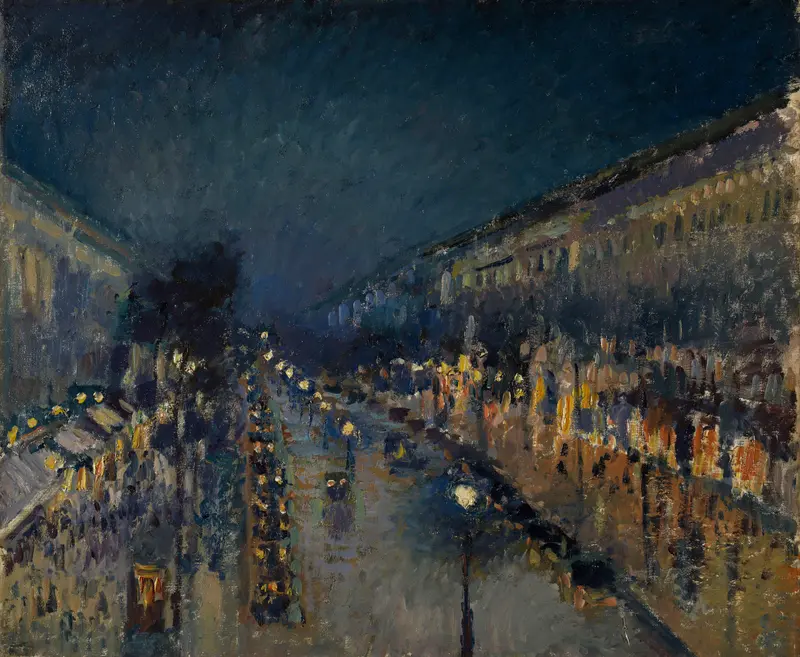
The Boulevard Montmartre at Night
Camille Pissarro

Boulevard des Italiens,Morning_Sunlight
Camille Pissarro

Boulevard Montmartre, Spring
Camille Pissarro
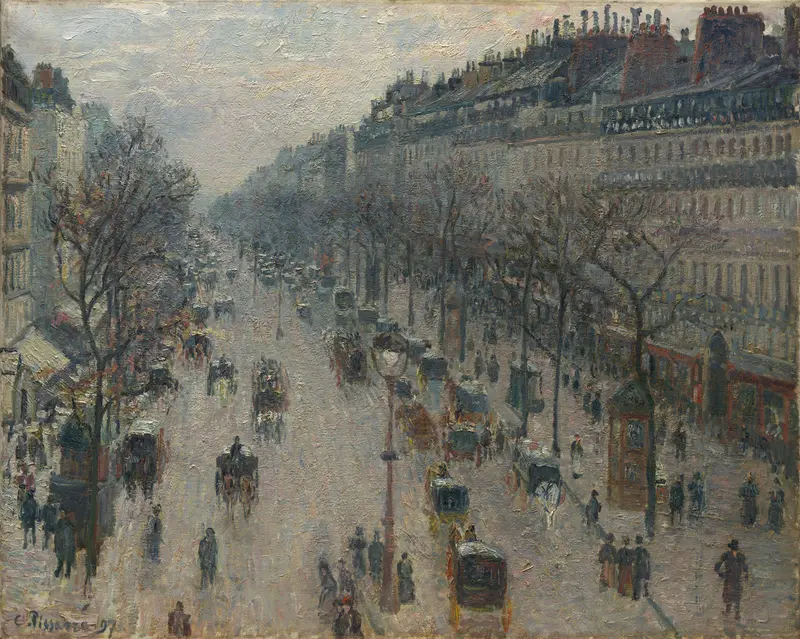
The Boulevard Montmartre on a Winter Morning
Camille Pissarro
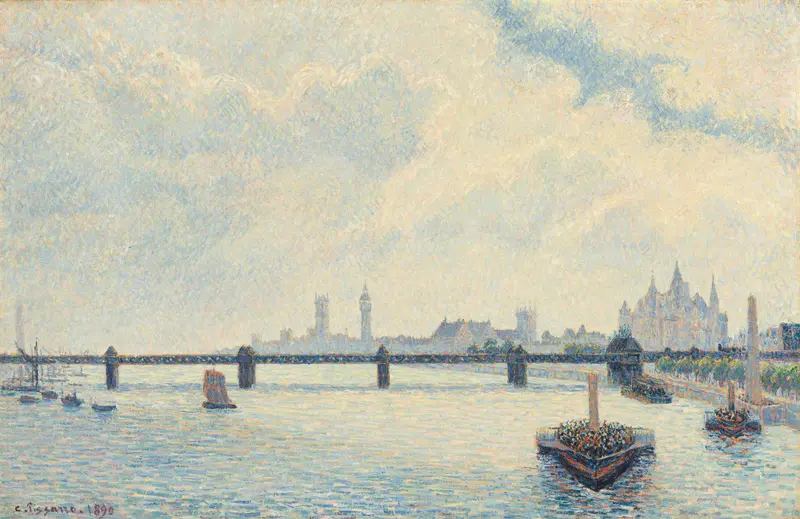
Charing Cross Bridge,London
Camille Pissarro
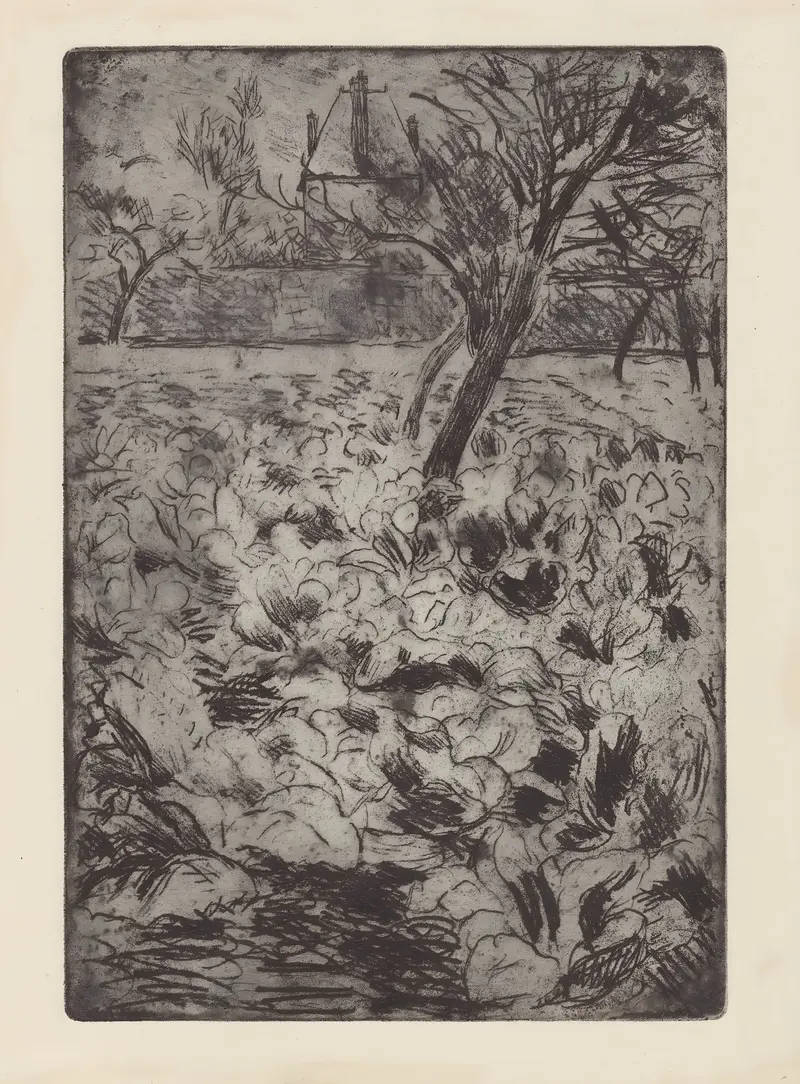
Le champ de choux
Camille Pissarro
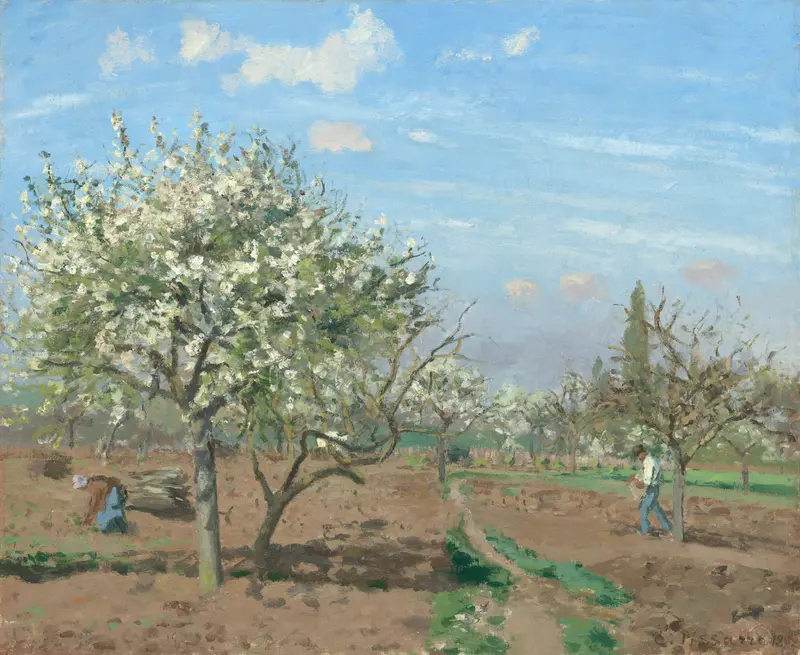
Orchard in Bloom,Louveciennes
Camille Pissarro
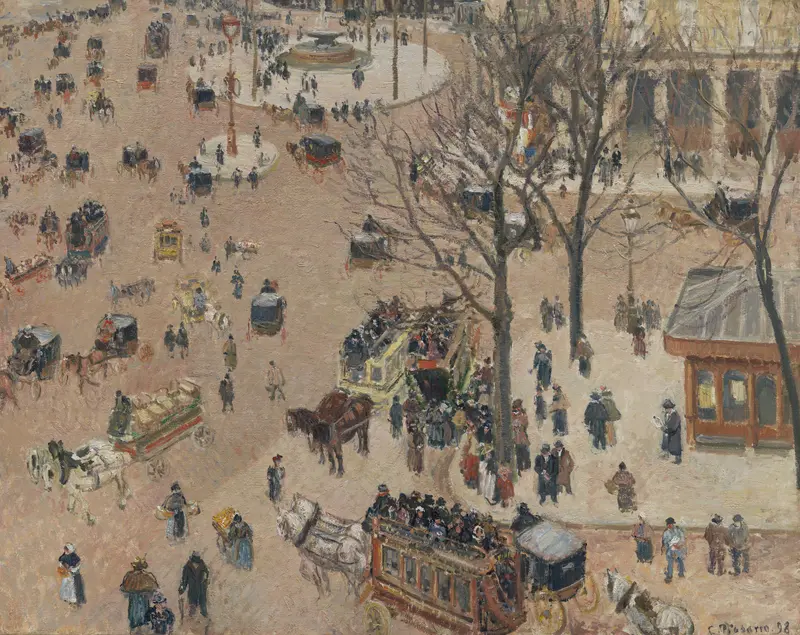
La Place du Théâtre Français
Camille Pissarro

The Pond at Montfoucault, Effect of Winter
Camille Pissarro
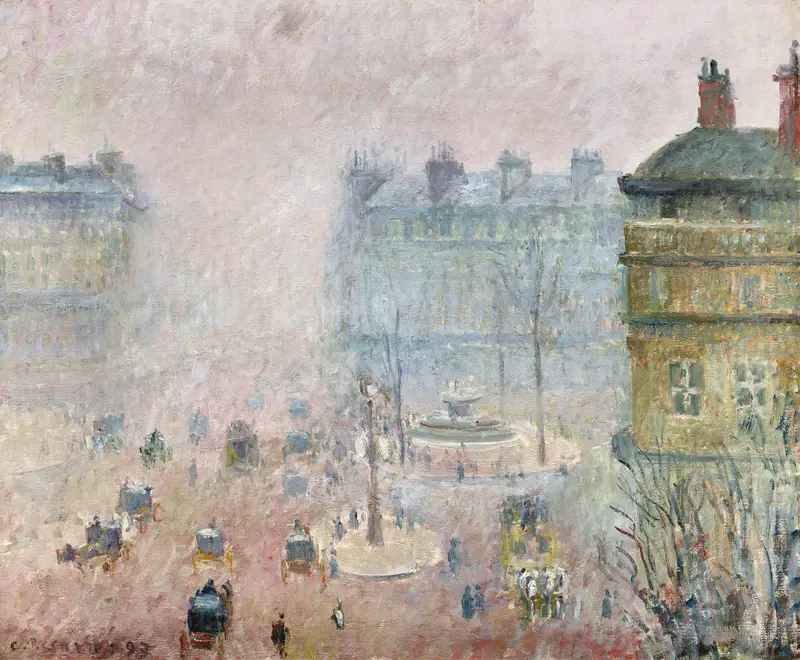
Place du Theatre Francais,Fog Effect
Camille Pissarro
More Landscape Art

The Starry Night
Vincent van Gogh

View of Delft
Johannes Vermeer

Water Lilies
Claude Monet

The Grand Canal, Venice, looking north-west from the Ca' Corner to the Ca' Contarini degli Scrigni, with the campanile of Santa Maria della Carità
Canaletto

Windsor Castle
Canaletto

The Grand Canal looking North-East from the Palazzo Dolfin-Manin to the Rialto Bridge
Canaletto