
Soldaat en de Dood — History & Facts
In the haunting stillness of Soldaat en de Dood, a soldier stands face to face with mortality, a stark reminder of life’s fragility and the inevitability of death. The tension hangs palpably in the air, where vibrant hues contrast sharply with the somber message that looms behind the soldier’s resolve. Look to the left at the soldier's determined expression, etched with both valor and trepidation. Notice how the light falls across his armor, creating a reflective surface that mirrors his inner conflict.
The background fades into muted shadows, emphasizing the soldier’s form, while the personification of Death, draped in a billowing black cloak, emerges beside him, a sinister yet captivating figure. The careful arrangement of space draws the eye toward the central confrontation, making the moment not just a scene, but a dialogue teetering on the brink of annihilation. Hidden within the details lies a complex interplay of emotions. The soldier’s steadfast gaze is met with Death’s indifferent stare, suggesting an unspoken challenge—will he embrace fate or resist it? The contrasting colors heighten this tension: warm, living tones clash against the cold palette of death, symbolizing the struggle between life and the inexorable grasp of mortality.
Each brushstroke resonates with the weight of choice, illuminating the fragile boundary between existence and oblivion. Created in 1547, Soldaat en de Dood reflects Hans Holbein’s expertise during a time of artistic evolution in Northern Europe. Holbein was immersed in the cultural transitions sparked by the Reformation, which prompted a reevaluation of life, death, and morality. In this work, he encapsulated his contemporaries' anxieties, capturing the essence of a world in flux where art became a conduit for profound existential reflection.
More Artworks by Hans Holbein (II)
Browse all →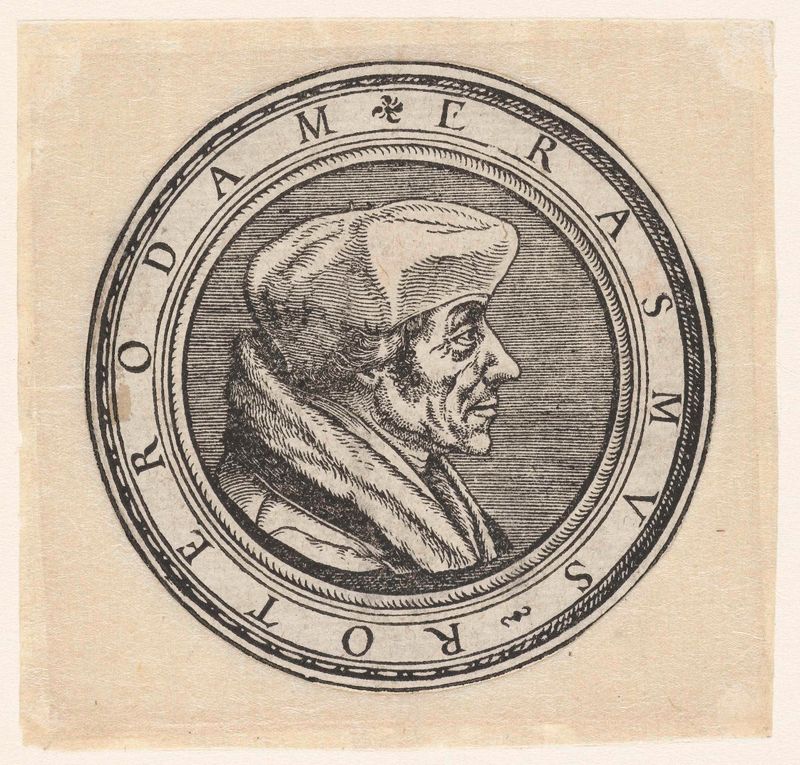
Portret van Erasmus
Hans Holbein (II)
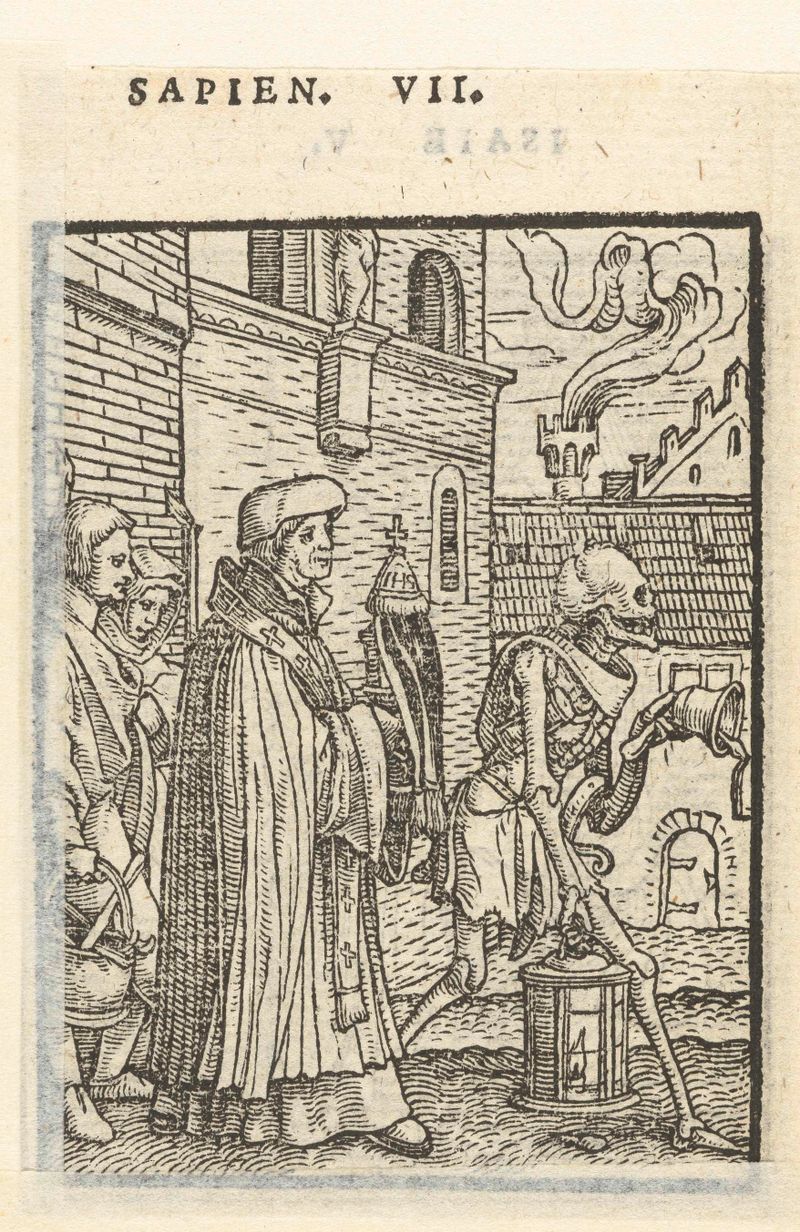
Priester en de Dood
Hans Holbein (II)
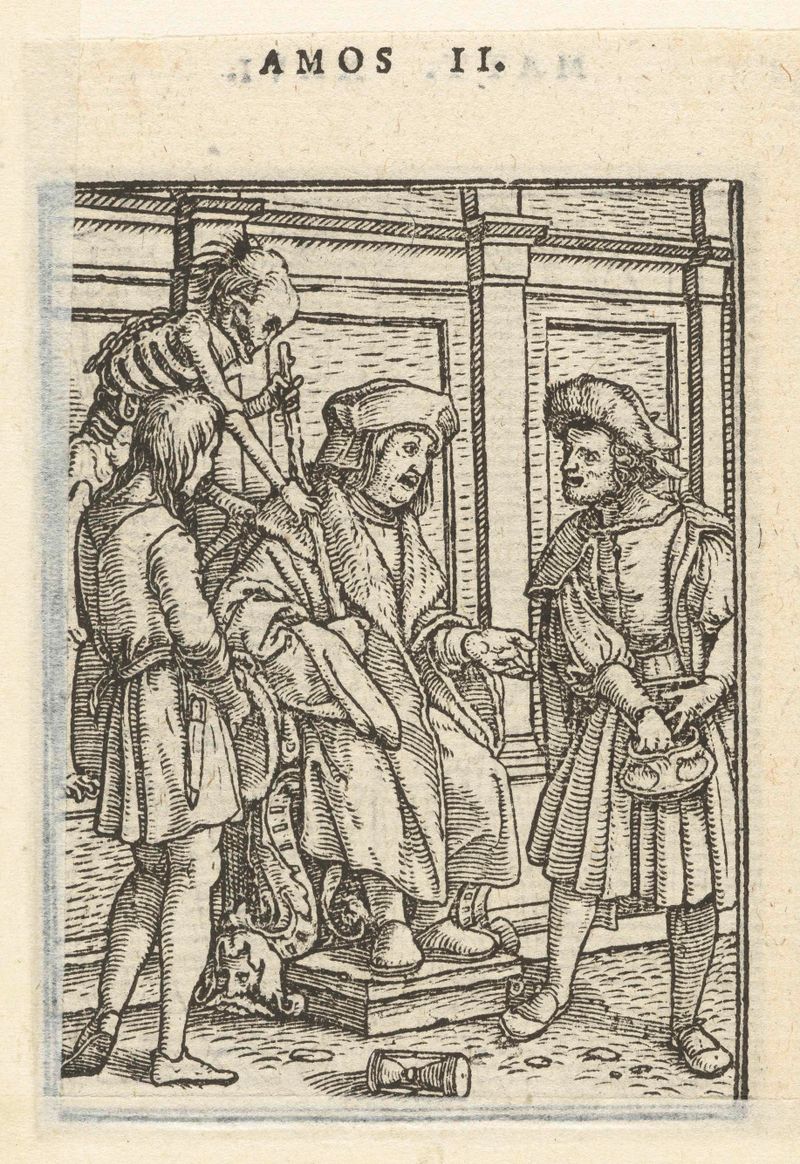
Rechter en de Dood
Hans Holbein (II)
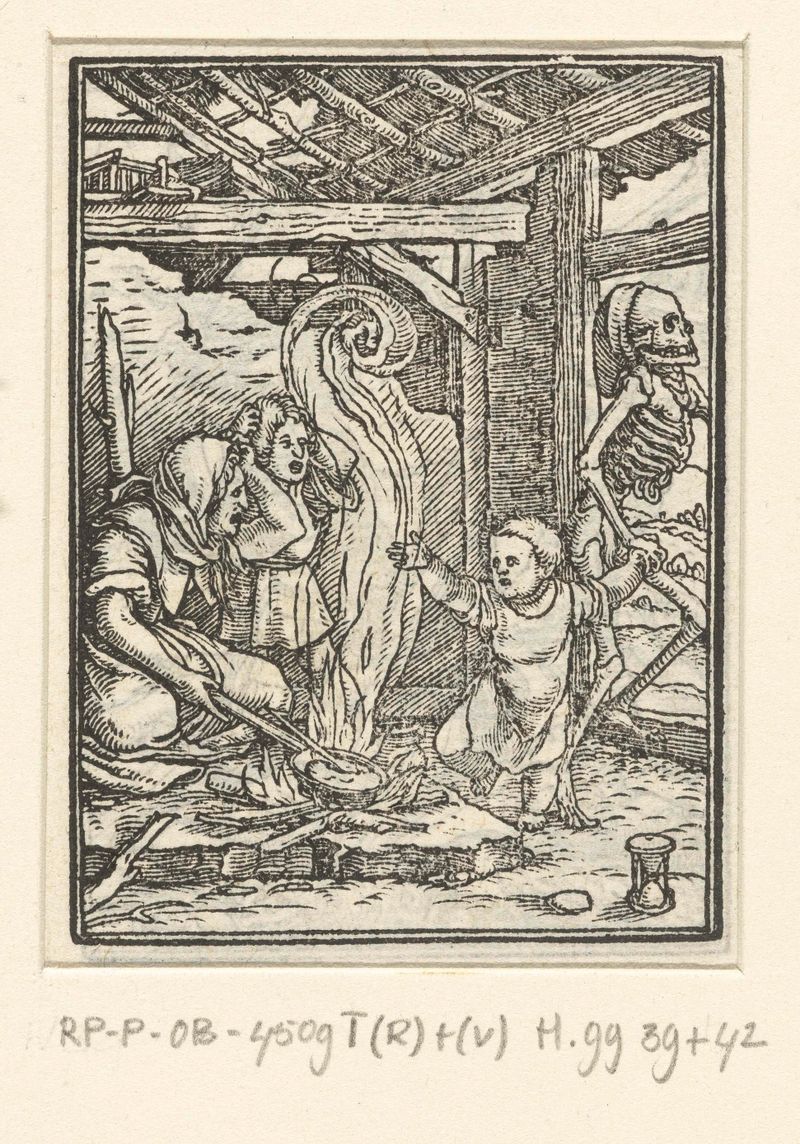
Kind en de Dood
Hans Holbein (II)
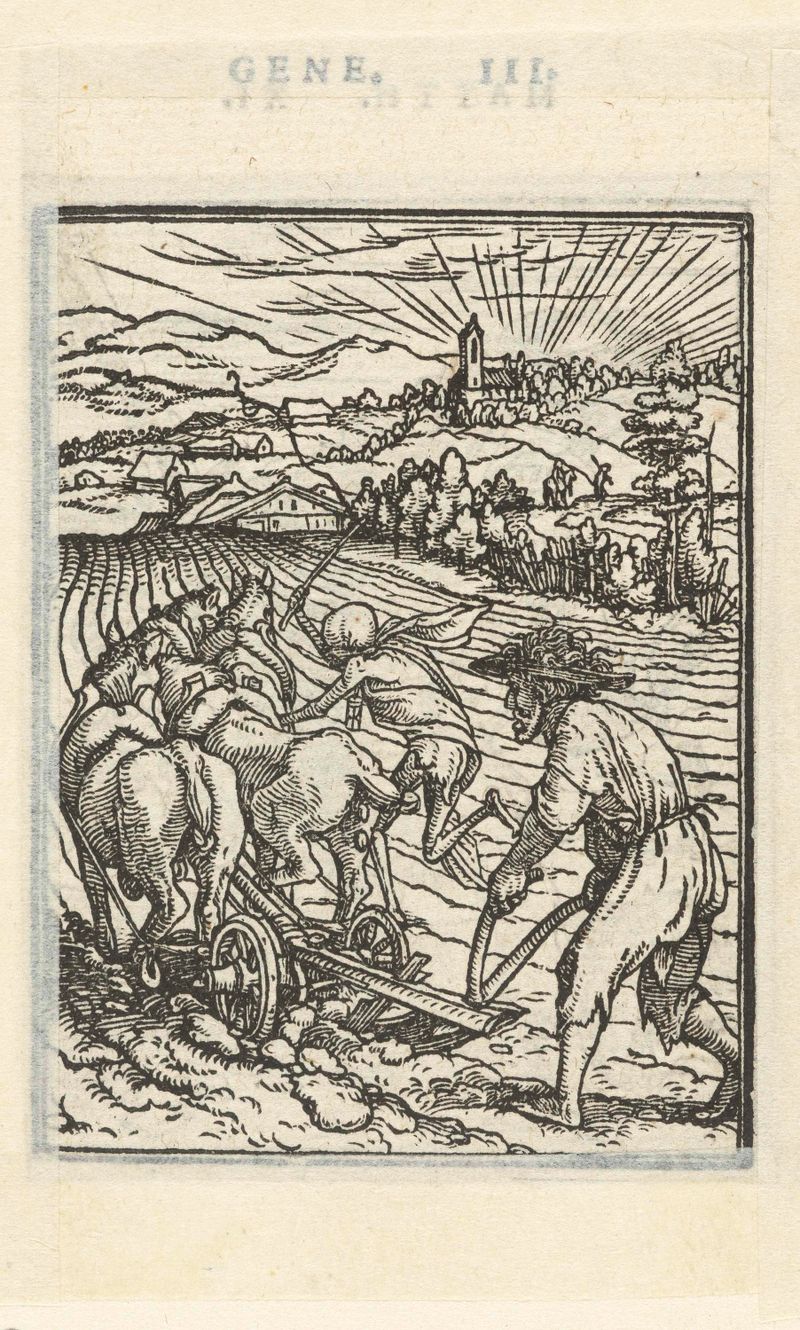
Boer en de Dood
Hans Holbein (II)
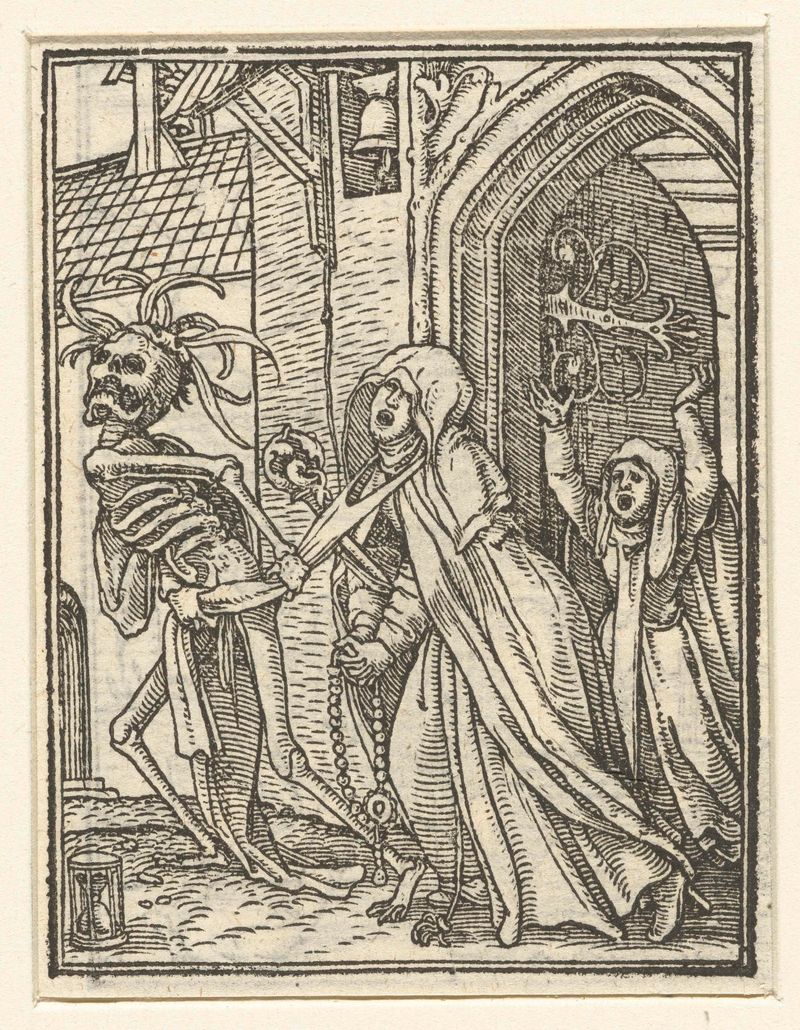
Abdis en de Dood
Hans Holbein (II)
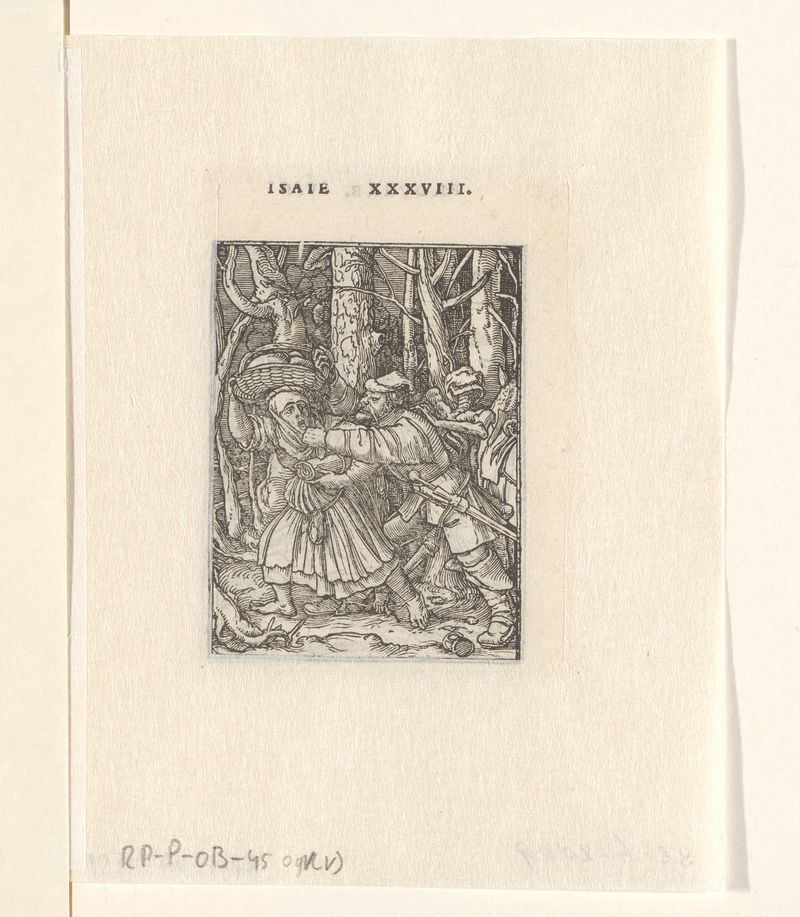
Dief en de Dood
Hans Holbein (II)
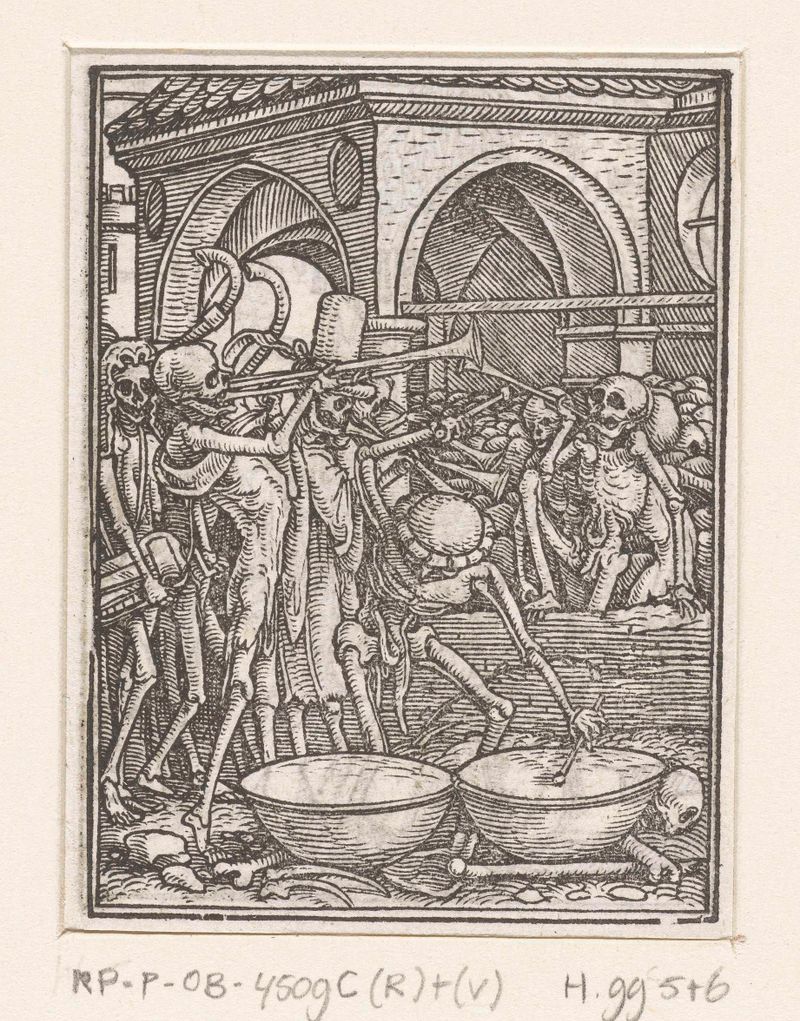
Skeletons Making Music from Dance of the Dead
Hans Holbein (II)
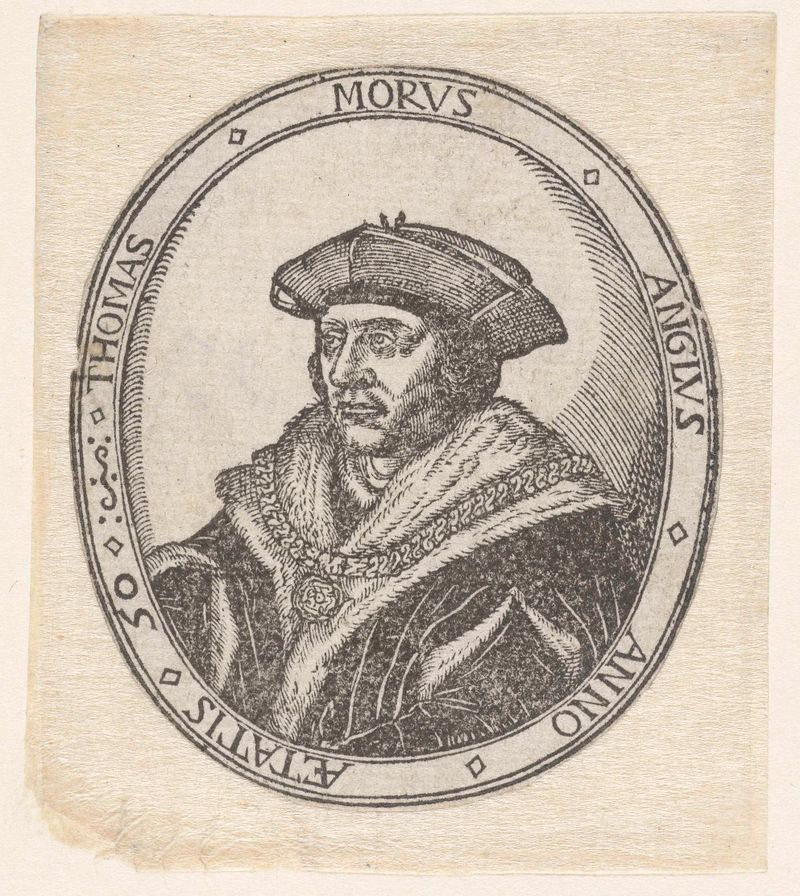
Portret van Thomas More
Hans Holbein (II)
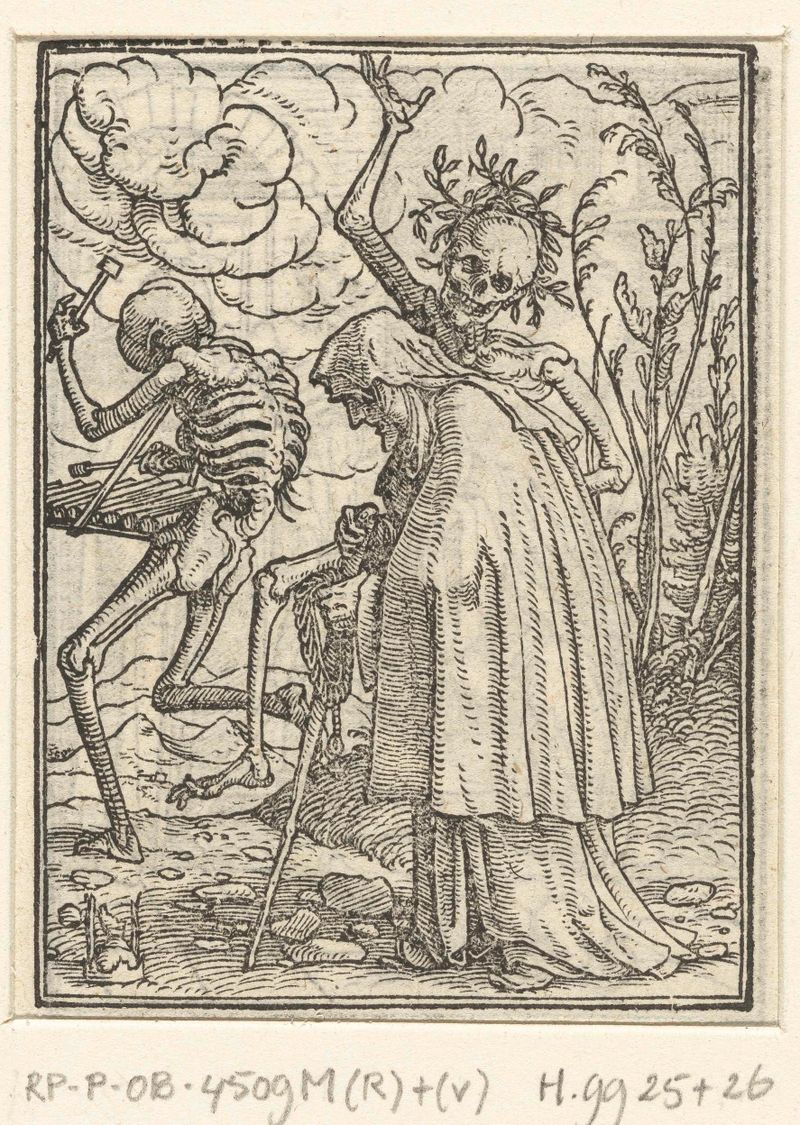
Oude vrouw en de Dood
Hans Holbein (II)
More Historical Art
Browse all →
The Night Watch Militia Company of District II under the Command of Captain Frans Banninck Cocq
Rembrandt van Rijn

Lincoln Memorial
Henry Bacon

The Third of May 1808
Francisco de Goya

Isaac and Rebecca, Known as ‘The Jewish Bride’
Rembrandt van Rijn

The Charge of the Mamelukes (1814)
Francisco de Goya

De vier ruiters van de apocalyps
Albrecht Dürer