
Soldier on Watch — History & Facts
Few works by Gustave Van de Woestijne have sparked as much speculation as Soldier on Watch, largely because both its date and intended meaning remain elusive. The painting’s enigmatic air is heightened by the absence of any commission records or contemporary reviews, leaving art historians to piece together its origins from scant evidence. What is certain is that the soldier’s solitary vigil has become an emblem of Van de Woestijne’s fascination with isolation and psychological depth—a hallmark of his career in early 20th-century Belgium. The scene captures a lone sentry, upright and rigid, eyes fixed on a horizon beyond the viewer’s reach.
His uniform, rendered with meticulous care, suggests no specific army or era, making him an everyman caught in perpetual alertness. The muted palette and stark lighting emphasize the tension between duty and vulnerability, while the barren landscape behind him offers no comfort or distraction. Unlike the heroic, bustling soldiers in Jean-Louis-Ernest Meissonier’s military scenes, Van de Woestijne’s figure is stripped of context and comradeship, his watch transformed into an existential state rather than a historical episode. Little is known about the early life of Soldier on Watch as an object.
No records tie it to a particular patron or exhibition, and its medium—whether oil, tempera, or another technique—remains uncertain due to limited documentation. The painting’s anonymity in public collections hints that it may have remained in private hands for decades, surfacing only in recent scholarship on Van de Woestijne’s exploration of solitude and identity. Today, it stands as a quiet testament to the artist’s ability to imbue ordinary figures with a haunting psychological presence, bridging the gap between Symbolism and the stark realities of the modern world.
More Artworks by Gustave Van de Woestijne
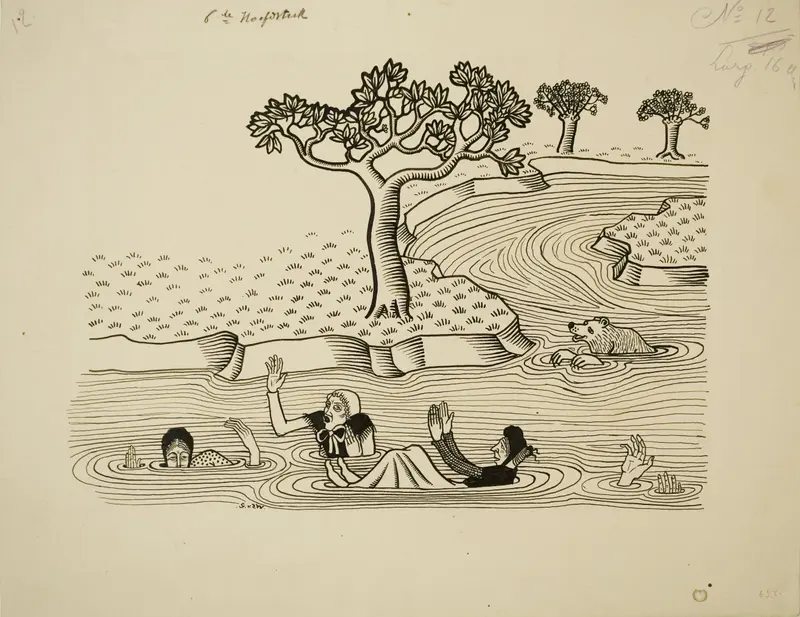
How Brown went out with Reynard where he thought he was eating honey and how he was caught by head and feet and suffered further misfortune
Gustave Van de Woestijne
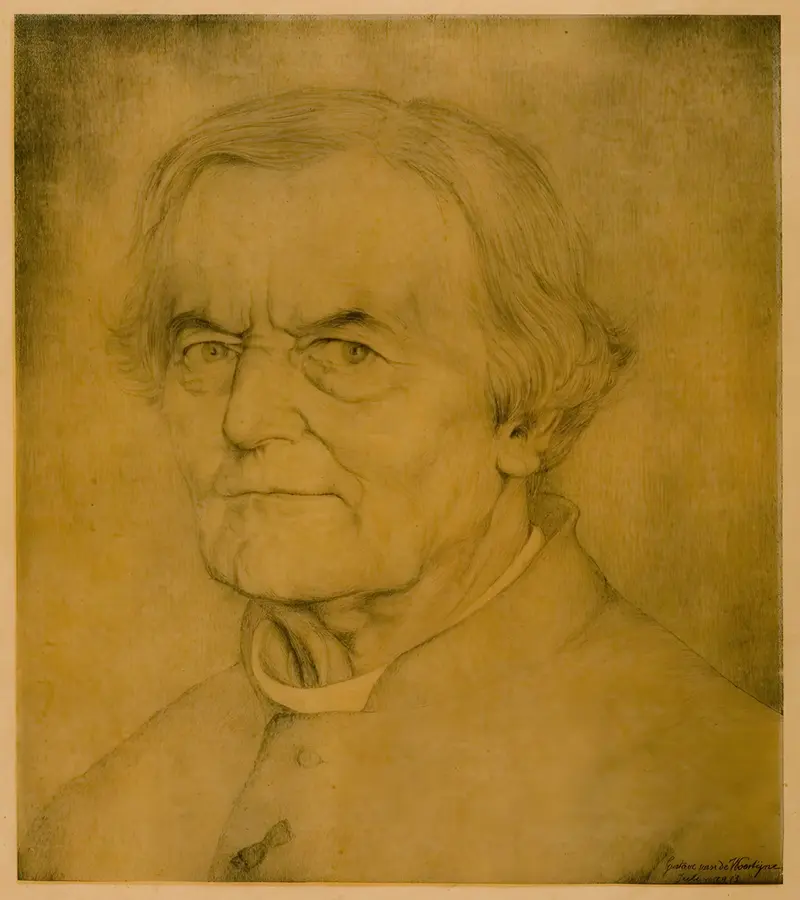
Portrait of Hugo Verriest
Gustave Van de Woestijne
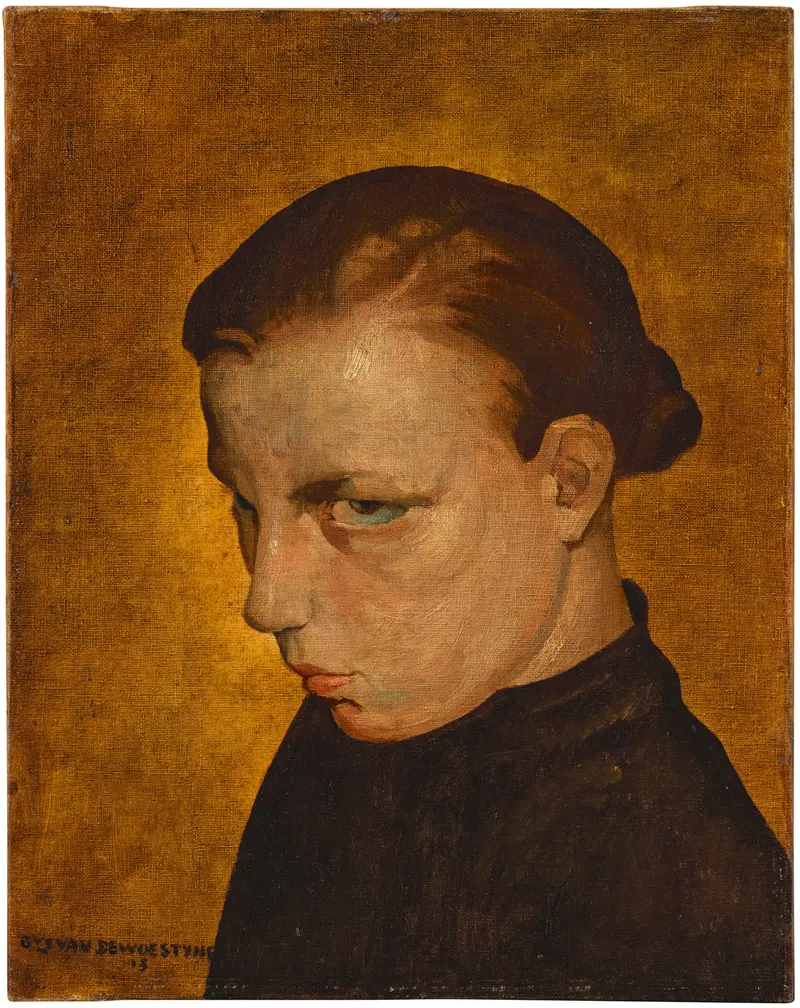
Angèle
Gustave Van de Woestijne
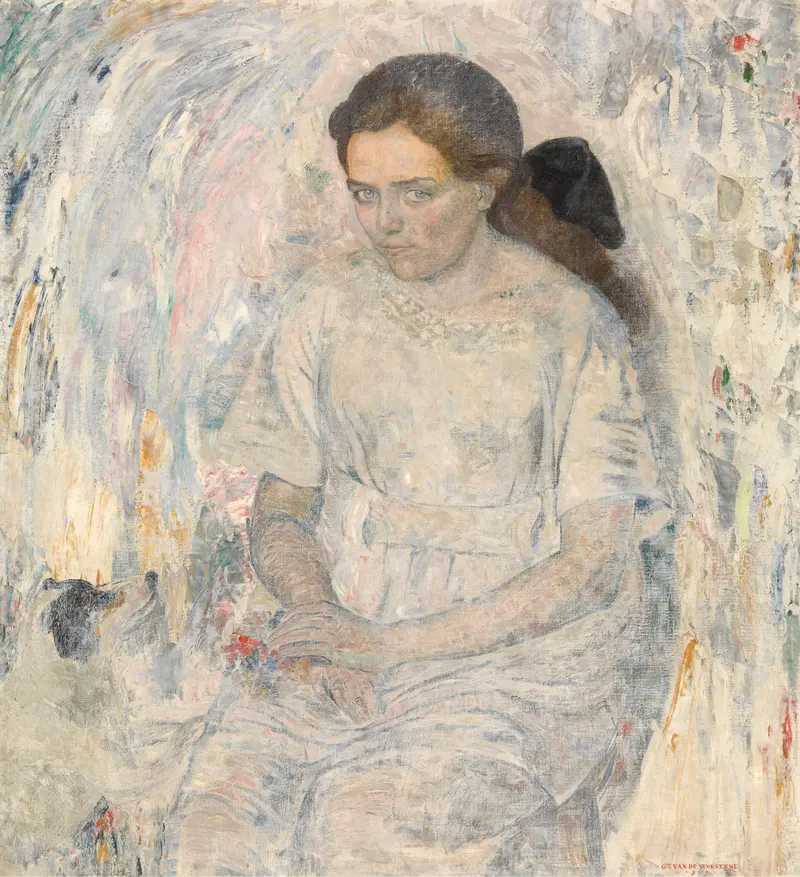
Adrienne
Gustave Van de Woestijne
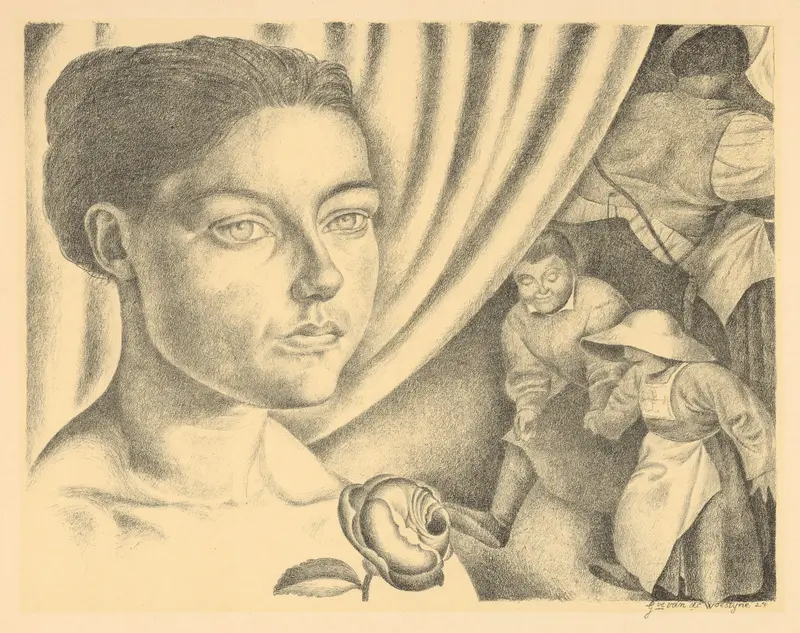
Jeune Femme
Gustave Van de Woestijne
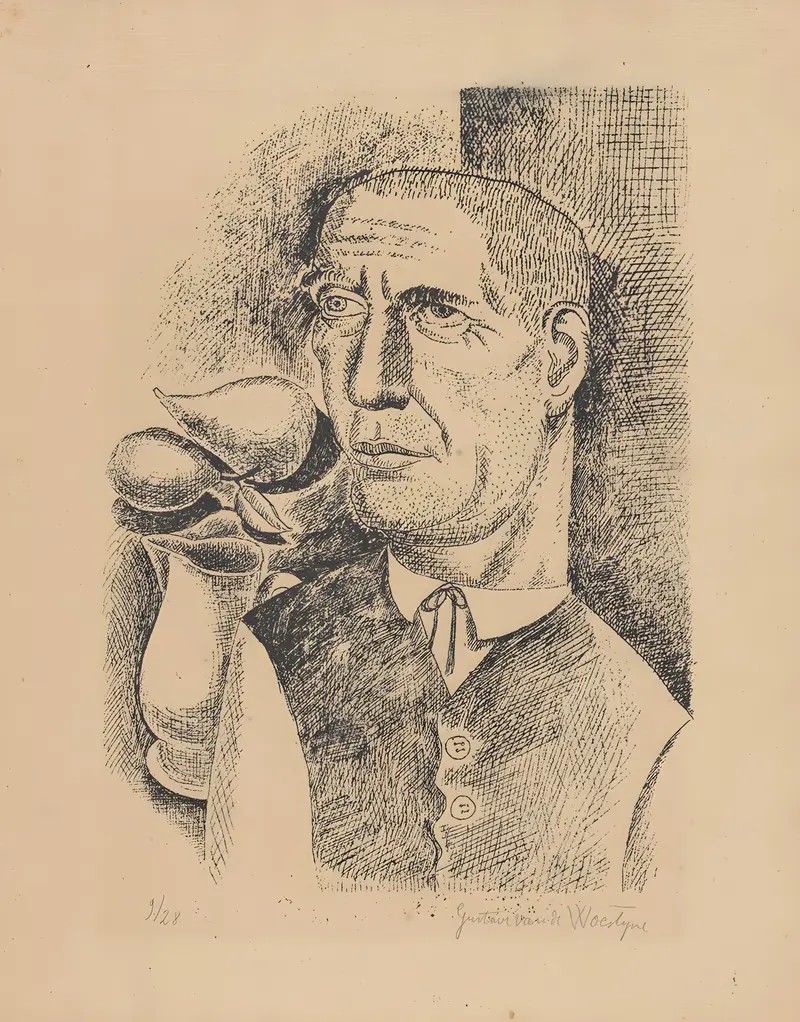
Boer op zijn zondags (Paysan endimanché)
Gustave Van de Woestijne
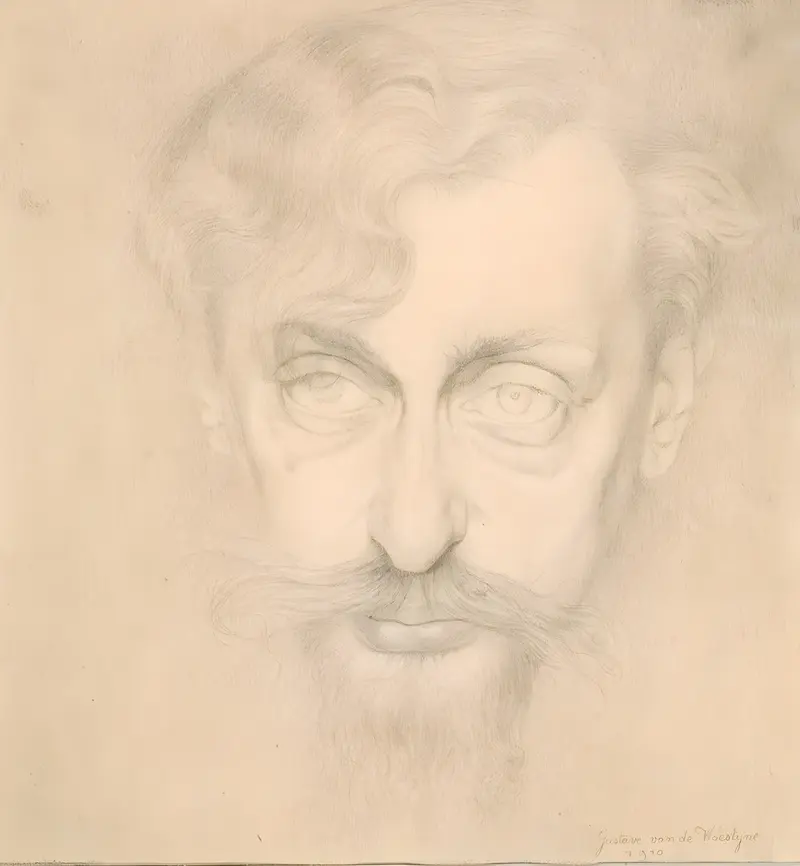
Portrait of the Writer Karel van de Woestijne
Gustave Van de Woestijne
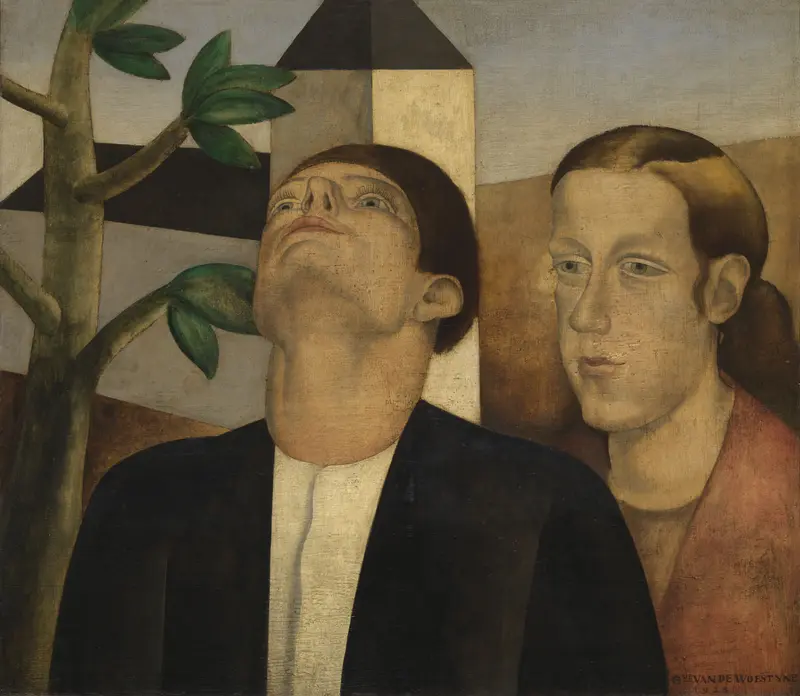
Azure
Gustave Van de Woestijne
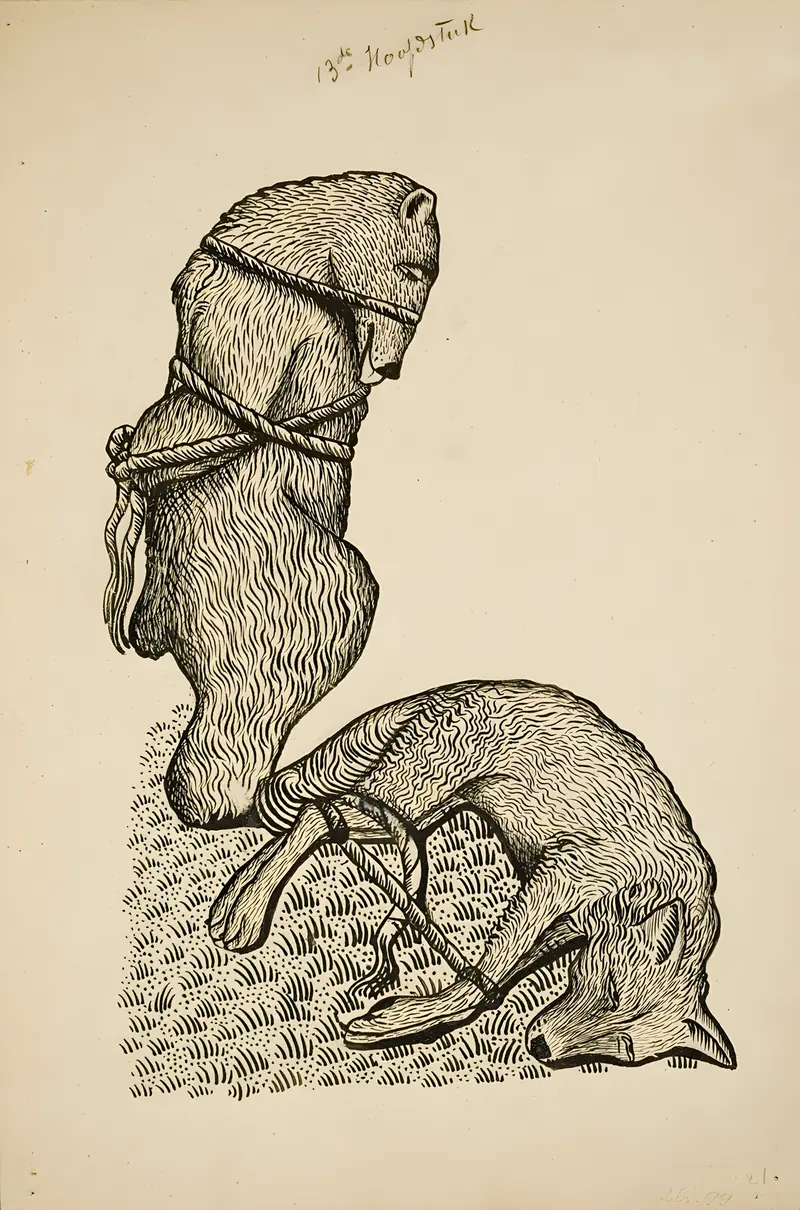
How Reinaert devises a new trick to get free and exterminate his enemies
Gustave Van de Woestijne
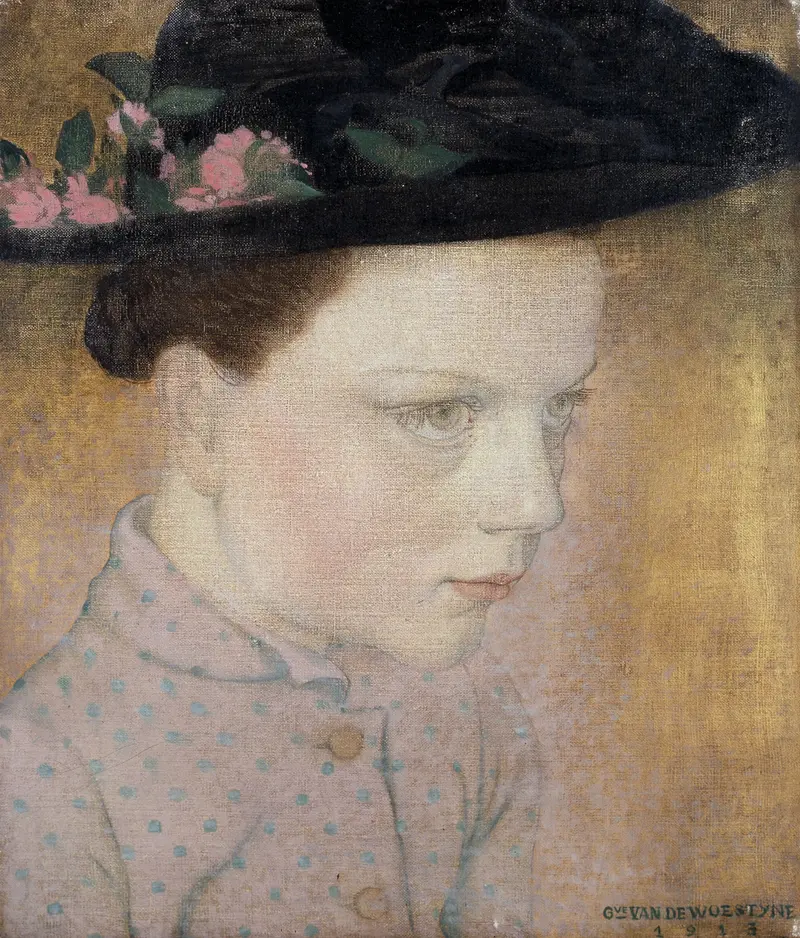
Country Girl
Gustave Van de Woestijne



