
Sommerabend — History & Facts
In Sommerabend, the essence of movement transforms the tranquil evening into a symphony of color and emotion. Look to the left at the sweeping strokes that define the tall grasses swaying in the gentle breeze. Notice how the soft golden light of dusk wraps around the forms, creating a warm embrace that invites the viewer into this serene landscape. The rich palette of greens and yellows contrasts beautifully with the muted blues of the encroaching twilight sky, establishing a harmonious balance between day and night.
Each brushstroke seems to pulse with life, echoing the quiet whisper of nature. Deep within the tranquility lies a tension—a fleeting moment caught between the vibrancy of day and the calm descent into night. The interplay of light suggests both the presence of life and the ephemeral nature of existence. The undulating lines of the foreground conjure a sense of movement, reminding us of the inevitability of change.
Despite the peaceful scene, the viewer can't help but feel the urgency that lingers in the fading light. In 1886, Otto Modersohn painted this piece while living in Worpswede, a small artist community in northern Germany. During this period, he was deeply influenced by the burgeoning Impressionist movement, which sought to capture the transient effects of light and atmosphere in landscapes. Modersohn's works often reflect his introspective nature and his desire to depict the world around him with authenticity, allowing him to express both his emotional response and a deep appreciation for the natural beauty that surrounded him.
More Artworks by Otto Modersohn
Browse all →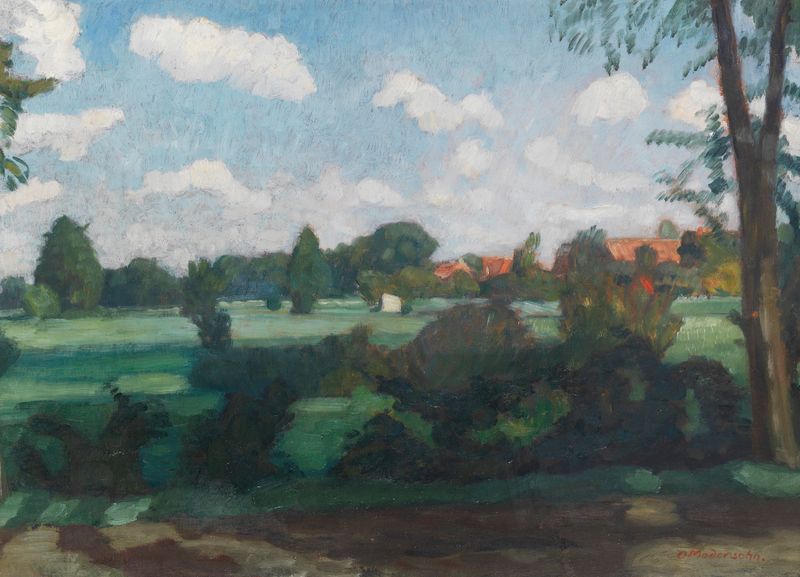
Sommerliche Wiesen bei Fischerhude
Otto Modersohn
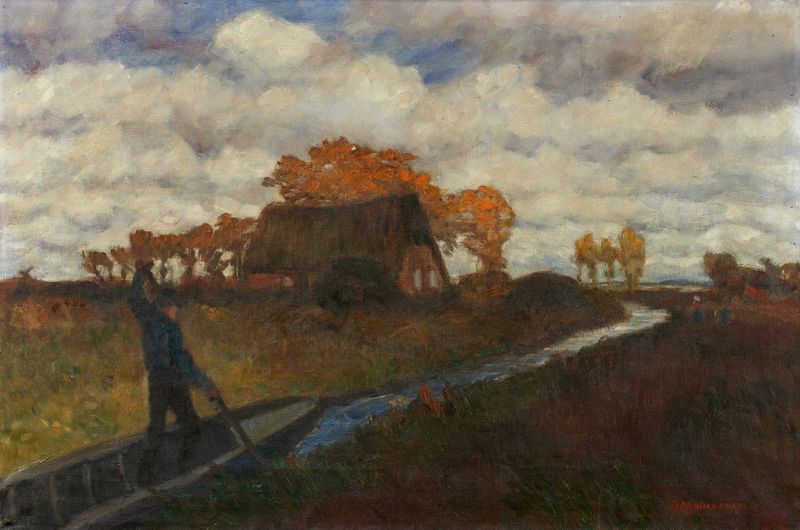
Herbstwetter
Otto Modersohn
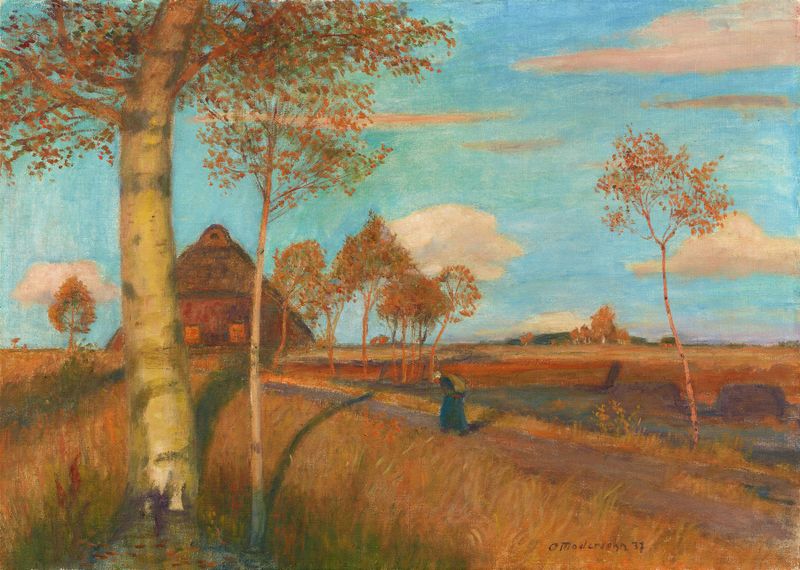
Abendsonne im Moor
Otto Modersohn
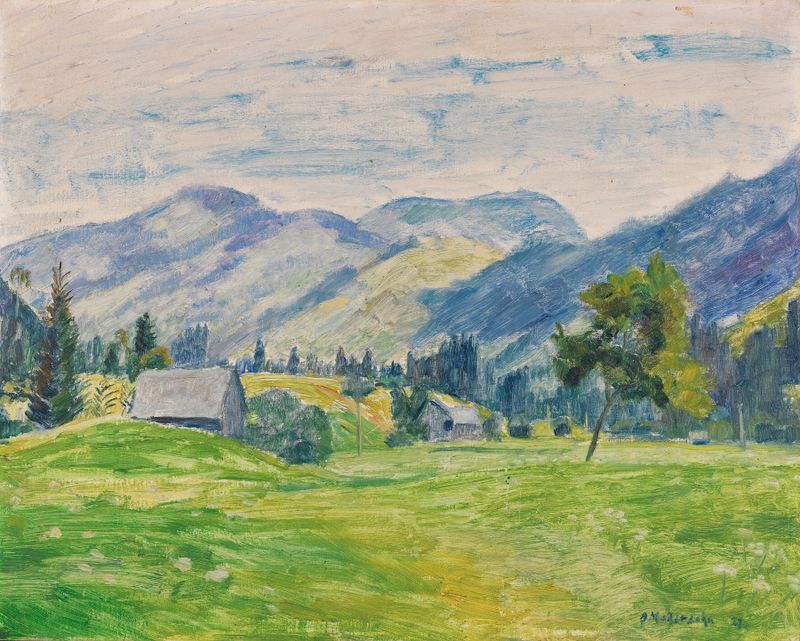
Lichter Sommertag im Allgäu (Unterjoch bei Hindelang)
Otto Modersohn
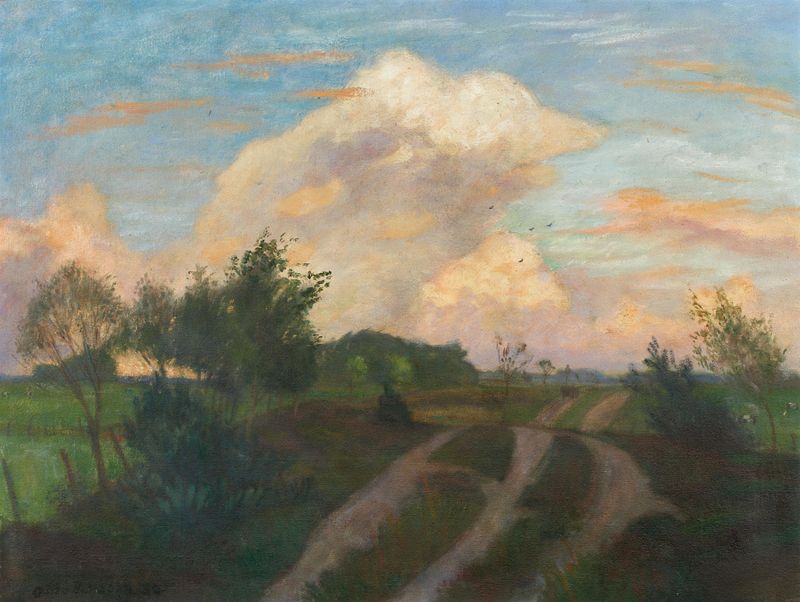
Sommerabend in der Surheide
Otto Modersohn
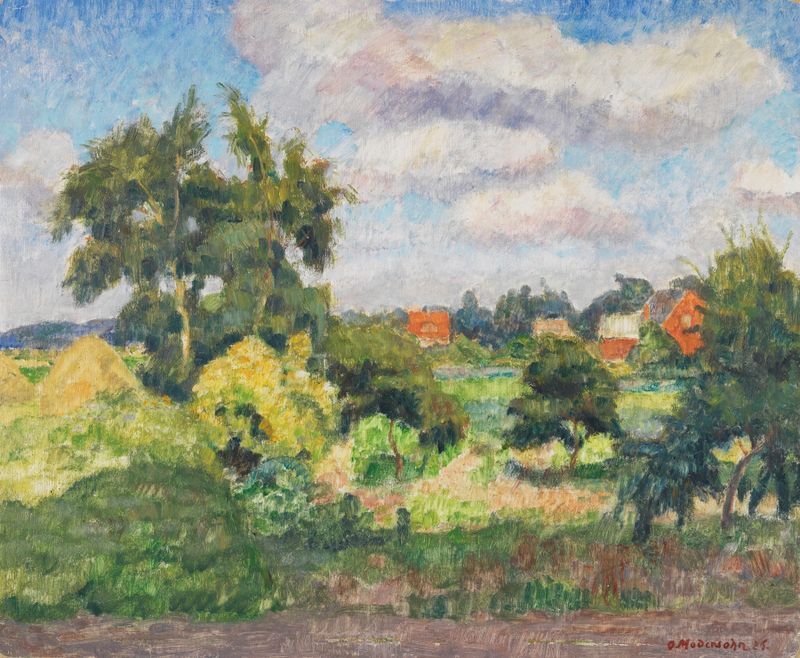
Sommertag in den Feldern bei Fischerhude
Otto Modersohn
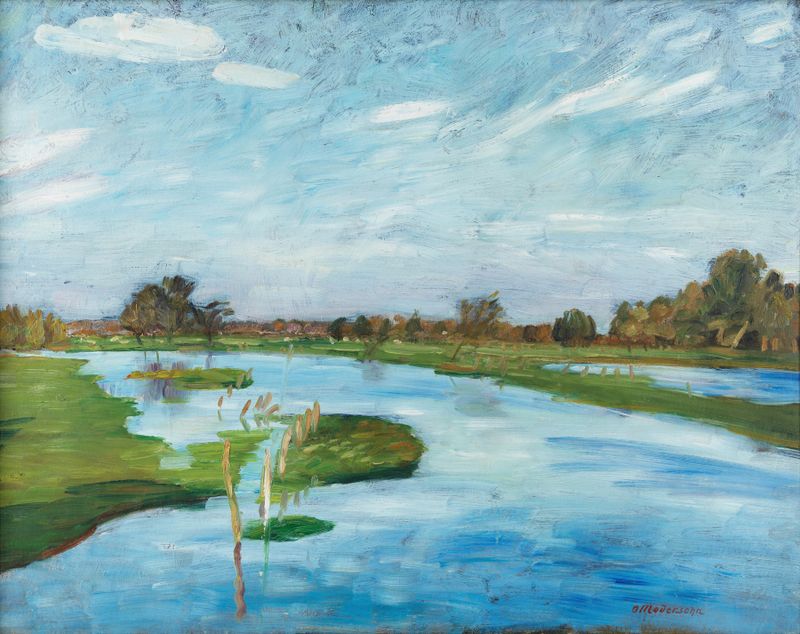
Überschwemmte Wümmewiesen
Otto Modersohn
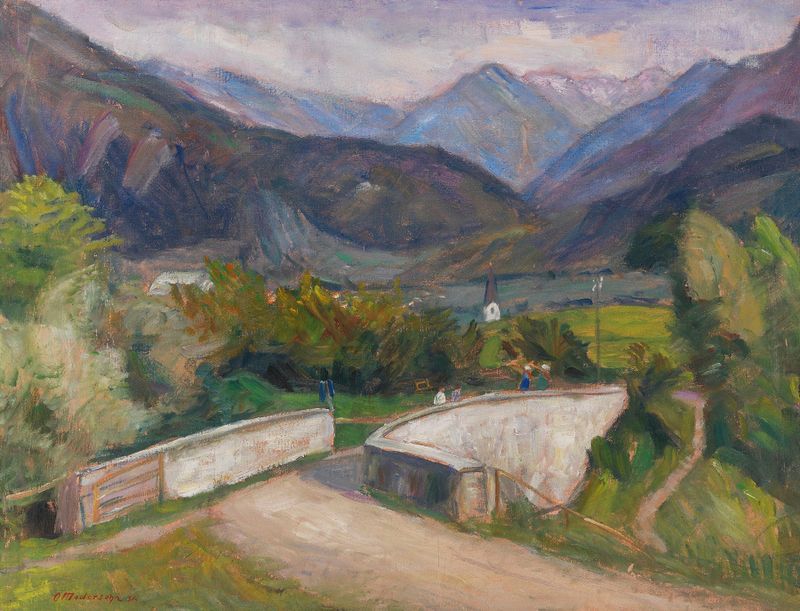
Zillenbachbrücke (Weg nach Gailenberg oberhalb von Hindelang im Allgäu)
Otto Modersohn
Winterabend, Fischerhuder Kirche mit Heimathaus
Otto Modersohn

Frühling
Otto Modersohn





