
Sommerlandschaft — History & Facts
In Sommerlandschaft, beauty is painted not just on the canvas but woven through the very essence of nature itself. Look to the left at the vibrant fields, where golden yellows and ochres flow seamlessly into each other, reflecting the warmth of a sunlit afternoon. The gentle undulations of the hills guide your gaze toward a tranquil horizon, where the sky meets the earth in soft blues and wisps of white clouds. Each brushstroke is deliberate, capturing the texture of the landscape, while the light dances upon the grassy knolls, instilling a sense of serenity and harmony throughout the scene. Yet, amidst this idyllic charm lies a subtle tension.
The contrast between the bright, inviting foreground and the cooler tones of the distant hills evokes a complex interplay of warmth and distance, suggesting a longing for connection to what lies beyond. The viewer is left pondering the ephemeral nature of this beauty, as the enchanting colors vibrate with life yet hint at the fleeting passage of time. Here, the landscape not only represents a physical space but also becomes a metaphor for the human experience, capturing both joy and wistfulness. Remigius Adrianus van Haanen created Sommerlandschaft in 1869, during a period marked by a burgeoning interest in realism and nature in the art world.
Living in the Netherlands, he was immersed in the beauty of the Dutch countryside, which played a pivotal role in shaping his artistic vision. This period was also defined by a shift towards capturing everyday life and natural beauty, as artists sought to convey a deeper connection to the world around them.
More Artworks by Remigius Adrianus van Haanen
Browse all →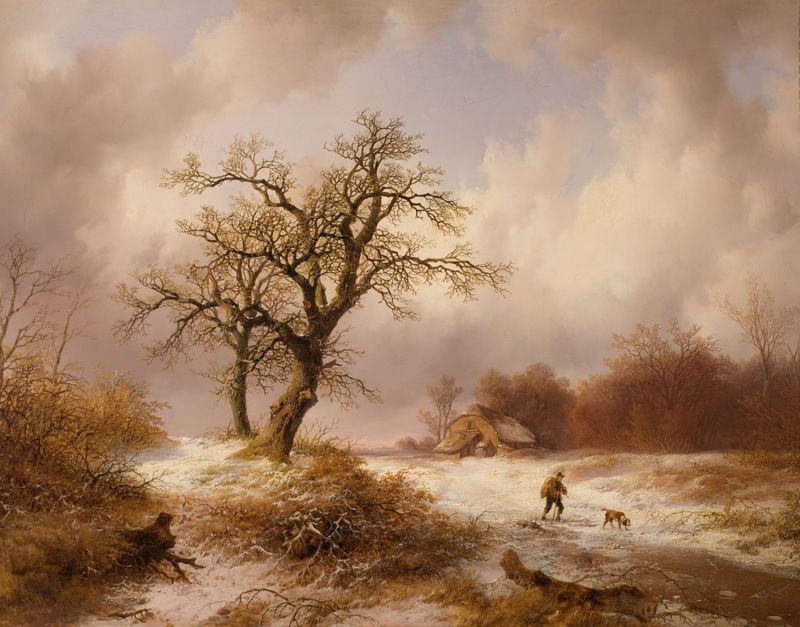
Winterlandschaft
Remigius Adrianus van Haanen
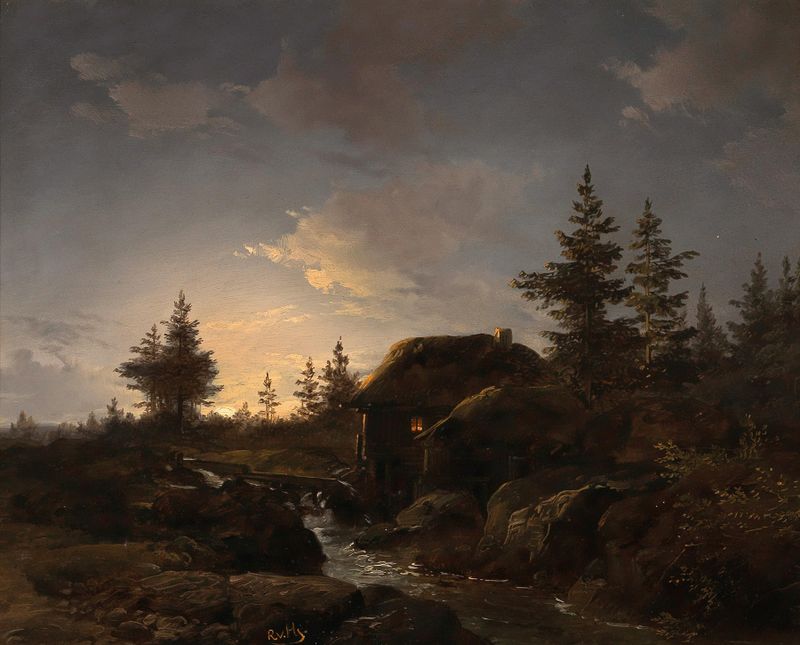
A Moonlit Night
Remigius Adrianus van Haanen
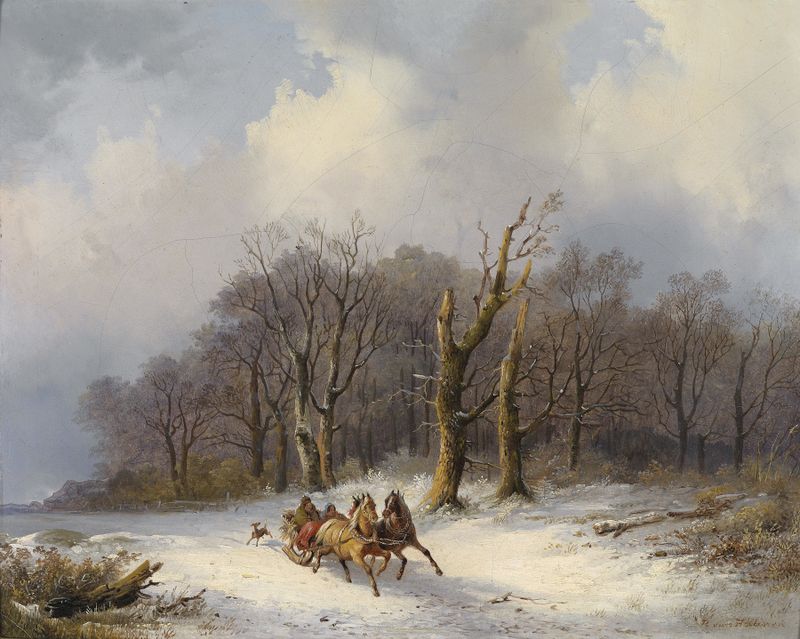
Winterlandschaft mit Pferdeschlitten
Remigius Adrianus van Haanen
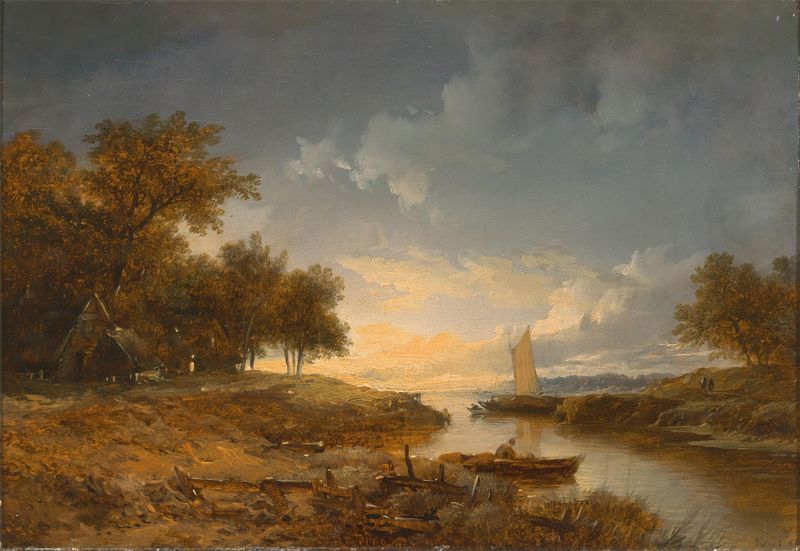
A Dutch River Landscape in the Evening Light
Remigius Adrianus van Haanen
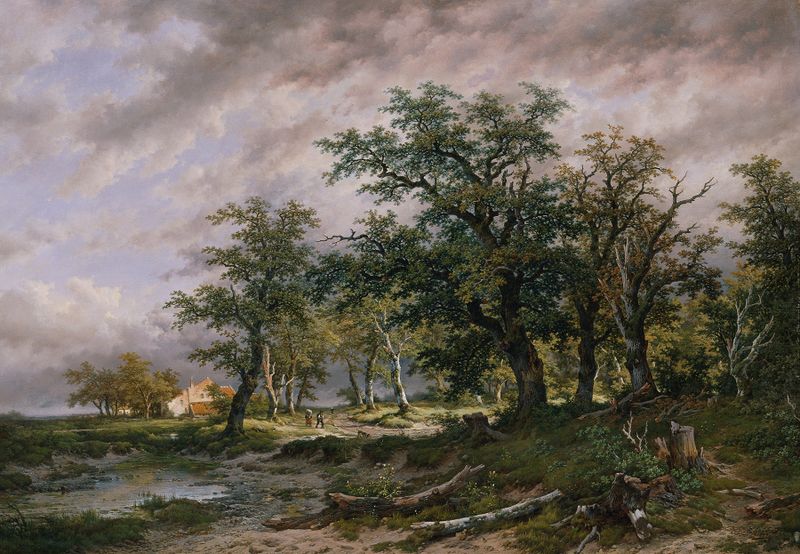
Große holländische Landschaft
Remigius Adrianus van Haanen
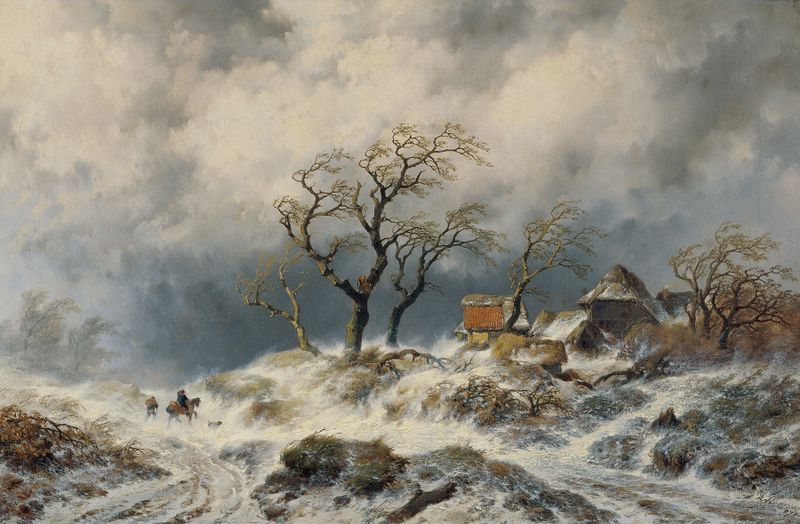
Holländische Winterlandschaft (Schneewehen)
Remigius Adrianus van Haanen
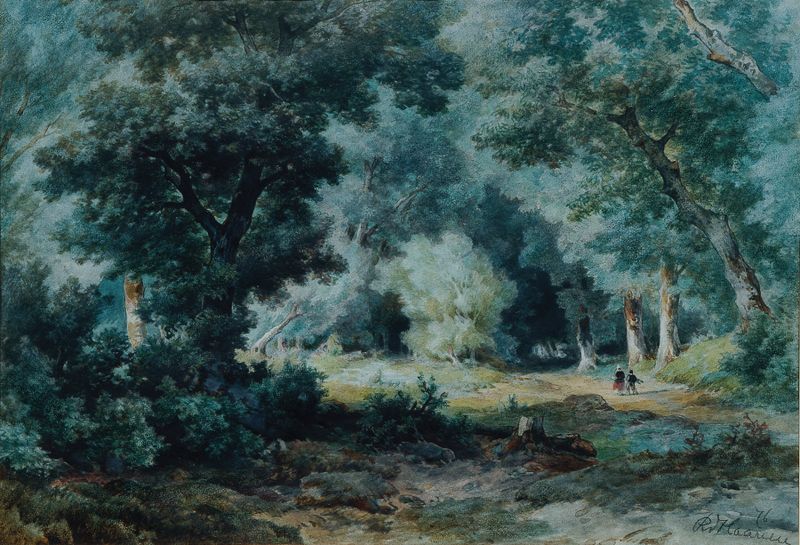
Waldinneres
Remigius Adrianus van Haanen
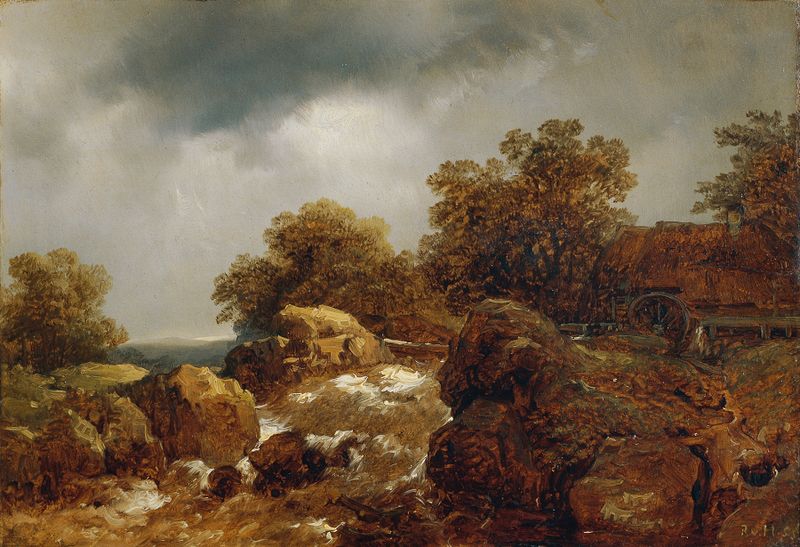
Felsige Landschaft
Remigius Adrianus van Haanen
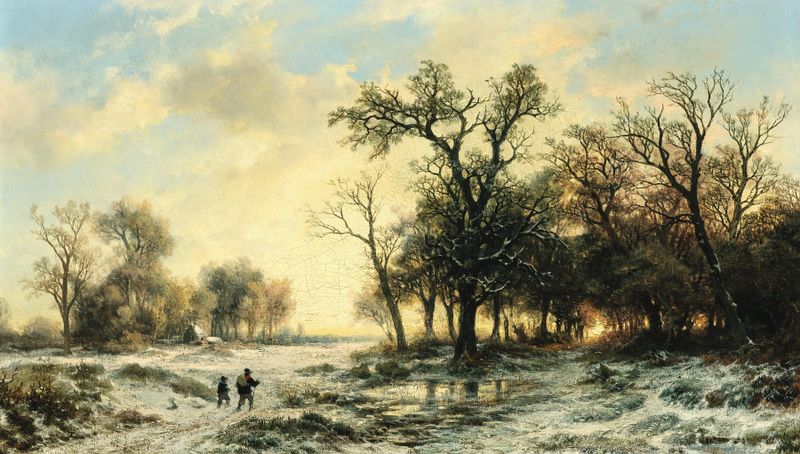
Returning Home at Dusk in Winter
Remigius Adrianus van Haanen
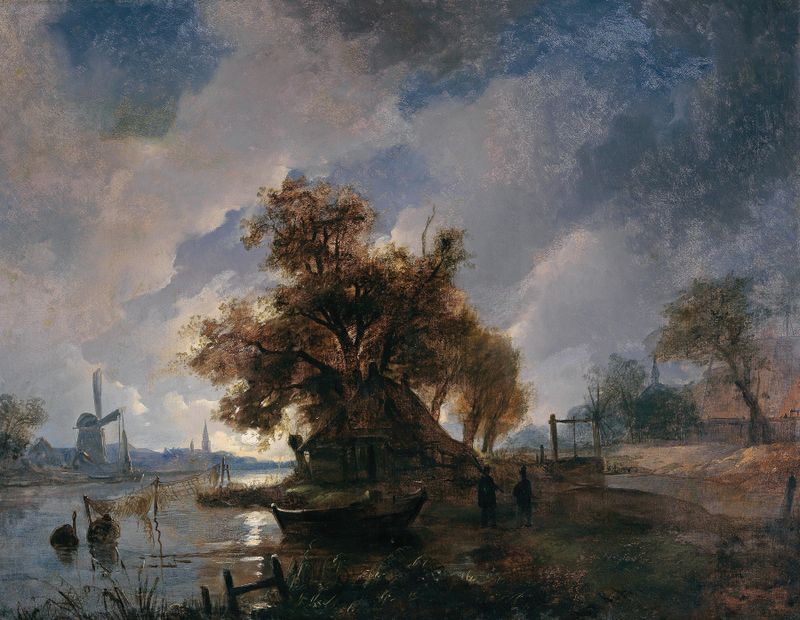
Holländische Flusslandschaft
Remigius Adrianus van Haanen





