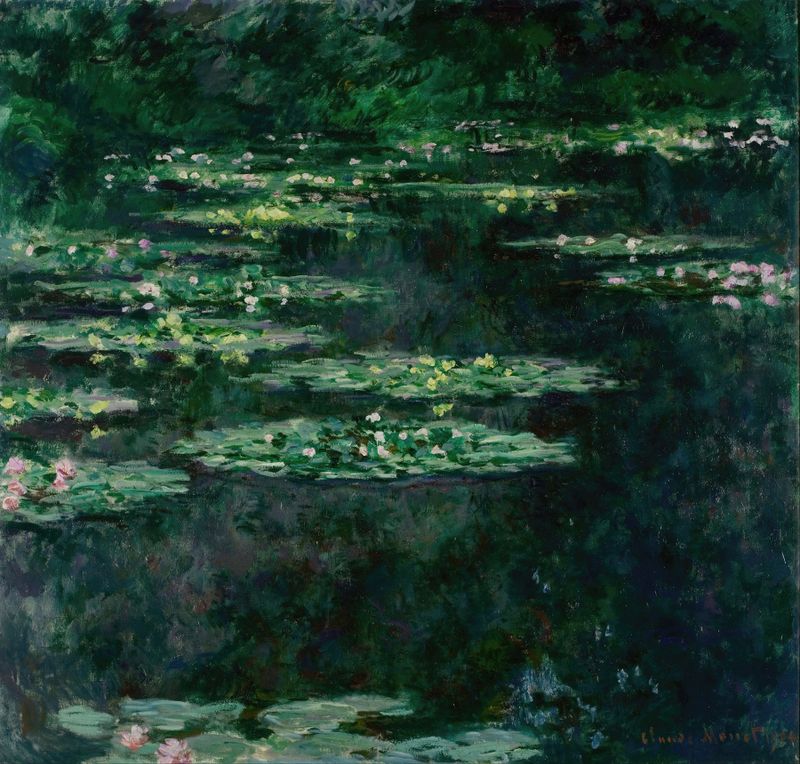
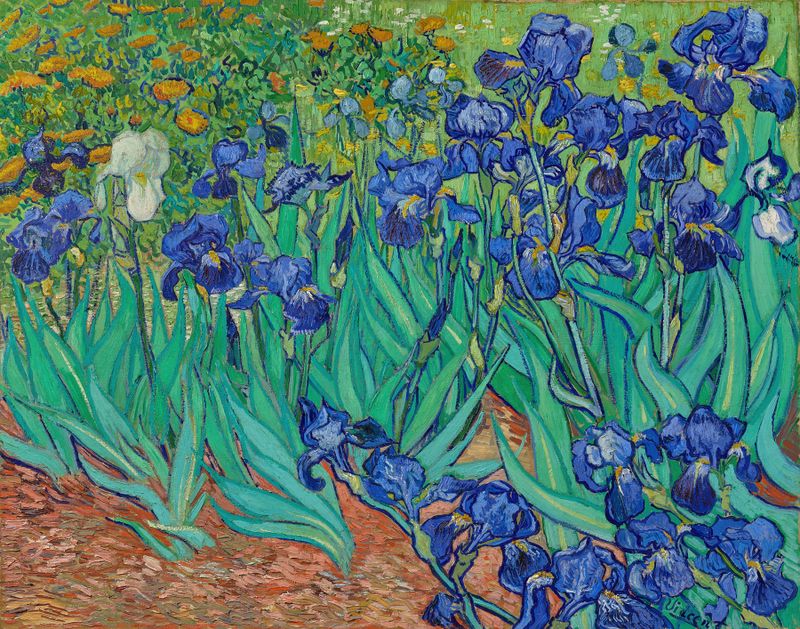
Sonnenblumen im Vorgarten — History & Facts
In Sonnenblumen im Vorgarten, the radiant sunflowers stand tall, their vibrant yellow petals shimmering against a backdrop of gentle earth tones, invoking a bittersweet sense of longing and remembrance. Look to the center of the composition, where the sunflowers unfold in all their glory, each petal alive with meticulous brushstrokes that mimic the dance of light. Notice how the artist uses a palette infused with warmth to convey a sense of nostalgia, while the surrounding foliage recedes into softer, muted greens, creating a striking contrast that draws the eye. The varying heights of the blossoms suggest a natural spontaneity, yet their uniform color hints at a deeper, shared experience of joy and sorrow. In this vibrant display, there lies an emotional tension between flourishing life and the inevitability of loss.
The sunflowers, symbols of loyalty and adoration, stand as a memorial, perhaps reflecting a personal connection to the artist’s past. Each flower’s boldness serves to mask the fragility of life, suggesting that beauty often emerges from the pain of remembrance, while whispers of decay lurk just beneath the surface of their gilded petals. Adolf Kaufmann painted Sonnenblumen im Vorgarten in 1904, during a period of significant artistic exploration in Germany. At this time, the Impressionist movement was influencing many artists, including Kaufmann, who sought to capture both the essence of nature and the emotional landscapes of the human experience.
As he worked on this piece, he was navigating his own personal struggles and the shifting tides of the art world, striving to find a balance between representation and expression.
More Artworks by Adolf Kaufmann
Browse all →
Winterliche Flusslandschaft
Adolf Kaufmann
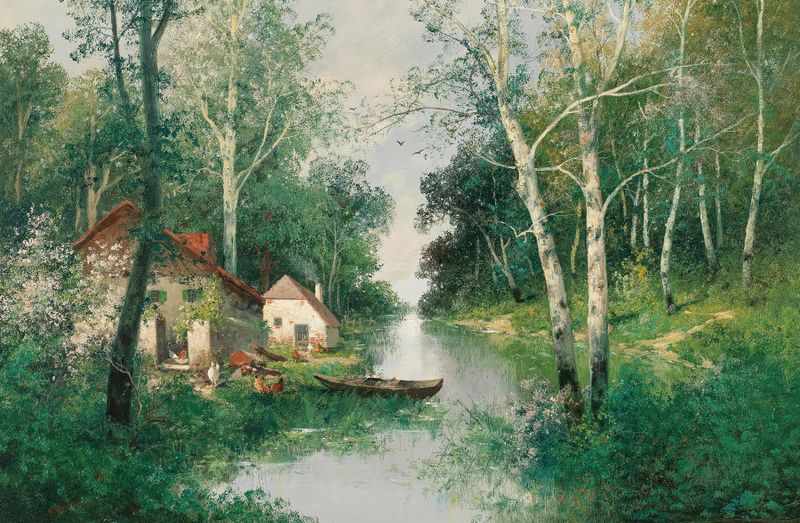
A River Landscape in Spring
Adolf Kaufmann
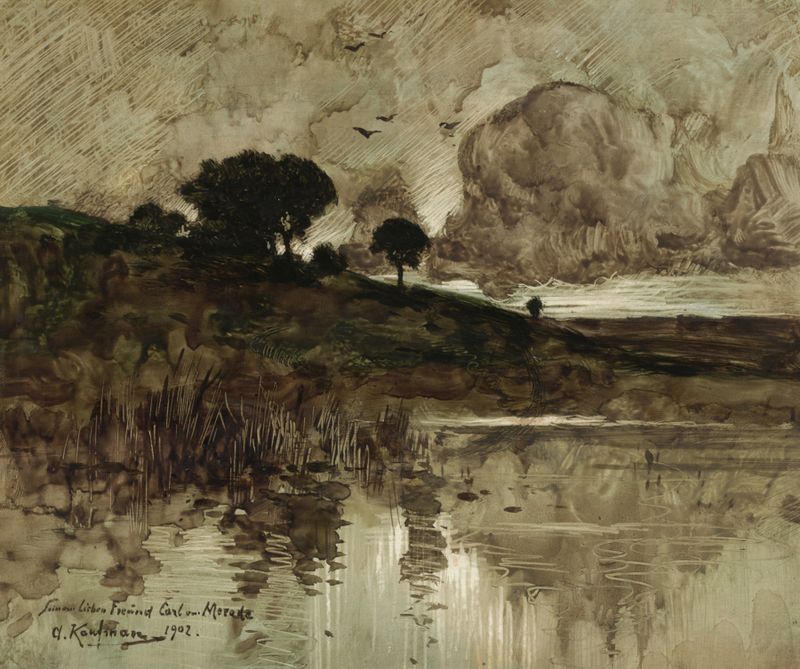
Herbstabend am See
Adolf Kaufmann
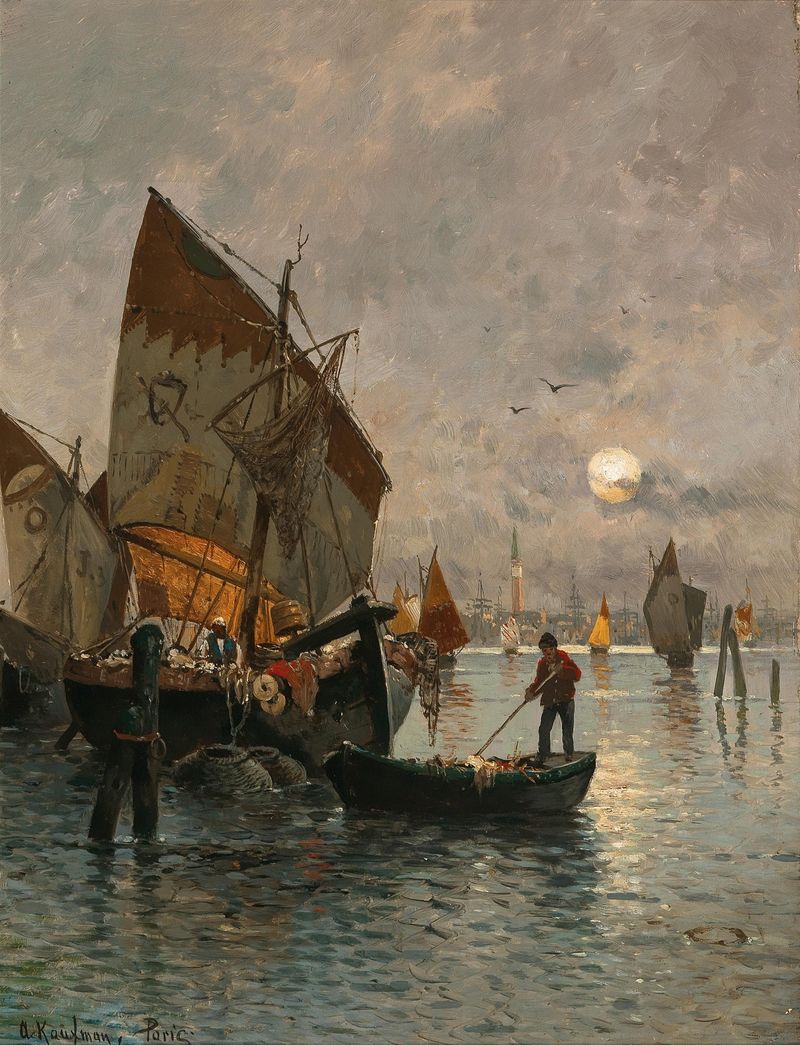
In der Lagune Venedigs
Adolf Kaufmann
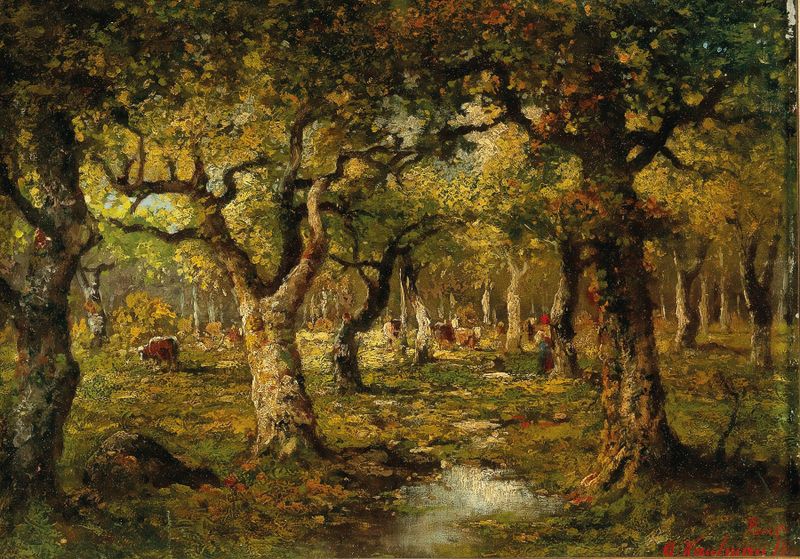
In the Forest of Barbizon
Adolf Kaufmann
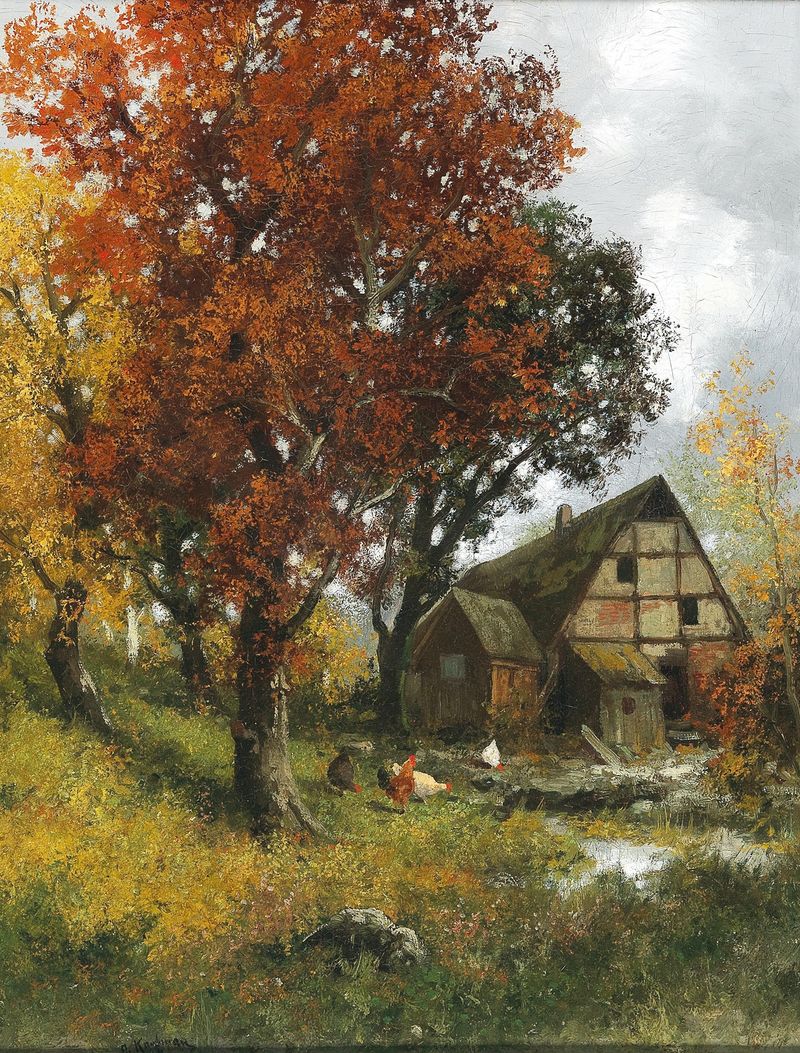
A Mill in an Autumnal Forest
Adolf Kaufmann
Mühle im Herbstwald
Adolf Kaufmann

Das Haferfeld
Adolf Kaufmann
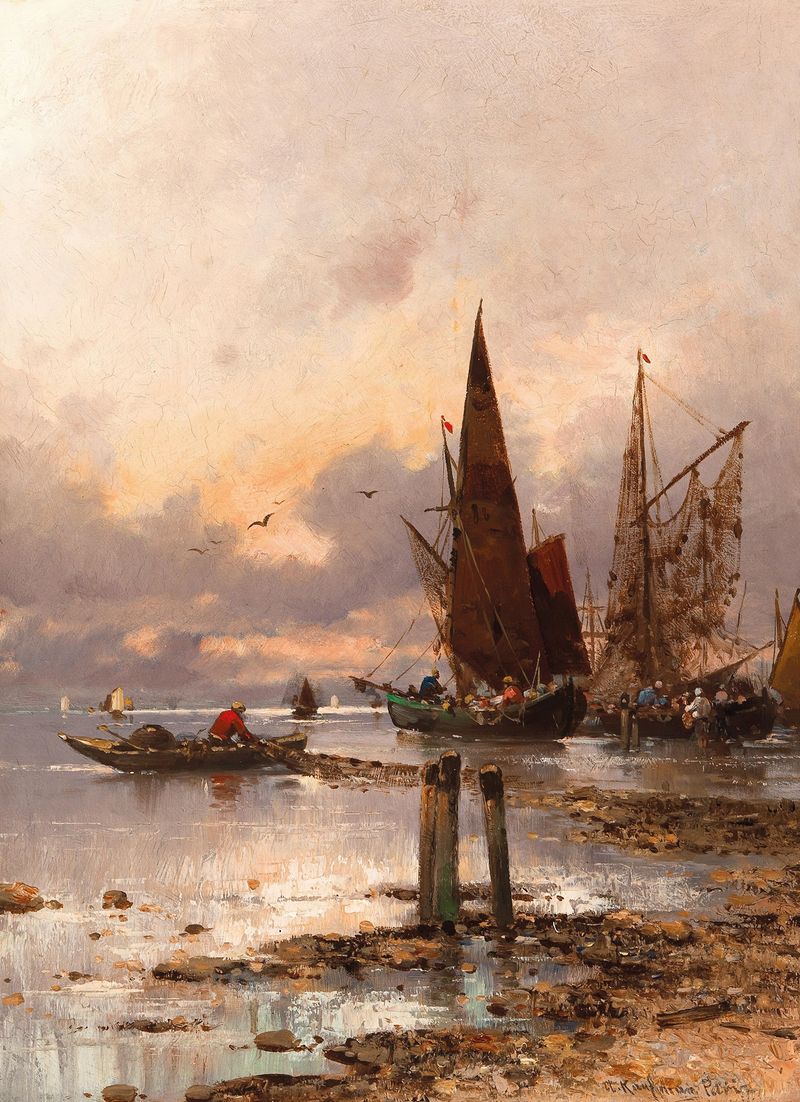
Sonnenuntergang an der griech. Küste
Adolf Kaufmann
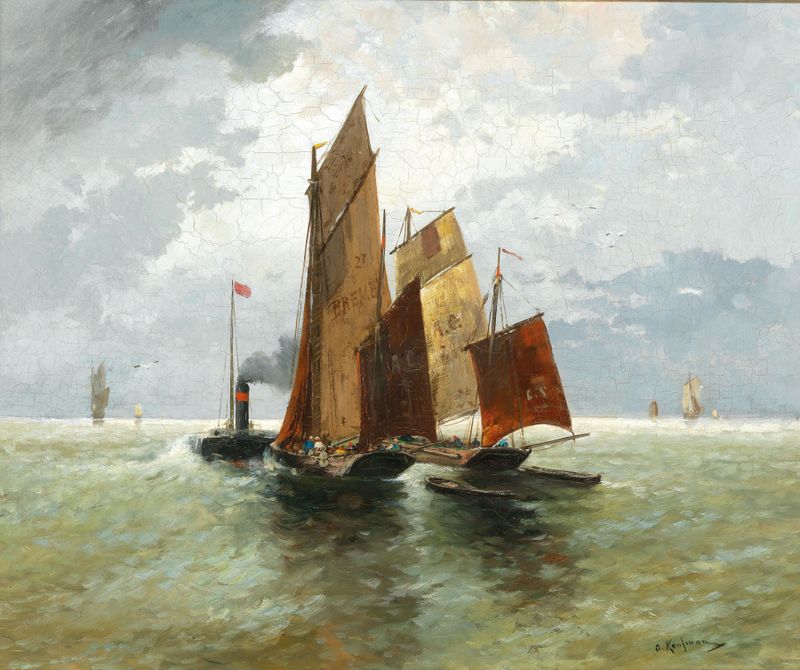
Steamboat and Fishing Boats at Sea
Adolf Kaufmann