
Sorrente, Bains de la Reine Jeanne — History & Facts
In a world awash with fleeting moments, the brush captures the essence of betrayal, whispering secrets of forgotten joys hidden beneath the surface. Look closely at the serene blue waters that stretch across the canvas, cradling the rocky shoreline in an embrace of tranquility. Notice how the gentle ripples reflect the warm, golden hues of the late afternoon sun, giving life to the scene. To the left, a cluster of figures lounges near the water’s edge, their postures relaxed yet their expressions hinting at unspoken truths.
The artist’s deft strokes create a harmonious blend of color and light, inviting the viewer to lose themselves in the idyllic landscape while subtly tugging at the heartstrings. Delve deeper, and you'll find a tension simmering beneath the surface. The juxtaposition of the serene environment with the figures' subtle body language evokes a sense of unease, as if they harbor secrets that threaten to disrupt the peaceful scene. The background, lush and vibrant, stands in stark contrast to the figures, suggesting a disconnect between the external beauty of nature and the internal turmoil of human emotions.
This duality speaks to the complexity of relationships, where betrayal often lurks in the shadows of the most picturesque moments. Created between 1848 and 1865, this work emerged during a period of significant social and political upheaval in France. Harpignies, who honed his skills in the school of Barbizon, was deeply influenced by the Romantic movement’s emphasis on emotion and nature. This painting reflects not only his mastery of landscape but also a poignant understanding of human vulnerability amid a world continuously shaped by change.
More Artworks by Henri-Joseph Harpignies
Browse all →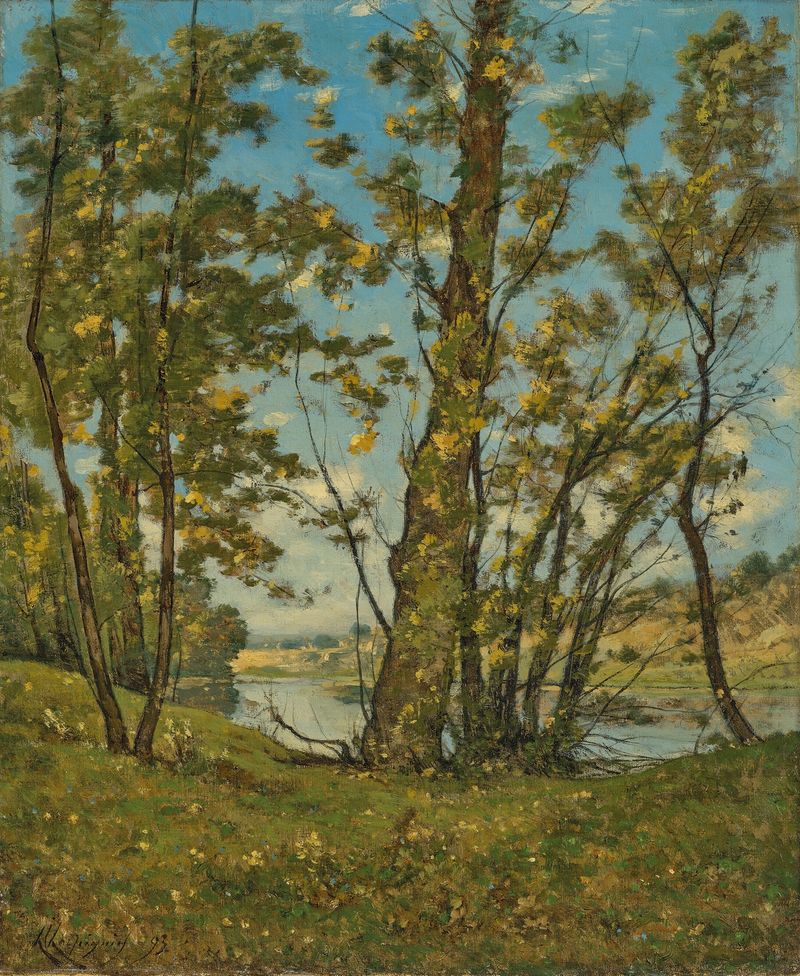
La Loire à Bonny
Henri-Joseph Harpignies
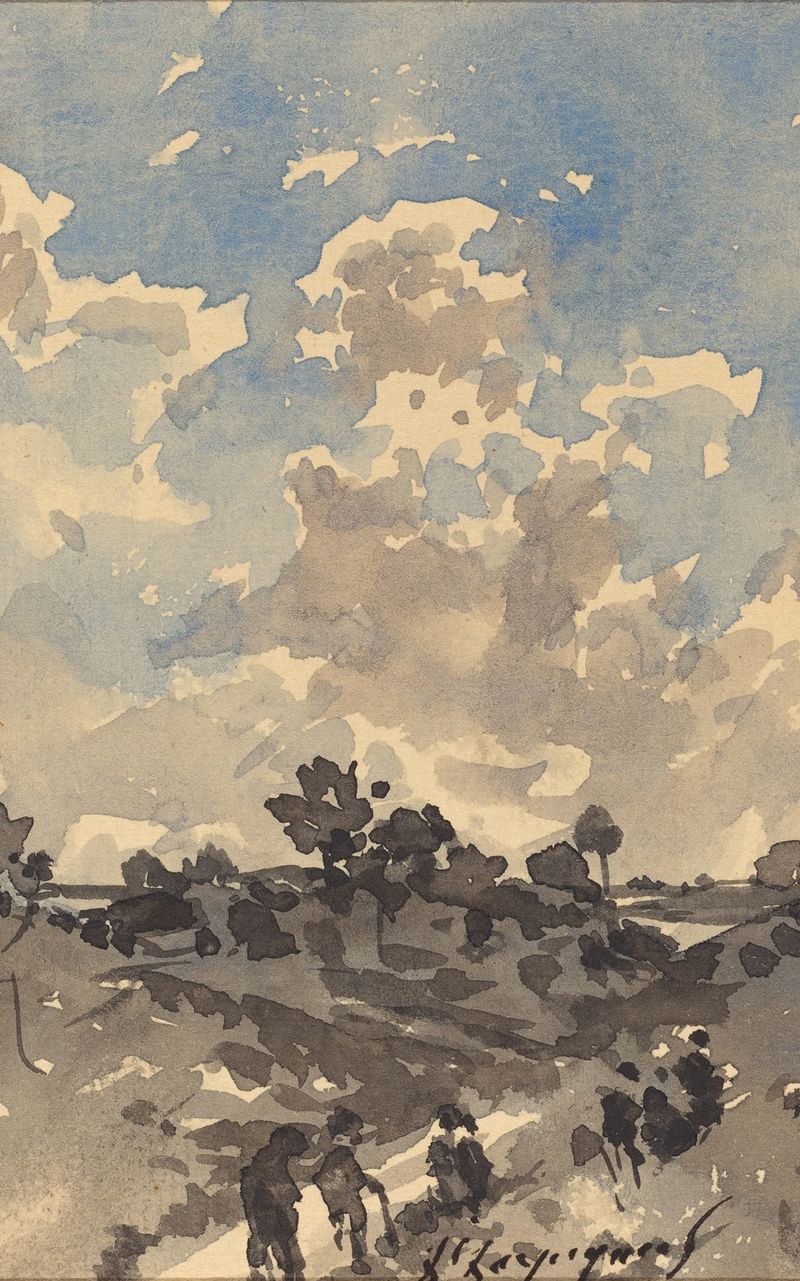
A Landscape with Figures Walking along a Path
Henri-Joseph Harpignies
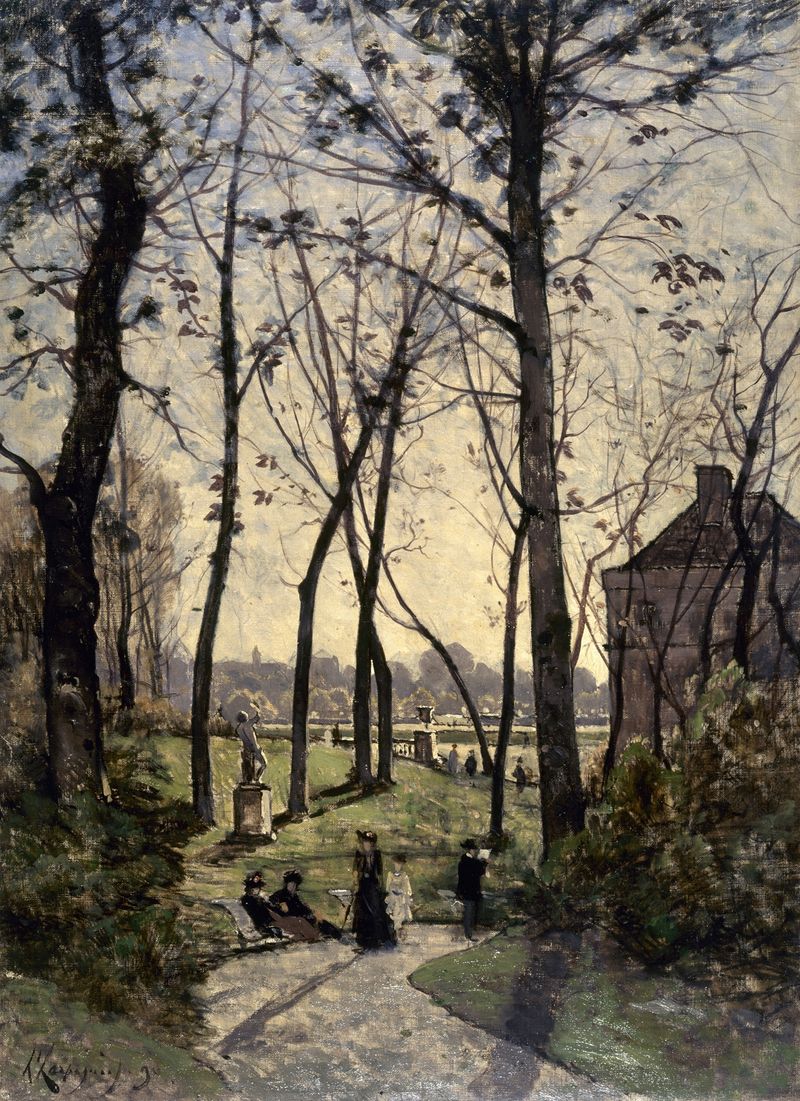
Le jardin du Luxembourg
Henri-Joseph Harpignies
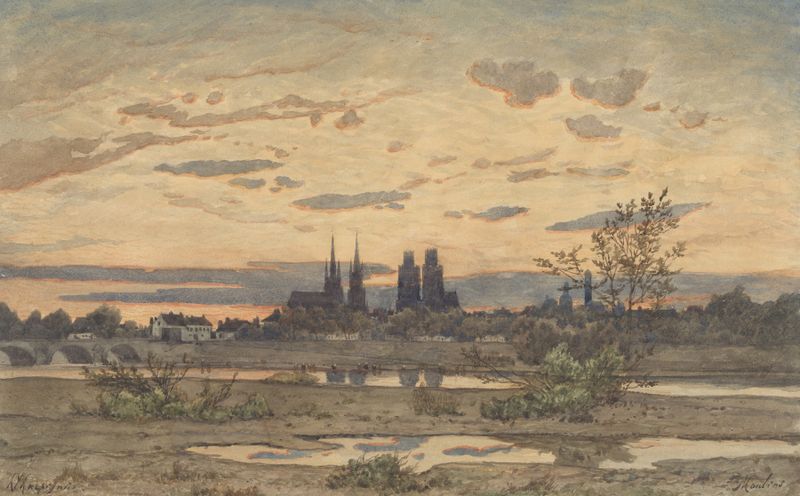
A View of Moulins
Henri-Joseph Harpignies
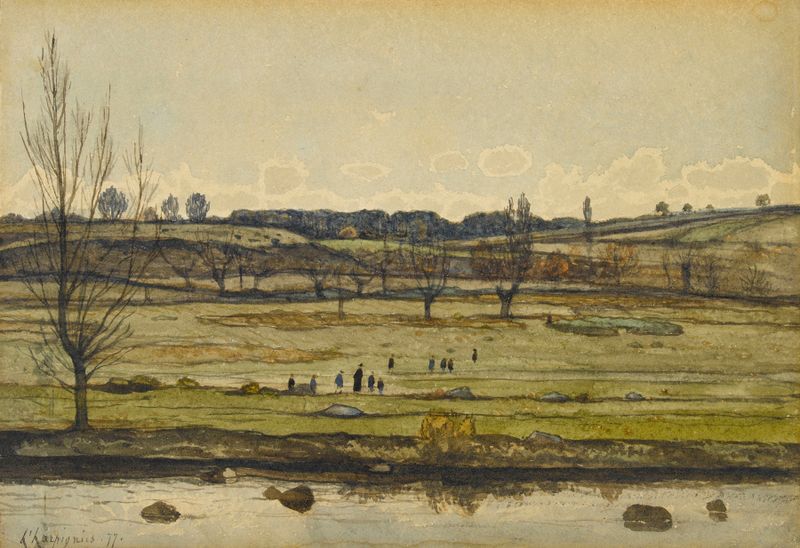
Paysage
Henri-Joseph Harpignies
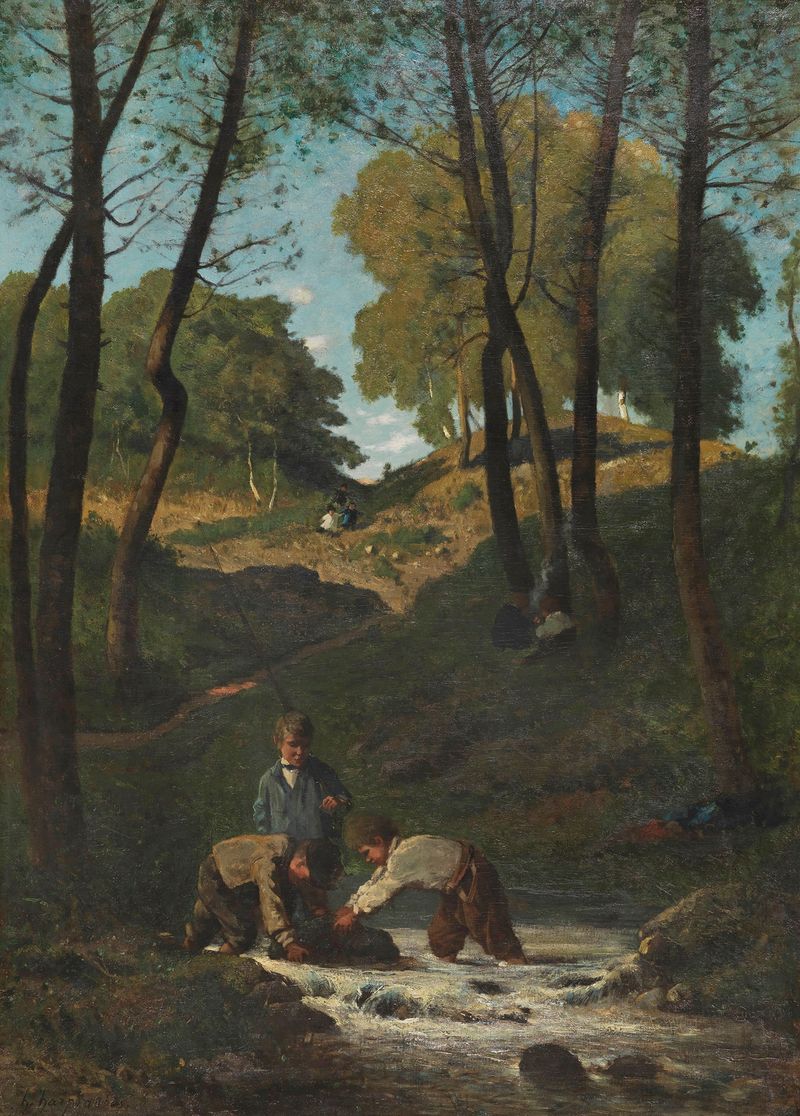
Chercheurs d’écrevisses
Henri-Joseph Harpignies
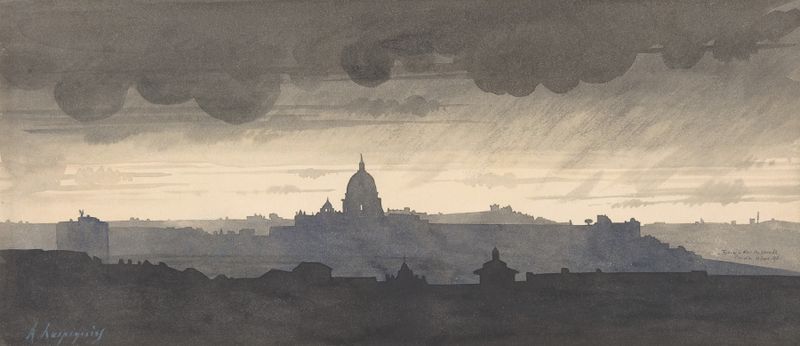
Saint Peter’s Seen From the Pincio, Rome
Henri-Joseph Harpignies
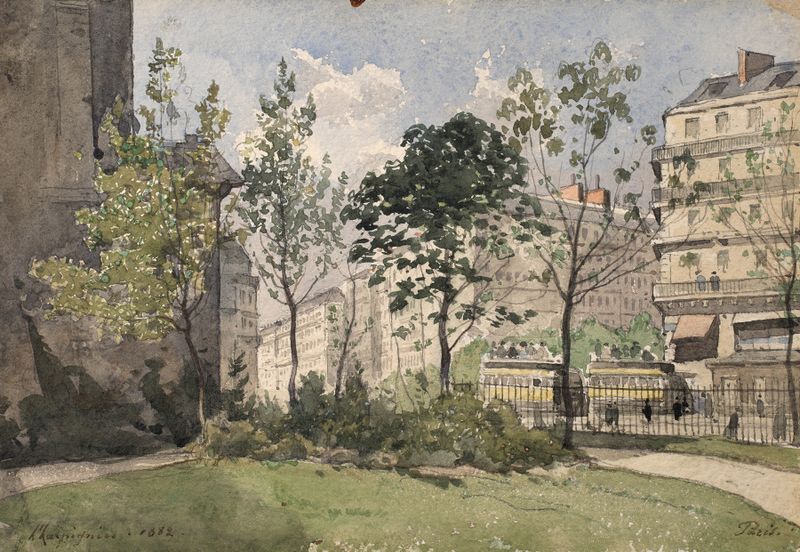
View of the forecourt of the Saint-Germain-des-Prés church
Henri-Joseph Harpignies
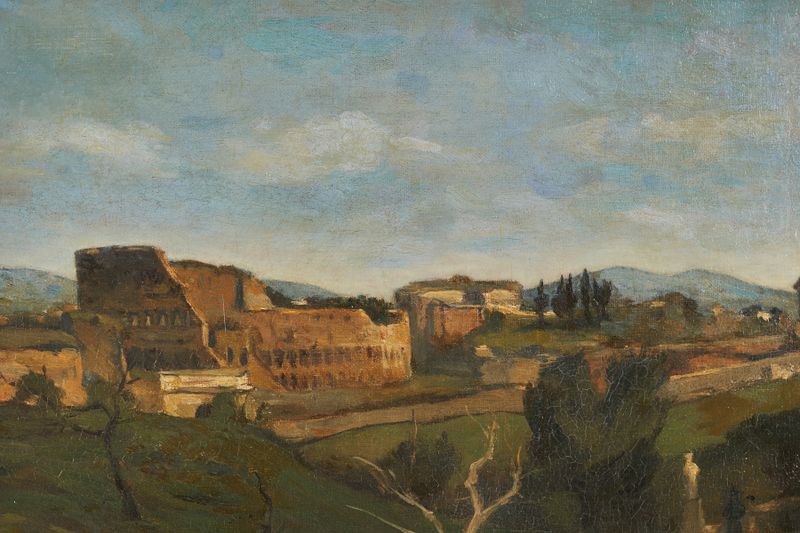
Le Colisée à Rome
Henri-Joseph Harpignies

Villefranche
Henri-Joseph Harpignies





