
Sous-Bois — History & Facts
In the depths of a lush forest, light dances between the trees, casting a tranquil glow upon the earth. Here, nature is at once chaotic and harmonious; a silent dialogue unfolds among the towering trunks and vibrant foliage, as if the very air hums with the weight of unspoken emotions. Focus on the interplay of color in Sous-Bois. The rich greens emerge from layered brushstrokes, each one an invitation to wander deeper into the painter's vision.
Notice how the dappled light falls upon the leaves, illuminating certain areas while others remain shrouded in shadow. The composition is a delicate balance of form and color, creating a sense of depth that draws the eye toward the center, where nature's essence feels most alive. Hidden within the strokes lies a narrative of duality. The chaotic beauty of the forest reflects the inner turmoil of human experience, a reminder of both serenity and struggle.
The varying intensity of colors communicates an emotional tension, with the darker hues hinting at the mysteries lurking within. Each layer adds complexity, revealing a world that is at once familiar yet profoundly enigmatic. In 1894, during a period of significant development in his artistic career, the artist explored the profound relationship between nature and perception. Living in Aix-en-Provence, he was influenced by the shifting tides of Impressionism while forging his path toward modernism.
The world of art was undergoing transformation, and his quest for balance in Sous-Bois illustrates his commitment to capturing both the physical and emotional essence of the landscape.
More Artworks by Paul Cezanne
Browse all →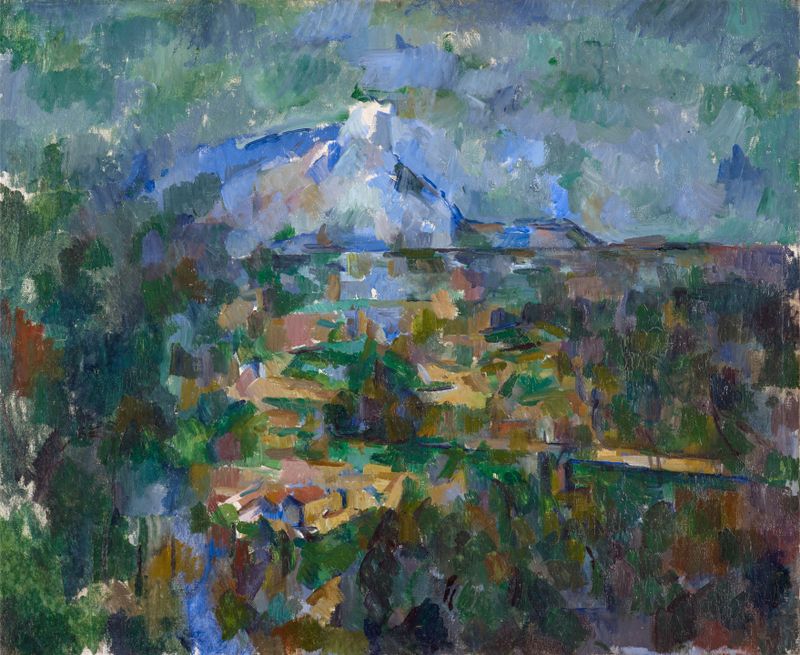
The Mont Sainte-Victoire Seen From Les Lauves
Paul Cezanne
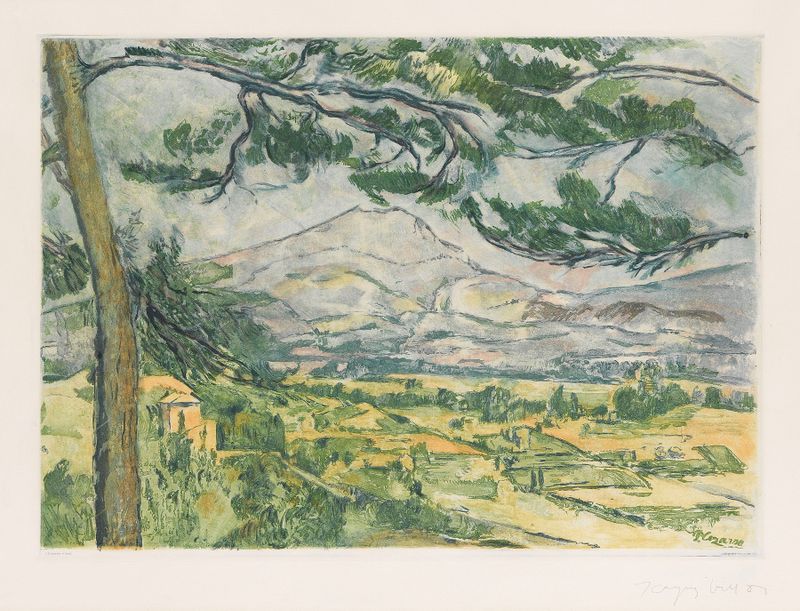
La Montagne Sainte-Victoire
Paul Cezanne
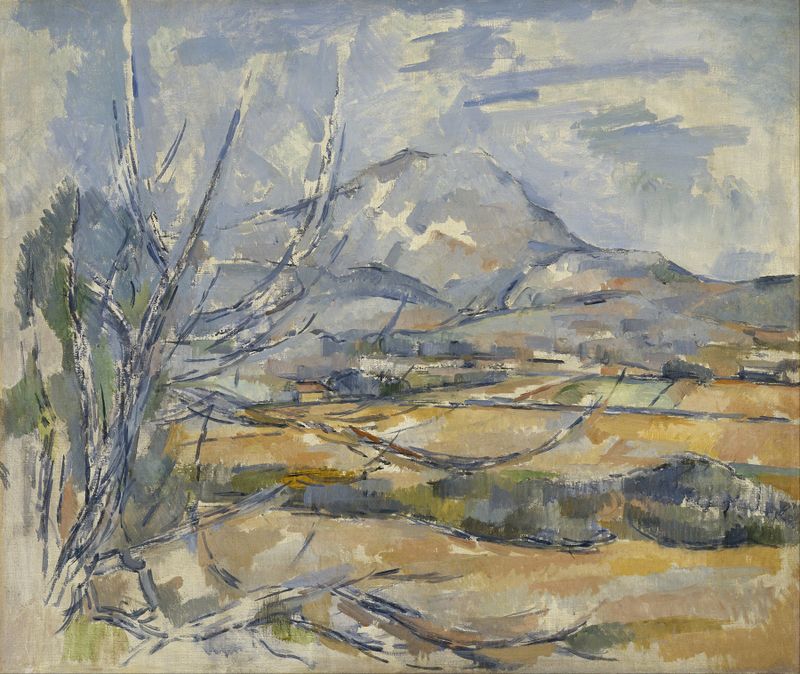
Montagne Sainte-Victoire
Paul Cezanne
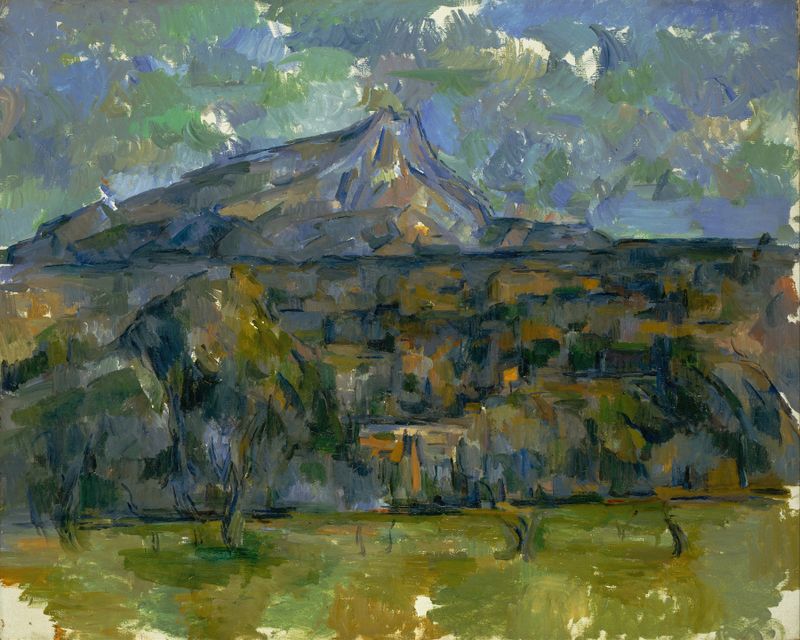
Mont Sainte-Victoire
Paul Cezanne
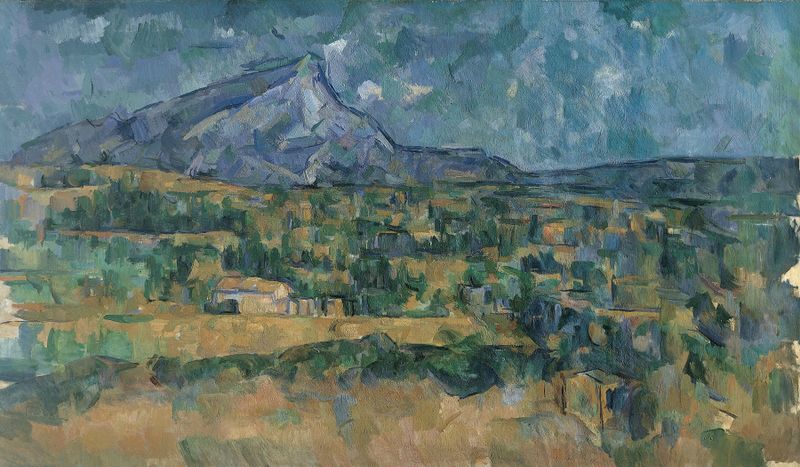
Mont Sainte-Victoire
Paul Cezanne
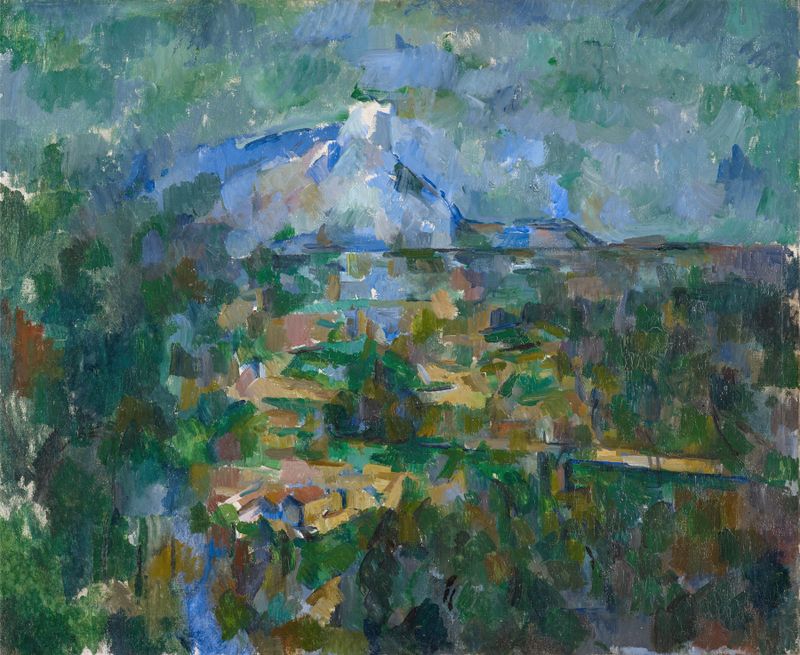
View of Mount Sainte-Victoire from Les Lauves
Paul Cezanne
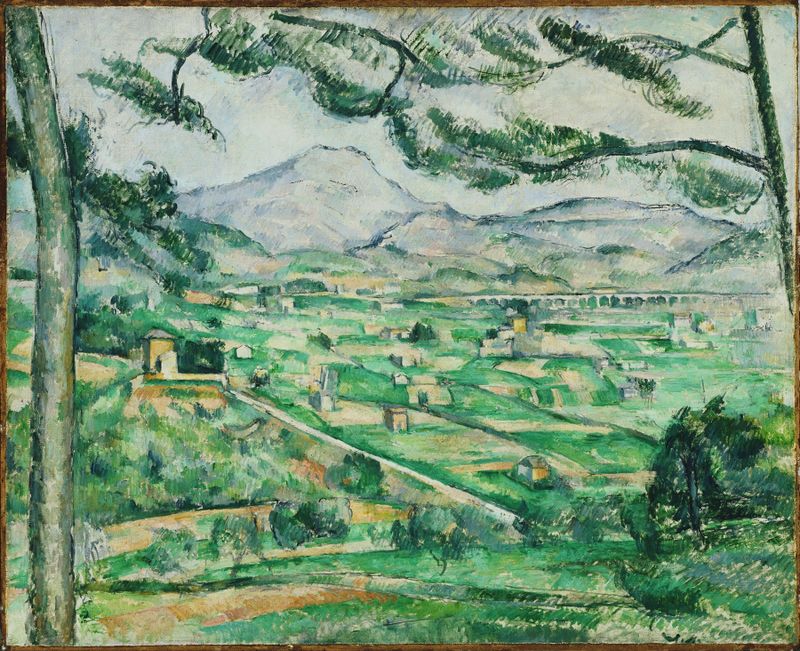
Mont Sainte-Victoire 2
Paul Cezanne

The Basket of Apples
Paul Cezanne

Mount Sainte-Victoire
Paul Cezanne
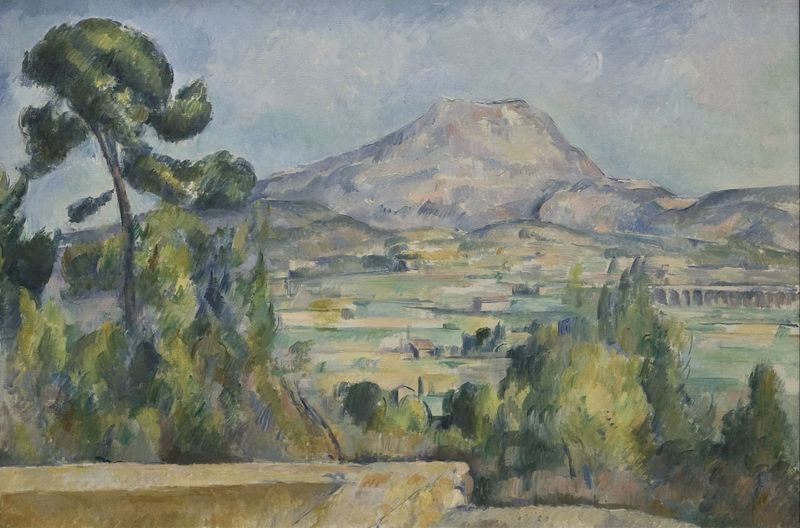
Montagne Saint-Victoire
Paul Cezanne





