
Spring — History & Facts
What first catches the eye in Spring by Abel Grimmer is the almost mathematical order of the garden, its beds laid out in a strict geometry that feels both ancient and newly hopeful. The painting draws the viewer into a world where the labor of many hands is not hidden but celebrated: men and women bend to their tasks, digging, planting, and tending, each gesture purposeful, each figure absorbed in the rhythm of renewal. The light, soft but clear, falls across the scene and highlights the fresh greens and rich earth, guiding the gaze from the foreground’s busy activity to the quiet sheepfold and distant manor.
The palette is earthy and grounded, but punctuated by the reds and blues of clothing, which animate the landscape and hint at the human presence shaping nature’s order. This painting belongs to a tradition of early modern Flemish art, where the changing seasons and cycles of rural life became a favored subject for both private collectors and civic patrons. In Grimmer’s time, such works were often commissioned to decorate homes or town halls, serving as reminders of nature’s order and the virtues of industriousness. The source notes that this cycle begins with spring and the laying out of beds in a strictly geometrical garden—a motif that reflects both Renaissance ideals and the practical realities of food production in the Low Countries.
While little may be recorded about this particular panel’s journey, it stands as a testament to an age when the garden was both a symbol of human reason and a stage for the drama of everyday work. Let your eye wander through its ordered paths and lively figures, and imagine the world awakening under their care.
Sources: Wikidata Q118869869 · Image source (Wikimedia Commons)
More Artworks by Abel Grimmer

Flemish proverbs
Abel Grimmer
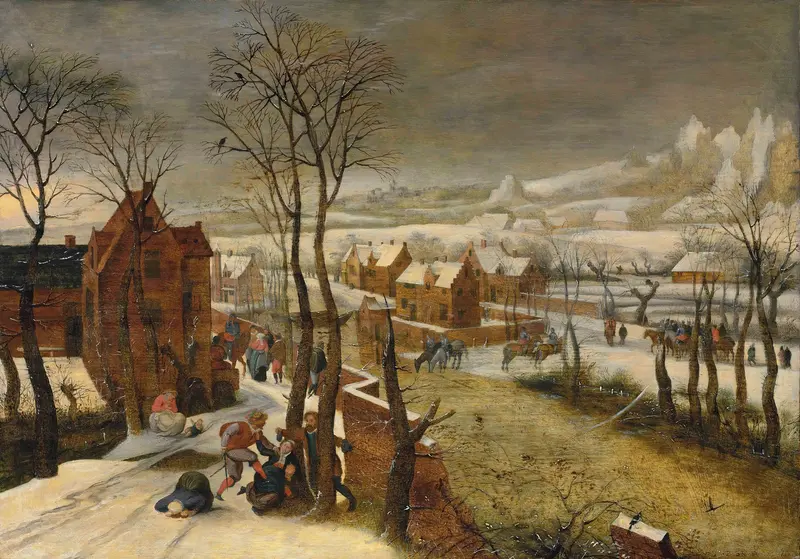
A Village Landscape In Winter With The Massacre Of The Innocents
Abel Grimmer
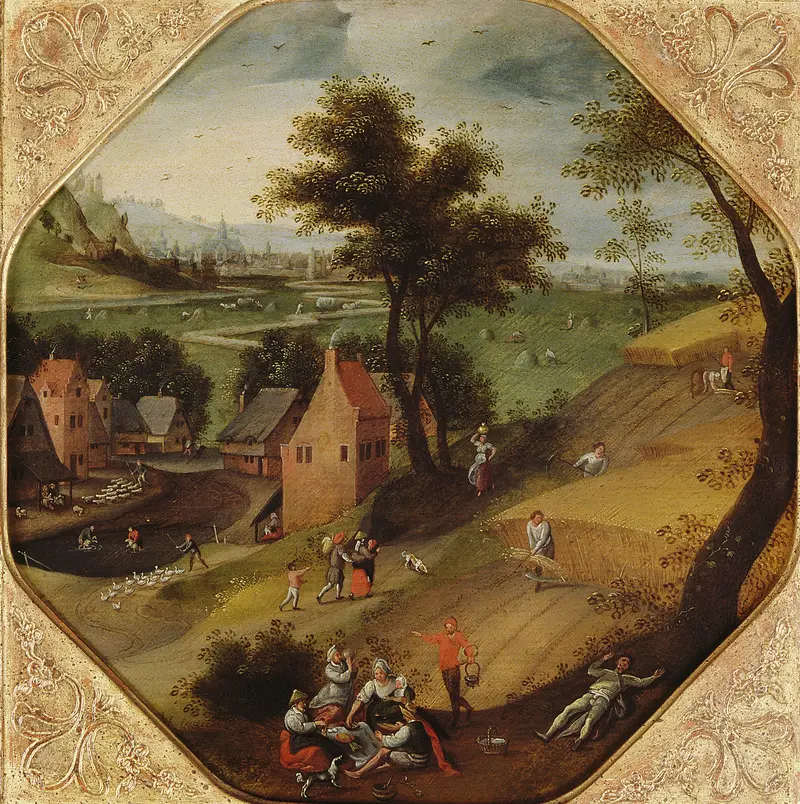
De Zomer
Abel Grimmer
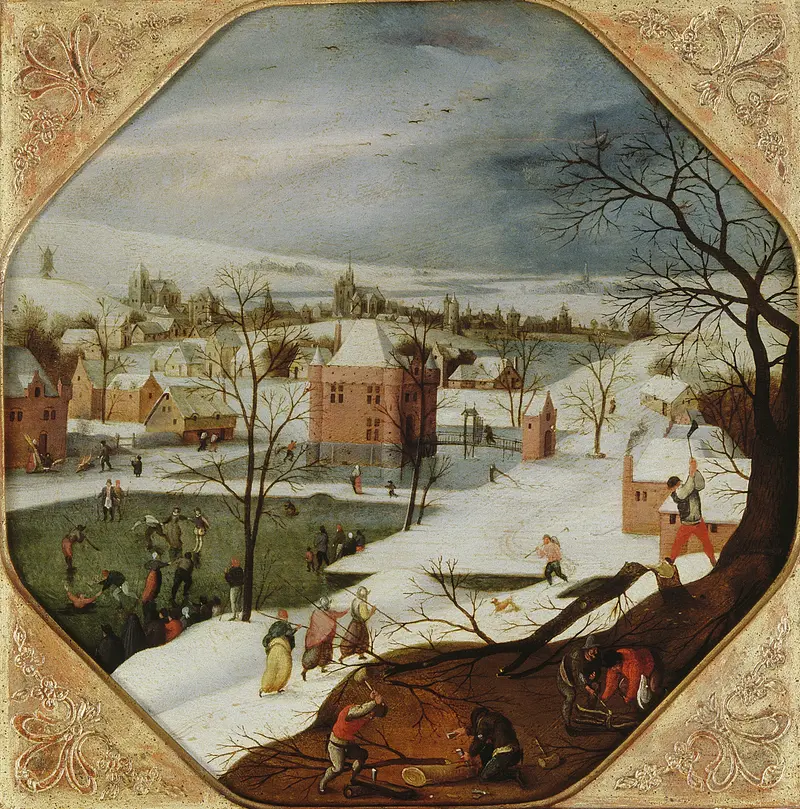
De Winter
Abel Grimmer
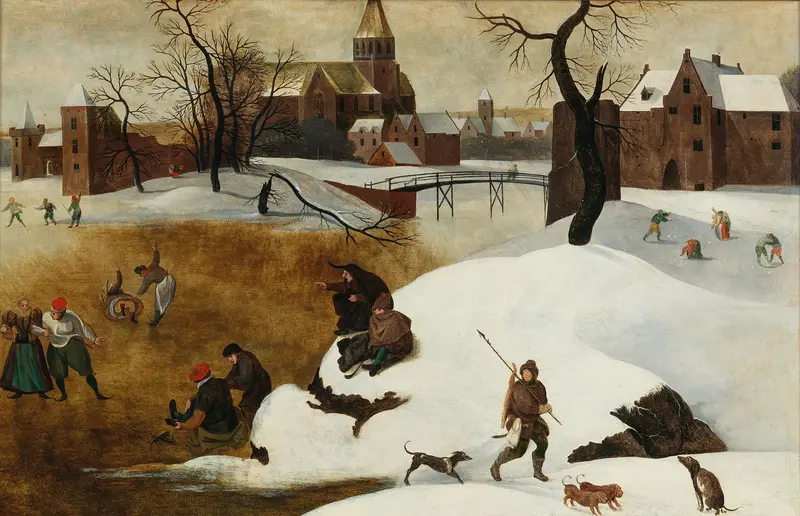
winter landscape with skaters
Abel Grimmer
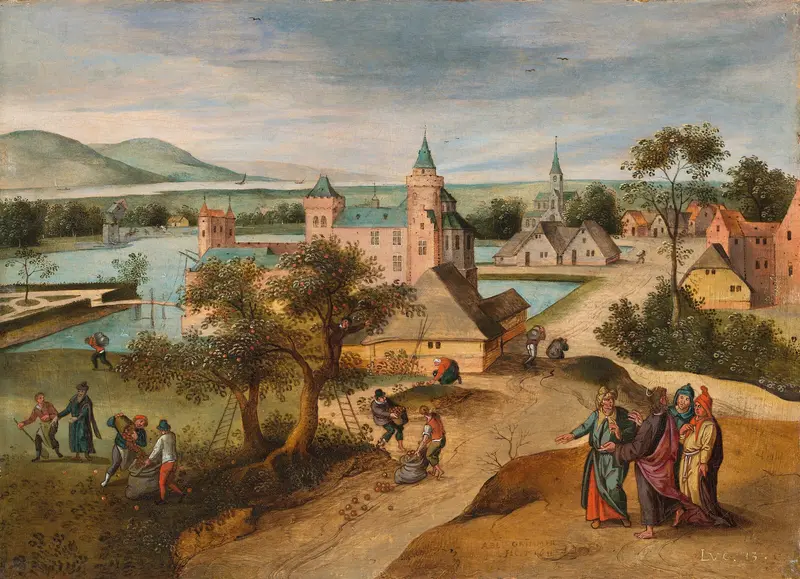
September – The Parable of the Barren Fig Tree
Abel Grimmer
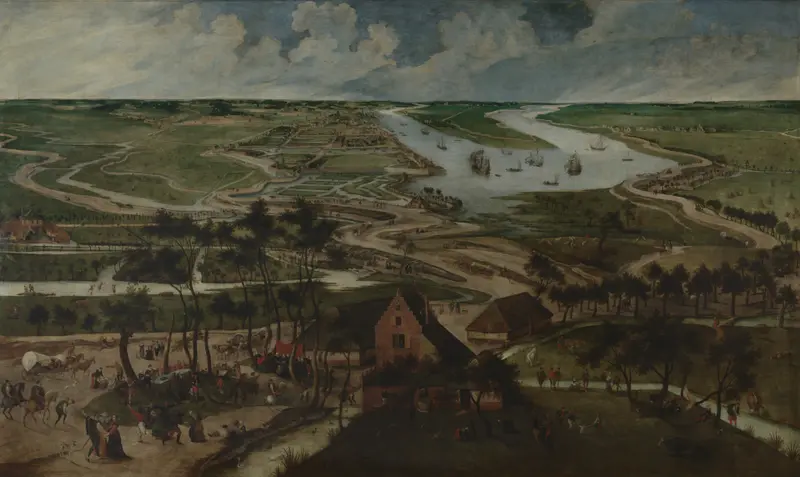
The Eel Huts in the Antwerp Polder outside the Lillo or Slijk Gate
Abel Grimmer
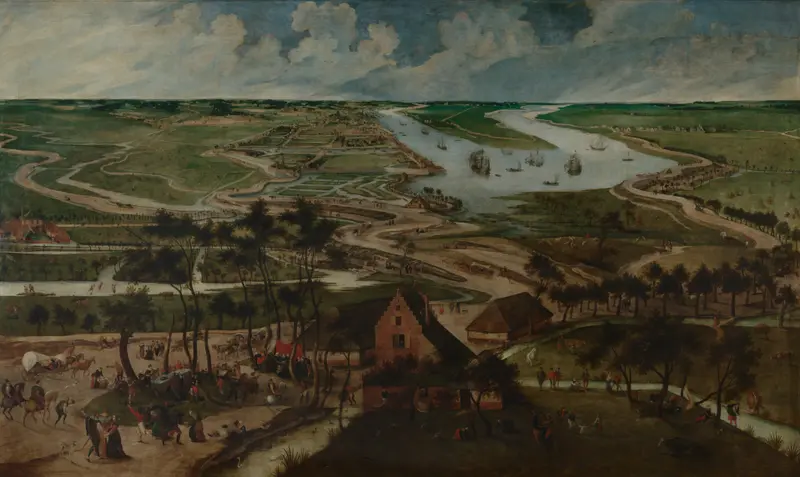
De Antwerpse polder en de Palinghuizen buiten de Slijk- of Lillopoort
Abel Grimmer
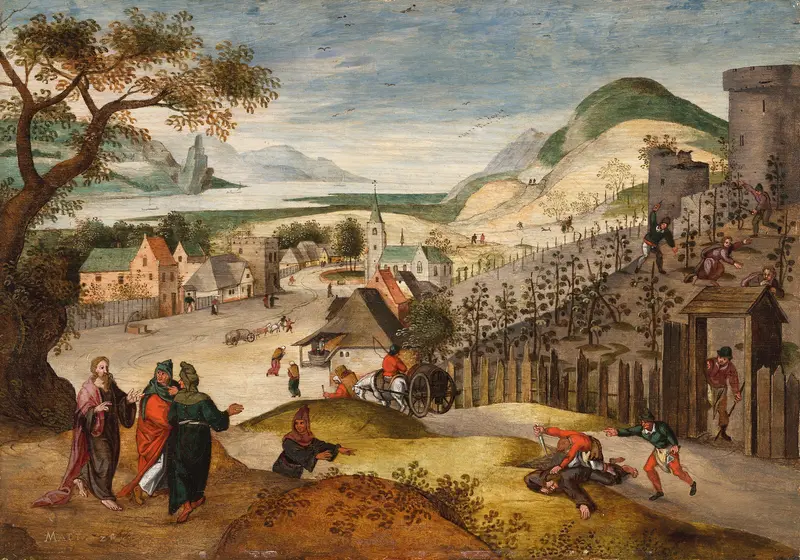
October – The Parable of the Vineyard
Abel Grimmer
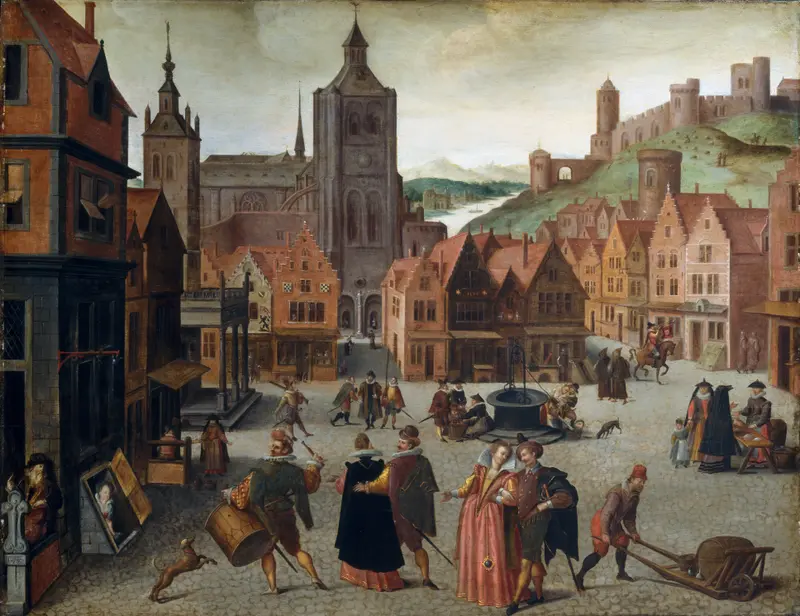
The Marketplace in Bergen op Zoom
Abel Grimmer
More Landscape Art

The Starry Night
Vincent van Gogh

View of Delft
Johannes Vermeer

Water Lilies
Claude Monet

The Grand Canal, Venice, looking north-west from the Ca' Corner to the Ca' Contarini degli Scrigni, with the campanile of Santa Maria della Carità
Canaletto

Windsor Castle
Canaletto

The Grand Canal looking North-East from the Palazzo Dolfin-Manin to the Rialto Bridge
Canaletto