
Spring — History & Facts
When Spring was first exhibited in 1879, it marked a turning point for Albert Pinkham Ryder, whose idiosyncratic style would later make him a cult figure among American painters. The painting’s debut at the National Academy of Design in New York drew attention for its moody palette and dreamlike composition—so unusual that critics struggled to categorize it. Ryder himself was famously secretive about his methods, and the medium of Spring remains uncertain, adding to its aura of mystery.
Unlike his later, heavily reworked canvases, this early work already hints at the atmospheric intensity that would define his career. Spring captures a fleeting, almost mythical vision of renewal: a solitary female figure, draped in pale garments, steps forward into a landscape just awakening from winter. The scene is suffused with a gentle, golden light that seems to dissolve the boundary between figure and ground. The woman’s outstretched hand gestures toward a cluster of budding trees, while a soft haze blurs the horizon, suggesting both hope and uncertainty.
The painting’s mood stands in stark contrast to the crisp, botanical celebrations of spring by John Everett Millais or the bright, bustling meadows of Impressionism. Here, Ryder’s spring is introspective, almost haunted—a season as much of memory as of promise. The whereabouts of Spring have shifted over the decades, and its early provenance is not fully documented. Like many of Ryder’s works, it was likely kept in his studio for years, as the artist was notorious for reworking his paintings and reluctant to part with them.
Today, Spring is recognized as an important example of Ryder’s early period, before his later, more abstract experiments. It stands as a testament to his singular vision within the context of late 19th-century American art, admired for its poetic restraint and enigmatic beauty. The painting’s uncertain medium and delicate surface have made conservation a challenge, but it remains a touchstone for those seeking the quieter mysteries of American painting.
More Artworks by Albert Pinkham Ryder

The Toilers of the Sea
Albert Pinkham Ryder
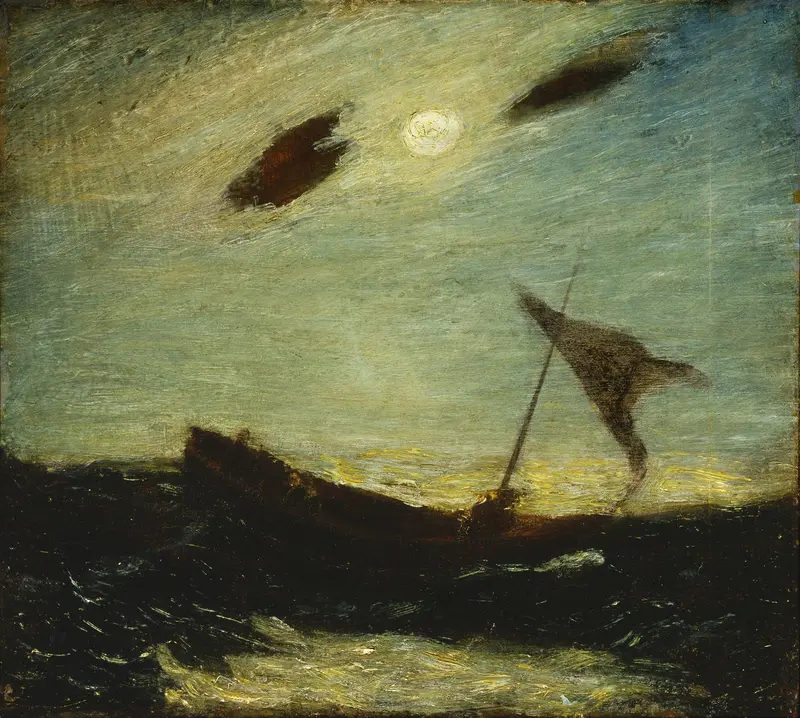
Moonlight
Albert Pinkham Ryder
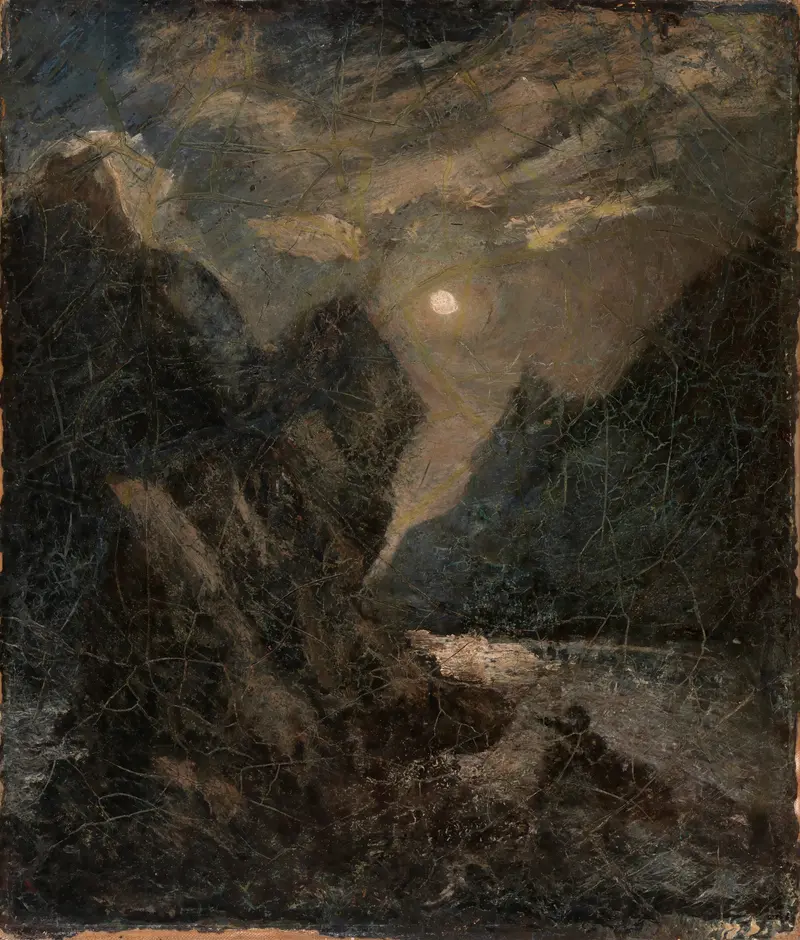
The Lorelei
Albert Pinkham Ryder
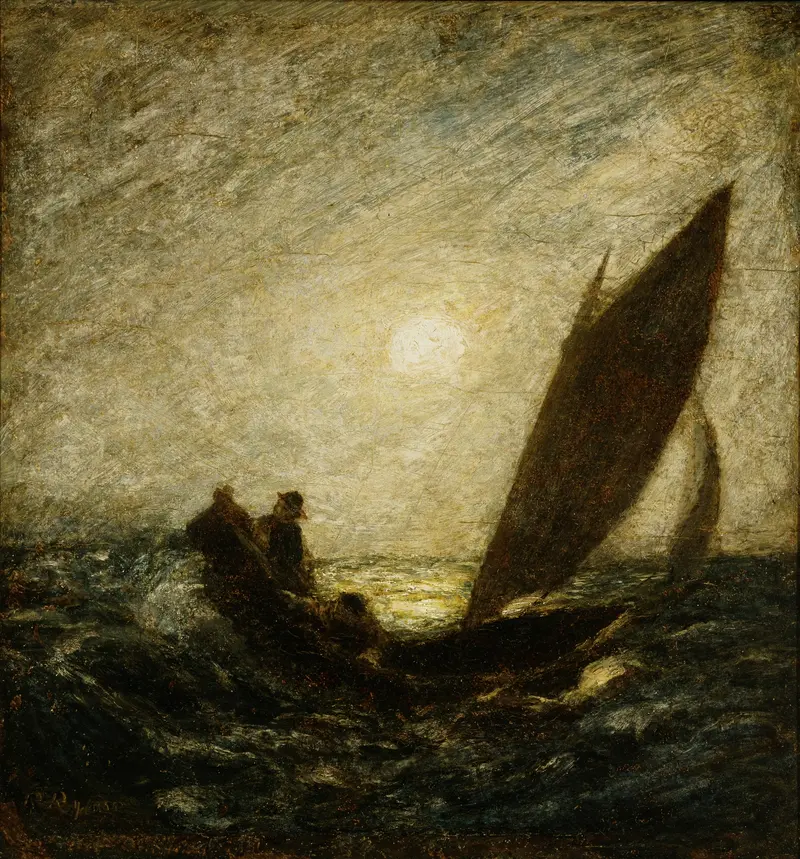
With Sloping Mast And Dipping Prow
Albert Pinkham Ryder
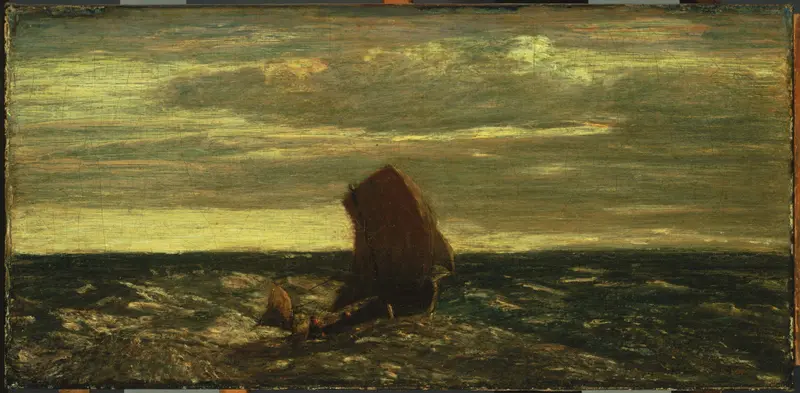
Homeward Bound
Albert Pinkham Ryder
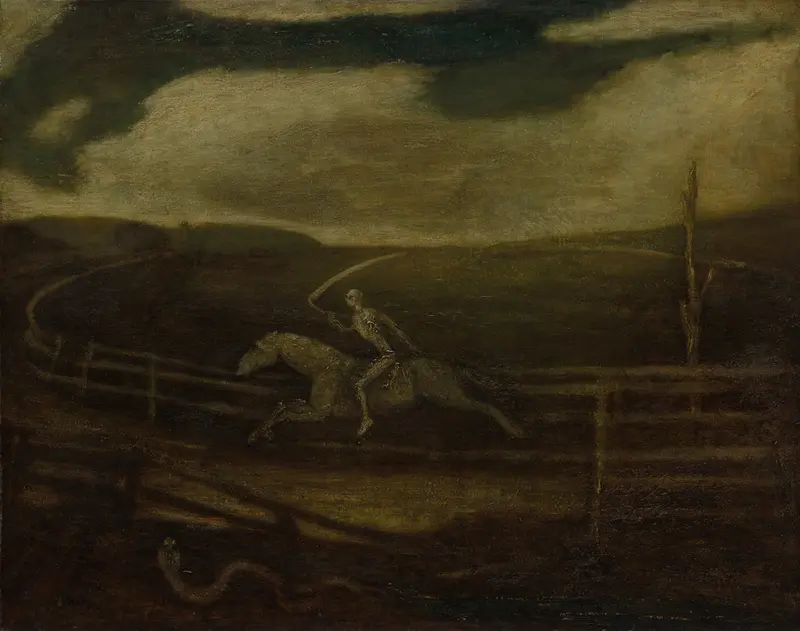
The Race Track (Death on a Pale Horse)
Albert Pinkham Ryder
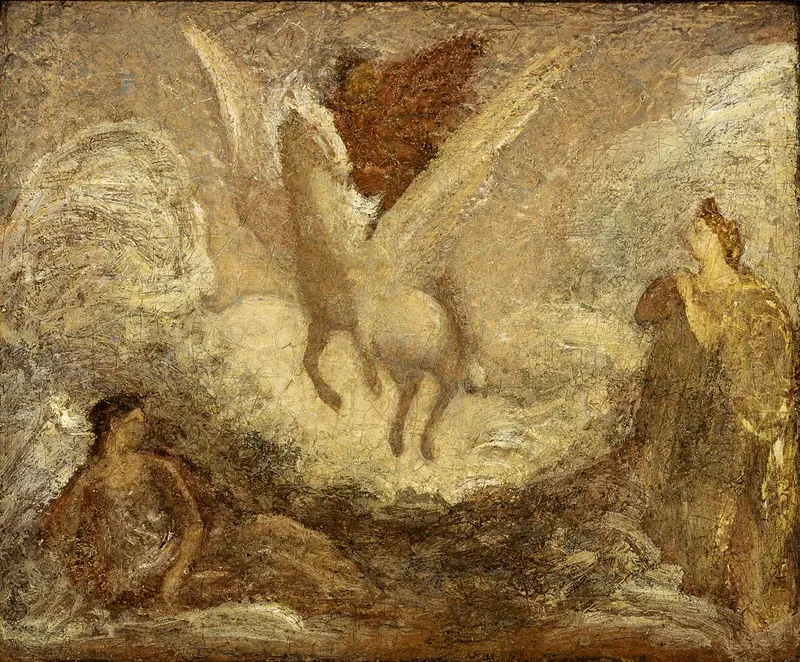
Pegasus Departing
Albert Pinkham Ryder
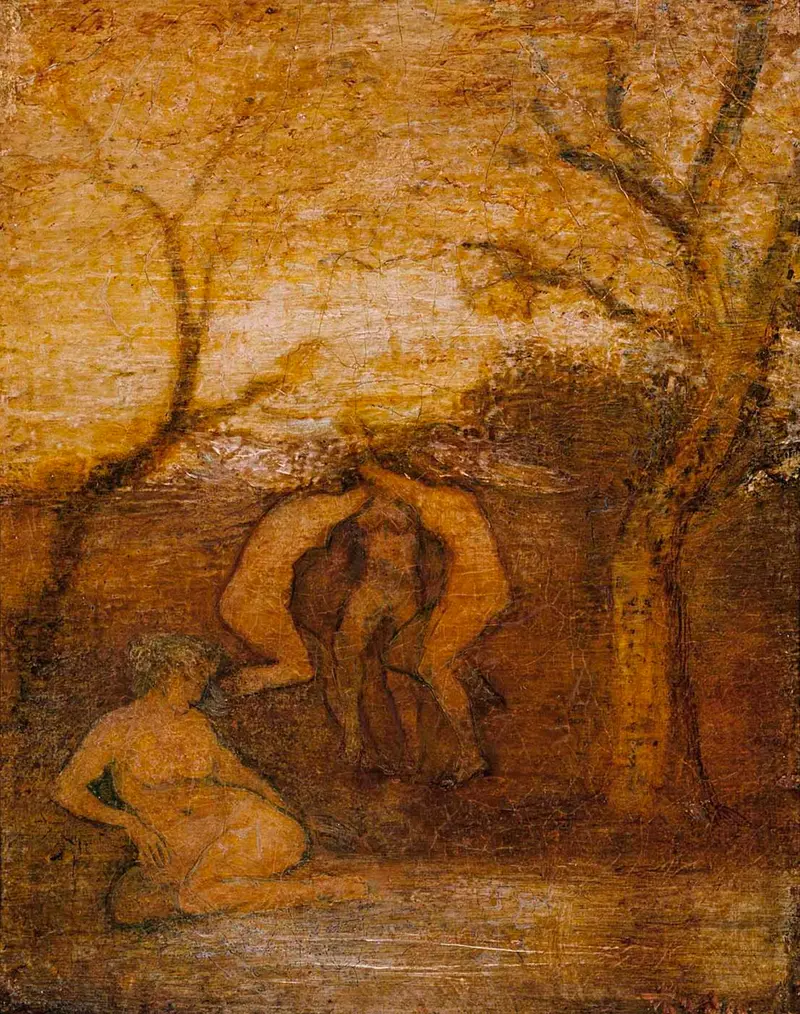
Dancing Dryads
Albert Pinkham Ryder
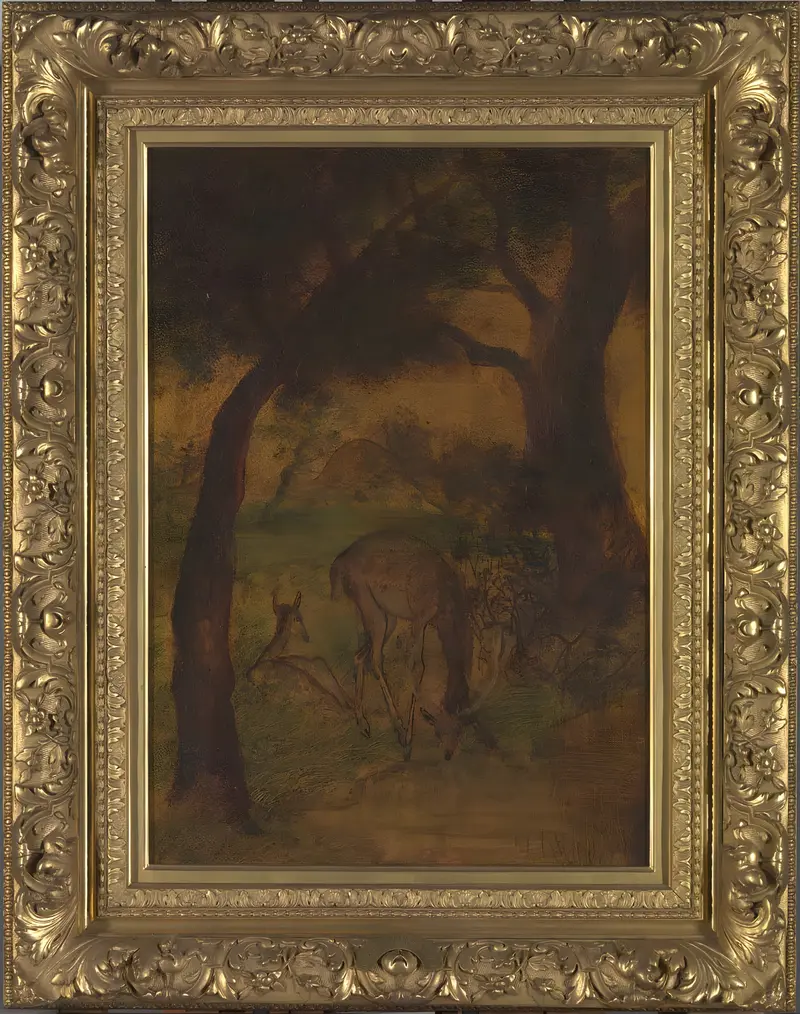
A Stag Drinking
Albert Pinkham Ryder
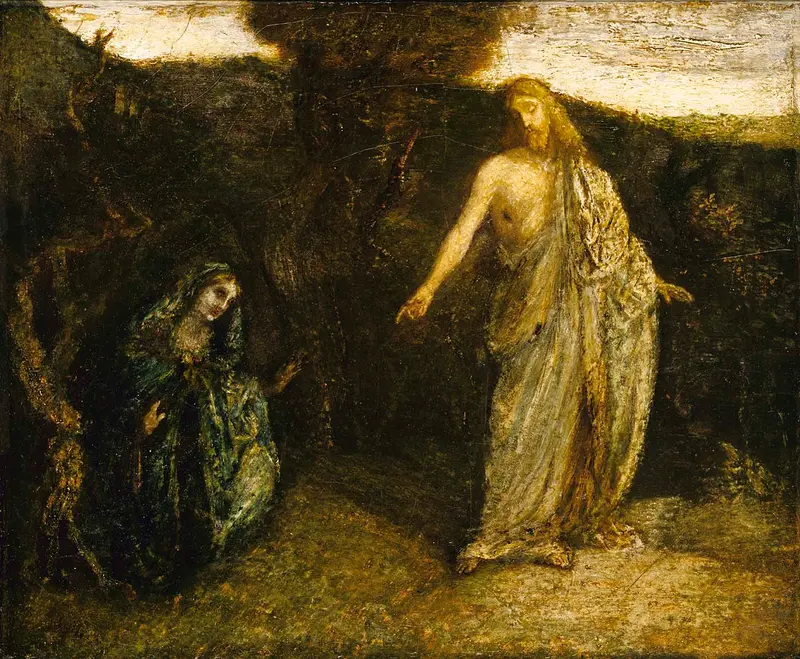
Christ Appearing to Mary
Albert Pinkham Ryder
More Landscape Art

The Starry Night
Vincent van Gogh

View of Delft
Johannes Vermeer

Water Lilies
Claude Monet

The Grand Canal, Venice, looking north-west from the Ca' Corner to the Ca' Contarini degli Scrigni, with the campanile of Santa Maria della Carità
Canaletto

Windsor Castle
Canaletto

The Grand Canal looking North-East from the Palazzo Dolfin-Manin to the Rialto Bridge
Canaletto