Spring Anthem — History & Facts
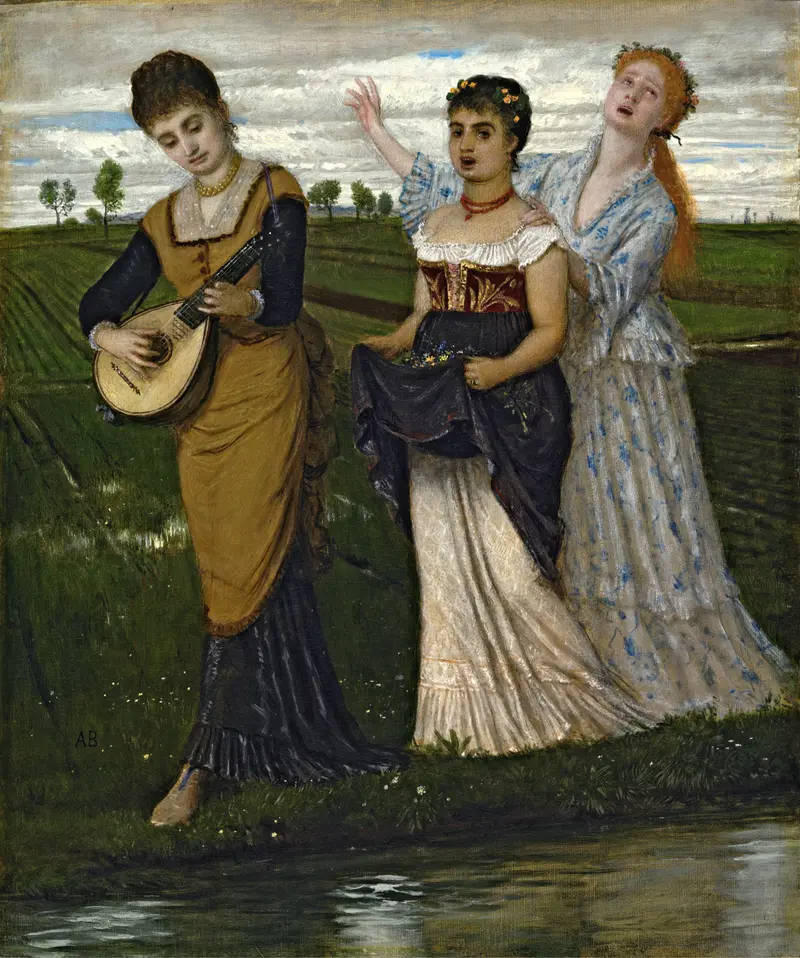
What first catches the eye in Spring Anthem is the sense of mythic ritual unfolding in a landscape just waking from winter. Three women, two of them nude, gather at the edge of a reflective pond, their gestures measured and ceremonial. One woman drapes a red cloth around another, while a third watches with a look of gentle concern or guidance.
Above them, a host of winged cherubs swoop and flutter, their butterfly-like wings and playful poses lending a note of fantasy and renewal. The scattered tulips at their feet and the delicate, budding trees behind them signal a world tipping into spring, every detail chosen to celebrate the season’s promise. Painted in 1888, Spring Anthem emerges from a time when artists like Arnold Böcklin turned to myth and allegory to explore the mysteries of nature and human emotion. The late nineteenth century saw a revival of interest in classical themes, often reimagined for a modern audience hungry for beauty and escape.
Such works were typically commissioned by private collectors or created for exhibitions that prized technical skill and imaginative invention. While history has kept few traces of this specific painting’s journey, its presence today invites us to linger with its figures, to follow the flight of the cherubs, and to wonder at the quiet drama of spring’s arrival.
More Artworks by Arnold Böcklin

Die Toteninsel III
Arnold Böcklin
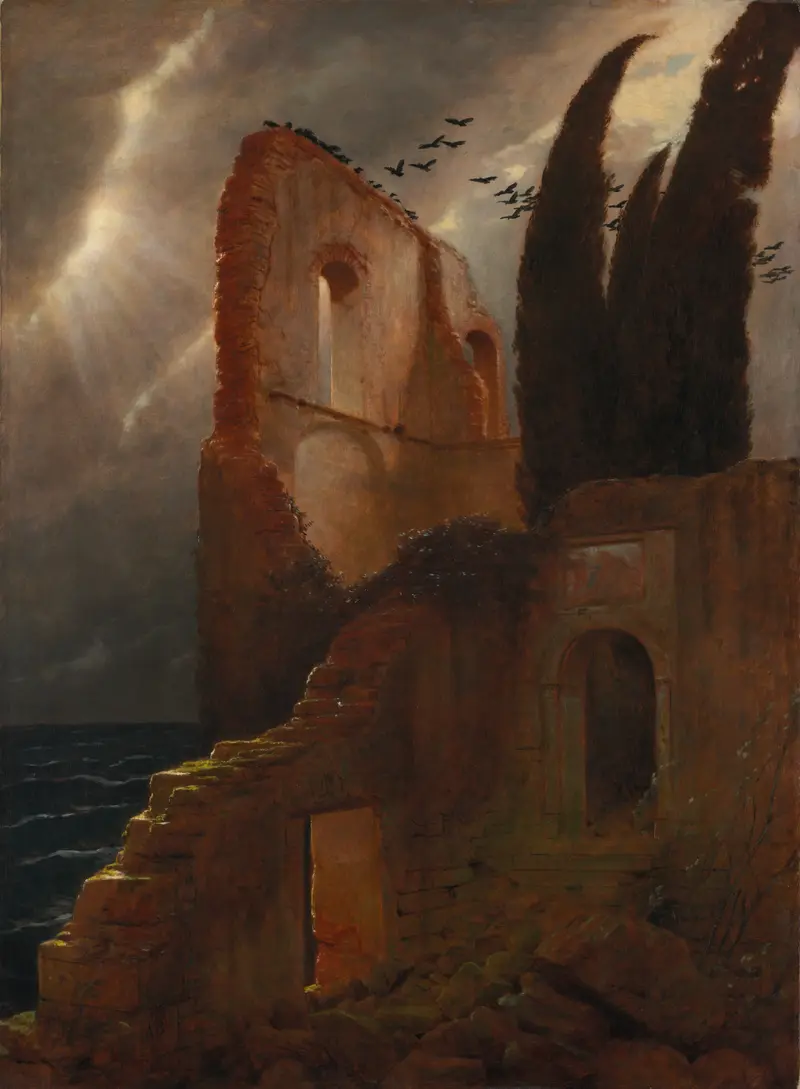
Ruin by the Sea
Arnold Böcklin
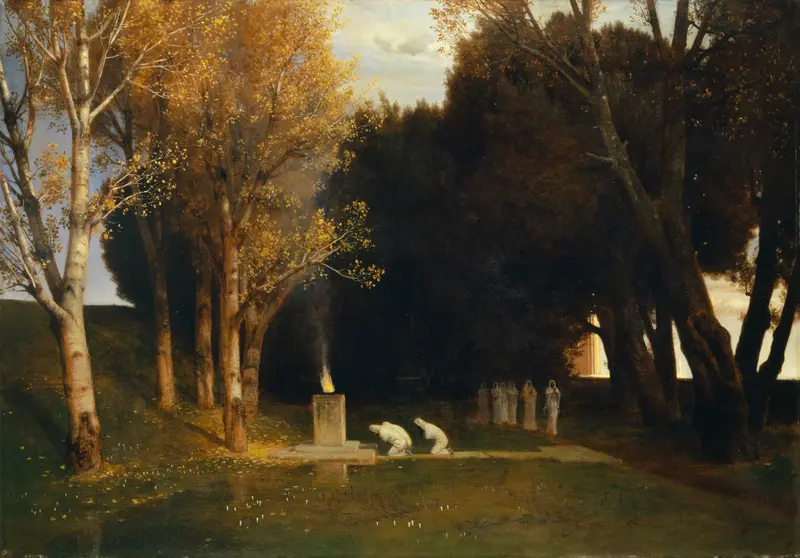
The Sacred Grove
Arnold Böcklin
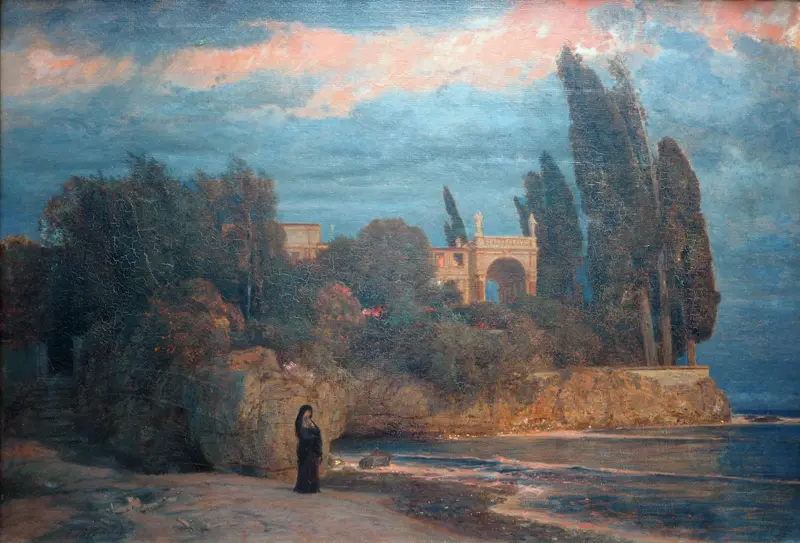
Villa by the Sea
Arnold Böcklin
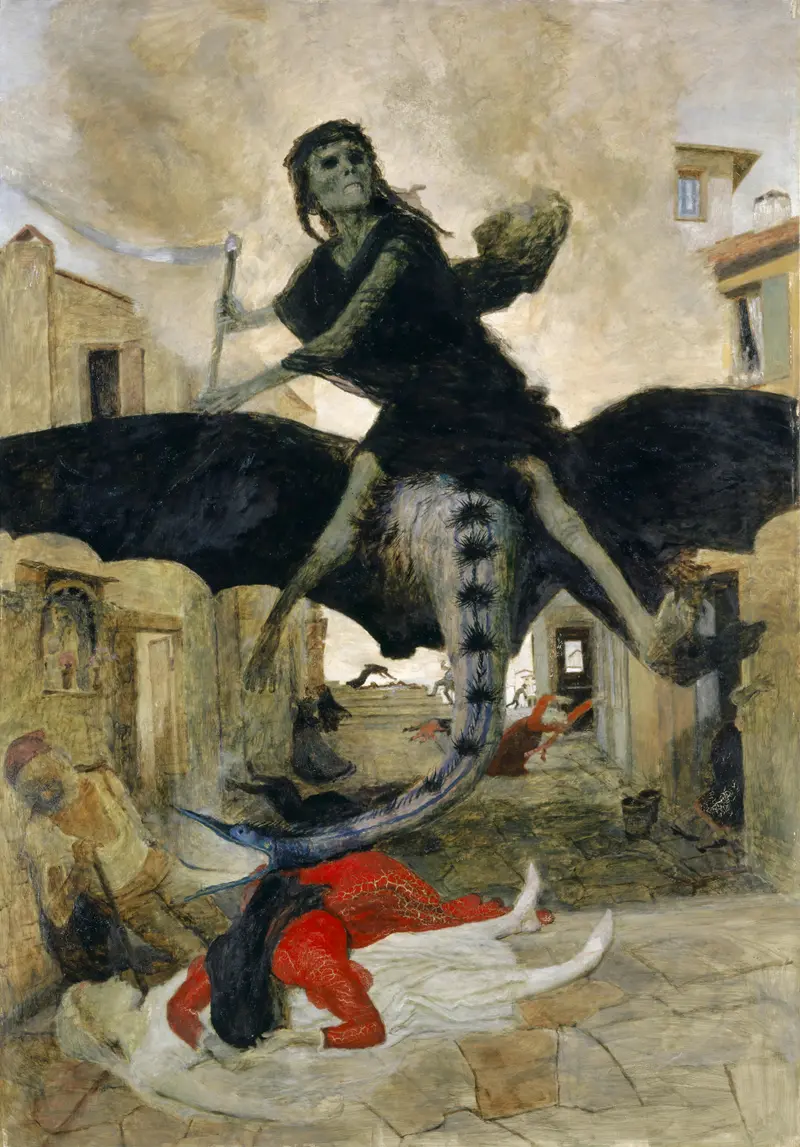
The Plague
Arnold Böcklin
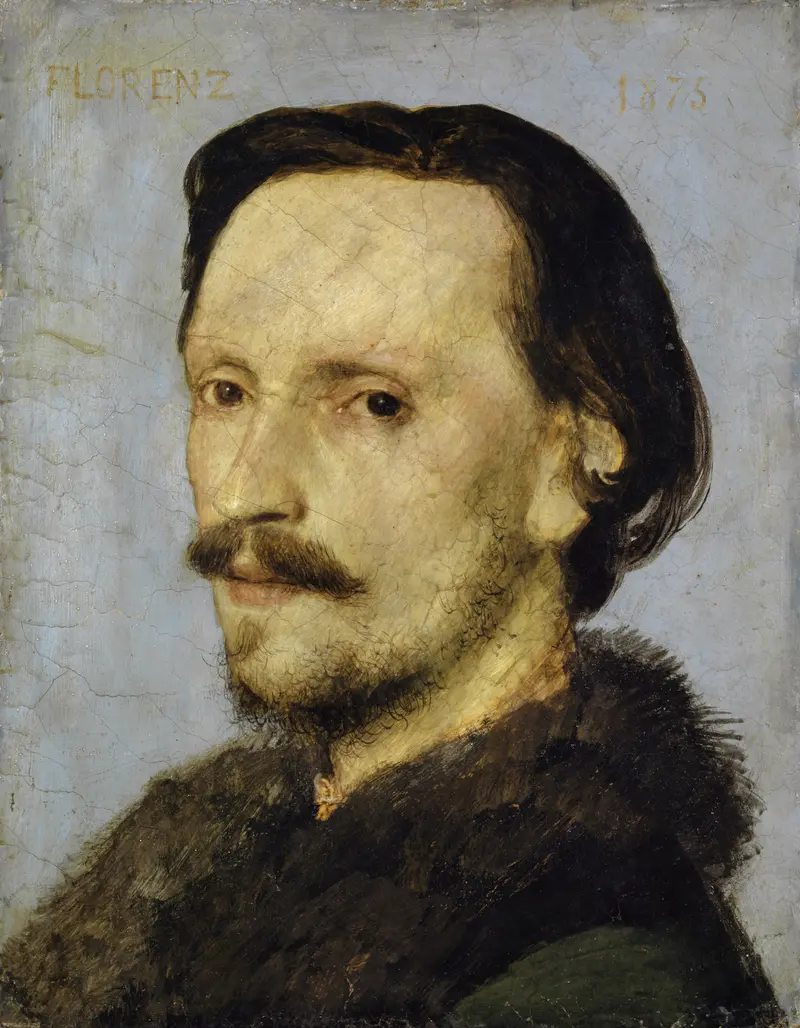
Böcklin Bildnis des Kunsthistorikers Adolph Bayersdorfer, 1875
Arnold Böcklin
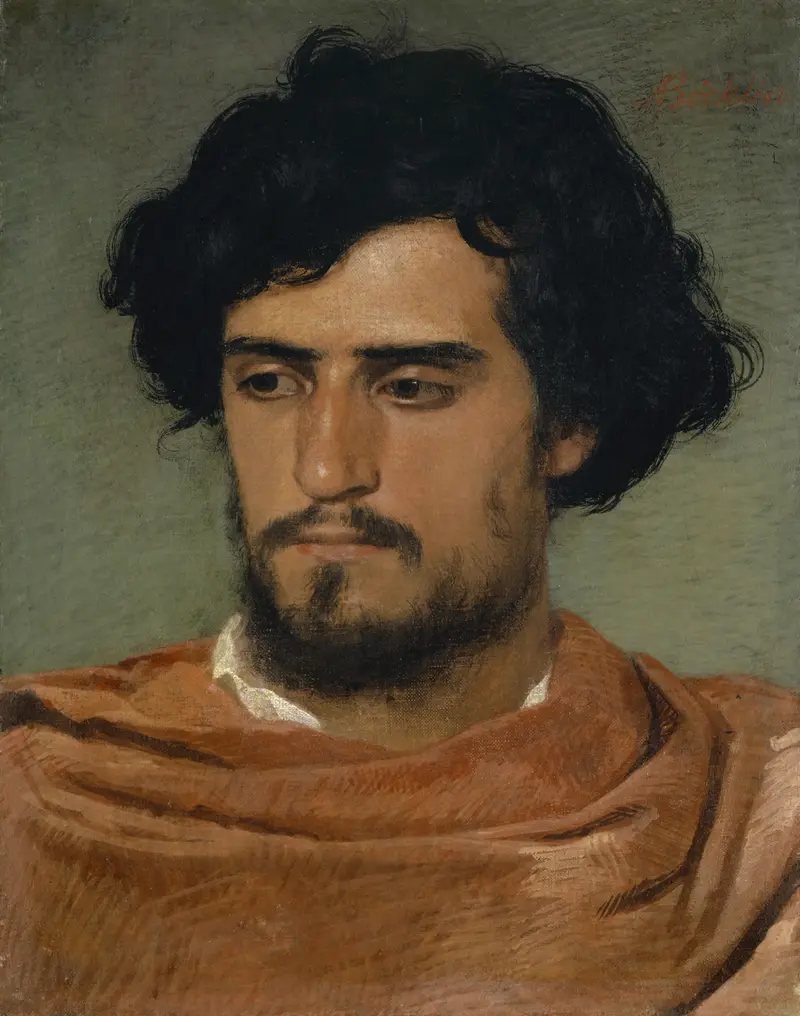
Head of a Roman
Arnold Böcklin
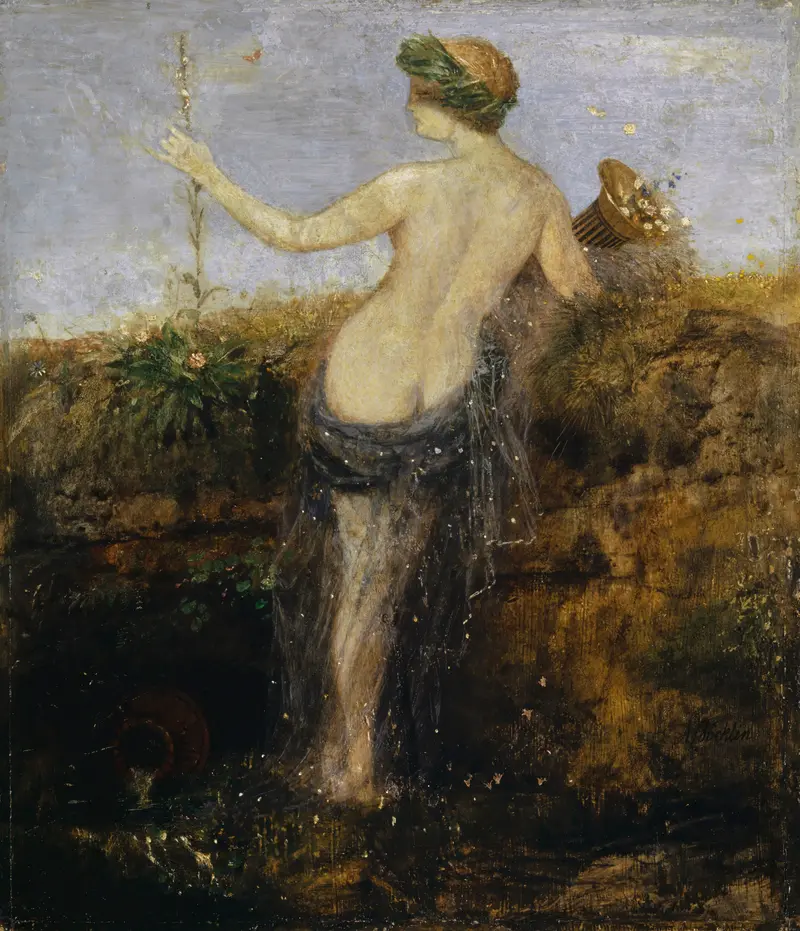
Nymphe with Horn of Plenty
Arnold Böcklin
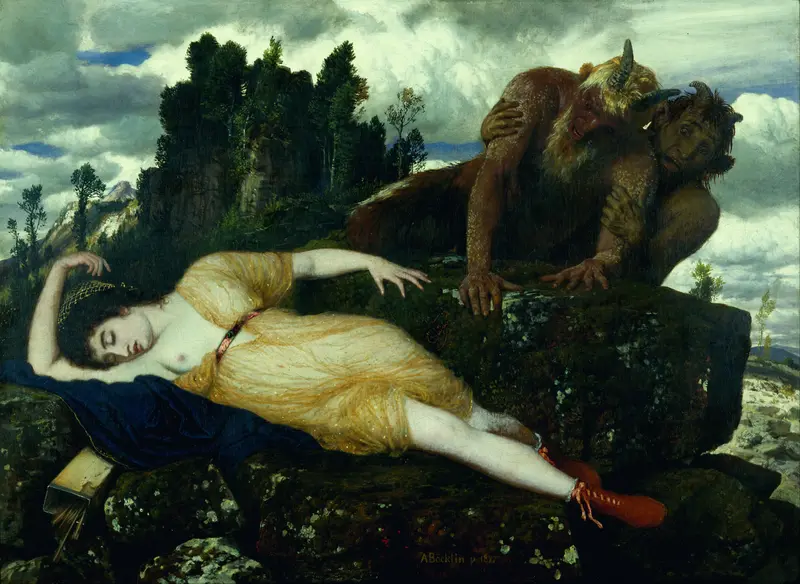
Sleeping Diana Watched by Two Fauns
Arnold Böcklin
Spring (Songs of Spring)
Arnold Böcklin